David Andrew CARTY

David Andrew CARTY    VA

formerly of Parkes, NSW

New South Wales Police Force

NSW Police Academy Class # 257

Regd. # ?????


Rank:  Commenced Training at Goulburn Police Academy on Sunday 20 February 1994 ( aged

Probationary Constable – appointed  19 August 1994 ( aged

Constable – appointed  19 August 1995

Constable 1st Class – appointed ? ? ?


Time employed with NSW Police:  From:  19 August 1994   to   18 April 1997 =  2 years, 7 months, 30 days

Served:  From  20 February 1994  to  18 April 1997 = 3 years, 1 month, 29 days Service

Retirement / Leaving age: =  25 years, ? months, ? days

Time in Retirement from Police: 0


Stations:  Liverpool ( 22 Division )( 19 August 1994 – 19 November 1994 ),

Fairfield ( 20 November 1994 – 18 April 1997 ) – Death


Awards:  Commended for Good Police Work & Professionalism displayed in connect with an attempted hold-up of a takeaway food store in Fairfield in February 1996.

Commissioners Valour Award

No find on It’s An Honour


Born:  1971 in Parkes, NSW

Age:  25

Died:  Friday 18 April 1997

Cause:  Stabbed ( Murdered )

Event date: Friday 18 April 1997

Event location:  Cambridge Tavern, Horsley Dve & Alan St, Fairfield


Location of the Murder: [codepeople-post-map]


Funeral date?

Funeral location?

Buried / Cremated:  Carty Family property – Parkes, NSW


Memorial location1/ Police Dog Carts  ( coincidentally also stabbed to death )

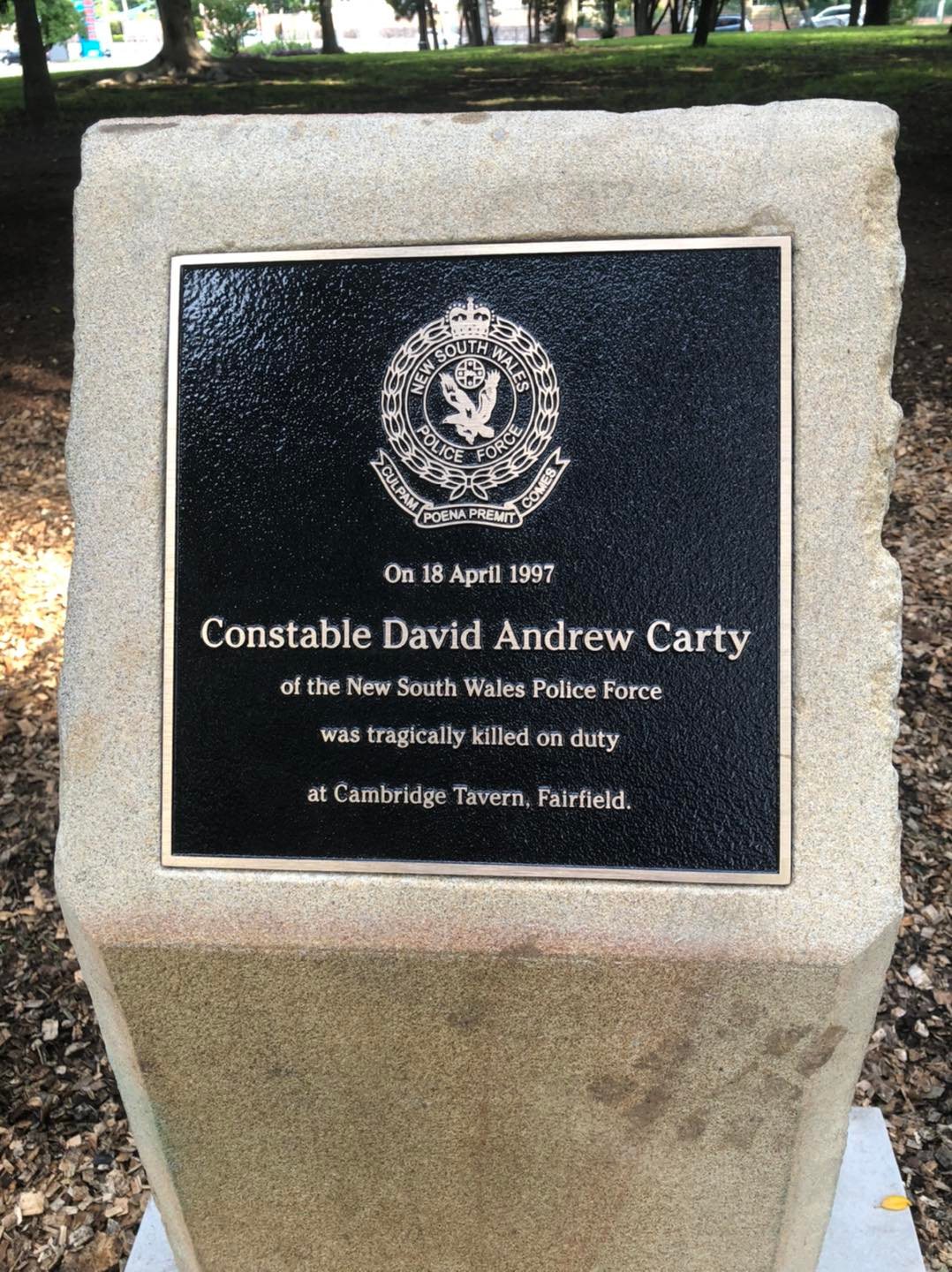
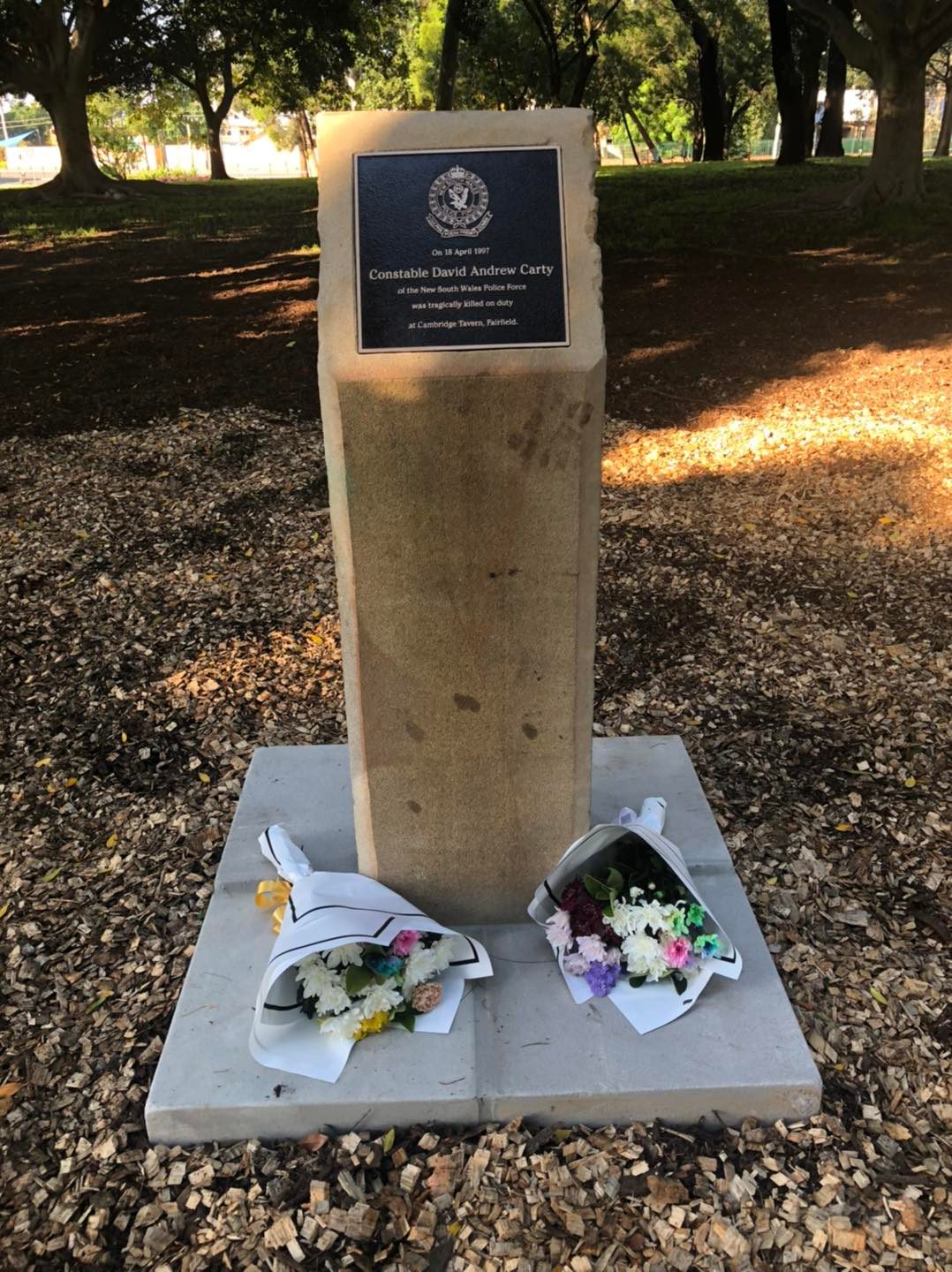
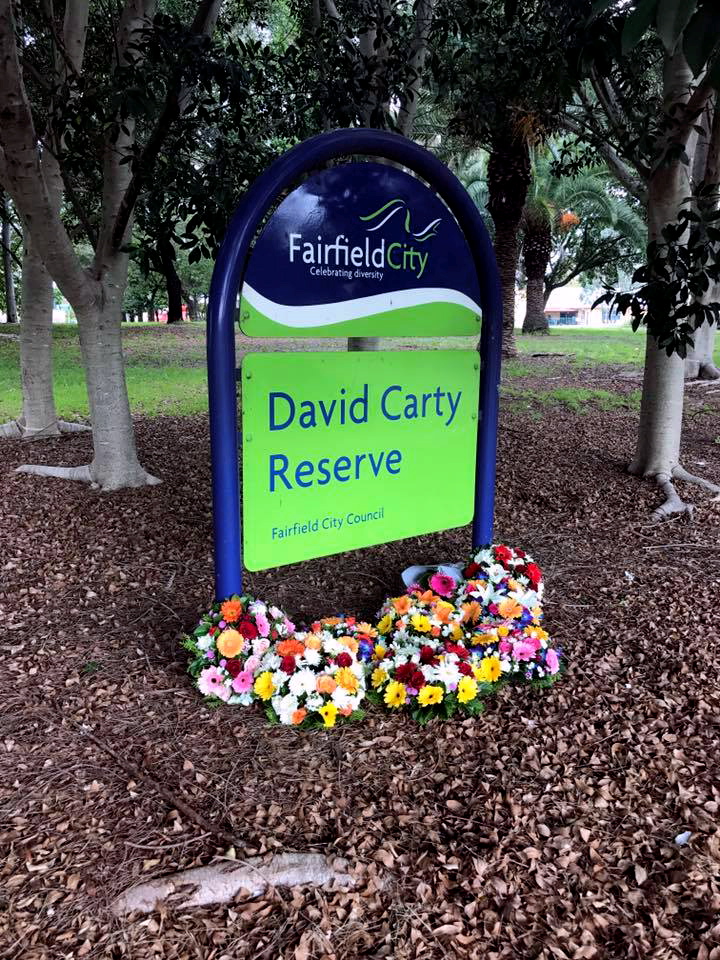
2/ David Carty Reserve, Fairfield East, NSW ( cnr Fairfield St & The Horsley Dve )

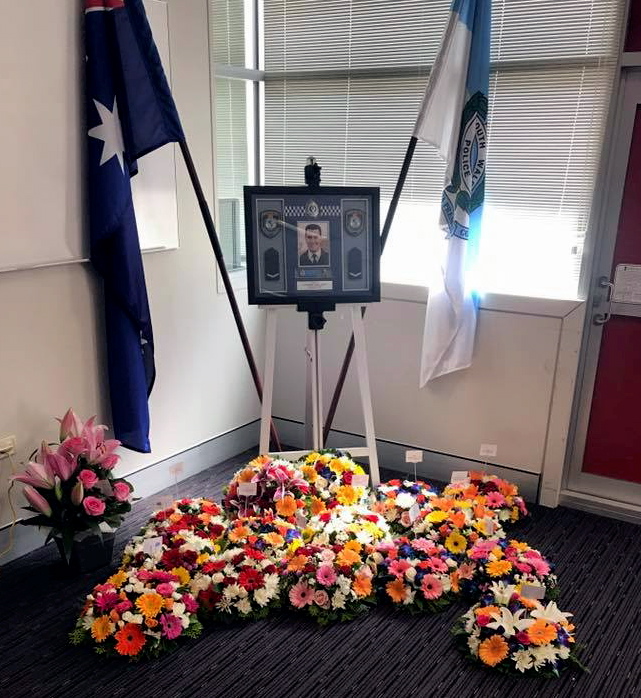
3/ David Carty Conference Room – Fairfield Police Station, Smart St, Fairfield, NSW  ( Dedicated / Opened on 18 April 2017 )
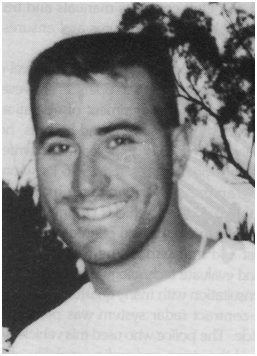
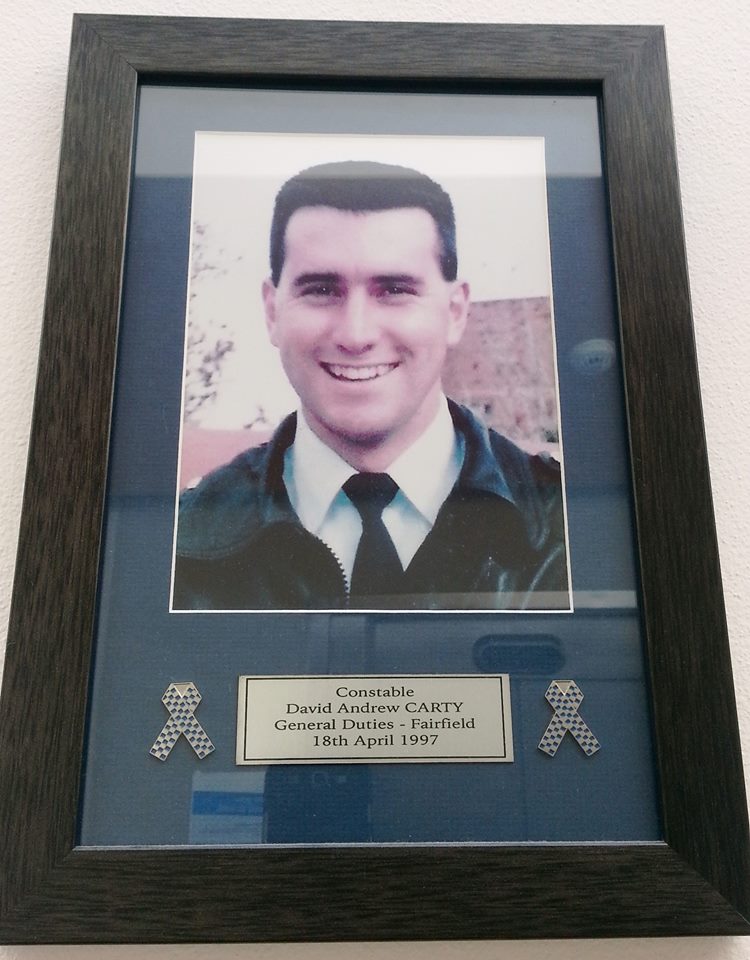
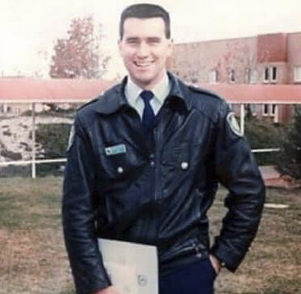
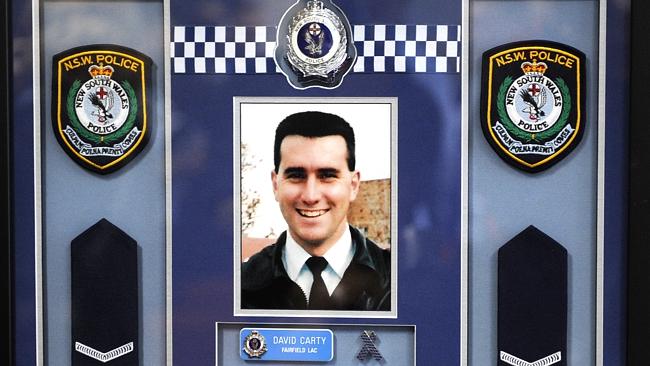
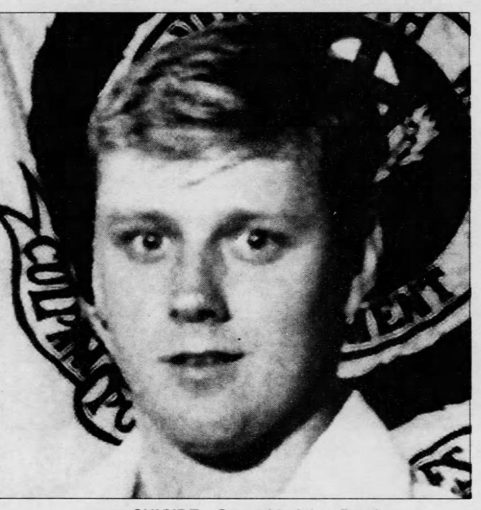
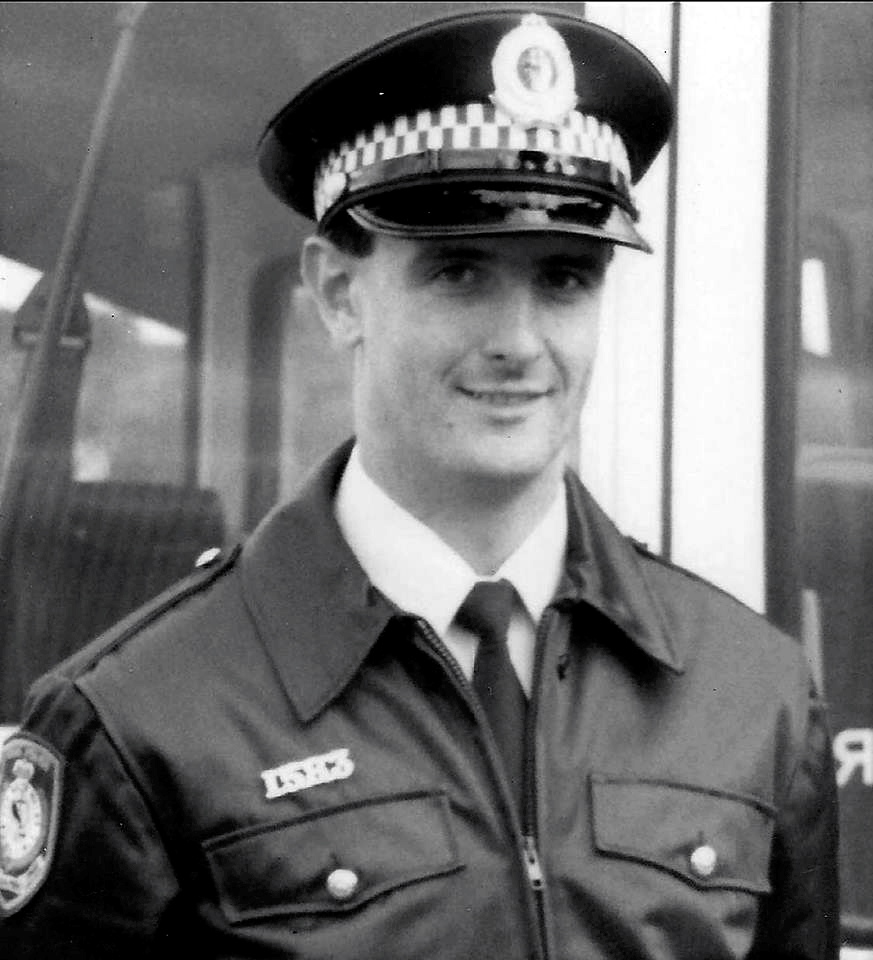
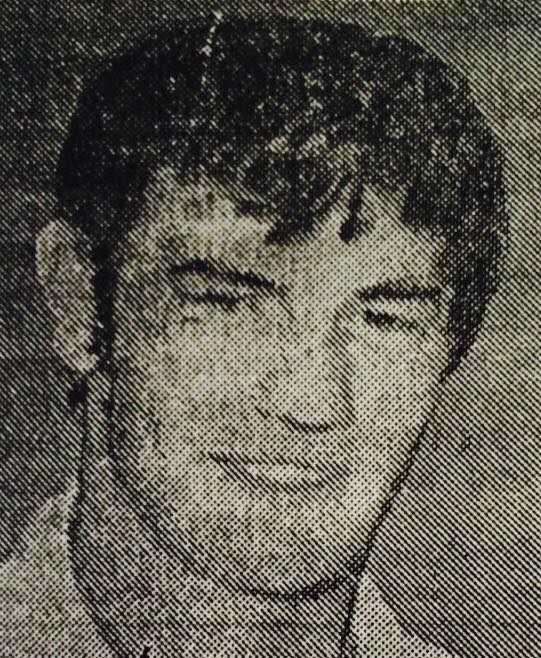
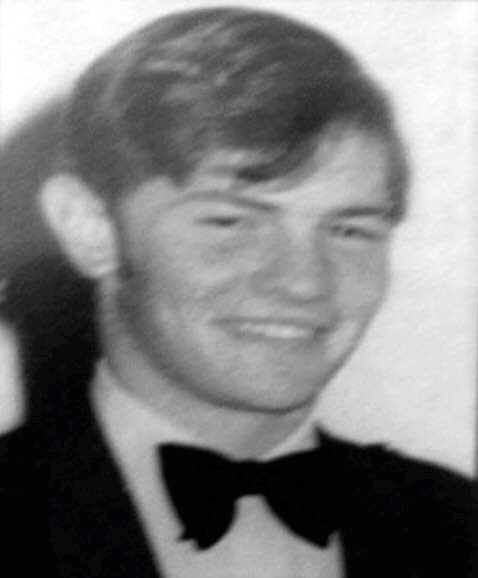
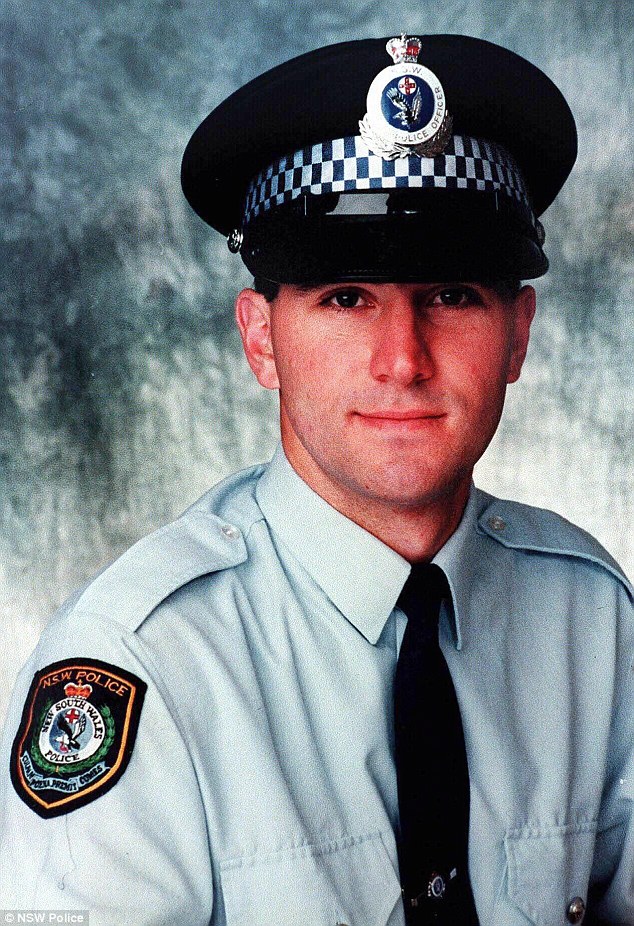
Constable David Carty ( 1997 )


David Carty - whilst a Student Police Officer
David Carty – whilst a Student Police Officer

DAVID IS mentioned on the Police Wall of Remembrance


About 8pm on 17 April, 1997 Constable Carty and other police had reason to speak to a number of people in the street at Fairfield while carrying out foot patrols. Some time later the constable and other police, then off duty, attended a local hotel, the Cambridge Tavern. About 2.10am as he was leaving the hotel Constable Carty was set upon by a number of offenders, including some of those he had spoken to earlier, and was stabbed to death. Senior Constable Michelle Auld ( # 23293 ), who had gone to his assistance, was also seriously assaulted in the cowardly attack.


Both Constable Carty and Senior Constable Auld were awarded the Commissioner’s Valour Award.


The constable was born in 1971 and was sworn in as a probationary constable in August, 1994. At the time of his death he was stationed at Fairfield.


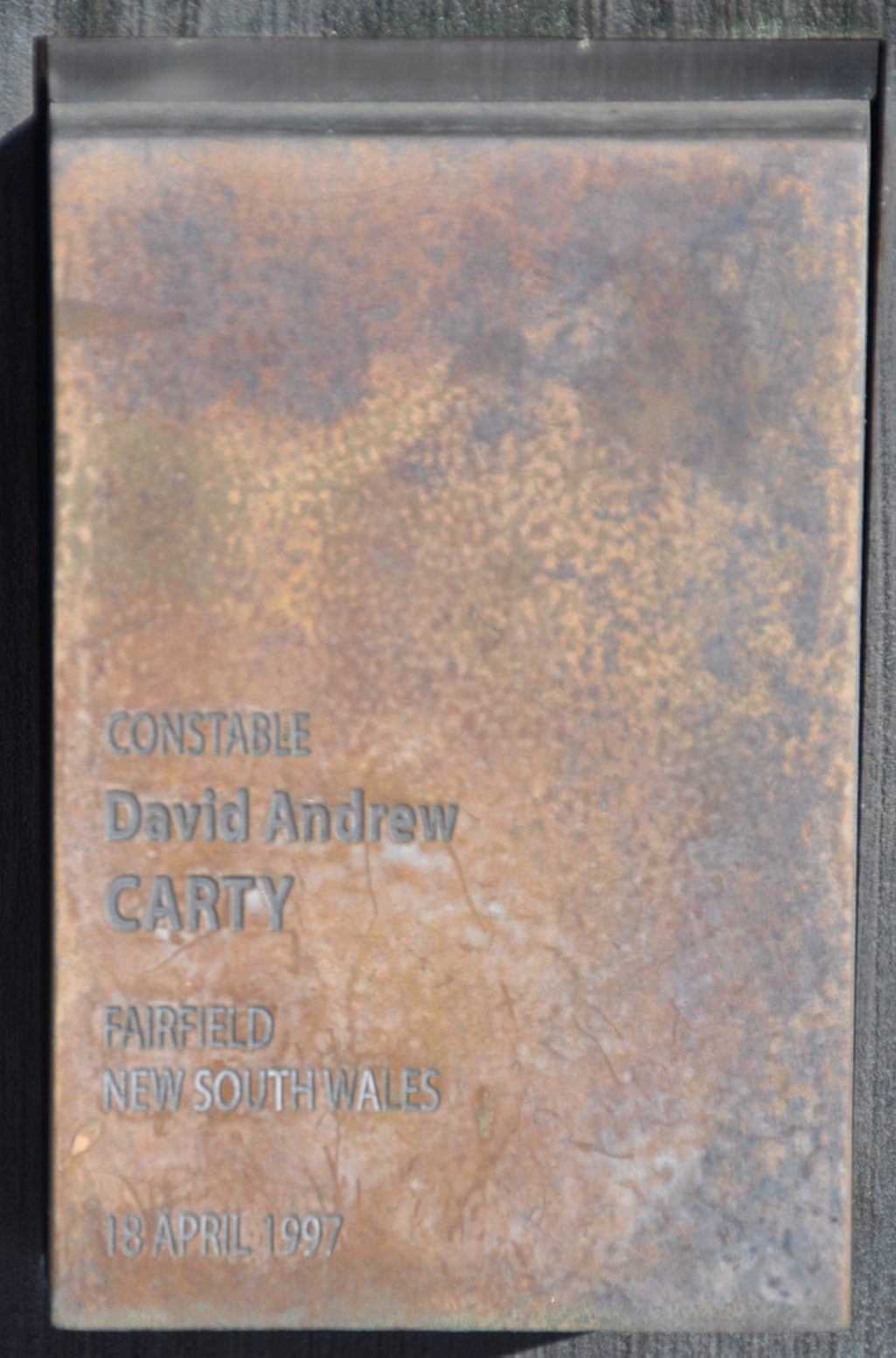
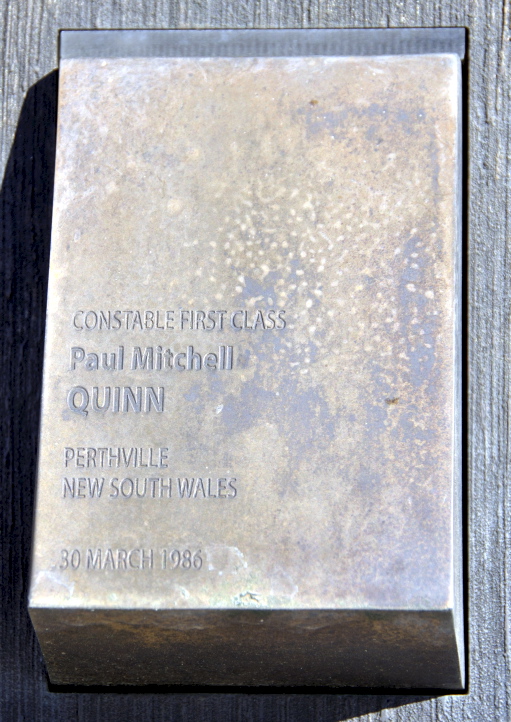
Constable David Andrew CARTY touch pad at the National Police Wall of Remembrance, Canberra.

David Andrew CARTY


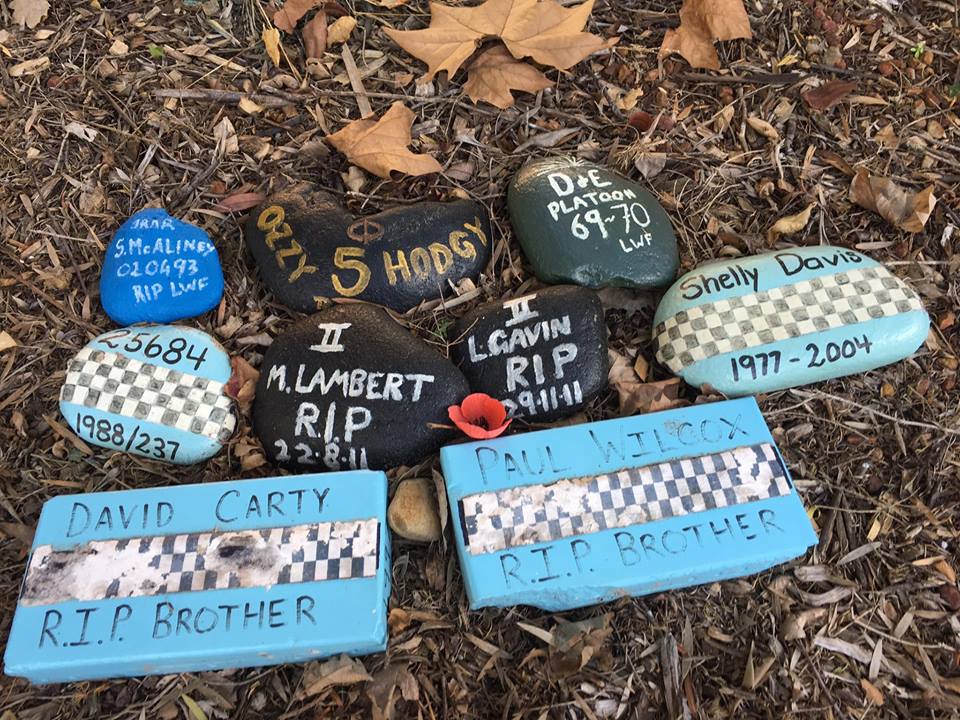
A small section of St John Of God, Richmond Hospital, where Police ( and others ) with PTSD have gone for Inpatient Treatment.<br /> <br /> This is a small Memorial that previous patients ( Police ) have done to remember our friends who have fallen before us. The Black &amp; Dark Blue Memorial stones are by Army members<br /> <br /> Details mentioned:<br /> <br /> <br /> <br /> JRNR<br /> <br /> S. McALINEY<br /> <br /> 020493<br /> <br /> RIP LWF<br /> <br /> <br /> <br /> <a href="https://www.australianpolice.com.au/todd-malcolm-blunt/" target="_blank" rel="noopener noreferrer">25684</a><br /> <br /> 1988/237<br /> <br /> ( 25684 = Regd # )<br /> <br /> 1988 is year Attested. 237 is the Class # )<br /> <br /> <br /> <br /> <a href="https://www.australianpolice.com.au/david-andrew-carty/" target="_blank" rel="noopener noreferrer">David CARTY</a><br /> <br /> R.I.P. Brother<br /> <br /> <br /> <br /> OZZY 5 HODGY ( Appears to have a Legacy Crest glued to it )<br /> <br /> <br /> <br /> II<br /> <br /> M. LAMBERT<br /> <br /> R.I.P.<br /> <br /> 22.8.11<br /> <br /> <br /> <br /> D &amp; E PLATOON<br /> <br /> 69 - 70<br /> <br /> LWF<br /> <br /> <br /> <br /> II<br /> <br /> L. GAVIN<br /> <br /> RIP<br /> <br /> 29.11.11<br /> <br /> <br /> <br /> <a href="https://www.australianpolice.com.au/paul-brian-wilcox/" target="_blank" rel="noopener noreferrer">PAUL WILCOX</a><br /> <br /> R.I.P. BROTHER<br /> <br /> <br /> <br /> <a href="https://www.australianpolice.com.au/shelley-leanne-davis/" target="_blank" rel="noopener noreferrer">SHELLY DAVIS</a><br /> <br /> 1977 - 2004<br /> <br /> Photo posted up on NSW Cops, Old, Bold &amp; Retired FB Group on 28 May 2017.
A small section of St John Of God, Richmond Hospital, where Police ( and others ) with PTSD have gone for Inpatient Treatment.

This is a small Memorial that previous patients ( Police ) have done to remember our friends who have fallen before us. The Black & Dark Blue Memorial stones are by Army members.

Details mentioned:

JRNR

S. McALINEY

020493

RIP LWF

25684

1988/237

( 25684 = Regd # )

1988 is year Attested. 237 is the Class # )

David CARTY

R.I.P. Brother

OZZY 5 HODGY ( Appears to have a Legacy Crest glued to it )

II

M. LAMBERT

R.I.P.

22.8.11

D & E PLATOON

69 – 70

LWF

II

L. GAVIN

RIP

29.11.11

PAUL WILCOX

R.I.P. BROTHER

SHELLY DAVIS

1977 – 2004

Photo posted up on NSW Cops, Old, Bold & Retired FB Group on 28 May 2017.


David CARTY Memorial

David CARTY Memorial

Remembering our colleague, Constable David Carty after 25 years.

An Official Ceremony will take place on Tuesday 19 April 2022 @ 10am at the Fairfield RSL ( Due to weather conditions it won’t be held at David Carty Park ).


David Andrew CARTY

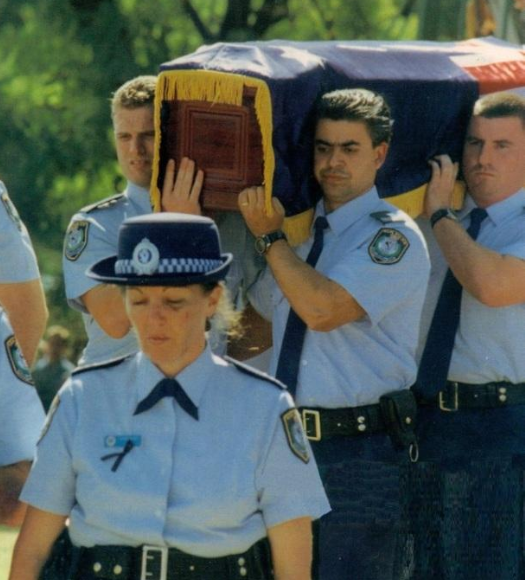
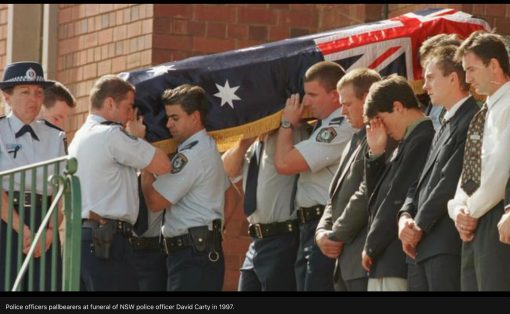
Senior Constable Michelle AULD ( # 23293 ) at Constable David Carty’s Funeral – 1997

Senior Constable Michelle AULD ( # 23293 ) at Constable David Carty's Funeral - 1997


Tuesday  18 April 2017      20 year Memorial

18 April 2017
18 April 2017

David Carty Reserve 18 April 2017
18 April 2017


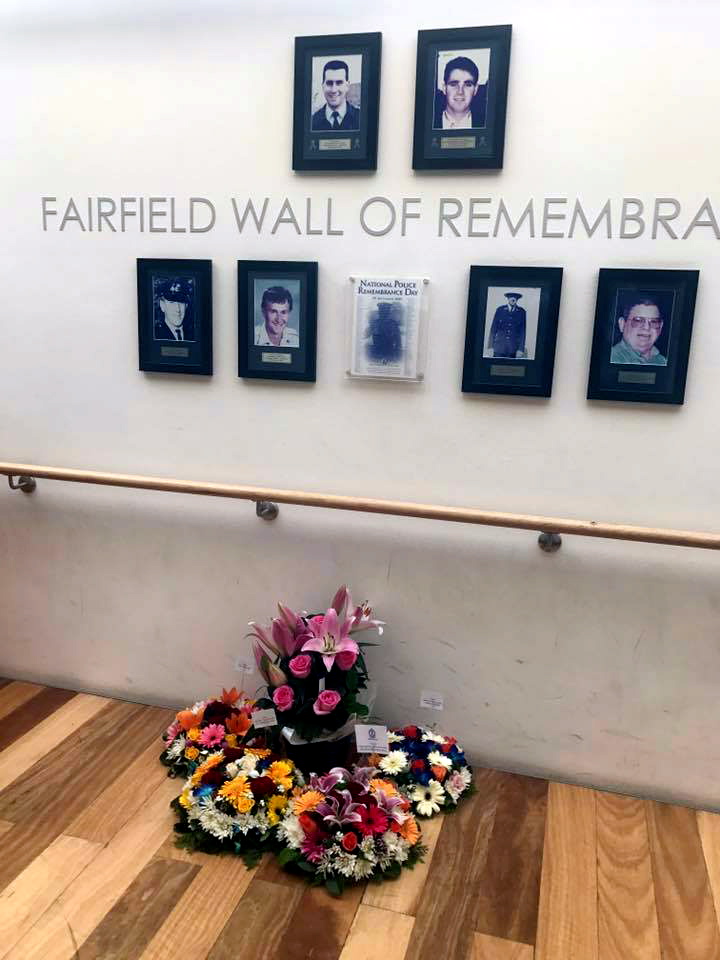
Fairfield Police Station Wall of Remembrance Smart St, Fairfield


David Carty Conference Room - Fairfield Police Station ( Dedicated / Opened on 18 April 2017 )
David Carty Conference Room – Fairfield Police Station ( Dedicated / Opened on 18 April 2017 )


Constable David Carty was remembered as a respected man at the 17th anniversary of his death

 Constable David Carty is remembered as a respectable country man.
Constable David Carty is remembered as a respectable country man.

THE pain of April 18 doesn’t get any easier for Fairfield police officers who recall Constable David Carty as a respectable country man.

Const Carty (pictured) was remembered by police officers and former colleagues at Fairfield police station on Friday, the 17th anniversary of his brutal death.

On April 18, 1997, Const Carty, 25, was stabbed in the Cambridge Tavern car park, after having a drink with colleagues after a late shift.

Superintendent Peter Lennon said April 18 was one date he and his fellow officers would never forget. “He (Const Carty) came from the country and was well-respected by everyone,” he said.

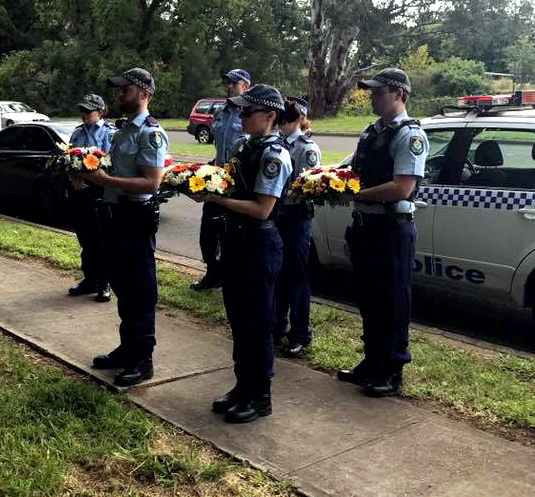
During the memorial service, a minute’s silence was held and wreaths were laid in memory of the young man.

Supt Lennon said being in the police force meant brave men and women confronted dangers as they performed their duties.

“Police officers put their lives on the line every day for their community,” he said. “Whilst this event was after hours, he was still a serving officer because he was known to be a police officer when the incident occurred.”

HONOURING DAVID CARTY

David Andrew Carty, from Parkes, joined the NSW Police Force on February 20, 1994

After being posted to Liverpool police station, he was transferred to Fairfield police station on November 20, 1994, and confirmed to the rank of Constable on August 19, 1995

During the early hours of April 18, 1997, Constable Carty, 25, was stabbed in the car park of Fairfield’s Cambridge Tavern, where he had enjoyed a drink with colleagues after a late shift

His memory was honoured at Fairfield police station on Friday for the 17th anniversary of his death
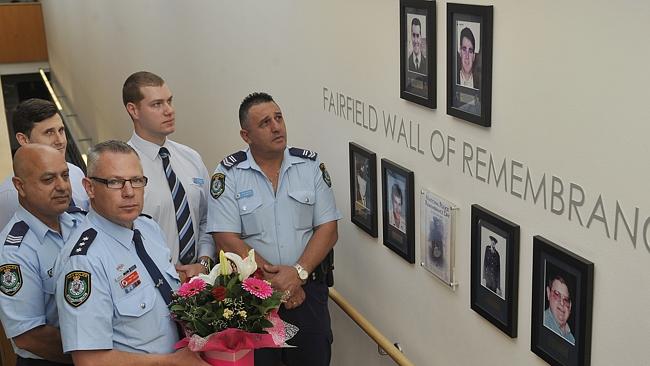
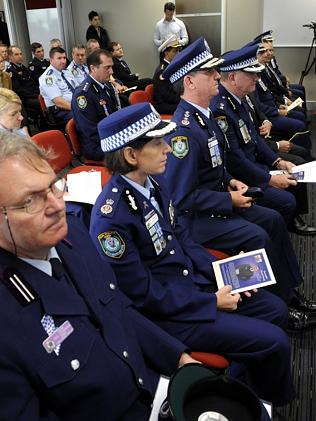
 Friday was the 17th anniversary of the murder of David Carty. Fairfield police officers held a minute's silence at the station’s Wall of Remembrance. Picture: Tim Clapin
Friday was the 17th anniversary of the murder of David Carty. Fairfield police officers held a minute’s silence at the station’s Wall of Remembrance. Picture: Tim Clapin


 Fairfield police officers and former colleagues holding a memorial for the 15th anniversary of the death of Constable David Carty.
Fairfield police officers and former colleagues holding a memorial for the 15th anniversary of the death of Constable David Carty.

http://www.dailytelegraph.com.au/newslocal/south-west/constable-david-carty-was-remembered-as-a-respected-man-at-the-17th-anniversary-of-his-death/story-fngr8hxh-1226892214839


Slain local police officer remembered
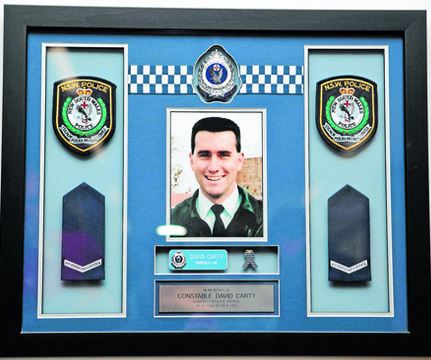
The David Carty Memorial set up at this week’s service in Sydney.

NSW Police Force held a memorial service on Wednesday to commemorate the life and service of former Parkes man Constable David Carty, who was slain 15 years ago.

Const Carty was stabbed to death as he left licensed premises in the Sydney suburb of Fairfield in the early hours of Friday, April 18, 1997, after having a drink with colleagues following a late shift.

At 10am on Wednesday April 18, 2012, colleagues and friends gathered at Fairfield Police Station for a memorial service, on the 15th anniversary of his death.

Minister for Police and Emergency Services, Michael Gallacher, NSW Police Commissioner Andrew Scipione, South West Metropolitan Region Commander, Assistant Commissioner Frank Mennilli, Fairfield Local Area Commander, Superintendent Peter Lennon, former colleagues, local police officers, local members of Parliament and members of the Fairfield community also attended.
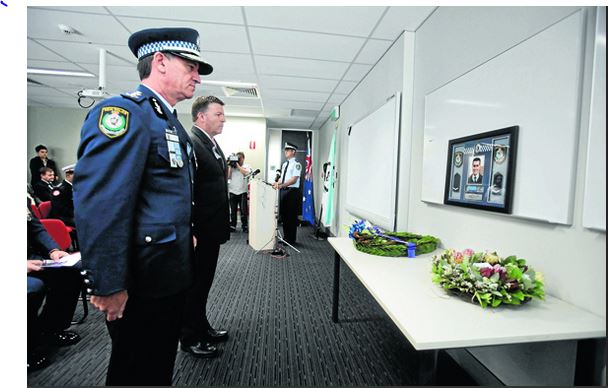
Minister for Police and Emergency Services, Michael Gallacher, and NSW Police Commissioner Andrew Scipione, pay their respects to slain local police officer, David Carty and Wednesday’s special memorial service in Sydney.

Senior Catholic Police Chaplain, Father Paul O’Donoghue, led the blessing for serving police and emergency service officers.

Constable Carty’s family also held a memorial service on the family property in Parkes where Lachlan Local Area Commander, Robert Ryan, and local police officers paid their respects.

Supt Lennon said while it was painful to recall the circumstances of Constable Carty’s death, it was important for his memory to be honoured.

“David was a young man with a great future, personally and professionally,” Supt Lennon said.

“He had committed himself to protecting his community and paid the ultimate price.

“Every day, officers confront dangers as they perform their duties, and the memory of a departed colleague reminds us that a safe community can come at a high price for officers and their families,” Supt Lennon said.
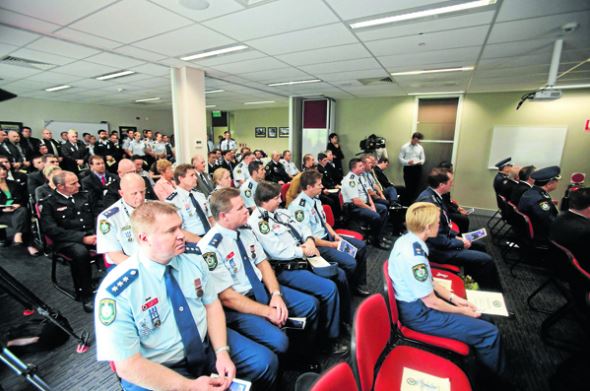
Police officers during the ceremony

Constable Carty joined the NSW Police Force on February 20, 1994, attesting as a Probationary Constable on August 19, 1994, and began working at Liverpool.

On November 20, 1994, he was transferred to Fairfield and confirmed to the rank of Constable on August 19, 1995.

Before joining the NSW Police, David Carty worked on the family farm and showed as much dedication and independence there as he did as a Constable.

“Constable Carty’s relatively short experience in the NSW Police Force showed him to be an exemplary police officer,” Supt Lennon said.

http://www.parkeschampionpost.com.au/story/192991/slain-local-police-officer-remembered/#slide=1


Tribute to Constable David Andrew Carty

About this Item
Speakers Zangari Mr Guy; Page Mr Donald
Business Private Members Statements, PRIV
TRIBUTE TO CONSTABLE DAVID ANDREW CARTY
Page: 11204

Mr GUY ZANGARI (Fairfield) [12.11 p.m.]: On 18 April 2012 Fairfield police station held a 15-year memorial service for the late Constable David Carty. The memorial was to be held at David Carty Reserve but due to the torrential rain it was held at Fairfield police station. Besides the Fairfield memorial, a memorial was held also at the Carty family property in Parkes where Lachlan Local Area Commander Robert Ryan and local police officers paid their respects, together with the Carty family. The memorial at Fairfield was attended by the police commissioner, assistant commissioners, police Minister and local and State government representatives. Local fire, ambulance and State Emergency Service representatives paid their respects on this solemn occasion. Also present were the emergency response officers who, in the words of Superintendent Peter Lennon, moved heaven and earth to save this officer’s life. Inspector Brendan McMahon was the official master of ceremonies, with Commissioner Andrew Scipione offering kind and comforting words to the entire community. Superintendent Peter Lennon brought home the message of the loss to the community of David Carty and how to this day, so many years later, people in Fairfield still feel the pain. Father Paul O’Donoghue offered blessings and prayers to the gathering. Following the prayers a wreath-laying ceremony took place. It was at that point that emotion set in and not a dry eye could be seen in the gathering. Many of those who were present did not know David but they had grieved his loss for years. I recall that David’s death in 1997 was a shock to the entire community. So brutal was his death that churches around Fairfield held masses and services in his memory. At that time I was teaching at Patrician Brothers College, Fairfield, and I remember witnessing the grief that beset the community. Students and teachers held prayer services following David’s death. Sitting at the memorial service gave me the empty feeling that Fairfield experienced in 1997. I can only imagine what it was like for David’s work colleagues and especially for his family. David Carty was a country boy who came to Sydney to fulfil his dream of becoming a police officer. He joined the NSW Police Force on 20 February 1994, was sworn in as a probationary constable in August 1994 and began working at Liverpool. On 20 November 1994 Constable Carty was transferred to Fairfield and quickly established himself in the Fairfield Local Area Command and in the community as a hardworking police officer. On 17 April 1997, whilst on a daily foot patrol, David and other police officers had reason to speak to a number of people on a local Fairfield street. Later that evening, whilst off duty, Constable Carty and his colleagues attended the Cambridge Tavern. At about 2.10 a.m., as he was leaving the tavern, David was set upon by a number of offenders, including some of those he had spoken to earlier that day. Constable David Carty was stabbed to death by his attackers. Senior Constable Michelle Auld also was seriously assaulted whilst giving David assistance. Early that morning a piece of Fairfield was taken away. We will never forget David Carty. As a community we keep his memory alive by having a reserve named in his honour—the David Carty Reserve. There are plans in the Fairfield community to include a memorial garden in the reserve, to create a place where the community can offer prayers and thanks to the late Constable David Carty and reflect on the many sacrifices that he ultimately made as a result of his vocation as a police officer. David was never given a chance to marry, to have children and to experience what so many of us take for granted. What we as legislators can do is to ensure that our police are given the powers and support they need not only to keep the community safe but also to keep uniformed officers safe in the line of duty. Constable David Carty will never be forgotten by Fairfield.

Mr DONALD PAGE (Ballina—Minister for Local Government, and Minister for the North Coast) [12.15 p.m.]: I take this opportunity to thank the member for Fairfield for reminding us of the terrible murder of David Carty. I am sure that all members and the people of New South Wales remember the despicable murder that took place late at night in a car park outside licensed premises when David Carty was off duty. David Carty’s father, John Carty, is a constituent of the member for Dubbo who is in the Chamber. I was interested to hear the member for Fairfield mention the David Carty memorial that is to be established in the Fairfield reserve—a nice tribute to a man whose life was cut short by a most heinous crime.

http://23.101.218.132/Prod/parlment/hansart.nsf/V3Key/LA20120508004?open&refNavID=HA8_1
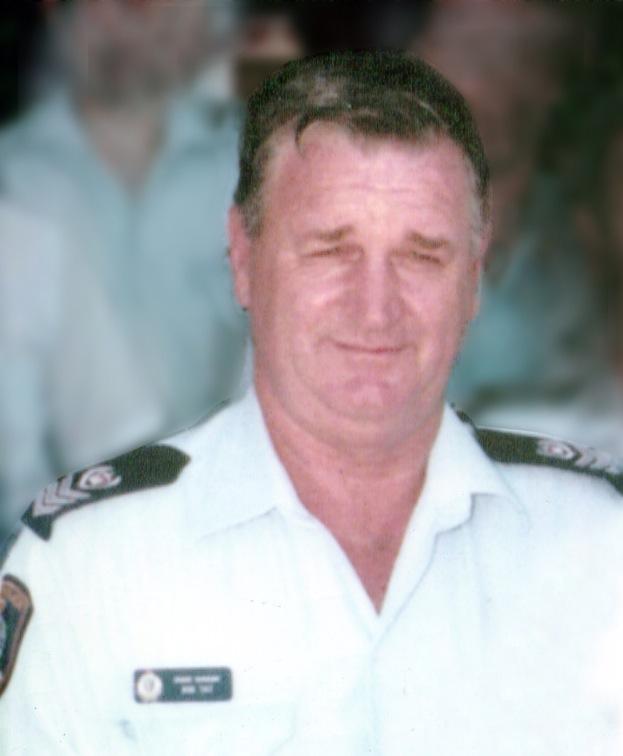


Robert Wayne TAIT

Robert Wayne TAIT

aka  Bob


New South Wales Police Force


Joined via the NSW Police Cadets on 24 February 1964

NSW Police Academy – Redfern – Class 106

Cadet # 1927

Regd. #  11786


Rank: NSW Police Cadet – commenced 24 February 1964 ( aged 16 years, 11 months, 5 days )

Probationary Constable – appointed 19 March 1966 ( aged 19 years, 0 months, 0 days )

Constable – appointed 19 March 1967

Constable 1st Class – appointed ? ? ?

Senior Constable – appointed 19 March 1975

Sergeant 3rd Class – appointed 27 March 1982

Inspector – death


Stations?, Northern District ( 1966+ ), ?, Narrabri – Patrol Commander


Awards:  National Medal – granted 23 October 1981 ( SenCon )

1st Clasp to the National Medal – granted 28 May 1992 ( SenSgt )


ServiceFrom  24 February 1964  to  29 March 1996 = 32 years, 1 month, 5 days Service

Age at Leaving:  49 years, 0 months, 10 days

Time in Retirement:  0


Born:  Wednesday 19 March 1947

Died:  Friday 29 March 1996

Age:  49 years, 0 months, 10 days

Cause: Illness – Depression – Suicide – Service revolver – In a Police Station

Event location: Narrabri Police Station, NSW


Funeral: Narrabri Lawn Cemetery, Gunnedah Rd ( Kamilaroi Hwy ), Narrabri, NSW

Grave:  Portion A2, Row Q

Cremated: ?

Robert is NOT mentioned on the Police Wall of Remembrance * BUT SHOULD BE


Inspector Robert Wayne TAIT - Illness - 290396

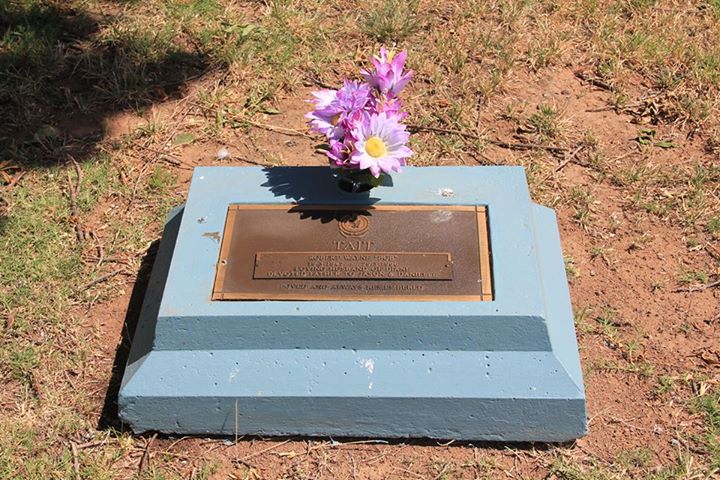
Robert Wayne TAIT headstone - Narrabri Lawn Cemetery. Portion A2, row Q
Robert Wayne TAIT headstone – Narrabri Lawn Cemetery. Portion A2, Row Q

Robert Wayne TAIT - Grave
Robert Wayne TAIT – Grave

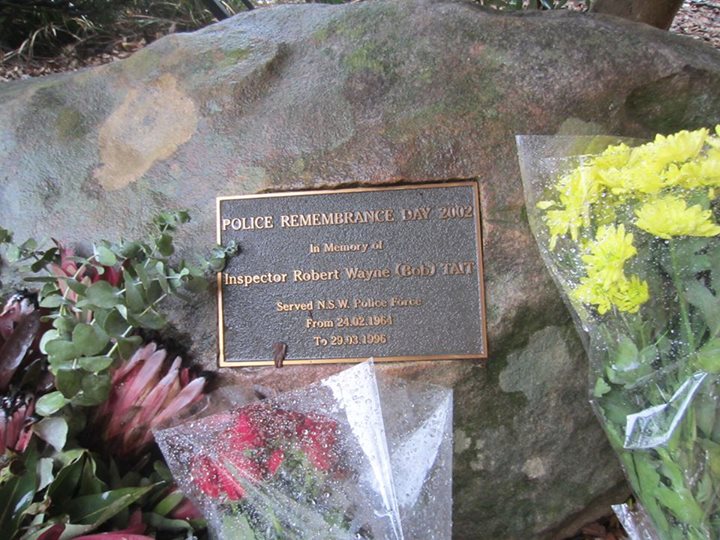
Robert Wayne TAIT - Memorial Stone outside of Narrabri Police Station. Rob's mother also planted an Olive Tree there at the same time. 29 September 2002
Robert Wayne TAIT – Memorial Stone outside of Narrabri Police Station. Rob’s mother also planted an Olive Tree there at the same time. 29 September 2002


In 1996 Inspector Bob Tait was the officer in charge of police at Narrabri. On the morning of Friday 29 March of that year he ended his own life at the Narrabri Police Station.


The Northern Daily Leader of 30 March, 1996 reported the death.

Stunned colleagues and the Narrabri community are this morning trying to come to terms with why such a respected policeman would kill himself. Inspector Robert Tait, 49, went to work yesterday morning, where he had been serving as the patrol commander, walked into an unoccupied office, took his service revolver and ended his life.


The inspector joined the New South Wales Police Force on 24 February, 1964 as a cadet, and was sworn in on 19 March, 1966. At the time of his death he was stationed at Narrabri, where he was the patrol commander.


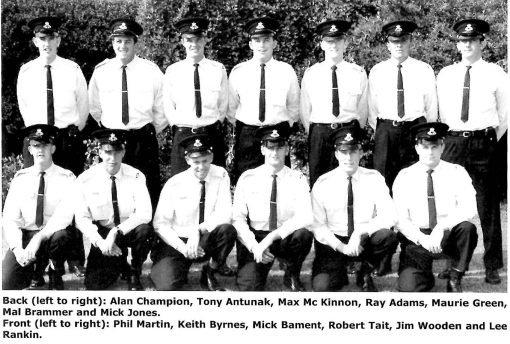
Class 106 - Redfern Police Academy - Sworn In 4 April 1966. This Group are the Cadets from that Class.Rear ( L - R ): Alan CHAMPION # 11922, Tony ANTUNAK # 11920, H.M. ' Max ' McKINNON # 11919, Ray ADAMS # 11785, Maurie GREEN # 11784, Mal BRAMMER # 11921, Mick JONES # 11783 Front ( L- R ): Phil MARTIN # 11788, Keith BYRNES # 11787, Mick BAMENT # 11917, Robert TAIT # 11786, Jim WOODEN # 11918, Lee RANKIN # 11924
Class 106 – Redfern Police Academy – Sworn In 4 April 1966. This Group are the Cadets from that Class.
Rear ( L – R ):
Alan CHAMPION ( R.I.P. ) # 11922, Tony ANTUNAK # 11920, H.M. ‘ Max ‘ McKINNON # 11919, Ray ADAMS # 11785, Maurie GREEN # 11784, Mal BRAMMER # 11921, Mick JONES # 11783
Front ( L- R ):
Phil MARTIN # 11788, Keith BYRNES # 11787, Mick BAMENT # 11917, Robert TAIT # 11786, Jim WOODEN ( R.I.P. ) # 11918, Lee RANKIN # 11924


http://www.smh.com.au/news/national/holding-judgement/2007/06/08/1181089328815.html?page=fullpage

June 9, 2007

It took up 451 hearing days, heard from 902 public witnesses and cost an estimated $64 million. Malcolm Brown reports on the Wood royal commission, 10 years on.


It began on June 15, 1995, when an unnamed Annandale detective jumped to his death from the seventh floor of a building, apparently through fear of the Wood royal commission. The detective’s suicide was followed by those of Ray Jenkins, a dog trainer (July 10), and Inspector Robert Tait, the acting patrol commander at Narrabri ( March 29, 1996 ). Nineteen days later a former Wollongong alderman, Brian Tobin, gassed himself.

On May 8 the same year, Peter Foretic gassed himself the day after giving evidence about paedophile. On September 23, Detective Senior Constable Wayne Johnson shot himself and his estranged wife after being adversely named in the royal commission. On November 4, David Yeldham, a retired judge about to face the royal commission on questions of sexual impropriety, killed himself. A month later Danny Caines, a plumber and police confidant, committed suicide at Forster, on the North Coast.

Altogether, 12 people enmeshed in the Wood royal commission took their own lives. Scores of others were so profoundly affected by proceedings that their supporters and families believe it shortened their lives. A former detective, Greg Jensen, suffered a recurrence of the stomach cancer that ultimately ended his life, while another former detective, Ray McDougall, who faced the threat that commission investigators might expose his extramarital affair if he did not co-operate, succumbed to motor neurone disease.

There is no doubt that the Royal Commission into the NSW Police Service, headed by the Supreme Court judge James Wood, purged the force of a roll call of rotters. A total of 284 police officers were adversely named, 46 briefs of evidence were sent to the Director of Public Prosecutions and by 2001 nine officers had pleaded guilty to corruption offences and three not guilty. Seven police officers received jail sentences, including the former Gosford drug squad chief Wayne Eade and a former chief of detectives, Graham “Chook” Fowler.

Several high-profile police ended their careers in disgrace, including Ray Donaldson, an assistant commissioner, whose contract was not renewed, and Bob Lysaught, the commissioner’s chief of staff, whose contract was torn up. Charges against 14 officers were dismissed because of irregularities in search warrants and their execution.

That left the question of what to do with police who were on the nose but who could not be brought to account by normal means. The solution was the creation of section 181B of the Police Service Act, under which the police commissioner could dismiss an officer on the basis of what had come out of the royal commission. Section 181D allowed the police commissioner to serve an officer with a notice indicating that he “does not have confidence in the police officer’s suitability to continue as a police officer”. The officer could show cause as to why he should be retained, and if dismissed could appeal to the Industrial Relations Tribunal.

In the wake of the two legislative changes, 380 officers were targeted for dismissal or internal investigation. By March 1998, 19 police officers had been dismissed under section 181B and three under 181D. Another had been dismissed under a separate provision of the act, 14 had resigned, four had been medically discharged and 15 had been given performance warning notices. Others were under consideration, and as the Police Integrity Commission – a legacy of the royal commission which became a permanent watchdog – has demonstrated, even officers who had been corrupt many years before were not necessarily in the clear.The former independent MP John Hatton, who was instrumental in setting up the royal commission, said he thought the Police Integrity Commission was the royal commission’s “greatest achievement”. The Child Protection Enforcement Agency, which launched a purge of sex offenders, is another positive legacy of the royal commission.But 10 years on, was the exercise worth it?To some there were considerable benefits. Some appalling malpractice – known as “process” or “noble cause” corruption – prompted Wood to wonder at one point about the quality of a lot of police evidence he had accepted over the years.Despite this, many officers still believe the royal commission was too puritanical. They claim the investigators, not able to grapple with the really big issues, jumped on anything they could: “They had to have runs on the board,” says Michael McGann, who as a policeman in 1984 participated in the so-called Kareela Cat Burglar case, in which police used mace on an uncooperative thief and sex offender. To some critics this treatment did no serious harm and only required a word of caution. But under the spotlight of the royal commission 12 years later, it ended the careers of high-flying police such as John Garvey, Brian Harding and Steve York.A decade later, Harding works in corporate security but insists that the real sting was that the investigators had fabricated evidence. When that finally came out, he says, the group received a confidential settlement, but it did little to redress the feelings of outrage.

Another former policeman, Dr Michael Kennedy, says the commission was a political response to the police commissioner, Tony Lauer, bringing about the downfall of the then police minister, Ted Pickering.

The attorney-general, ministry and judiciary took little responsibility for the state of the force, Kennedy says, while the responsibility of the police rank-and-file grew to “the size of a Pacific driftnet”. “I don’t think the royal commission contributed anything to the reform process except to provide a template for double standards,” he says.

Chook Fowler put $200 into his pocket from Louis Bayeh. Chook was a lazy, good-for-nothing drunk. But he was put into the same category as Ray Williams and HIH.”McGann says that against the string of petty corrupt activities uncovered, “you have to look at what the government did and did not do with gambling and vice, over the decades. There have been direct links to Parliament for 50 or 60 years. That is hypocrisy.”The critics’ view is that the royal commission has left a demoralised police force, tarnished and rudderless, with limited operational effectiveness and the problem of corruption unsolved. Seven police officers have taken their lives since 2001, including two this year.”It highlights the fact that the structure no longer takes in the needs of the NSW police force,” says Mike Gallacher, the Opposition police spokesman, and a former internal affairs police officer.Gallacher believes, as does the NSW Police Commissioner, Ken Moroney, that the tentacles of corruption no longer spread to embrace entire squads or larger units. But it does not prevent low-level incidents of corruption and there are continuing nests of corruption.In its most recent report, the Police Integrity Commission said it had undertaken 21 major investigations in 2005-06. These dealt with extortion, theft, unauthorised disclosure of confidential government information and perverting the course of justice, police brutality and the handling of $250,000 stolen from automatic teller machines. The then police integrity commissioner, Terry Griffin, said there had been 51 investigations in the 12 months, compared with 44 in 2004-05, and the 1141 written complaints represented a 15 per cent increase.Moroney says all these reports are disappointing, but one of the significant statistics was the number of police who were reporting on other police. “You go back a decade and the number of informants who were police was 5 to 10 per cent,” he says. “In the Ombudsman’s last report, that figure was 49 per cent.”The mechanism for dealing with internal complaints has been expedited: “I have not been afraid to use a section 181D notice,” Moroney says.He believes there is a different mentality in the force. A video of the royal commission had been shown at a recent reunion dinner of the old criminal investigation branch. “It is part of our history. But the interesting thing is that when Chookie came onto the screen, everyone booed. That was a signal to the Fowlers and the Eades that those found to have acted corruptly would not be accepted.”
However, Moroney accepts that corruption is not a thing of the past. “In the contemporary period, there are huge monies to be made from the illicit drug environment. You are talking in some cases of millions of dollars. It is the greatest menace in society today. And the greatest menace to officers is drug money. That is why rotation of officers out of specialist squads on a regular basis is important.”Taking over as commissioner five years ago, he had brought a low-key “Uncle Ken” influence, sorely needed, and had had to balance the principles of police accountability against the public demand for law and order, and the task has been awkward.A senior counsel told the Herald this week that the focus on integrity, scrutiny of professional standards and attacks by defence lawyers meant that talented police prepared to do the dirty work were deterred. “In the old days the best and the brightest went into plain-clothes,” he said. “But when the police perceive that when they have to go the extra yard [to get convictions], they are crucified – ‘Why should I go to plain-clothes when I can just get some uniform job with a 12-hour shift, and a second job?”‘Clive Small, a former assistant commissioner who set up crime agencies and established the child protection unit, says that after so many detectives were disgraced in the royal commission, the police force sought to take the spotlight off detectives and put more of the onus of responsibility for crime control onto local area commands. Crime agencies had a continual battle to keep up to strength. Regionalising responsibility for crime control reflected a lack of understanding. “A lot of crime spreads through the metropolitan area, across the state and across the nation,” he says.Kennedy, now a university lecturer, says the “business model” approach is incompatible with good police work. “We cannot expect police to behave like they are in the private sector, where competence is measured in terms of productivity,” he says.Kennedy attended the recent CIB reunion dinner and sat at a table with former drug squad detectives who remained friends of Wayne Eade. He takes issue with Moroney‘s claim that people at the dinner made catcalls when Fowler came on screen. “No one supported Chook,” he says. “But the animosity of the crowd was directed straight at Justice Wood and his commission.”Clive Small, who was also at the dinner, says: “I think it is really a matter of interpretation who they were booing. There were things the royal commission did not take care about. There was a lot of collateral damage. And the implementation [of its recommendations] has been pretty ordinary.”

CRUSADER WHO MADE THE CALL

JOHN HATTON well remembers the audience on May 11, 1994, when he made his speech calling for a royal commission into the NSW Police Service. MPs were listening, of course, but it was a gallery above him, packed with the “top brass of the police force – the commissioner himself, the deputy commissioner, superintendents – they were an intimidating force on the Parliament”.

“They thought they could stare down the Labor Party support for my motion,” Hatton, now retired, says. “It was probably the best indicator of the way in which the police force thought they could control the agenda.”

Hatton won the day, putting paid to a claim by then police commissioner, Tony Lauer, that “systemic corruption” was “a figment of the political imagination”. Hearings started on November 24, 1994, and Justice James Wood delivered his final report on August 26, 1997.

Ten years later, Hatton believes he was vindicated. He says Wood was “the right man” to head the commission and the recruitment of interstate police was crucial, along with the decision to use phone taps and surveillance.

The 11 volumes of material Hatton gave the royal commission had been accumulated over 14 years, he says, from the time he had first spoken up. He had received information on illegal gambling, drug trafficking and police involvement with the mafia.

There had been earlier moves to address police corruption, including inquiries by the Independent Commission Against Corruption, but these had only scratched the surface. “I can remember on one occasion I reported a death threat which had to do with the McKay murder in Griffith and 48 hours later the bloke who had given the information was threatened by a shotgun at his door in Queensland,” Hatton says.

The royal commission came into being because Hatton and other independent MPs held the balance of power in Parliament. The Labor Party may have had high public motives, but also saw a chance to attack the Fahey government. Labor stipulated that an inquiry into police protection of paedophiles, previously in the hands of the ICAC, become part of the royal commission.

The process of gathering information was helped greatly by Trevor Haken, a detective who became an informer and covert investigator as part of a deal to avoid being prosecuted himself.

Hatton says Haken‘s entry was “out of the blue”. Though useful, in the long term it had had a detrimental effect on the fight against corruption. Living in fear and watching his back, Haken had provided “the greatest disincentive for someone coming forward to finger corruption in the system”.

Malcolm Brown


i. ROBERT TAIT

Inspector Tait was a member stationed at Narrabri in 1996. Tait received a letter from the Royal Commission, which set out:

This is to notify you that evidence will be adduced shortly from a witness who is to be called to give evidence before the Royal Commission into the NSW Police Service to the effect that you did fail to report or investigate complaints of criminal conduct.

There is ample evidence to support the change in TAIT ‘s demeanour and behaviour following receipt of this letter. He was seen by the Police Psychologist and his own Doctor but on the 26-3-96 he shot himself in his office with his service revolver. He left a note clearly indicating how tortured he had become as a result of being named.

http://unionsafe.org.au/wp-content/uploads/2012/09/NileInquirySubmission.doc


Adam David BROOK

Adam David BROOK   

New South Wales Police Force   

Son of Richard ‘Dick’ BROOK, NSWPF # 9570 ( R.I.P. )

Started at Goulburn Academy with Class 246 on 29 July 1990.

Attested with Class 246 on 25 January 1991.

Regd. # 28037     

Rank:  Constable

Stations:  Corrimal ( 82 Division )( GDs ),  Bulli ( 82 Division )( GDs ) – Death

ServiceFrom 29 July 1990  to  28 February 1993 = 2+ years Service

Awards:  Nil

Adam David BROOK 02 - NSWPF 28037 - Died 28 February 1993
Adam David BROOK

Born? ? 1969

Died:  Sunday 28 February 1993

Cause:  Suicide – firearm – Service revolver

Event location:  inside Bulli Police Station

Age:  24

Funeral date? March 1993

Funeral location:  Wollongong Memorial Gardens, Berkeley Rd, Berkeley, NSW

Buried at:  1st Rose Garden 12, plot 398A

GPS: -34.4646973    150.8534931

http://austcemindex.com/inscription.php?id=1133597


Constable Brook died as a result of a self-inflicted bullet wound at the Bulli Police Station locker room on 30 April, 1993.


Adam is NOT mentioned on the Police Wall of Remembrance

Location of Event: [codepeople-post-map]


May you forever Rest In Peace


Adam David BROOK 01 - NSWPF 28037 - Died 28 February 1993
Adam David BROOK


First published on 22 September 2013

Updated 19 March 2026


Juan Carlos HERNANDEZ

Juan Carlos HERNANDEZ

AKA CARL, CARLOS, BOMBHEAD & ROCKY
Late of ?  


NSW Goulburn Academy Class #  226

New South Wales Police Force

Probationary Constable # 98201

Regd. #  23642

Uniform #  1583   


Rank:  Commenced Training at the Goulburn Police Academy on 18 February 1987

Probationary Constable – appointed 15 May 1987

Constable – appointed 15 May 1988

Constable 1st Class – appointed


Final Rank = Constable 1st Class


Stations: ?, Paddington ( 10 Division ), State Protection Group Sydney ( SPG ) – Death

Service: From 18 February 1987 to 1 December 1992 = 5+ years Service   


Awards: No find on It’s An Honour


Born28 July 1959

Died on:  Tuesday  1 December 1992 @ St Vincent’s Hospital, Darlinghurst

Age: 33 years,  4 months,  3 days

CauseAccidentally Shot at Redfern SPG

Event location:  Redfern Police Academy

Event date:  Tuesday  1 December 1992


Funeral date:  4 December 1992

Funeral location: ?

Wake location: ?

Funeral Parlour: ?

Buried at:  Cremated.  Ashes collected.  Eastern Suburbs Memorial Park, Matraville

Memorial located at: ?


Juan Carlos HERNANDEZ

CARL IS mentioned on the Police Wall of Remembrance


Funeral location: TBA


FURTHER INFORMATION IS NEEDED ABOUT THIS PERSON, THEIR LIFE, THEIR CAREER AND THEIR DEATH.

PLEASE SEND PHOTOS AND INFORMATION TO Cal


In 1992 Constable Hernandez was a member of the State Protection Group and a qualified firearms instructor. He was accidentally shot in the chest while testing police in their annual firearms proficiency tests at the Redfern Police Complex. Following emergency surgery Constable Hernandez died at St Vincent’s Hospital, Darlinghurst the same day as the accident.


The constable was born in 1959 and joined the New South Wales Police Force on 18 February, 1987. At the time of his death he was attached to the State Protection Group.


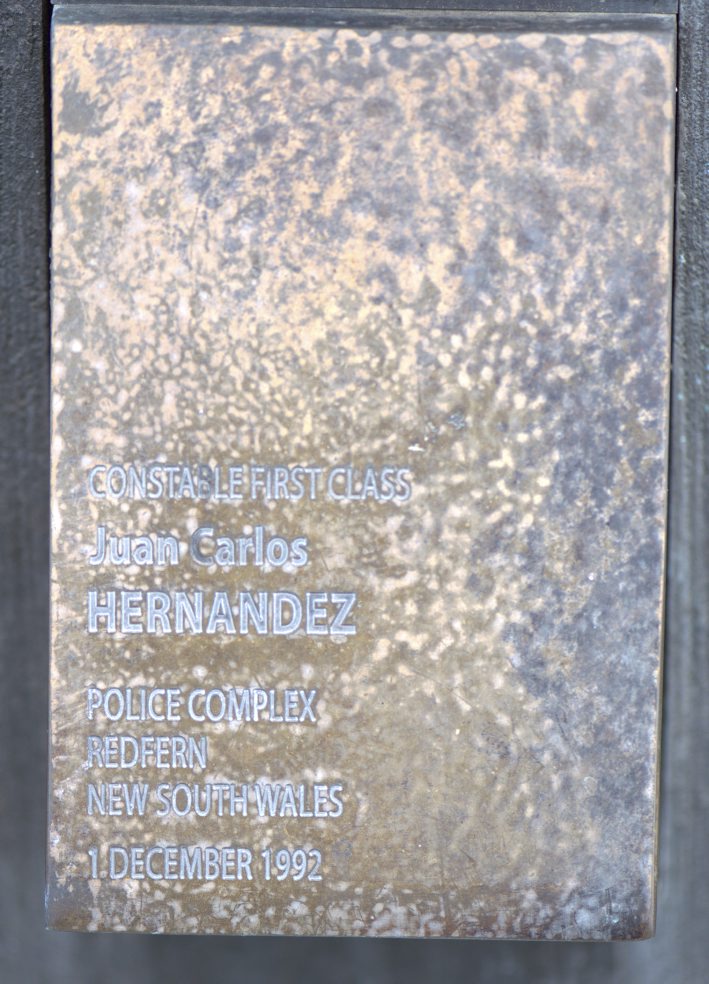
Touch Plate at the National Police Wall of Remembrance, Canberra - HERNANDEZ
Touch Plate at the National Police Wall of Remembrance, Canberra

Kelvin Harband‎NSW Fallen Police New Member · 13 hrs · Juan Hernandez was accidentally shot in the chest while doing firearms training as an Instructor at the Redfern Police Academy on 1 December 1992. Emergency surgery was unable to save his life and he passed on that same day. Juan and I went through the Academy together in 1987 and he will always be remembered and a great bloke whose life was cut way to short by the tragic accident. Juan is in the middle squatting down in this photo which was taken on the day of our attestation.
Photo credit: Kelvin Harband‎   NSW Fallen Police New Member ·    Juan Hernandez was accidentally shot in the chest while doing firearms training as an Instructor at the Redfern Police Academy on 1 December 1992. Emergency surgery was unable to save his life and he passed on that same day. Juan and I went through the Academy together in 1987 and he will always be remembered and a great bloke whose life was cut way to short by the tragic accident. Juan is in the middle squatting down in this photo which was taken on the day of our attestation ( 15 May 1987 ).


Carl is also credited with designing the TOU insignia – which was maintained in respect to his.


Canberra Times (ACT : 1926 – 1995),

Tuesday 1 December 1992, page 4

IN BRIEF

Policeman shot dead

SYDNEY: A police weapons training instructor was fatally wounded by another officer during a gun training session yesterday.

Constable Juan Carlos Hernandez, 33, an instructor with the elite State Protection Group, died in hospital several hours after being shot in the chest at the old Police Academy at Redfern.

Constable Hernandez was supervising about 15 officers at a training session when a .38 calibre police-issue revolver discharged, wounding him in the chest.

https://trove.nla.gov.au/newspaper/article/126959025


[blockquote]

Carl.

Juan Carlos Hernandez,
Carl was how I knew you,
I will never forget,
What you helped me through.

To walk into a room,
When I was very young,
My first days in the job,
To see death, just wrong.

I was only 19 years old,
In the job for a few weeks,
In morbid fascination,
What no one really seeks.

I stood in disbelief,
Waiting for him to breath,
But he did not move,
It was hard for me to believe.

As we left the room,
You stopped me for a while,
And asked if I was ok,
Then you gave me a smile.

A smile because you knew,
It was not one of joy,
To tell me it would be ok,
I was no longer just a boy.

Death I had just seen,
Even if for the first time,
With the strength you showed me,
I would be just fine.

In shock a few years later,
I heard you had been lost,
In a twisted circumstance,
Your family paid the cost.

You were loyal to the end,
That is what I heard,
You were the ultimate Man,
So to deny your last words, absurd.

You died loving what you did,
A Policeman you will always be,
Did not matter your end,
You are now free.

I can’t believe,
It’s over 20 years,
Since I sat with you,
Had a few beers.

For years you have rested,
In the ultimate peace,
Having died in the line of duty,
But your memory does not cease.

You will never be forgotten,
Not while I still stand,
I will never ever forget,
When as a 19 year old you held my hand.

Thank you
Brother in Blue.

Died in the line of duty
1st December 1992.

[/blockquote]

Penned by Brendo Greysie ( 2014 )


Police Attestation Ceremony

Speakers Cusack The Hon Catherine; Gallacher The Hon Michael
Business Questions Without Notice, QWN
POLICE ATTESTATION CEREMONY
Page: 22733

The Hon. CATHERINE CUSACK: My question is addressed to the Minister for Police and Emergency Services. Will the Minister inform the House about the newest recruits to the New South Wales Police Force?

The Hon. MICHAEL GALLACHER: I thank the honourable member for her question. Last Friday, 23 August 2013, it was my great pleasure to attend the attestation ceremony for class 319 at the Goulburn Police Academy. I assure members that the calibre of probationary constables coming through the doors of the academy to pursue challenging and rewarding careers as police officers in this State remains very high indeed. They passed the stringent physical and academic tests, and have demonstrated the commitment and character befitting their new role. These qualities were no more visible than when the commissioner’s valour award was presented to Senior Constable Justin Knight on the parade ground last Friday. The award was conferred for conspicuous merit and exceptional bravery when an offender armed with a sawn-off rifle fired at Senior Constable Knight with intent to murder on 20 January 2007 at Eveleigh Street, Redfern—the Block.

In the course of pursuing a suspect, Constable Knight alighted from his vehicle and pursued an offender on foot, calling for him to stop. The offender produced a sawn-off rifle and, despite the risk, Constable Knight continued to follow him. The offender fired a number of shots at Constable Knight, narrowly missing him. The constable felt one of the projectiles go past his arm and thought that he had been shot. Being aware of the sensitivity of the local community towards police and despite the escalated danger, Constable Knight did not respond by firing his service firearm. The offender fled the scene, but was later identified and charged with attempted murder of a police officer. The offender was subsequently convicted.

I ask members to reflect on those circumstances and whether we would have acted with the same level of commitment, bravery and judgement as Constable Knight on that occasion. Too often the community reacts to instances where police officers have been accused of wrongdoing, but the events of that night in 2007 remind us of the challenges and risks faced by officers of the NSW Police Force, in this case potentially quite deadly. I am confident that Senior Constable Knight’s example will flow through to the 161 probationary constables who attested and have joined a force with record authorised strength in this State.

A number of the new police officers deserve special mention. The winner of the Robert Brotherson award for the highest level of academic achievement was Probationary Constable Natalie Martin. The winners of the Steven Roser memorial award for the highest male and female achievers in physical training were Probationary Constable Mitchell Thompson and Probationary Constable Guilhermina El-Mir. The Juan Carlos Hernandez award, given to the student with the highest marksmanship score, went to probationary constables David Edwards, Anton Sahyoun and Shanahan Toering—all three tied for that award. Probationary Constable Toering also received the award for the highest achiever in the Simulated Policing Acquiring Competence program.

One of the many proud parents at the attestation was Detective Superintendent Arthur Katsogiannis, whose son Daniel is now a probationary constable and commences his career at City Central Local Area Command. It was terrific to see 23 members of the attestation of class 319 identified as Aboriginal and Torres Strait Islanders, of which 16 were graduates of the Indigenous Police Recruiting Our Way [IPROWD] program that I have spoken about in this forum. Congratulations to them. I had the pleasure of witnessing the graduation of 13 dog teams from the State Protection Group Dog Unit. Some were general purpose dogs and others, obviously, were sniffer dogs. That is good news for Byron Bay and its former mayor, the Hon. Jan Barham. The attestation parades provide an opportunity— [Time expired.]

The Hon. CATHERINE CUSACK: I ask a supplementary question. Will the Minister elucidate his answer?

The Hon. MICHAEL GALLACHER: I pay respect to the following five officers who retired from the NSW Police Force, taking with them collectively 190-plus years: Superintendent Ben Feszczuk, Detective Superintendent Col Dyson, APM, Superintendent Ray Filewood, Detective Inspector Dennis Clarke, APM, and Inspector Leslie Dickens. All five officers led the parade on Friday. It was an incredibly proud moment for them, their families and the communities they have represented in just short of 200 years of policing. As I said to the graduating class, “If you want to look for role models, look at these five as a classic example of what you can give back to a community that will give you so much more.”


https://www.parliament.nsw.gov.au/prod/parlment/hansart.nsf/V3Key/LC20130827015


NSW Police Force Newly Attested Officers

Speakers Cusack The Hon Catherine; Gallacher The Hon Michael
Business Questions Without Notice, QWN
NSW POLICE FORCE NEWLY ATTESTED OFFICERS
Page: 20006

The Hon. CATHERINE CUSACK: My question is addressed to the Minister for Police and Emergency Services. Will the Minister inform the House about the newest recruits to the NSW Police Force? The Hon. MICHAEL GALLACHER: On 3 May it was a great pleasure to attend the attestation ceremony for class 318 at the Goulburn Police Academy, and I can assure the House that the calibre of probationary constables coming through the academy to pursue a challenging and rewarding career as a New South Wales police officer remains high. All attesting officers have made it through physical and academic tests, and, most importantly, they have demonstrated the commitment and character of people prepared to ensure the safety and security of the community they will serve. The 202 probationary constables who attested have joined a police force now boasting a record authorised strength of 16,176. As members opposite know full well, we have been increasing the authorised strength of the NSW Police Force since we took office. After the further increase this month of 80 positions from the May class, we have boosted the authorised strength by 370, and we are on our way to increasing the force by a total of 859 positions, to a record authorised strength of 16,665 officers in August 2015. This month 50 additional positions were added to the Police Transport Command, bringing its authorised strength to 401. We have also added 30 positions to the authorised strength of the Traffic and Highway Patrol Command, bringing it to 1,295. That makes an increase of 50 new authorised positions to this command, and that is halfway to our commitment to increase the strength of the command by 100. While another 202 probationary constables have been drawn to this career, I am equally pleased with how many officers stay in this exciting and rewarding profession. Indeed, there is such demand for a career in policing that the NSW Police Force has implemented a freeze on new applications. Members opposite have mischievously tried to claim that this is a sign of cuts to the Police Force. That is as far from the truth as members opposite could possibly get. Thanks to the Government making the necessary reforms to the Death and Disability Scheme set up by members opposite and restoring the confidence of serving police officers by ensuring that they will have the back-up they need, I am advised that attrition within the Police Force is currently averaging about 40 officers a month, down from the average of 70 under the previous administration. Therefore, it stands to reason that if fewer officers are leaving the force, fewer replacements are needed. Under Labor, the NSW Police Force was faced with more than 800 officers on long-term sick leave and officers leaving the force at such a rate that police could not recruit fast enough to plug the holes. Placing a temporary freeze on new applications will ensure that potential applicants do not need to spend application fees, which easily total $500, including on such items as medical certificates, when there is a substantial wait before their application can be considered. We are getting on with the job of ensuring that the NSW Police Force is better resourced, better equipped and better supported than ever before. Members opposite are peddling misinformation and seeking to undermine the community’s confidence in a police force experiencing record numbers. A number of the new police officers deserve special mention. The winner of the Robert Brotherson Award for the highest level of academic achievement was Probationary Constable Thomas Stillwell. The winners of the Steven Roser Memorial Award for the highest male and female achievers in physical training were Probationary Constable Adam Splithof and Probationary Constable Caitlin Billingham. The Juan Carlos Hernandez Award, given to the student with the highest marksmanship score, went to Probationary Constable Matthew Skellern. [Time expired.]

The Hon. CATHERINE CUSACK: I ask a supplementary question. Will the Minister elucidate his answer?

The Hon. MICHAEL GALLACHER: I am sure that all members would like to hear about these outstanding young probationary constables, including Probationary Constable Nathan Dechaufepie, who was the recipient of the Simulated Policing Acquiring Confidence Award. These officers can be proud of their achievements. Their families can be proud of them and, most importantly, their communities are proud of them. I am sure that the House will join me in wishing our newest police officers all the very best for their careers in the NSW Police Force.


Speakers MacDonald Mr Scot; Gallacher The Hon Michael
Business Questions Without Notice, QWN
POLICE GRADUATIONS
Page: 416

The Hon. SCOT MacDONALD: My question is addressed to the Minister for Police and Emergency Services. Will the Minister inform the House of the results of the latest police attestation?

The Hon. MICHAEL GALLACHER: I apologise to the House for my inability to be here last Friday. I had a very important role to fulfil as the Minister for Police and Emergency Services at the graduation of class 312 at the Police Academy in Goulburn. It was my first in my new role as Minister for Police and Emergency Services. One of the first things I had an opportunity to announce down there was clarification of the uncertainty that exists around the name of the organisation.

The Hon. Duncan Gay: It was well received.

The Hon. MICHAEL GALLACHER: It was well received. It will now return to its former name of the New South Wales Police Academy, not the police college. That announcement was very well received by the sworn officers. The attestation certainly brought back memories of when I was in a similar position, standing on the parade ground at Redfern more than 30 years ago. Whilst a lot of things have changed in policing, a lot of things have not. Obviously the equipment, the cars and the uniform have changed, but certainly one thing that has not changed is the high calibre of probationary constables coming through the academy. They are required to pass through a tough course, both physically and academically, to prove they can cut the mustard as officers in the New South Wales Police Force. Who knows, even Eric Roozendaal might apply to join the New South Wales Police Force—although he may not pass the integrity test.

They are men and women who are prepared to do their best for the people of this State and who will undertake this job on a daily basis, often in the most difficult of circumstances. The 111 probationary constables who attested at the ceremony have joined more than 15,000 officers in the Police Force. They come from all walks of life. Over 22 per cent of those who attested are women. Forty per cent come from outside metropolitan Sydney. Sixteen were born overseas, in countries such as Russia, Germany, Malaysia, China and even Botswana. They speak Arabic, Greek, Cantonese, Armenian, Dari, and Khmer. They will be posted to 59 local area commands across the State, from Albury in the south, to Richmond in the north, from Barrier in the west to the heart of Sydney. Forty-four of the officers have been assigned to non-metropolitan or rural regions.

Irrespective of where they have been posted they are on the front line. They stand between the community and the dangers of crime and other antisocial behaviour. A number of these new police officers deserve special mention. Firstly, the winner of the Robert Brotherson Award for the highest level of academic achievement was Probationary Constable Stephanie Hill. The winners of the Steven Roser Memorial Award for the highest male and female achievers in physical training were Probationary Constable John Feuerstein and Probationary Constable Sandra Chaban. The Juan Carlos Hernandez Award, given to the student with the highest marksmanship score, was Probationary Constable James Patrick. Probationary Constable Jessica Agland was the recipient of the Simulated Policing Acquiring Confidence Award.

I met some of the officers on Friday and I can confidently say that the New South Wales Police Force has a strong future. These officers can be proud of their achievements. Their family and friends can be proud of them for all the hard work they have put in to get there. The people of New South Wales can be proud of these people for choosing a selfless profession, dedicating their working lives to ensuring the safety and protection of the community. I am sure all members of the House will join me in wishing our newest police officers all the very best for their careers in the New South Wales Police Force.

https://www.parliament.nsw.gov.au/Prod/parlment/hansart.nsf/V3Key/LC20110509023?open&refNavID=HA8_1


Peter TICKLE

Peter TICKLE

aka  Ticko

NSW Police Force

Regd. #  ?

Rank:  Senior Constable

Stations:  Tactical Response Group

Awards?

Service:  From  26 June 1978  to  17 December 1990 = 12+ years Service

Born:  1954

Died:  17 December 1990

Age3536

Cause:  Illness – Suicide – firearm

Location of event?

Funeral date?

Funeral location?

Grave location?


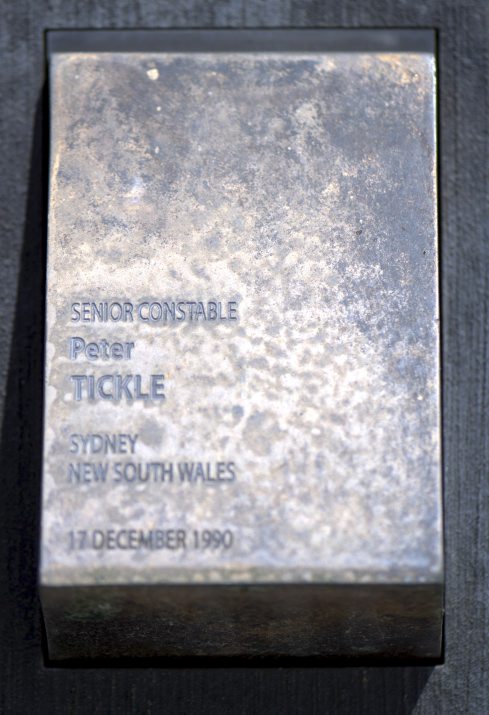
CANBERRA - NATIONAL POLICE WALL OF REMEMBRANCE TOUCH PLATE. NSWPF SUICIDE THAT " IS " MENTIONED ON THE POLICE WALL OF REMEMBRANCE.
CANBERRA – NATIONAL POLICE WALL OF REMEMBRANCE TOUCH PLATE.
NSWPF SUICIDE THAT ” IS ” MENTIONED ON THE POLICE WALL OF REMEMBRANCE.

[alert_green]Peter IS mentioned on the Police Wall of Remembrance[/alert_green]


Constable Tickle was a member of the Police Tactical Response Group and following a barrage of ill-informed and inaccurate media attacks on the squad he tragically took his own life on 17 December, 1990.


The constable was born in 1954 and joined the New South Wales Police Force on 26 June, 1978. At the time of his death he was attached to the Tactical Response Group.


Full name is ‘possibly‘ Peter WAYNE Tickle.


There are many on this site that served with SenCon Peter Tickle in the TRG. Peter was an excellent copper who was totally dedicated to the job and his workmates. I can’t even begin to count the number of times he went through doors with a shotgun in his hands or was involved in riots at Bathurst, our States Gaols etc. He was one of the bravest coppers I ever worked with and you could always count on him having your back no matter what the odds. It was because of this dedication to his mates that drove him to suicide. TRG were under heavy pressure from Pollies, The Bosses and the Media after the Darren Brennan shooting. Peter was asked to attend a school to show the kids some Police equipment. ONE parent complained to the Media that he had allowed ‘innocent’ little children to play with a fully loaded shotgun (the shotgun was innocuous and unloaded) but the Media had a field day. Peter came under extreme pressure from management and felt that he had brought more pressure on the Group and had seriously let his workmates down. He believed that because of this TRG would be disbanded. His dedication to his mates and the Group was overwhelming and he took his own life. Does the act of doing this wipe out all the brave and excellent work he did as a copper ? Does his service and dedication deserve to be commemorated ? I believe it does.

Friday  21 August 2015 – Barry Lewis


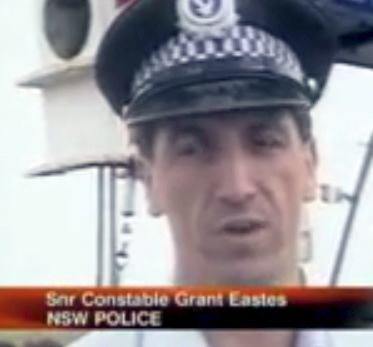
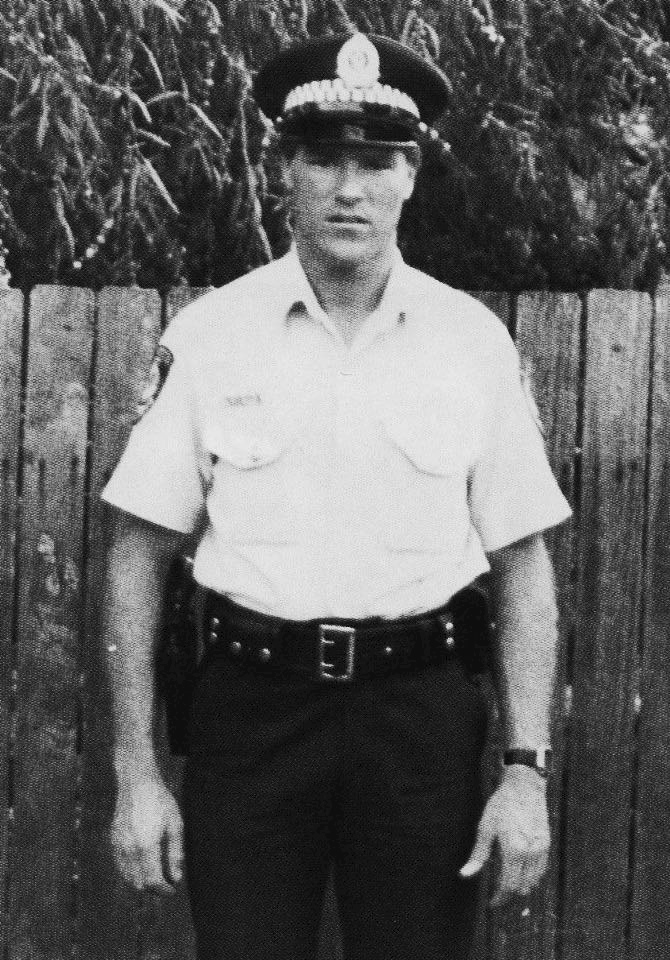
Grant Charles EASTES

Grant Charles EASTES

New South Wales Police Force

Regd. #  18467

Joined via NSW Police Cadets on 4 July 1977

Cadet # 3345

Class 161 of 1978

Rank:  NSW Police Cadet – started 4 July 1977

Probationary Constable – appointed 9 February 1979

Senior Constable – appointed 9 February 1988

Stations:  Manly ( 1978 ), Narrabri HWP, Lismore District Accident Investigation Squad

ServiceFrom  4 July 1977  to  13 January 1990 = 12+ years Service

Awards:  No find on It’s An Honour

Born:  Tuesday  9 February 1960

Died:  Saturday  13 January 1990

Age:  29 yrs 11 mths 4 days

Cause:  Illness – Suicide – overdose – P.T.S.D.

at Fortitude Valley, Brisbane, Qld


Funeral  date: ?

Funeral location:


Buried at: Casino Lawn Cemetery

Memorial location:

Grant IS mentioned on the Police Wall of Remembrance


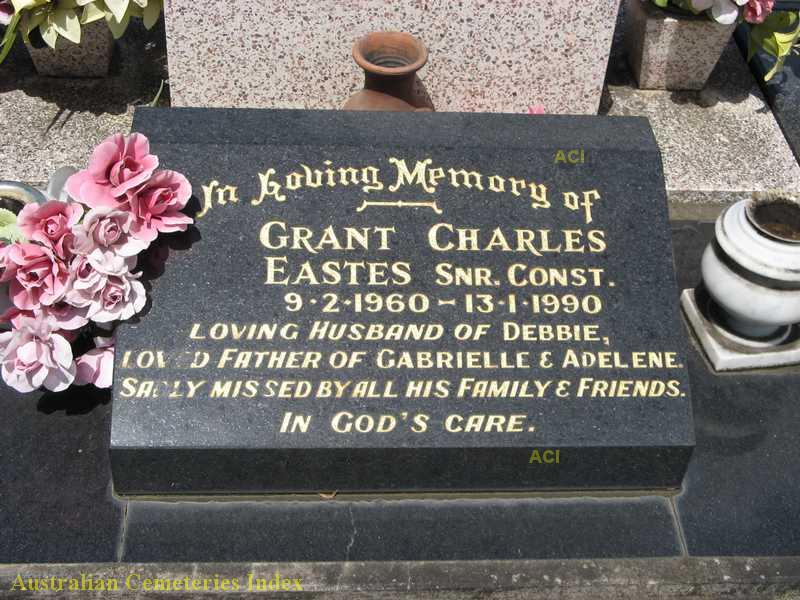
Senior Constable Grant Charles EASTES - Grave. Casino Lawn Cemetery, NSW.
Senior Constable Grant Charles EASTES – Grave.
Casino Lawn Cemetery, NSW.


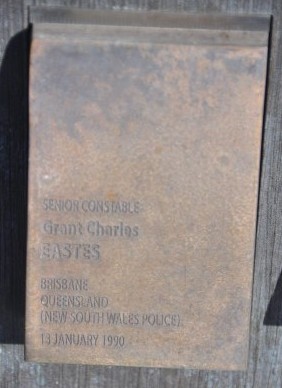
Senior Constable Grant Charles EASTES touch plate at the National Police Wall of Remembrance, Canberra.

On 13 January, 1990 Senior Constable Eastes took his own life in a Brisbane Motel. On 20 October, 1989 he had been one of the first police to arrive on the scene of the horrific bus crash upon the Pacific Hwy, Cowper, ( commonly referred to as the Grafton bus crash ) in which twenty one people died and twenty two more were injured. At the time it was the worst road accident in Australia’s history. Following the accident the senior constable reported off duty on sick report, suffering from Acute Post Traumatic Shock Syndrome.

The constable was born in 1960 and joined the New South Wales Police Force as a Cadet on the 4 July, 1977. At the time of his death he was attached to the Lismore District Accident Investigation Squad.


From the book, Picking up the pieces by Don Woodland, Simon Bouda:  page 159

[blockquote]It was during that time that I had a lengthy conversation with a highway patrol officer, Grant Eastes.  I could sense that this man was in quite a bad way, finding it hard to cope.  It was just his attitude, what he was saying, how he expressed how he was feeling.  As we talked he brought up all these other incidents on the highway that he’d attended in recent months.  I was so concerned that I mentioned the conversation to some senior police officers and later, Major Errol Woodbury, who was one of the State’s senior police chaplains at the time.[/blockquote]


From the book, Picking up the pieces by Don Woodland, Simon Bouda:  page 164

[blockquote]

A postscript to the Grafton tragedy.  Three months after the accident, 29 year old Senior Constable Grant Eastes, the officer I was so concerned about on the night of the tragedy, was found dead in a motel room in the Brisbane suburb of Fortitude Valley.  He’d taken an overdose of pills.

Grant’s father Ken told journalists his son’s life had been destroyed by the sight of the dead and injured at the Grafton bus crash scene.

I’m afraid to say his suicide didn’t surprise me.  Here was a crash investigation officer who had witnessed a real slathering of fatal accidents up and down that highway.  The bus crash was the catalyst for his suicide. It was just too much.

[/blockquote]

http://books.google.com.au/books?id=PhJj1DhGp_QC&pg=PA164&lpg=PA164&dq=senior+constable+grant+eastes&source=bl&ots=CC_3-fhxn-&sig=ZMIjSgfrs8ypwFb6oMkw62eCaz4&hl=en&sa=X&ei=LOHTUsrcEIXTkQX324DADQ&ved=0CDgQ6AEwAw#v=onepage&q=senior%20constable%20grant%20eastes&f=false


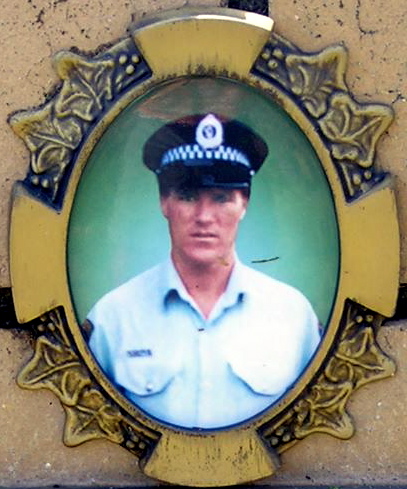
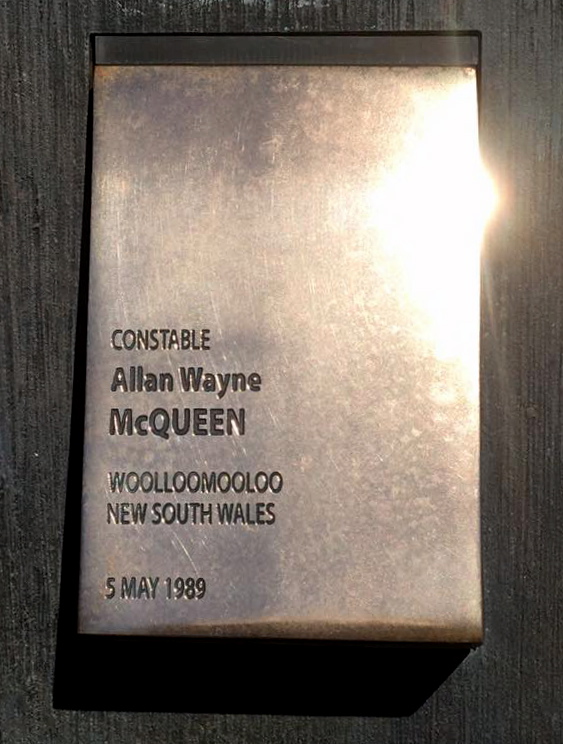
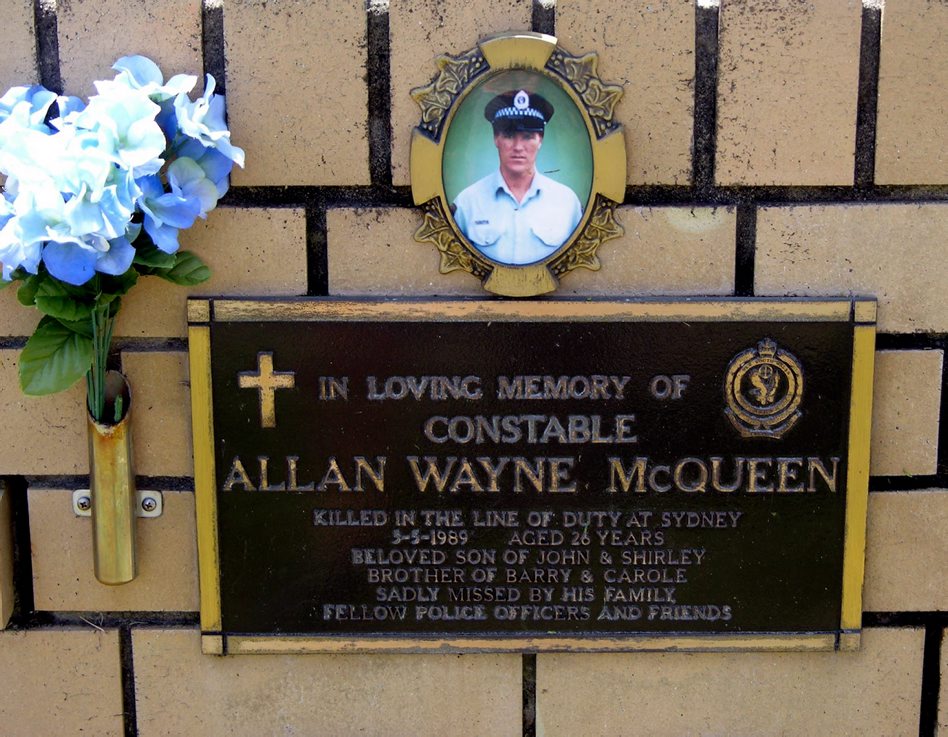
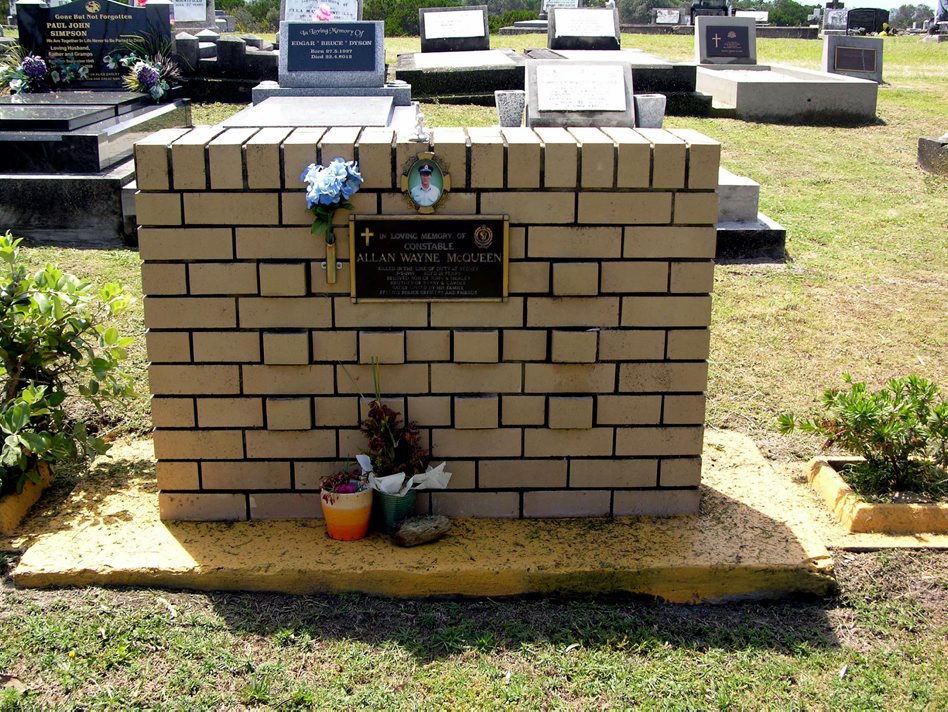
Allan Wayne McQUEEN

Allan Wayne McQUEEN SC, VA

New South Wales Police

possibly” Related to W.D. McQUEEN, NSWPF  23497

D.R. McQUEEN, NSWPF 24119


Goulburn Police Academy Class 227

Probationary # 98444

Regd. #  23847   


Rank:   Commenced Training at Goulburn Police Academy on Monday 1 April 1987 ( aged 24 years, 10 months, 0 days )

Probationary Constable – appointed 26 June 1987 ( aged25 years, 0 months, 25 days )

Constable – appointed


Stations:  Sydney District Anti Theft Squad – Death


Service:   From pre 26 June 1987  to  5 May 1989 = 2 years, 1 month, 4 days Service

Age at Leaving NSWPF:  26 years, 11 months, 4 days

Time in Retirement:  0


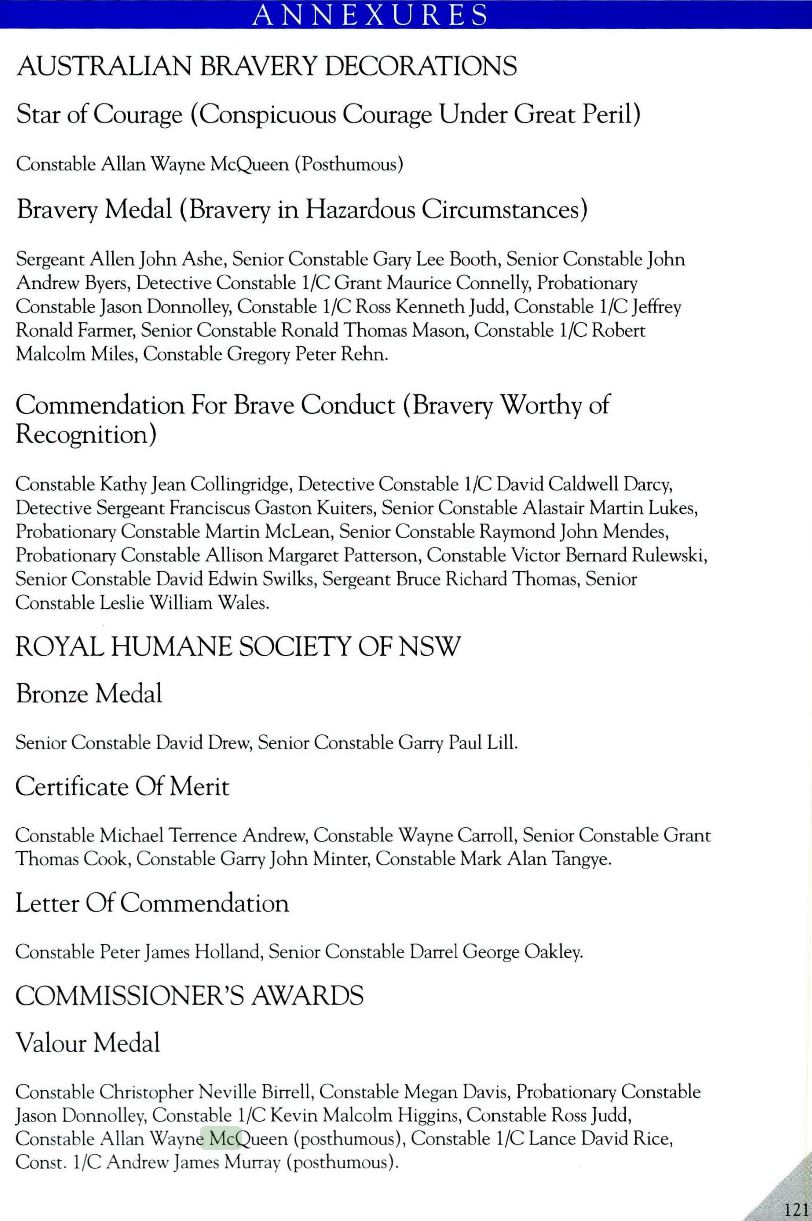
Awards:  Star of Courage ( SC ) ( Posthumously )

Commissioners Valour Award ( VA ) ( Posthumously )


Born:  Friday  1 June 1962

Died On:  Friday  5 May 1989

Event:  Shot – wounded – Murdered

Event location:  Woolloomooloo, NSW

Event Date:  Monday 24 April 1989

Died:  Friday 5 May 1989 ( 9 days after event )

Cause:  Murdered – shot twice

Age:  26 yrs  11 mths  4 days


Funeral date:  Tuesday 9 May 1989

Funeral location:  St Mary’s Anglican Church


Buried at:  Cremated.  East Ballina Cemetery, McQueen Family Wall, Sec: Niche, Lot # 2

GPS: 28*51’47″S / 153*35’26″E


Memorial: 1/ Yurong Parkway, Phillip Park , Sydney, 2000

GPS:  Lat: -33.872583 / Long: 151.213778

2/ Sydney Police Centre, McQueen Room, 151 – 241 Goulburn Street, Surry Hills.

3/  Police Launch McQueen???.

Allan McQUEEN

Allan McQueen

Allan's touch plate was polished today, this 27th anniversary, 5 May 2016, by a mate, Craig Coleman, at the National Police Wall of Remembrance, Canberra.
Allan’s touch plate was polished today, this 27th anniversary, 5 May 2016, by a mate, Craig Coleman, at the National Police Wall of Remembrance, Canberra.


ALLAN IS mentioned on the Police Wall of Remembrance


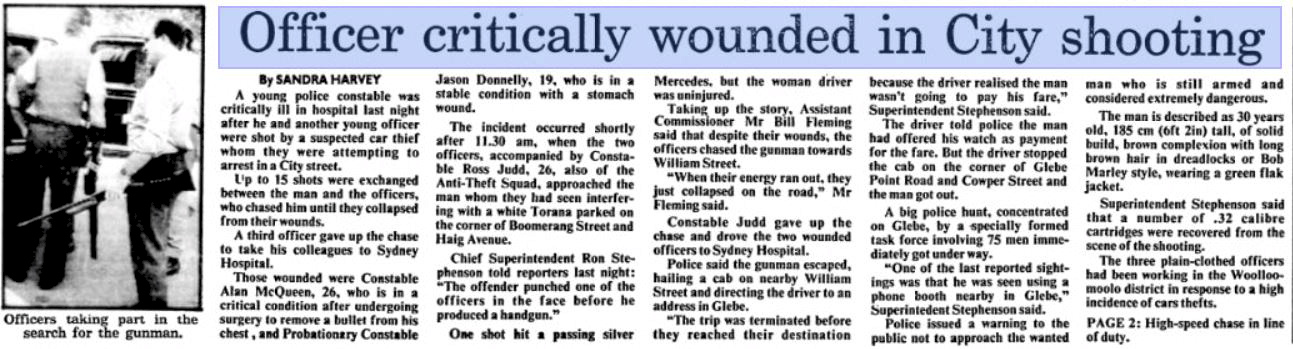
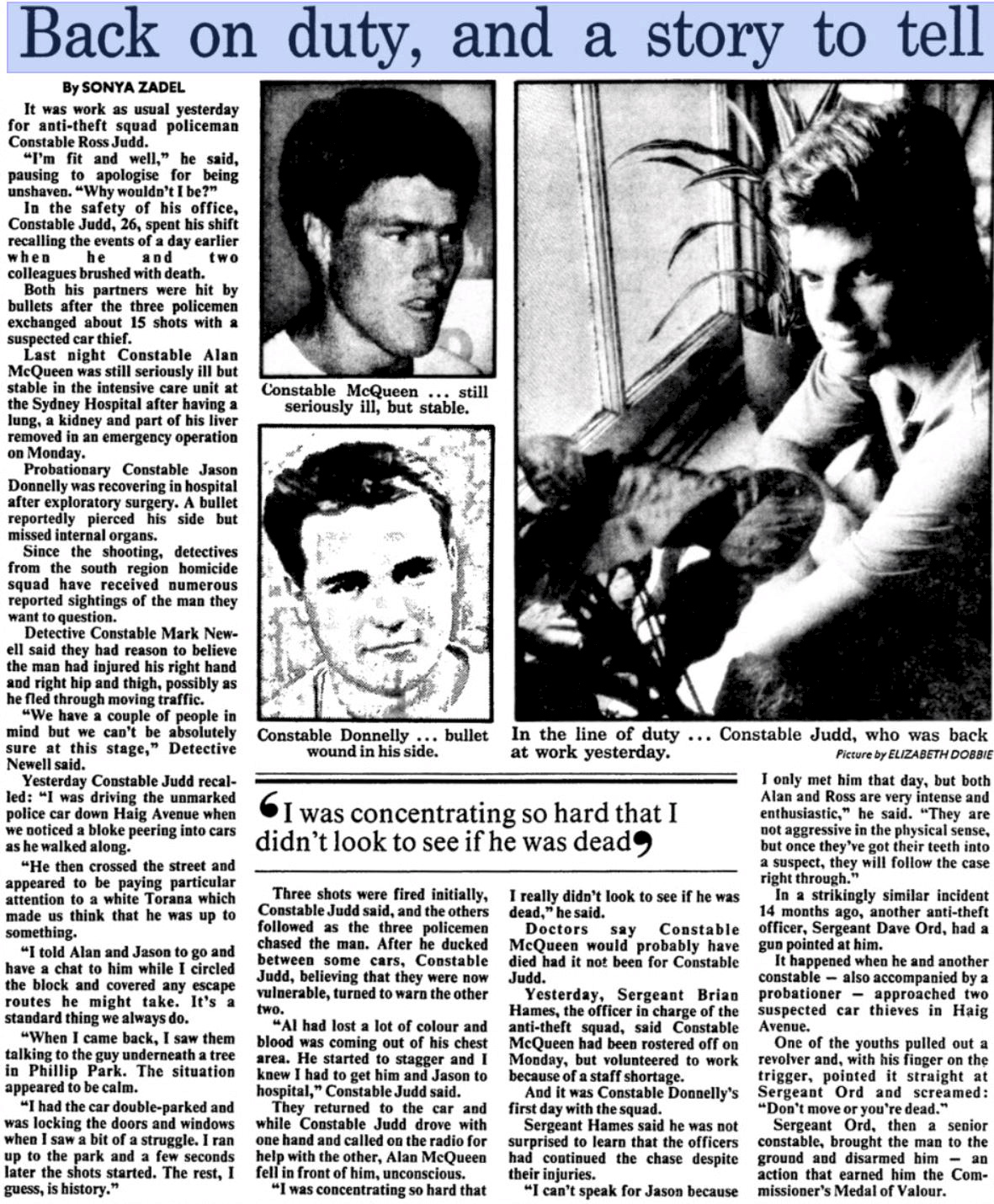
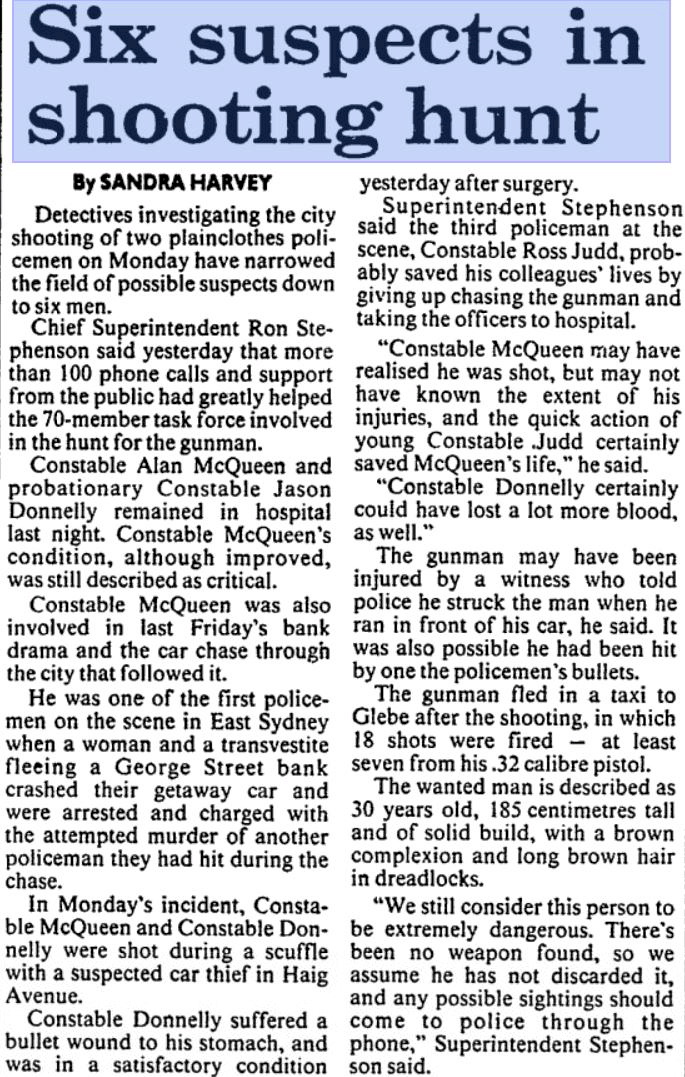
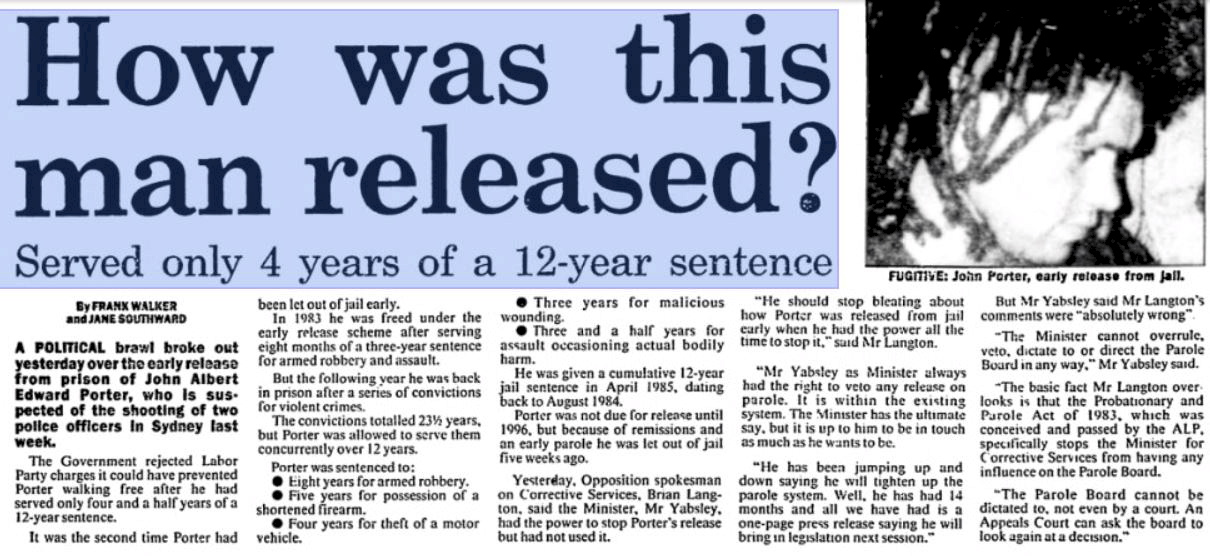
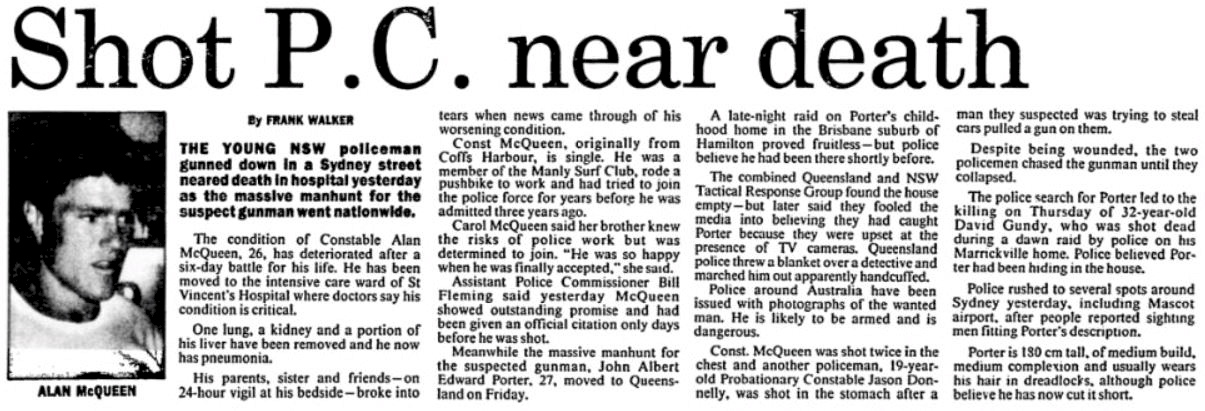
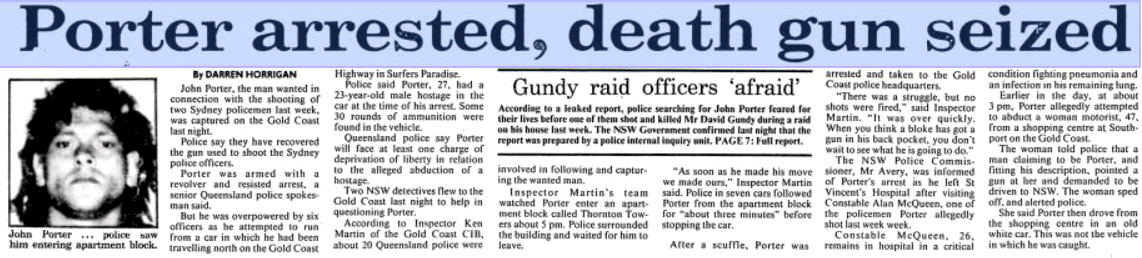
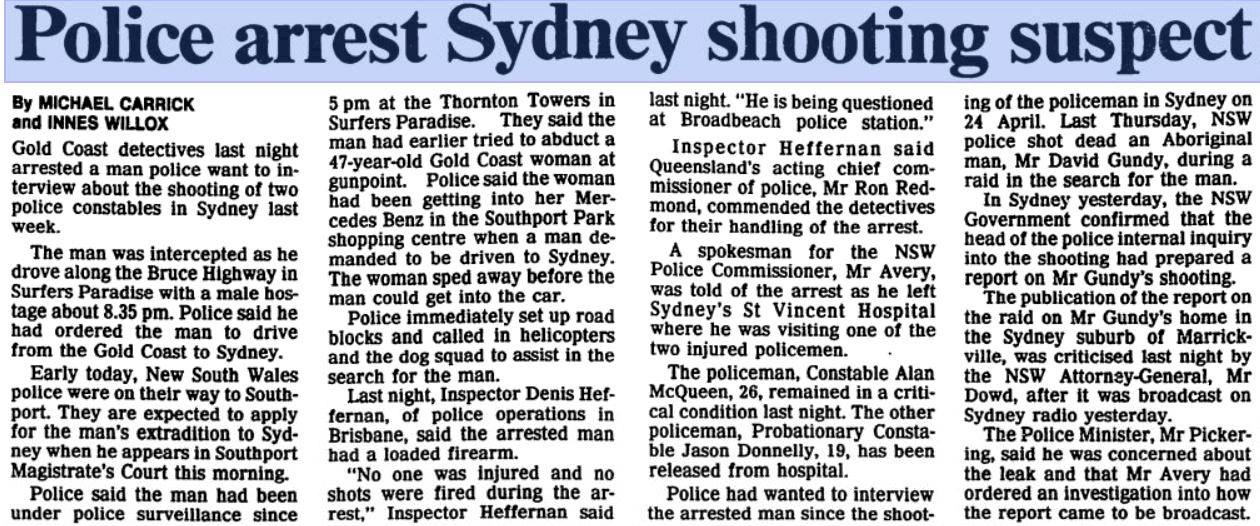
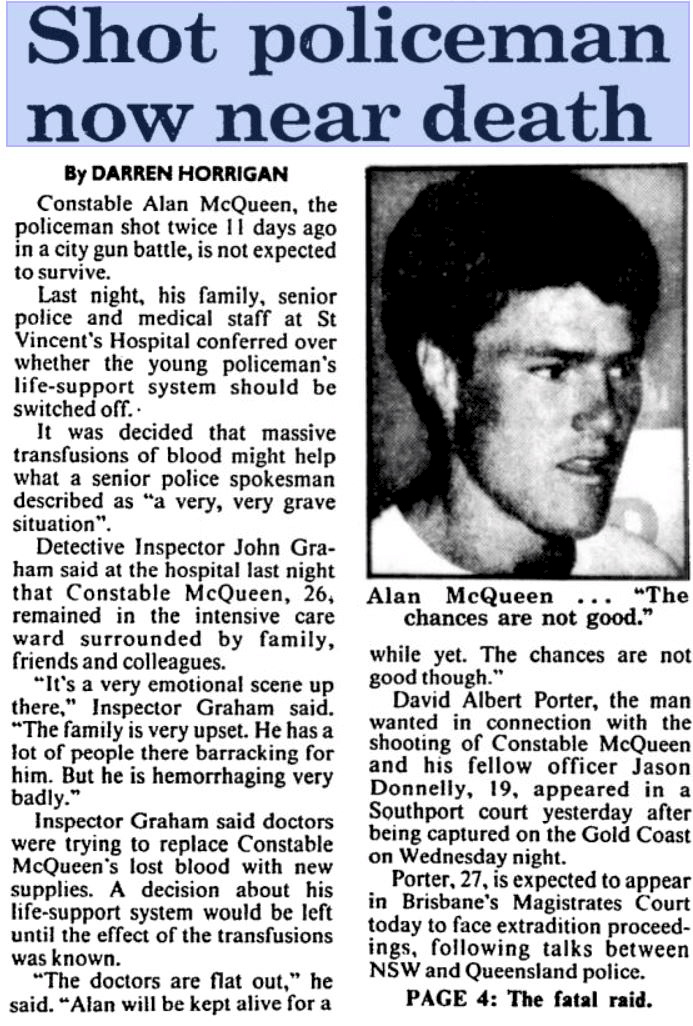
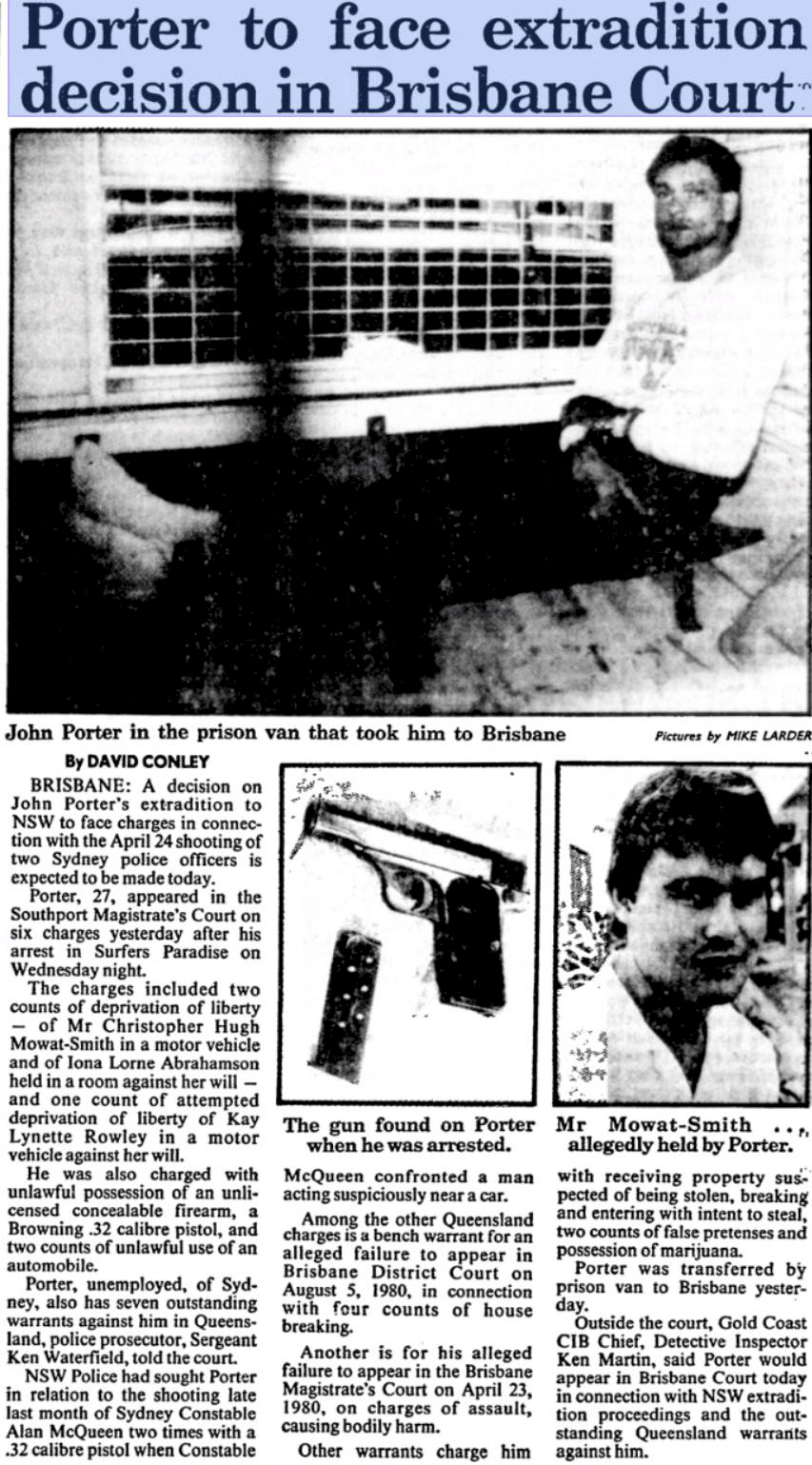
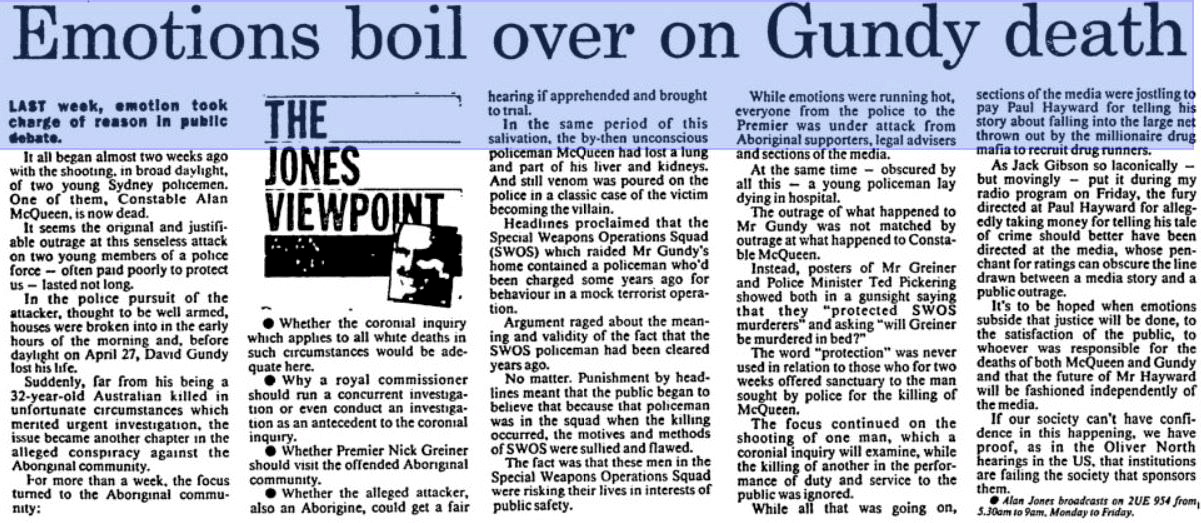
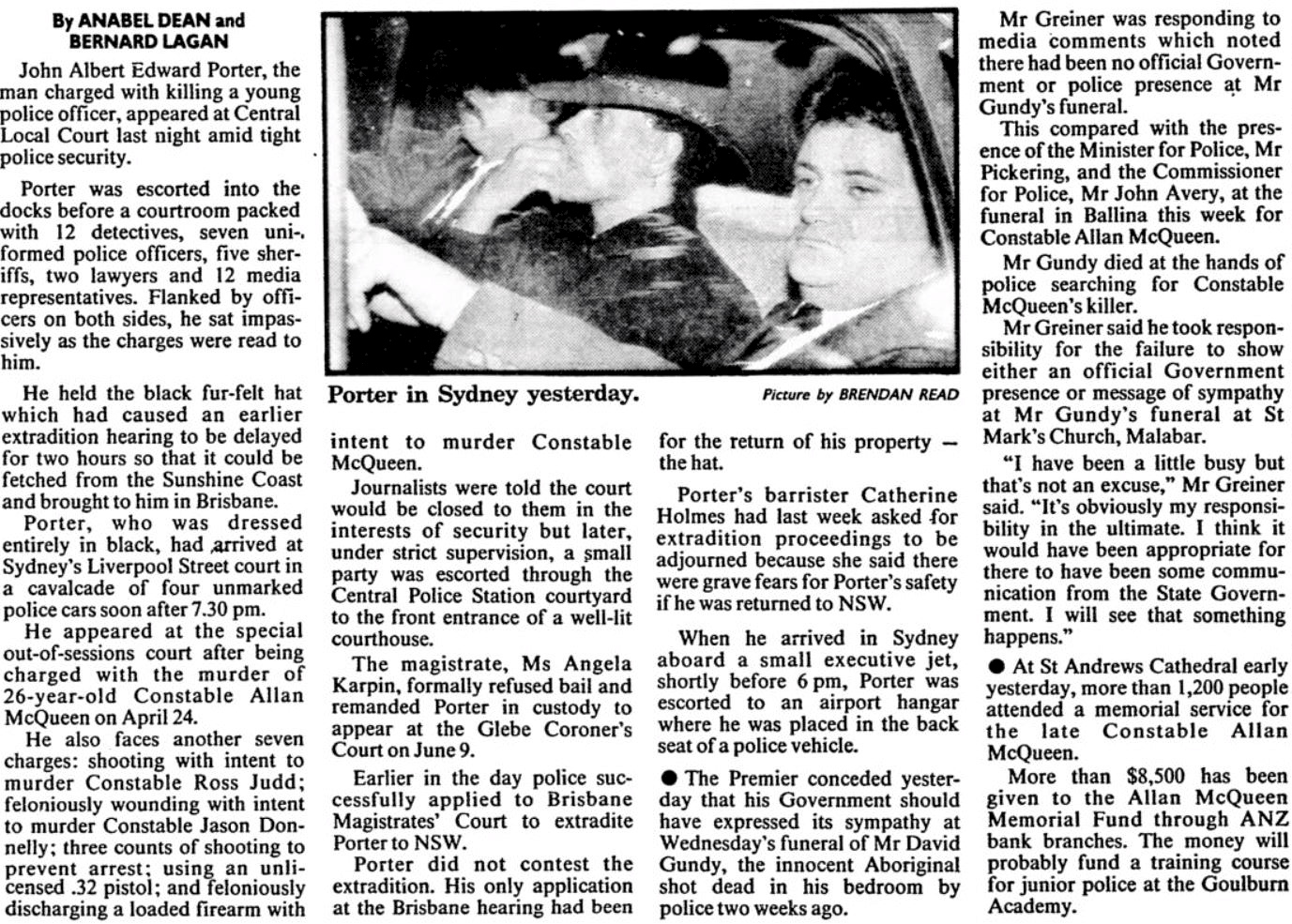
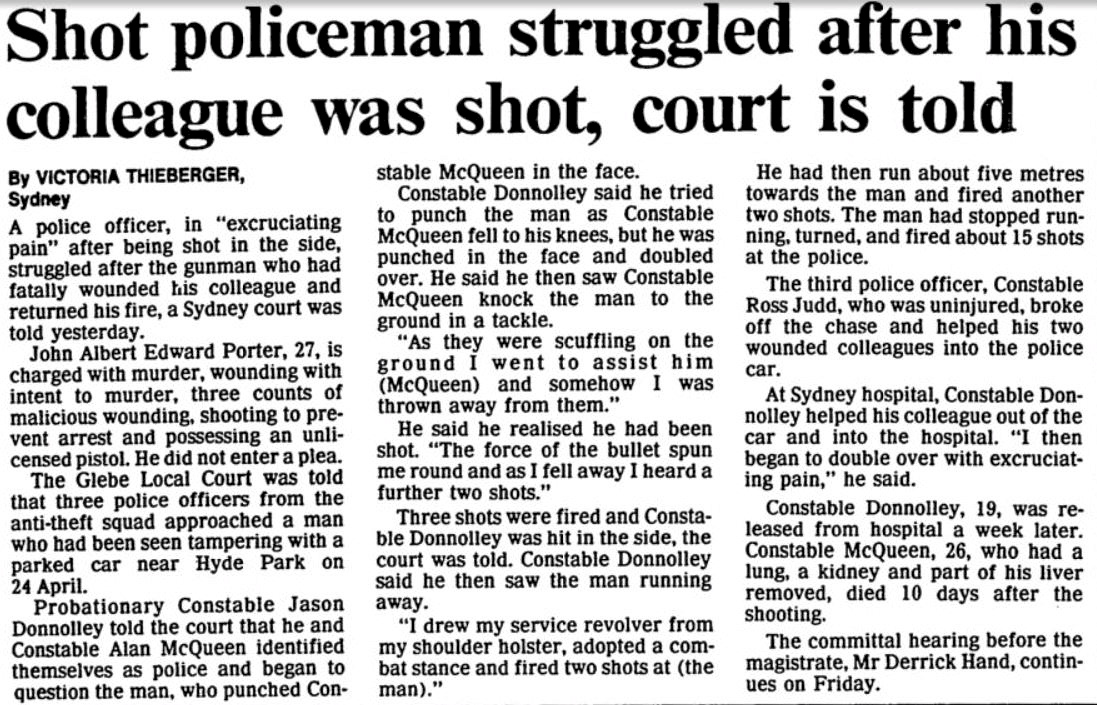
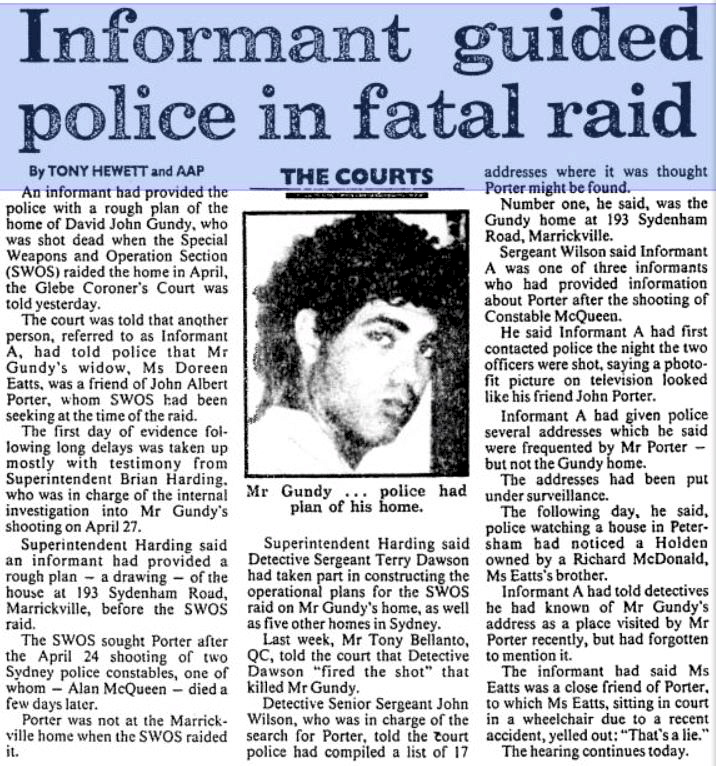
On the morning of 24 April, 1989 Constable McQueen, Constable 1st Class Ross Judd and Probationary Constable Jason Donnelly were patrolling the Woolloomooloo area. All were members of the District Anti-Theft Squad. About 11.35am they saw the offender Porter, apparently attempting to break into a motor vehicle. While Constable Judd parked the police vehicle, Constables McQueen and Donnelly went to speak to the offender. As he was being detained, the offender produced a concealed weapon and shot Constable McQueen twice in the chest and Constable Donnelly in the abdomen. Both constables then chased the offender, who continued firing at them, until both collapsed from their wounds. Constable Ross Judd also pursued and fired at the offender before returning to assist his colleagues. He then carried both wounded constables to the police car and drove them to the Sydney Hospital.

Constable Donnelly was to recover from his wounds however Constable McQueen had sustained extensive internal injuries and died on 5 May, 1989. The offender was later arrested by Queensland Police.

The Canberra Times of 12 July, 1990 reported on the result of the trial of the offender.

CONVICTION IN POLICE DEATH
SYDNEY:John Albert Edward Porter has been found guilty of the murder last year of Sydney police constable Allan McQueen. A Supreme Court jury deliberated for nearly 10 hours before finding Porter, 28, guilty of shooting the policeman on April 24 last year. Porter was remanded in custody for sentencing on August 3. The jury also found Porter guilty on one count of shooting with intent to cause grievous bodily harm and three counts of shooting to avoid arrest. He was found not guilty on a sixth charge of attempting to murder Constable Jason Donnelly.

Justice Badgery-Parker had directed the jury to find Porter not guilty on the charge of attempting to murder Constable Donnelly. Porter had pleaded not guilty to all charges.

Friends and relatives of Constable McQueen sat comforting each other in the public gallery as the verdict was returned. Constable McQueen, 26, died in St Vincent’s Hospital nine days after the April 24 shooting.

The constable was born in 1962 and joined the New South Wales Police Force on 27 June, 1987. At the time of his death he was attached to the Sydney


Allan McQUEEN


The Age 25 April 1989 p1 of 42
The Age      25 April 1989      p1 of 42


The Sydney Morning Herald 25 April 1989 p1 of 54
The Sydney Morning Herald      25 April 1989      p1 of 54


 The Sydney Morning Herald 26 April 1989 p5 of 62
The Sydney Morning Herald       26 April 1989      p5 of 62


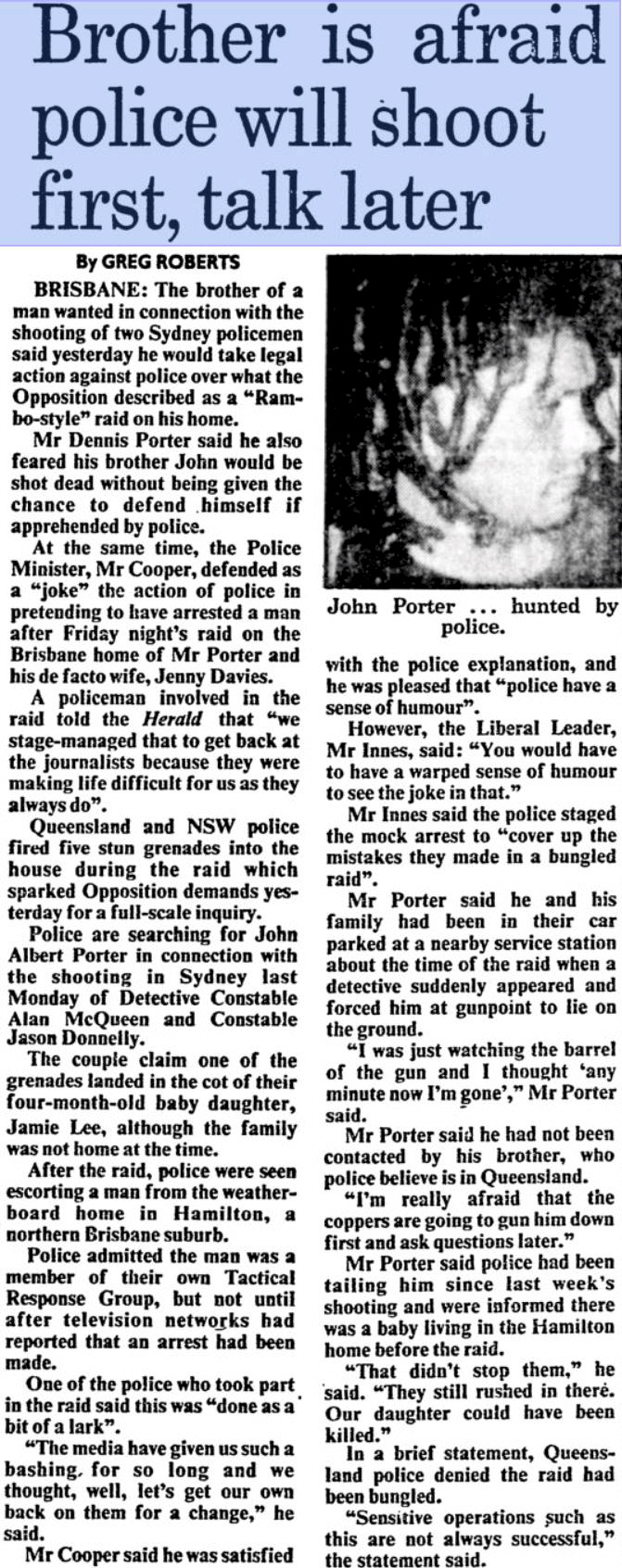
The Sydney Morning Herald 27 April 1989 p2 of 119
The Sydney Morning Herald   27 April 1989   p2 of 119


The Sydney Morning Herald 30 April 1989 p2 of 109
The Sydney Morning Herald           30 April 1989       p2 of 109

https://news.google.com/newspapers?nid=1301&dat=19890430&id=4DRWAAAAIBAJ&sjid=0ecDAAAAIBAJ&pg=4933,9248506&hl=en


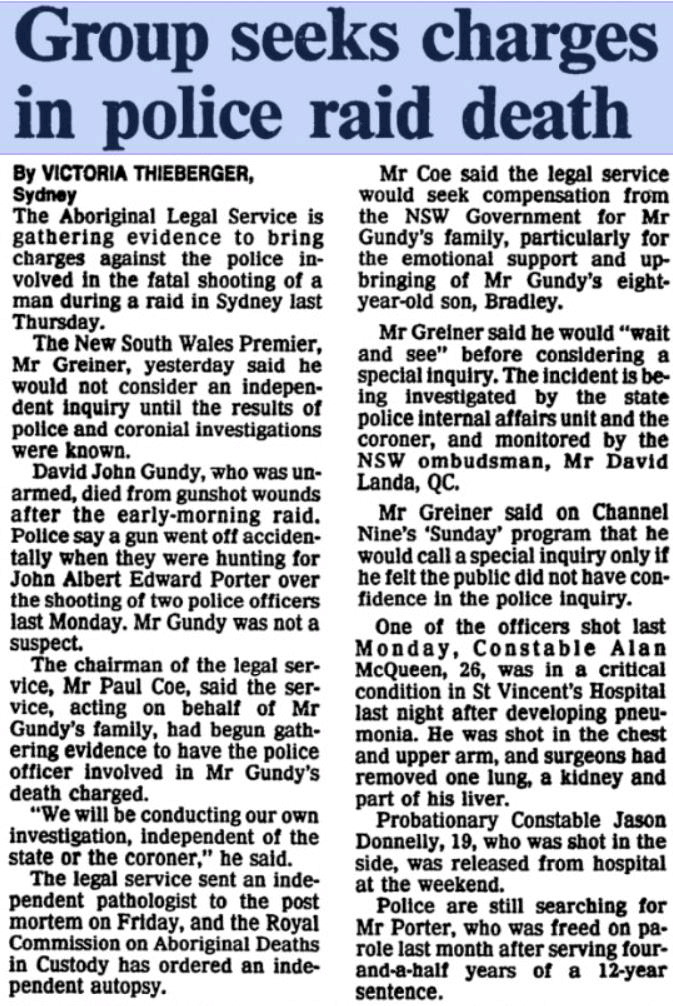
The Sydney Morning Herald 1 May 1989 p6 of 76
The Sydney Morning Herald      1 May 1989       p6 of 76


The Age 1 May 1989 p5 of 36
The Age      1 May 1989      p5 of 36


The Sydney Morning Herald 1 May 1989 p3 of 76
The Sydney Morning Herald     1 May 1989    p3 of 76


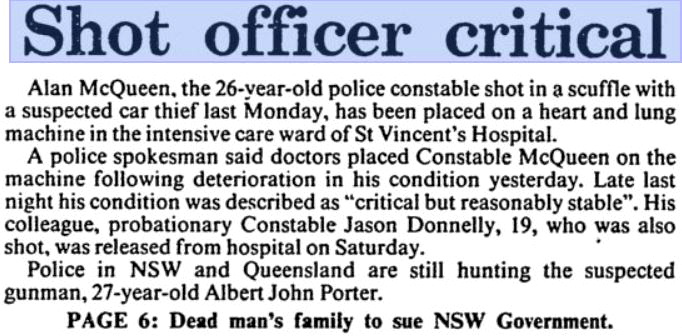
The Sydney Morning Herald 4 May 1989 p1 of 118


The Age 4 May 1989 p1 of 61
The Age       4 May 1989          p1 of 61


The Sydney Morning Herald 5 May 1989 p1 of 76
The Sydney Morning Herald     5 May 1989     p1 of 76


The Sydney Morning Herald 5 May 1989 p4 of 76
The Sydney Morning Herald      5 May 1989      p4 of 76


The Sydney Morning Herald 7 May 1989 p25 of 99
The Sydney Morning Herald     7 May 1989     p25 of 99


The Sydney Morning Herald 12 May 1989 p2 of 74                        The Sydney Morning Herald        12 May 1989     p2 of 74

https://news.google.com/newspapers?nid=1301&dat=19890512&id=rDJWAAAAIBAJ&sjid=nOcDAAAAIBAJ&pg=2205,1063653&hl=en


The Age 12 May 1989 p10 of 52
The Age            12 May 1989       p10 of 52


The Age 27 June 1989 P15 of 54
The Age               27 June 1989              P15 of 54


The Sydney Morning Herald 27 June 1989 p2 of 54


The Sydney Morning Herald 27 June 1989 p3 of 54
The Sydney Morning Herald                 27 June 1989                p3 of 54


The Sydney Morning Herald 19 July 1989 p6 of 72
The Sydney Morning Herald    19 July 1989    p6 of 72


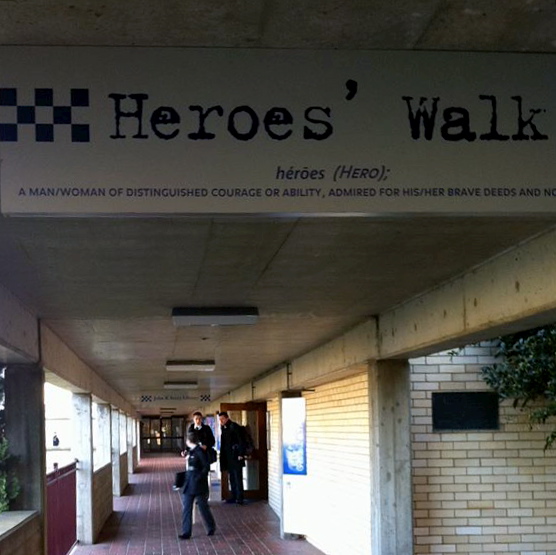
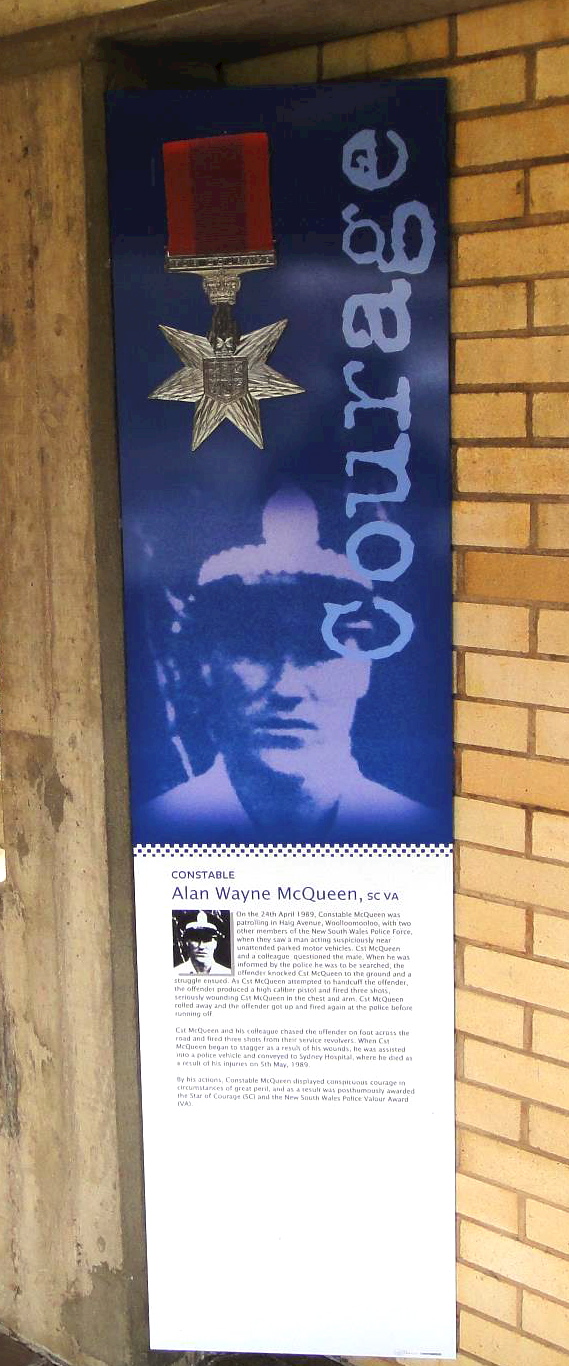
NSW Police Academy, Goulburn HERO'S WALK
NSW Police Academy, Goulburn HERO’S WALK


Date: 24 August 1989. Memorial unveiled on corner of Haig Ave & Boomerang St, sydney.


November 2013

Constable Allan Wayne McQueen

Constable Allan Wayne McQueen : November 2013
Photographs supplied by Peter F Williams

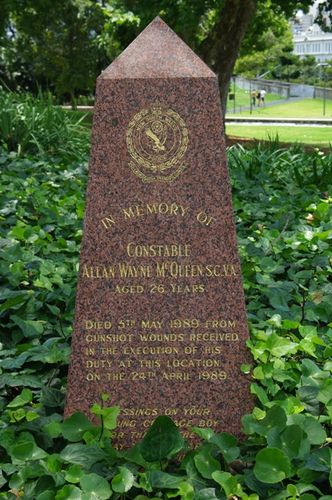
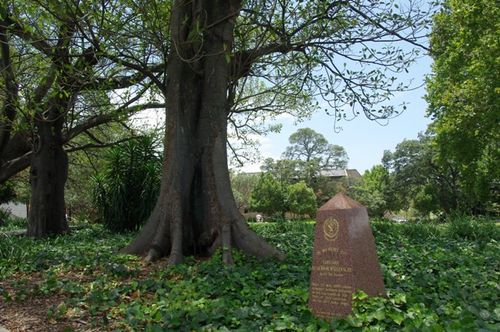
Memorial erected in memory of Constable Allan James McQueen who was shot in the line of duty and died from his injuries on the 5th May 1989.

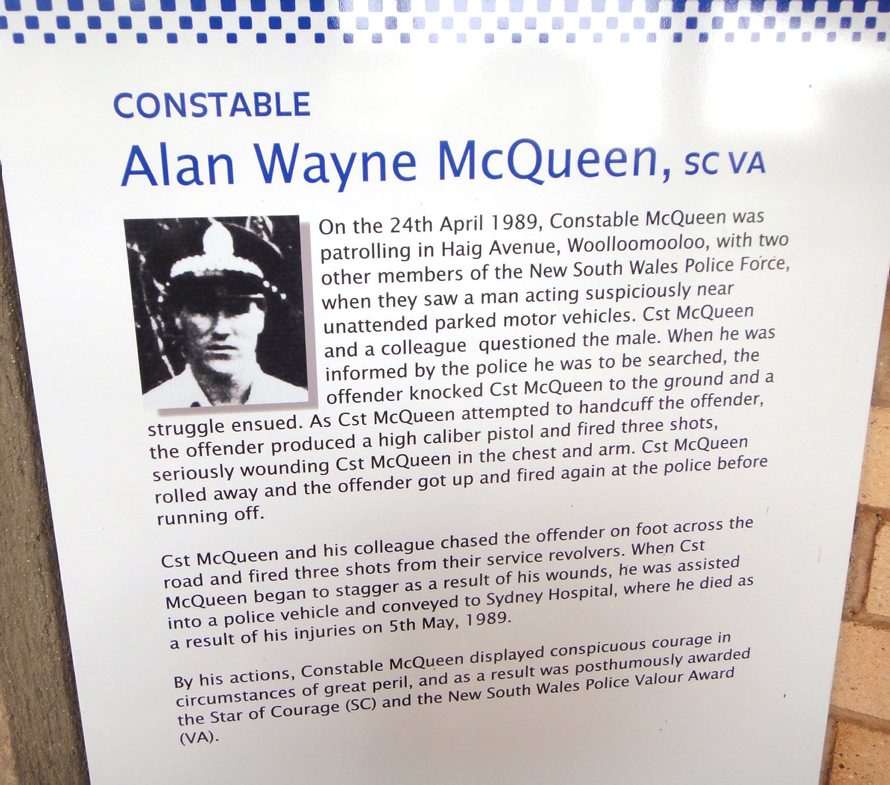
On the morning of 24 April 1989, Constable McQueen, Constable 1st Class Ross Judd (MV, BM ), and Probationary Constable Jason Donnelly (MV, BM ) were patrolling the Woolloomooloo area. All were members of the District Anti-Theft Squad. About 11.35am they saw the offender Porter apparently attempting to break into a motor vehicle. While Constable Judd parked the Police vehicle Constables McQueen and Donnelly went to speak to the offender. As he was being detained the offender produced a concealed weapon and shot Constable McQueen twice in the chest and Constable Donnelly in the abdomen. Both Constables then chased the offender who continued firing at them until both collapsed from their wounds. Constable Ross Judd also pursued and fired at the offender before returning to assist his colleagues. He then carried both wounded Constables to the Police car and drove them to the Sydney Hospital. Constable Donnelly was to recover from his wounds however Constable McQueen had sustained extensive internal injuries and died on 5 May 1989. The offender was later arrested by Queensland Police.

Front Inscription

IN MEMORY OF
CONSTABLE
ALLAN WAYNE McQUEEN S.C.,V.A.
AGED 26 YEARS

DIED 5TH MAY 1989 FROM
GUNSHOT WOUNDS RECEIVED
IN THE EXECUTION OF HIS
DUTY AT THIS LOCATION
ON THE 24TH APRIL 1989

Location

Address: Yurong Parkway, Phillip Park , Sydney, 2000
State: NSW
Area: AUS
GPS Coordinates: Lat: -33.872583
Long: 151.213778
Note: GPS Coordinates are approximate.

http://monumentaustralia.org.au/themes/people/crime/display/100949-constable-allan-wayne-mcqueen


The Sydney Morning Herald Wednesday, May 10, 1989

Moving tributes for police nice guy ‘Big Al”

By LINDSAY SIMPSON ” Chief Police Reporter As one of “Big Al’s” best mates read a moving eulogy, burly police officers, hats in hands, bowed their heads and cried. Big Al was Constable Allan Wayne McQueen, the well-mannered policeman from Kyogle who died in the line of duty, shot trying to apprehend a suspected car thief in Sydney.

Constable McQueen, who had been in the force two years, had been picked to work with the Anti-theft Squad a training ground for young officers on their way to becoming detectives. Big Al, who spent three years trying to become a police officer, was known by that name “not so much because of his height but because of his heart”, said Cheryl Coleman, whose husband had shared a house with Constable McQueen in Coffs Harbour.

As Senior Constable Steve Tedder, who gave one of the eulogies said, “Big Al had the basic love and desire to become a police officer”. In 1986, while running his own cleaning business in Coffs Harbour, he built his own house and several local police officers became his flatmates. At that stage he had five jobs and was studying at night for his HSC English in an attempt to become a police officer. About this time, before he was even in the force, he saved a man’s life. The man had quarrelled with his girlfriend outside a local night club and had head-butted a pane of glass. The glass had cut his throat and Al tore his shirt off and stemmed the flow of blood while waiting for the ambulance.

Big Al. who trained as a boxer and played Rugby League, was not always the muscle builder he was at the time he joined the force. His former Rugby League coach at Kyogle High School, Mr Stan McBride, said that in the 14-year-old competition he had been the second smallest kid in the group.

Ballina townspeople also came to the funeral service. One local, Mrs Val Studdert, said she had never met Allan McQueen but had come out of respect for what he had done. “If we don’t have law and order, we have nothing,” she said.

The pallbearers wore pistols. Perhaps that’s the way it has to be these days, but they touched the pretty white wooden church in the green countryside with vulgarity. They were big, strong young men and their bulky police uniforms made them bigger, so that when they came to the narrow church door carrying their mate’s coffin, they could barely squeeze through. In any case, the coffin seemed too narrow for a young man as big as Allan McQueen.

Nearly 300 police went to his funeral in Ballina yesterday along with his mother and father, Mr John and Mrs Shirley McQueen, and 300 family and friends. They spilled out of St Mary’s Anglican Church into a church hall, where the service was shown on video, and out of the hall on to the grass, where they listened through loudspeakers.

If we are to still violence, we must cherish life. Yesterday, 26-year-old Allan McQueen’s life was cherished. Today, others will cherish the life of 32-year-old David Gundy, the unarmed man killed in a police raid following Constable McQueen’s mortal wounding. Spring had sung in both men for only a while before life escaped them in violence. Senior Constable Graham White told the mourners that Allan McQueen had been a man of honour, love and integrity and a man whose word could be relied upon. He did not search for riches but for life itself, said Constable White. “Today he would be saying, ‘Let’s get on with it. Let’s not have all this fuss and bother’.”

Detective Senior Constable Steve Tedder said that the day McQueen received the letter of his acceptance into the force, “his face lit up as if Manhattan had lit up”.’ Constable Tedder lived with Constable McQueen in Manly and called his mate “Big Al”. “What a joy he was to live with,” he said. Constable McQueen had made more friends in 18 months in Manly than Constable Tedder had in 28 years.

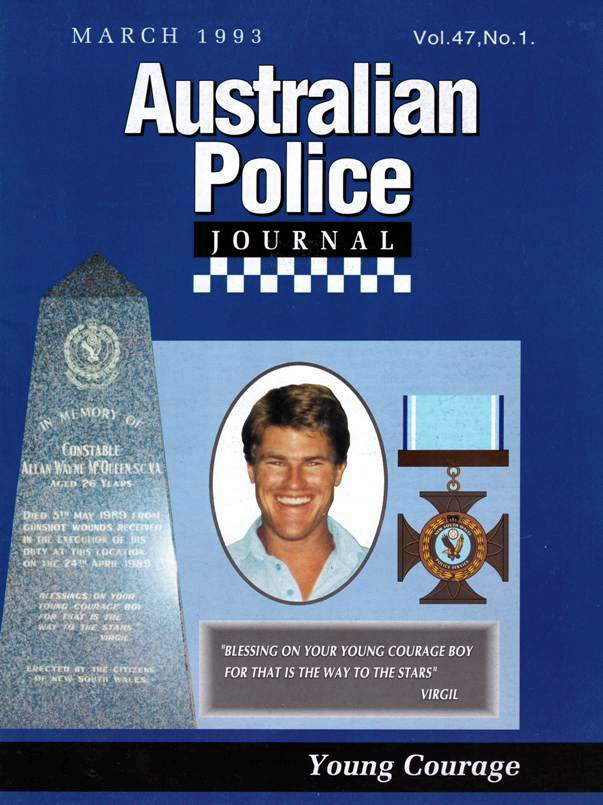
Colleagues of slain policeman Allan McQueen weep as he is laid to rest in Ballina yesterday. One of his favourite expressions was: “Not a problem“. Another was: “I’m here for a good time, not a long time.” Constable Tedder said it was somehow appropriate that Allan McQueen began his long battle for life on April 24, the day before Anzac Day. That was the day Allan McQueen became a hero. Police Commissioner John Avery said Constable McQueen had exhibited the qualities of a police leader of the future. “His father said it was a waste of a fine young life, and I agree,” said the Commissioner. “His was an unforgettable example of courageous service that will enshrine his name in the annals of the history of NSW.” Mr Avery quoted Virgil: “Blessings on your young courage, boy, for that is the way to the stars.”

Outside the church, a senior policeman said: “There’s a finality to heroism.” Mr Athol McQueen, a cousin and the boxer who knocked down champion Joe Frazier in the 1964 Olympic Games, said: “I hope there are more young blokes around like him.”

” The police band played a funeral march for their colleague, past Sunnyhaven Flats. The open-faced country folk let the tears run down their cheeks. As the cortege passed a place called Camelot, on the way to the Lismore Crematorium and another place called Goonellabah, an old woman stood at the roadside and said : “Poor little fellow.” At the crematorium flowers spelled out the letters NSWP -New South Wales Police on the hillside.

A young policeman picked up a rose and handed it to a young woman. , ‘ Mr John McQueen wipes away a tear as he stands with his wife Shirley at their son’s funeral.

https://www.newspapers.com/newspage/123586879/


NSW Police Service Annual report 1989 / 1990

https://www.opengov.nsw.gov.au/viewer/e97f9949de7fce571e09f3baa392f1a4.pdf


PARTY AT COFFS HARBOUR WITH LOCAL POLICE. BACK ROW: DALE COLEMAN, GRAHAM WHITE, MARK JONES, GREG CALLANDER. FRONT ROW: CRAIG COLEMAN, ALLAN McQUEEN (DECEASED - SHOT), JOHN KERLATEC. 2 JUNE 1986
PARTY AT COFFS HARBOUR WITH LOCAL POLICE.
BACK ROW: DALE COLEMAN, GRAHAM WHITE, MARK JONES, GREG CALLANDER.
FRONT ROW: CRAIG COLEMAN, ALLAN McQUEEN, JOHN KERLATEC.
2 JUNE 1986


First published 5 January 2014

Updated 7 June 2025 with new photo ( 1986 )


Sharon Louise WILSON

Sharon Louise WILSON

 late of Uralla, NSW

New South Wales Police Force

Goulburn Academy Class # 236

Regd. # 25???   


RankCommenced Training at Goulburn Police Academy on Sunday 8 May 1988 ( aged 19 years, 7 months, 16 days )( spent 2 months, 21 days at Academy )

Probationary Constable – appointed Friday  29 July 1988 ( aged 19 years, 10 months, 7 days )

Stations:  Leeton

Awards? Nil

Born:  Sunday  22 September 1968

Died:  Wednesday  30 November 1988

Age:  20 years, 2 months, 8 days

Service:  8 May 1988 to 30 November 1988 = 6 months, 22 days Service

Cause of death:  Accidentally Shot – by colleague – Service weapon

Location of incident:  inside Leeton Police Station, NSW

Location of Death:  Wagga Wagga Base Hospital, NSW

Funeral:  Monday  5 December 1988 @ 1pm

Funeral location?, Uralla

Buried Uralla Cemetery, Kingstown Rd, Uralla, NSW

Memorial 1:  Memorial Tree planted at NSW Police Academy, Goulburn

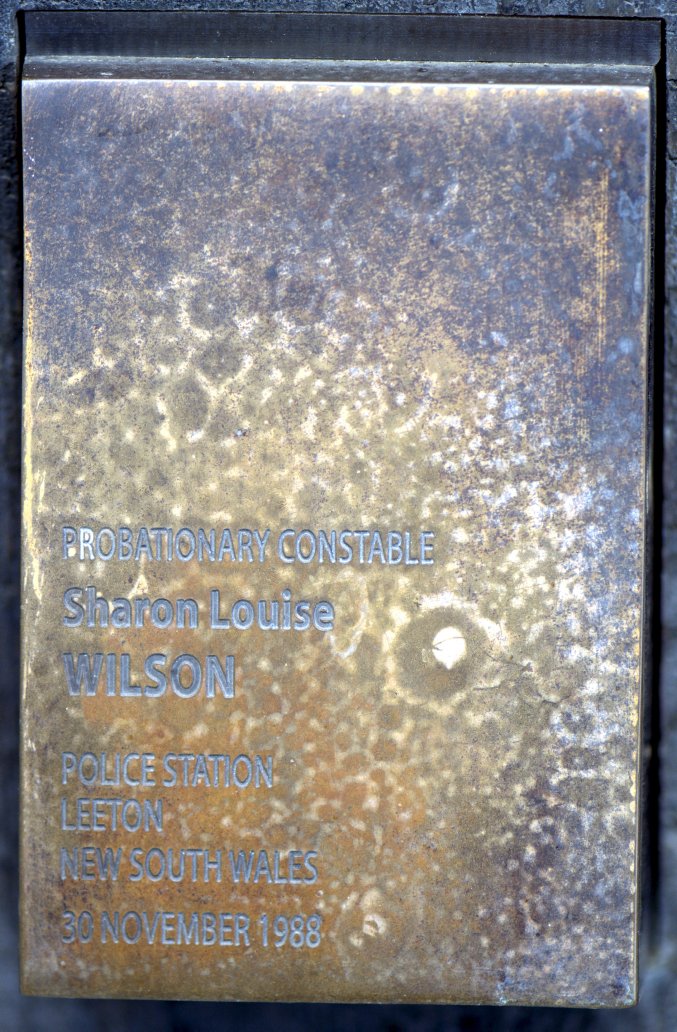
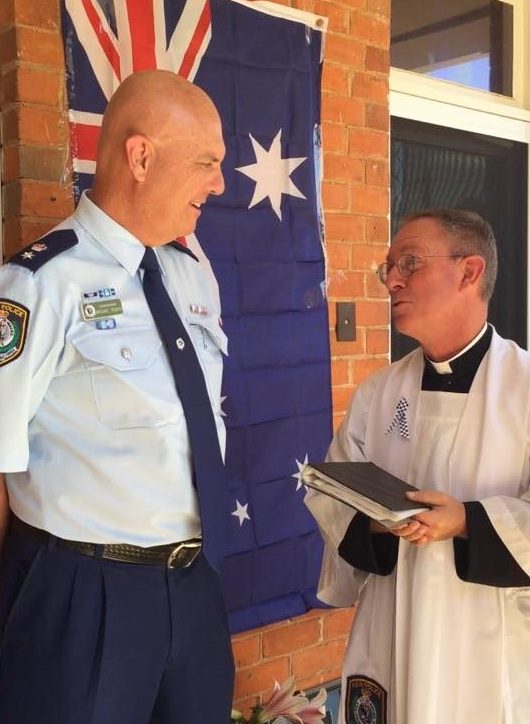
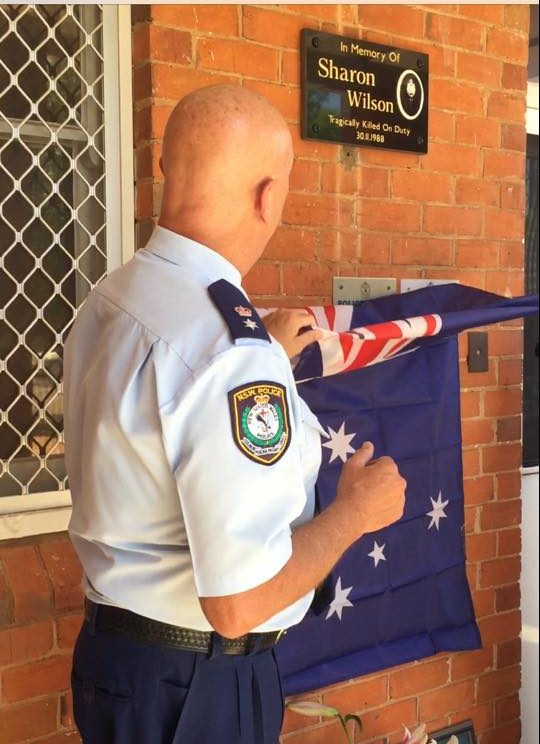
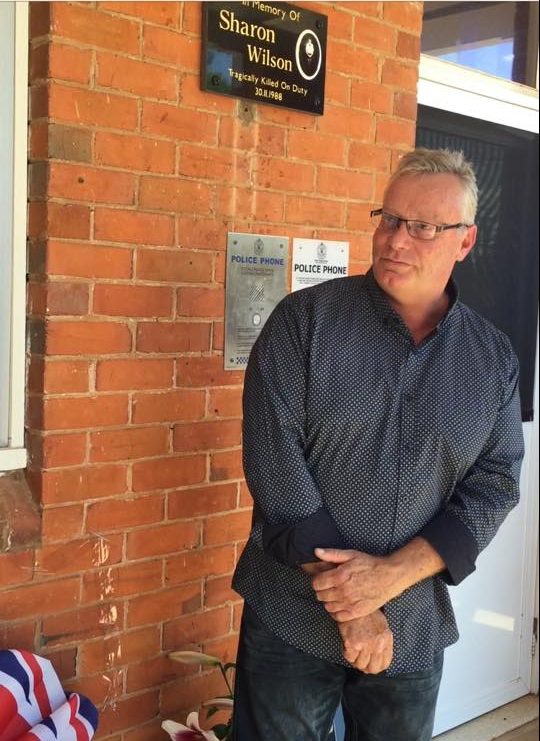
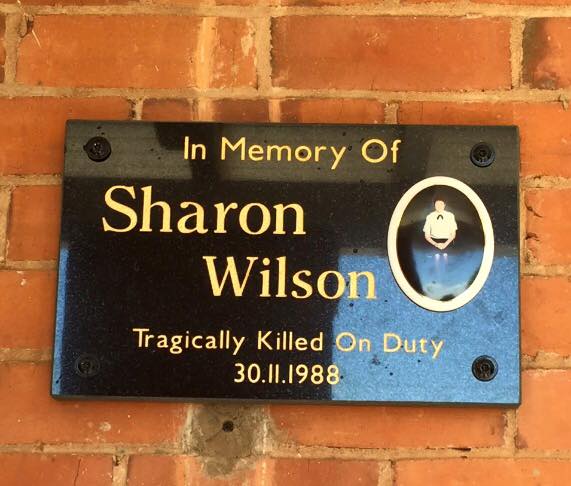
Memorial 2:  Memorial plate on the front outside wall of Leeton Police Station.  Dedication done on 30 November 2015.  Photos below.

Sharon Louise WILSON 1 - NSWPF - Killed 30 November 1988

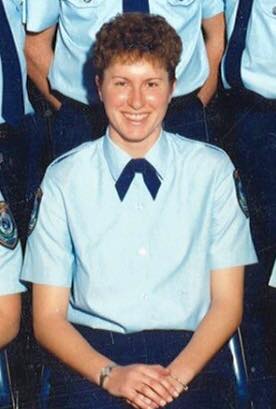
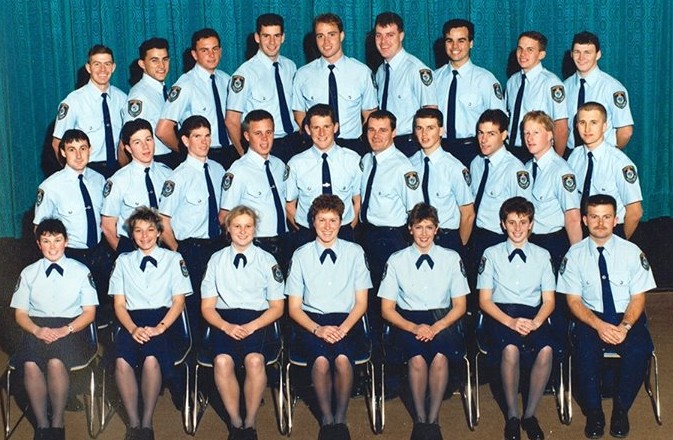
Sharon Louise WILSON - centre, front row. Class 215
Sharon Louise WILSON – centre, front row. Class 215

About 2.15pm on 30 November, 1988 Constable Wilson was on duty at the Leeton Police Station when she suffered a severe gunshot wound to the head when another member’s service revolver discharged. Although treated at the scene by colleagues until the ambulance arrived, she passed away at the Wagga Base Hospital at 5.45pm the same day.


The constable was born in 1968 and joined the New South Wales Police Force on 9 May, 1988. At the time of her death she was stationed at Leeton.


Touch plate at the National Police Wall of Remembrance, Canberra

Sharon is mentioned on the Police Wall of Remembrance


Sharon Louise WILSON. Alan Cope ( # 23769 ? ) thanks guests for attending. Alan spoke about Sharon Wilson and her short time in Leeton.
Alan Cope ( # 23769 ? ) thanks guests for attending. Alan spoke about Sharon Wilson and her short time in Leeton.


Superintendent Mick Rowan # 22980 ? ) with Father Robert offer kind words. — with Robert Patrick Murphy


Superintendent Mick Rowan unveiled the new memorial plaque.


Alan Cope closes the ceremony. 30 November 2015
Alan Cope closes the ceremony. Monday 30 November 2015


In Memory of Sharon WILSON. Tragically Killed On Duty 30.11.1988. Monday 30 November 2015
Dedicated:  Monday 30 November 2015


2 December 1988

“CHARGES POSSIBLE OVER SHOOTING

SYDNEY: The NSW Police Commissioner, John Avery, will decide whether charges should be laid against a constable allegedly involved in the shooting death of her 20 year-old colleague on Wednesday.

A police spokesman said yesterday a team of detectives was waiting to interview the young officer over the death of policewoman Sharon Wilson at the Leeton Police Station, in the state’s Riverina district.

He said results of the investigation would be forwarded to Mr Avery for consideration.

A police spokesman said the detectives — including two from Sydney’s Internal Affairs department, two from homicide, a ballistics expert and a police psychologist — were waiting to talk to the 19-year-old constable.

Probationary Constable Wilson was shot in the head by one bullet from a service revolver while on duty at Leeton Police Station, at 2.15pm on Wednesday.

She was rushed to Wagga Base Hospital, but died 3 1/2 hours later.

The policewoman awaiting questioning had been treated for shock and was being cared for by friends and welfare personnel, the spokesman said.

Detectives hoped to talk with her last night.

Miss Wilson, of Uralla, in the Northern Tablelands, was well known in the small community. She was regarded as a fine athlete and her 188cm frame was well known in the local basketball league.

Miss Wilson was studying visual arts at the Riverina Murray Institute of Higher Education in Wagga.

Her body will be transported to her home at Uralla, where a funeral will be held at 1pm on Monday.”

02 Dec 1988 – Charges possible over shooting – Trove


Canberra Times (ACT : 1926 – 1995),

Wednesday 15 March 1989, page 22


Second death prompts gun rule review

SYDNEY: Junior police officers could be made to leave their guns at work after a young constable accidentally killed his best friend while cleaning his service revolver at home on Monday.

An internal police investigation into the shooting would look at the controls on probationary constables’ possession of weapons, the NSW Minister for Police, Ted Pickering, said yesterday.

Constable Andrew Pearce, 20, was cleaning his .38 service revolver in the bedroom of his Greystanes home in Sydney’s west at noon on Monday when the gun discharged and hit his friend Andrew James McDonald in the chest.

Mr McDonald, a 20-year-old bank teller from Greystanes, died an hour later in Westmead Hospital.

The incident was the second fatal shooting by a probationary constable in the past four months.

Last November Probationary Constable Sheree Schneider, 19, ( ProCst # 60370 ) accidentally shot Constable Sharon Wilson in the head at Leeton police station in the Riverina region. The young constable now faces a manslaughter charge.

Acting Police Commissioner Angus Graham refused yesterday to comment on Monday’s shooting and was unable to say whether Constable Pearce, an officer with one year’s service, would be charged over the incident.

He said the fatal shooting was the subject of a full investigation by the police’s Internal Affairs Department.

“When we have these incidents we always review our arrangements,” he said.

https://trove.nla.gov.au/newspaper/article/120916451


The Sydney Morning Herald

28 July 1989      p 6 of 68

‘Empty’ gun killed officer

A policewoman fatally wounded a colleague with a shot from her service revolver which she believed was empty, the Leeton Local Court, in south-west NSW, heard yesterday.

Sheree Ann Schneider ( ProCst # 60370 ), 20, of Pine Avenue, Leeton was charged with the manslaughter of Constable Sharon Louise Wilson, 20, at Leeton Police Station on November 30 last year.

Constable Wilson died of head injuries at the Wagga Wagga Base Hospital as a result of the shooting.

Constable Harvey McRae told the court that he was sitting at a computer terminal when he heard the firing pin of a police revolver strike the empty chamber.  Constable Wilson had said, “Oh God, don’t do that.  You scared the living daylights out of me”.

He said Schneider pointed the revolver toward Constable Wilson and said:  “No, it’s empty, see?”  The gun then discharged.

Schneider said she went into the sergeant’s office and re-loaded her gun.  The court heard that four live bullets and one spent one were later removed from the revolver.

https://news.google.com/newspapers?nid=1301&dat=19890728


R_27_EPILOGUE_Police

http://nswjudicialinjustice.com/Contentsfiles/R_27_EPILOGUE_Police.pdf


Canberra Times (ACT : 1926 – 1995),

Sunday 30 July 1989, page 4

Not guilty of manslaughter

ALBURY: A policewoman who fatally shot a colleague has been cleared of manslaughter after a hearing in the Albury District Court. Sheree Ann Schneider, 20, of Pine Ave, Leeton, was charged with the manslaughter of Sharon Louise Wilson, 20, of Leeton, who died from injuries received in the shooting.

Constable Wilson was shot in the head while speaking on the telephone in the communications room of Leeton police station on November 30 last year.

Miss Schneider gave evidence at the committal hearing on Friday.

She said she had gone to the sergeant’s office where she had unloaded her special issue five-shot .38 service revolver. She told the court she was sure five bullets had fallen from the revolver’s cylinder and into her hand.

Miss Schneider said she had left the bullets in the office and returned to the inquiry counter area.

Thinking the gun was empty, she “dry fired” it.

Miss Schneider said Constable Wilson had become frightened and said: “Oh God, don’t do that. You scared the living daylights out of me.”

She had said to Constable Wilson: “No, it’s empty, see” and then pulled the trigger “to reassure her she had nothing to worry about.” The gun had discharged.

Asked by her counsel, Mr John Dailly, what she had thought when the gun discharged, she said: “I couldn’t believe it! I was sure I had counted five bullets.”

It was not until she had returned to the sergeant’s office that she realised she had made a mistake.

Although Miss Wilson had been shot, Miss Schneider said she was unaware at the time the gun had been pointing at her colleague.

Miss Schneider said she had returned to help Miss Wilson, who lay on the floor bleeding profusely from a wound to the left temple.

She said she placed both hands over the wound to try to stop the bleeding.

The court was told Miss Schneider had received 200 minutes pistol training at the police academy and had been issued with the smaller five-shot revolver after failing her first shoot with the larger six shot model.

Mr Dailly said the shooting had been an accident.

“It was totally unintended, unexpected and unforeseen,” he said.

In discharging Miss Schneider, Magistrate Barry Wooldridge said she had made a “great mistake” when counting the bullets. But the fact remained that there was no intent on Miss Schneider‘s part, no animosity between the two and no evidence she had deliberately pointed the gun at Constable Wilson.

https://trove.nla.gov.au/newspaper/article/122285837


Canberra Times (ACT : 1926 – 1995),

Tuesday 15 August 1989, page 5

IN BRIEF

DPP reviews court ruling

SYDNEY: The Director of Public Prosecutions said yesterday he would review a magistrate’s decision to dismiss a manslaughter charge against a police woman who shot dead a fellow officer.

The director, Reg Blanch, QC, said he would direct Constable Sheree Schneider to stand trial if he found that Leeton Magistrate Barry Wooldridge had made an error in judgement.

Constable Schneider, 20, shot dead Sharon Wilson, also 20, with a service revolver at Leeton police station on November 30. She said she thought the revolver was empty.

Mr Blanch said he would make a decision in four to eight weeks. Constable Schneider, suspended with pay, was to answer a charge on August 31 of using a firearm with disregard for safety.

https://trove.nla.gov.au/newspaper/article/122276423


The Law—From Protector To Persecutor
From ‘Signs Of Senility‘ a chapter of ‘A Study Of Our Decline‘ by P Atkinson

(7/9/2013)

Schneider Case
In New South Wales, at Leeton police station on 30-Nov-1988, a junior policewoman produced a pistol and shot dead another officer. Sheree Ann Schneider claimed it was an accident. Satisfied the pistol was unloaded, she pulled the trigger without looking where the gun was pointed. The charge of Felonious Assault was dismissed in the lower court on 28th July 1989 under section 41 (vi) – the presiding officer ruled that no jury would convict. Use Of A Firearm In Disregard For Another Persons Safety was dismissed on 27th April 1990. The female did not even lose her job, presumably her fellow officers hope she will be more careful in future.

Court Ignores Duty
It is axiomatic with all weapons training that they never be pointed at anyone unless they are intended to be used —even in jest. Deliberately pulling the trigger without looking where the .38 pistol was pointed was criminal irresponsibility. Sharon Wilson was killed as the result of criminal negligence; a failure that should not be tolerated from any citizen, much less a police officer. Not knowing the gun was loaded is no excuse for anyone, least of all a trained professional. For the courts to fail to penalise this action is to commit more crimes; the denial of the importance of duty and the magnitude of taking a life.

The Law Repeats The Role Of Indulgent Parents
Schneider escaped penalty by adopting the infantile excuse that she was merely the hapless victim of the inadequate police weapons training program; that this was accepted by the authorities is not an aberration. Trial for murder is no longer a matter of resolving fact; it has become a re-enactment of the spoilt child caught by their indulgent parents; if the miscreant can deflect blame while generating sympathy then all is forgiven.

http://www.ourcivilisation.com/signs/chap8.htm


Andrew Thomas DIXON

Andrew Thomas DIXON

New South Wales Police Force

Goulburn Police Academy – Class 222

Regd. #  229 or 230??

Rank:  Commenced Training at Goulburn Police Academy on 18 August 1986

Probationary Constable – appointed 7 November 1986

Final Rank:  Probationary Constable

Stations:  Pennant Hills October 1986 to 3 June 1987

Awards:  Nil

Service:

From  18 August 1986  to  3 June 1987 = 11 months

Born: ? ? 1966

Died:  Wednesday  3 June 1987

Age:  20

Cause:  Illness – Suicide by Service firearm

Location:  at Lane Cover River Park, Lane Cove.

Funeral date?

Funeral location:

Eastwood

Grave Location:  Cremated

Memorial plaque at Northern Suburbs Crematorium, Delhi Road, North Ryde, NSW

Niche:  Row ‘TO’, plaque # 348

andrew-dixon-plague

Touch plate at the National Police Wall of Remembrance, Canberra.


Touch plate at the National Police Wall of Remembrance, Canberra.

Andrew Thomas DIXON. Plaque condition as of 8/9/2020
Andrew Thomas DIXON.   Plaque condition as of 8/9/2020

ANDREW IS mentioned on the Police Wall of Remembrance


In April, 1987 Constable Dixon and other police attended a serious motor vehicle accident at Mt Colah. A person trapped in the vehicle became violent when released and Constable Dixon assisted in restraining him. During the struggle the constable was covered in a considerable amount of the injured person’s blood. It was later discovered that this person suffered from HIV/AIDS. Due to stress and concern over the disease, Constable Dixon drove to the Lane Cove River Park on 3 June, 1987 and committed suicide.

The constable was born in 1966 and joined the New South Wales Police Force on 18 August, 1986. At the time of his death he was stationed at Pennant Hills.


From Kevin Banister – I remember this very well. I was working at Pennant Hills when Andrew arrived as a fresh faced Probationary Constable. He was a fine young man built like a brick s**thouse. When he was told that the accident victim had HIV/AIDS he began to withdraw very quickly. All at the station were concerned for his welfare and tried to help where possible.

On the afternoon of 3/06/87 Andrew had worked morning shift and I was on afternoon shift. At the hand over Andrew said goodbye with a smile on his face and went home, or so I thought. I was not aware that he was supposed to be attending the PMO (Police Medical Officer) for an appointment after work. I got a call from his mother just before sundown to say that Andrew had not come home and were concerned for his welfare. Pennant Hills was a Rescue Squad/General duties station at the time and I was the senior operator rostered on. I made a number of phone calls including to the Lane Cove station and Marrickville Rescue base. Not long after we received info that Andrew’s car had been located in a dead end street off Delhi Road beside the Lane Cove river.

As a result I and my offsider Bob Hanson attended in the Rescue vehicle. Numerous other Police vehicles arrived along with the Water Police. I organised a number of search parties and headed into the scrub towards the river. Reached the riverbank and saw that the Water Police had also began a search in the area we were in. Again, a short time later I and my offsider found the body of Andrew with his service revolver by his side. I indicated to the Water Police to come over (not using the radio) and told them that they were no longer required. The boat crew saluted and left the scene. A discrete message was sent to the command post as I knew that his parents were at the post and could hear the radio transmissions.

When we emerged from the bush with Andrew’s body many of the Police were in tears as he was a local boy and well known. His funeral was standing room only and the street blocked off for the overflow. During the period of the time of the accident and Andrew’s death he had a number of blood samples taken, but due to the technology of the time he was told that it could be some time before they knew if he had became infected. About a month after his death we were informed that he had not become infected. R.I.P. my friend.


Andrew Thomas DIXON

Andrew Thomas DIXON


Paul Mitchell QUINN

Paul Mitchell QUINN

New South Wales Police Force

Redfern Police Academy Class # started with 156 – may have ended with 163

Cadet #:  3358

Regd. #  18605


Rank:  NSW Police Cadet – commenced Training at Redfern Police Academy on Monday 4 July 1977 ( aged 17 years, 1 months, 28 day )

Probationary Constable – appointed 29 May 1979 ( aged 19 years )

Constable – appointed ? ? ?

Constable 1st Class – appointed 29 May 1984

Final Rank:  Constable 1st Class – posthumously promoted to Sergeant 3rd Class

Stations:  Casino & Bathurst – Death

ServiceFrom 4 July 1977 to 30 March 1986 = 8 years, 8 months, 26 days

Awards:  No find on It’s An Honour

Born:  Sunday  29 May 1960

Died on:  Wednesday 30 March 1986

Cause:  Murdered.  Shot through neck during arrest

Event location:  , Perthville, NSW

Age:  25 years, 10 months, 1 day

Funeral Date?

Funeral Location?

Buried at?

Grave locationMaranatha, Sec: Mar2, Row: A, Grave: 112


Memorials1/  Chifley LAC has the ‘ Paul Quinn Award ‘ for the most outstanding Officer each year.  Paul is Remembered within the Chifley LAC.

2/  Paul Mitchell Quinn – stone monument near the murder scene

3/  Mt Panorama ( Bathurst ) Police Compound – dedicated to Sgt Paul Quinn


 PAUL is mentioned on the Police Wall of Remembrance

Paul Mitchell QUINN
Paul Mitchell QUINN

Paul Mitchell Quinn - grave plate. Inscription (In loving memory Paul Mitchell Quinn, born 29 May 1960 killed 30 March 1986 aged 25 yrs. Sadly missed by his children Christopher, Rebeca, parents Brian, Barbara and family.)
Paul Mitchell Quinn – grave plate


This memorial was erected by the Central Tablelands branch of the Retired Police Association of NSW Inc. to the memory of Sergeant 3/c Paul Mitchell Quinn who was fatally shot in the execution of his duty near this location on 30th March 1986.
Paul Mitchell Quinn – monument near the murder scene


Paul Mitchell Quinn - murder scene
Paul Mitchell Quinn – murder scene


Police Wall of Remembrance - touch plate for Paul Mitchell QUINN
Police Wall of Remembrance – touch plate for Paul Mitchell QUINN – Canberra


Paul Mitchell Quinn, Paul Quinn, Mt Panorama, Paul Quinn Police Compound
Dubbo Photo News, page 3, Oct 6 – 12, 2016


Late in the afternoon of 30 March, 1986 Constable 1st Class Quinn was involved in the high speed pursuit of a vehicle from South Bathurst towards Perthville.

At Perthville the offender lost control of the vehicle and collided with a bridge railing at the intersection of Bridge Street.

The offender then leapt from the vehicle with a .303 rifle and began to fire at the police who had been chasing him.

Constable Quinn was hit in the neck and killed instantly and Constable Ian Borland was seriously wounded.

The offender, Horan, was shot several times by police before being arrested and charged.

Fortunately Constable Borland recovered from his injuries. Constable Quinn was posthumously promoted to Sergeant 3rd Class.


The sergeant was born in 1960 and joined the New South Wales Police Force as a Cadet on 4 July, 1977.  At the time of his death he was stationed at Bathurst.


Other Police who assisted with this incident at the time of the shots being fired were Senior Constable John Andrew BYERS  BM.


Chifley LAC has the ‘ Paul Quinn Award ‘ for the most outstanding Officer each year.  Paul is Remembered within the Chifley LAC.


Childhood pain relived as policeman’s killer poised for release

January 14, 2004

The day Constable First Class Paul Quinn was buried with full police honours, his daughter Rebecca turned four. After a funeral that closed streets in the policeman’s home town of Bathurst, his five-year-old son, Chris, was still asking relatives when Daddy would be coming home.

Lost innocence . . . Chris and Rebecca Quinn aged five and four.

Yesterday the siblings sat together in distress again as the man who killed their sole-parent father was declared ready to return to the community after serving almost 18 years in jail.

Chris has had trouble with the law, but has shown talent as a lightweight boxer. Rebecca runs a coffee shop and turns 22 in a couple of months.

Supporting them was Inspector Ian Borland, who was seriously wounded the day Constable Quinn was killed and still works in Bathurst near where the pair encountered Patrick Francis Horan on Easter Sunday 1986.

The policeman and the Quinn siblings had been told Horan would be granted parole at his third attempt, but the decision moved Chris to climb over the public gallery and storm out the Hospital Road courtroom door.

Weeping outside, he was embraced by Inspector Borland, who still has bullet fragments in his body.

Inspector Borland, the Quinns and the NSW Police Association wanted to keep Horan, 63, locked up until he was dead.

John Watts, for Inspector Borland and the Quinns, had argued that Horan‘s lack of insight into his psychiatric problems and his refusal to acknowledge he had been the aggressor when Constable Quinn was killed made a “potent mix”.

But the Parole Board found Horan, a paranoid schizophrenic, was unlikely to pose a risk to others if he took his medication and that “the jail system is not a substitute for the treatment of people suffering from mental illness”.

Horan‘s prison behaviour had been exemplary and he successfully completed unsupervised work release. He had the family support of a brother and was engaged in “the admirable hobby of bee-keeping”, the board found.

Horan had not been taking his medication when his mother called police about his erratic and violent behaviour on the afternoon of March 30, 1986. One of the officers to respond to the call was Constable Quinn, then 25 and on duty at Bathurst for only his fifth shift since being transferred from Casino, to be near his parents.

After a pursuit that ended 10 kilometres south of Bathurst at Perthville, Constable Quinn got out of his car and ran towards Horan, who shot him in the left clavicle with a .303-calibre rifle.

The officer’s colleagues returned fire as Horan adopted what he described as a Rambo position and emptied the 10-round magazine in his .303.

Constable Borland, then 36, was shot in both legs and a hand, while Horan, who was hit by at least seven of 18 shots fired by police, continued shooting at five other officers.

Constable Quinn was posthumously promoted to sergeant.

In the Supreme Court sitting at Bathurst, Horan pleaded not guilty to murder but guilty to manslaughter on the grounds of diminished responsibility due to mental illness.

Justice Kep Enderby sentenced him to life, with separate terms for wounding with intent to murder Constable Borland and shooting with intent to murder other police.

In March 1998 Justice Peter Hidden set a minimum term of 16 years, which expired in 2002, and a maximum of 22. The crown did not appeal.

Horan will be released next Wednesday, under conditions that include his accepting psychiatric treatment and not entering Chifley Local Area Command, where Inspector Borland works.

http://www.smh.com.au/…/2004/01/13/1073877830354.html…


Officer’s death hits local police hard

By BRENDAN ARROW

ANOTHER LIFE LOST: Chifley Local Area Command Acting Inspector Lionel White said police in Bathurst have been personally affected by the death of Constable William Crews in Sydney on Wednesday night. Photo: BRENDAN ARROW 091010
ANOTHER LIFE LOST: Chifley Local Area Command Acting Inspector Lionel White ( # 24873 ) said police in Bathurst have been personally affected by the death of Constable William Crews in Sydney on Wednesday night. Photo: BRENDAN ARROW 091010

POLICE in the Chifley Local Area Command have been personally affected by the death of trainee detective William Crews.

The 26-year-old died in a Sydney hospital after he was shot while carrying out a drug operation on Wednesday night with seven other officers from the Middle Eastern Organised Crime Squad in Bankstown, in Sydney’s south-west.

The officers were fired upon outside the targeted property in Cairds Avenue about 9pm. Constable Crews was hit in the head and neck.

Philip Nguyen, 55, has since been charged with shooting with intent to murder and discharging a firearm with intent to cause grievous bodily harm.

Geehad Ghazi, 27, has been charged with possession of an unauthorised firearm.

Yesterday, Acting Inspector Lionel White said the tragic situation in Sydney had personally impacted on a number of officers who knew Constable Crews.

“It is a very shocking situation, a couple of the officers here at the Bathurst Police Station knew him and have been left very upset by the situation,” he said.

“Some of the officers worked with him and trained with him before he became a detective.

“For those officers, we are offering them support and counselling during this tough time.”

Reminding people of those officers who lost their lives in the Bathurst area in the line of duty is a memorial board naming the 13 policemen who have died in the line of duty.

Since Trooper Robert Lovell McDougall died in 1853 near Sofala, 12 officers have fallen in the line of duty in Bathurst area with Sergeant Paul Mitchell Quinn the last, on the March 30, 1986.

Acting Inspector White said the latest death in Sydney brought to the forefront the difficult circumstances that police can find themselves in daily.

“On top of the very mundane things we do every day this is a stark reminder of the dangers police officers can face while in the front line,” he said. “This very much reminded us of the risk officers sometimes have to take while in the line of duty.

“It is a great tragedy.”

http://www.westernadvocate.com.au/story/911623/officers-death-hits-local-police-hard/


The State government has logged objections to Patrick Horan a NSW prisoner’s planned release, convicted of the manslaughter of a police officer and seriously wounding another. Justice Minister John Hatzistergos says the NSW Parole Board intends to grant parole to Patrick Francis Horan, who committed the crimes near Bathurst in NSW’s central west in 1986.


Horan‘s 22-year sentence expires on March the 29th, 2008 but his 16-year non-parole period lapsed on March the 29th last year. Hatzistergos says he’s discussed the matter with Police Minister John Watkins, who he says is also shocked at the board’s intention to release Horan.

https://www.flickr.com/photos/publik15/3815467017/


Parliament of New South Wales
0818—PATRICK FRANCIS HORAN

Question asked on 19 September 2003

Mr Peter Debnam to the Minister for Police—

In relation to convicted offenders:
(1) What is the status of attempts by Patrick Francis Horan, who killed one police officer and wounded another, to obtain parole?
(2) What action have you taken to ensure that Patrick Francis Horan remains in jail?

Answer—

(1) I am advised by NSW Police that the review hearing on Mr Horan‘s application for parole has been adjourned by the Parole Board until 13 November 2003 pending reports from Corrective Services Health and the Serious Offender’s Review Board.
(2) I have expressed my concerns in writing to the Parole Board in relation to the release of Mr Horan.

http://www.parliament.nsw.gov.au/prod/la/qala.nsf/ad22cc96ba50555dca257051007aa5c8/ca25708400173f67ca25704a000925dd?OpenDocument


Free… but banned from Bathurst
By Brooke Newstead
Jan. 14, 2004, 6:38 a.m.

POLICE killer Patrick Francis Horan will walk free next week.
However, he will not be allowed to return to Bathurst for at least five years.

The NSW Parole Board yesterday granted Horan full parole with the condition that he is not to enter the Chifley Local Area Command district.

His release date is set for January 21 and he will remain on parole for five years.

Horan was originally sentenced to life plus 125 years after shooting dead Bathurst police officer Sergeant Paul Quinn and injuring then Senior Constable Ian Borland at Perthville in 1986.

On November 13, 2003, he was granted day release and after being released for just seven day-release days since that date, he will now be allowed to fully integrate back into the community.

Subsequent conditions imposed by the Parole Board state Horan must undergo regular psychiatric assessment and counselling.

He is also never to approach any of the victims of the fateful night during which he shot dead Sergeant Quinn.

http://www.westernadvocate.com.au/story/892648/free-but-banned-from-bathurst/


Prisoner group welcomes police killer’s release

Posted

A prisoner advocacy group has welcomed news convicted police killer Patrick Francis Horan will walk free in a week.

Horan, who suffers from paranoid schizophrenia, has served the minimum 16-years sentence for the manslaughter of Bathurst police officer Sergeant Paul Quinn and the wounding of his partner, Inspector Ian Borland.

The New South Wales Government has criticised the granting of parole and promised to reform the composition of the parole board.

But a spokesman for Justice Action, Brett Collins, says it was obvious 17 years ago the man had mental health problems and his case needed special treatment.

“Instead we have a tragic situation where we have a policeman killed and another one disabled,” he said.

“Now for the police to actually present themselves at this stage as vengeful, as angry … when it’s clearly a mental health issue, one which requires compassion and requires understanding, it’s a shame.

“It’s not what we should expect from the police force and we certainly should expect better than that from the State Government.”

Mr Collins says it is important in this case to listen to the experts.

“So if you don’t listen to them and if in fact you still at the end of it as a government or as a police association are still saying at the end of it we are still angry, we still have hate, we want vengeance then that’s a misleading situation,” he said.

“We should accept the fact that the institution is there for the purpose of making a decision and accept the judgment of the umpire and give support to them.”

Horan is to be released next Wednesday on the condition he does not enter the Chifley local area command where Inspector Ian Borland works, for the next five years.

http://www.abc.net.au/news/2004-01-14/prisoner-group-welcomes-police-killers-release/119636


Police killer to make statement on release

Posted

It is expected convicted police killer Patrick Francis Horan will issue a statement this afternoon after being released from Sydney’s Long Bay Jail.

Horan shot and killed Sergeant Paul Quinn during an incident in the State’s central west 17 years ago.

He served his minimum of 16 years in jail for killing Sergeant Quinn and injuring then Senior Constable Ian Borland outside of Bathurst in 1986.

Horan fired at police with a rifle after a high-speed car chase.

Corrective Services says Horan will read a statement to the media at the jail’s boomgate, just after his release at 3:00pm AEDT today.

The department cannot say where Horan will be moving, or what possible security arrangements have been made on his behalf.

The parole board has ruled that Horan will not be able to return to the Chifley local area command, where surviving officer Inspector Boland is still serving.

The board says Horan is not a danger to the public, provided he takes regular medication to treat his paranoid schizophrenia.

http://www.abc.net.au/news/2004-01-21/police-killer-to-make-statement-on-release/122720


Officer’s memory will live on in award

Wednesday 21 September 2016
Hi Greg, just a quick note on the great work that you and your pages do, and that of the Wall to Wall Ride.
You keep the memories of those we have lost, very much alive.
On the Wall ride, all the individual groups and sometimes the whole ride, travel to places where our kin have lost their lives, and stop or salute to remember them.
Kudos to NSW for the great job they do on the memorials on the highway, and congratulations to ACT for the best procession on record.
Even a far away place like Perthville near Bathurst was visited and a token of remembrance 30 years on, was placed and left.
Remembrance is not a burden, its an obligation you can choose to carry… Lest we forget!