“Possible” Relation(s) in “The Job”: A. HANSON, NSWPF # 8358 ?
T.R. HANSON, NSWPF # 18057 ?
New South Wales Police Force
NSW Police Cadet # 1161
Regd. # 8870
Redfern Police Academy Class 0??
Rank: Commenced Training, as a Cadet, at Redfern Police Academy on Friday18 February 1955 ( aged 16 years, 3 months, 12 days )
Probationary Constable – appointed 6 November 1957 ( aged 19 years, 0 months, 0 days )
Constable – appointed ? ? ?
Constable 1st Class – appointed 6 November 1963
Senior Constable – appointed 1 July 1968
Final Rank: Senior Constable
Stations: ?, South District ( 1968 ), ?, VKG2 – Warilla as a S.O.O. ( Senior Operations Officer ) – Retirement
Service: From 18 February 1955 to ? = ? years of Service
Age at Retirement:
Time in Retirement:
Awards: National Medal – granted 4 November 1992 ( SenCon )
Born: Sunday 6 November 1938
Died on: Thursday 12 July 2006
at the David Berry Hospital, Berry
Cause: Brain cancer
Age: 68 years, 8 months, 6 days
Funeral date: ?
Funeral location: Cremated ?
Buried at:
Wollongong Memorial Gardens
Berkeley Road, Berkeley.
MEMORIAL GARDENS GARDENS, Garden Rocks, Section 9J Site 7
SENIOR CONSTABLE KARL HANSON, VKG2, WARILLA POLICE RADIO – SENIOR OPERATIONS OFFICER. 1987 – 1988
SENIOR CONSTABLE KARL HANSON # 8870 (SEATED), VKG2, WARILLA POLICE RADIO – SENIOR OPERATIONS OFFICER – SPEAKING WITH SENIOR SERGEANT DICK BROOK # 9570, FROM WARILLA POLICE STATION. 1987 – 1988
KARL is NOT mentioned on the Police Wall of Remembrance * NOT JOB RELATED
Funeral location:
Edward Francis DOHERTY
16/07/2015
Edward Francis DOHERTY
aka Ted Doherty
( late of Corrimal, NSW )
NSW Police Cadet # 1365
New South Wales Police Force
Redfern Police Academy Class 081
Regd. # 9446
Rank: NSW Police Cadet – commenced 18 June 1957 ( aged 16 years, 0 months, 26 days )
Probationary Constable – appointed 30 October 1959 ( aged 19 years, 0 months, 0 days )
Constable 1st Class – appointed 30 October 1965
Sergeant 3rd Class – appointed 15 January 1975
Senior Sergeant – appointed 29 March 1985
Chief Inspector – retired
Stations: ?, Western District, Corrimal, Wollongong
Service: From 18 June 1957to 12 January 1996 = 38 years, 6 months, ? days Service
Age at Retirement: 55 years, 2 months, ? days
Time in Retirement: 3 years, 6 months, 1 day
Awards: National Medal – granted 15 September 1980
1st Clasp to National Medal – granted 10 September 1986
2nd Clasp to National Medal – granted 16 September 1993
Born: Wednesday 30 October 1940
Died on: Tuesday 13 July 1999
Cause: Lung Cancer
Age: 58 years, 8 months, 13 days
Funeral date: Friday 16 July 1999
Funeral location: ?
Buried at: ?
TED is NOT mentioned on the Police Wall of Remembrance * NOT JOB RELATED
Funeral location: ?
CLASS 081
4 row ( l to r ):
L. C. Bennett; D. W. Stolle # 9460; M. W. Kirk # 9512; R. C. Landers; B. Symons; A. Southall # 9527; John C. Dunbar # 9482; Peter J. Martin # 9528; B. K. Leaney # 9533; D. W. McLaughlin; J. R. Dorsett # 9498; P. W. Medway # 9444; J. McGregor # 9518; F. J. Ryder # 9506; Ray. N. Morris # 9517; P. R. Clemson # 9523; J. O. Parry; P. J. Woodward # 9478; D. C. Newton # 9480; Rod. L. Power # 9477; A. W. McDonald # 9510; B. A. Kearns; P. R. Leembruggen # 9530; R. G. Dunn.
3rd row ( l to r ):
E. H. Williamson # 9507; Syd. K. Isedale # 9490; T. G. Purcell # 9468; Allen J. Murphy # 9509; A. P. Lynch # 9500; R. W. Stone # 9488; M. C. Adams; H. J. P. Munro # 9484; J. E. Hawley # 9522; S. C. Heckenberg # 9487; H. T. Auliff # 9464; Barry A. Melouney # 9492; M. R. Turk # 9526; Anthony C. Frost # 9516; C. A. Hermanson # 9525; Edward ( Ted ) F. Doherty # 9446; W. McCormick # 9529; Ken. J. Williams # 9461; M. C. Moy # 9449; K. G. McNeill # 9455; A. D. Morris # 9469; R. L. Scarf # 9457; J.R. Press # 9462; R. J. Mahoney # 9514.
2nd row ( l to r ):
J. J. McNamara # 9465; T. J. Webber # 9504; B. A. Bennett # 9453; J. F. Bostock # 9535; R. N. Thornett; W. A. Allan; K. J. Hall; Mick R. Hay # 9452; Ken. Waters # 9494 or 9505; Keith Waters # 9494 or 9505; G. N. Crouch # 9532; R. C. Rogerson # 9536; D. S. McAfee # 9459; G. A. Wilson # 9470; B. Garland # 9511; J. Peterlin # 9503; Thom. C. Coleman # 9496; R. J. Canning # 9473; Victor A. Schweikert # 9458; R. Pearson; B. Kerrison # 9485; J. G. Kinnane; L. R. Kriss # 9483.
Front row – seated- ( l to r ):
Sergeant 3/c. Ben Hall; C. C. Greenham; G. R. Gibb # 9445; R. C. Jenner # 9486; J. C. McGingley; Darcy W. Cluff # 9463; R. J. Graham # 9467; David E. Nelson # 9481; F. B. McGoldrick; Ernest G. Mercer # 9515; E. W. Kelly; J. Kelly # 9531; Sergeant 1/c. Sligar # 8146; Sergeant 1/c. Barber # 4474; Sergeant 3/c. Porch; Miss. Sylvia W. Paull # P/W 0038; Mrs. Eileen. M. McLean # P/W 0037; Miss. June W. Fielding # P/W 0039; S. Favot # 9493; J. P. Boon # 9519; L. E. Ervine # 9497; R. T. Milligan # 9479; Denis W. Wardrobe # 9456; D. C. Rugers; H. V. Clarke.
A/O K. PEARCE A/PARAMEDIC J. WOODS CST 1/C GARY THOMPSON, SGT TED DOHERTY (WHITE OVERALLS), S/C RON FOX ?, SGT PETER LINCOLN (FAR RIGHT) 1984 ALBUM THREE – BULLI
RESCUE SERVICES FIELD DAY. MT KEIRA EARLY 1983 ALBUM THREE – BULLI
RESCUE AT WOLLONGONG LIGHT HOUSE A/O BOB LEWIS, CST MARK MULREADY, SENSGT TED DOHERTY, SENCON GARY THOMPSON, PARAMEDIC STEVE POLLARD, CST TONY FERRIS, A/O KEVIN DENT (POINTING), PARAMEDIC TERRY MORROW, A/O ANDREW GROVES (PARTIALLY HIDDEN ON LOWER RIGHT) 1988
BACK TO 60’s NIGHT FUND RAISER FOR THE 20th AMBULANCE CONVENTION S/O BOB SMITH (BLACK SHIRT) WITH SENSGT TED DOHERTY 1988
POLICE AND COMMUNITY YOUTH CLUBS RESTRUCTURE Mr MARTIN
(Bathurst) [12.31 p.m.]: As honourable members would be aware, the Minister for Police, the Hon. Michael Costa, recently restructured the police and community youth club [PCYC] organisation to decentralise it and make it more community based. The Government provided a $8 million package, $5 million of which was to boost capital upgrades and a trial of civilian support to free police from police work. I have two police and community youth clubs in my electorate, one in Lithgow and one in Bathurst. When I was a child I used the facilities of the club at Lithgow and later I was a member of its management board. Senior Constable Jeff Doherty was recently named Policeman of the Year for his work with the Bathurst Police and Community Youth Club. An article in the
Western Advocate
states:
Bathurst Police officer Jeff Doherty has been named “Policeman of the Year”.
Senior Constable Doherty received the prestigious award from Police Commissioner Ken Moroney.
Senior Constable Doherty is the son of the late Ted Doherty, who was one of the police officers in charge of the police boys club in Lithgow when I was a child. He went on to be a very senior police officer, reaching the rank of inspector. Unfortunately, he died last year just after he retired. Jeff is carrying on the great Doherty tradition. The article continues:
Senior Constable Doherty has been working at Bathurst PCYC, working to help disadvantaged young people and change their attitudes towards the police service.
He joined the police force in what he likes to call “a family business”, his father and brother both being in the service.
In a little over 18 months, Senior Constable Doherty has made the PCYC Breakfast and Domestic Violence Programs into “a labour of love”.
Senior Constable Doherty has always been interested in kids and youth-related issues. It is great that he has been able to make the program a success. He has three young boys. He is not only passionate about his job, but he is extremely modest about his achievements. He was a bit embarrassed about winning this prestigious award. But those around him in the community know that it has been well earned. The article continues:
Senior Constable Doherty’s involvement in the PCYC is a valuable service to the police force, the kids involved and the greater community.
The PCYC’s breakfast program is for kids who either don’t attend or have trouble getting to school, while the domestic violence program targets children who either have experienced some kind of domestic abuse at home, or have been the direct victims of domestic attacks.
The breakfast program gives kids who may not receive breakfast normally a good meal to start the day and at least three days of school a week.
The domestic violence program offers counselling and support services as well as a place where the kids can have fun and forget about the trauma in their lives.
“The programs also give the kids the chance to actually interact with police officers when they aren’t in trouble,” Senior Constable Doherty said.
“Changing attitudes is very important.”
However, at the same time, Senior Constable Doherty believes that the PCYC is not as visible as it could be and that this could be limiting its effectiveness.
Senior Constable Doherty is marketing the services of the Bathurst PCYC to the wider community. He believes, and I do not disagree with him, that it should be the top youth service in a country town. He has plans to open a youth drop-in centre next year where local kids can hang out in a safe and drug-free environment. This is critically important to keep kids away from an element that might lead them into trouble. It is this interaction by committed police officers such as Senior Constable Doherty through police and community youth clubs that are having an important impact on young lives in Bathurst. It underpins what a great and valuable assets PCYCs are to our communities and how they are benefiting from the restructure by the Minister. I am sure all members in this House join in congratulating Senior Constable Doherty on his prestigious award.
BARRY Doherty has found the ultimate way to remember his late dad each year – with a round of their favourite game, golf.
And while he’s swinging his sticks through the 18-hole course at Illawarra Country Golf Club, he’s also raising money to find a cure for the disease that killed his father -cancer.
Mr Doherty has participated in the annual Doherty and Doherti Memorial Golf Day since it started five years ago in memory of Ted Doherty and Joe Doherty, both police officers who died from cancer.
Ted Doherty was just 58 years old and barely into his retirement when he died from lung cancer in 1999.
Barry Doherty, from Mt Ousley, said the memorial golf day was a fitting way to remember his dad, who was a keen golfer before he died.
Ted Doherty had been a member of a group of police officers who played golf on the first Monday of each month, which they dubbed Destress Golf Day.
“It’s good memories because I used to play with dad in the Destress Day,” said Mr Doherty, who is also a police officer.
“It’s good that we can go as a memorial for dad and Joe, but it’s also sad too because it brings back memories.”
Ted Doherty’s grandsons Craig, 18, and Brad, 15, also get involved in the memorial day as caddies.
The event has so far raised more than $30,000 towards cancer research and Mr Doherty expected this year to be the biggest yet. Tee-off is at 7am on Monday following a barbecue breakfast.
IT takes a certain kind of strength to cope with the unique demands of being in the Illawarra’s police rescue unit.Often first on the scene at devastating accidents and horrific tragedies, no-one could argue that the men and women of rescue have one of the toughest jobs in the force.
Yesterday around 40 past and present Illawarra police rescue officers gathered at Wollongong’s Flagstaff Hill for a rare reunion to compare notes and take a walk down memory lane.
A member of the original 10-man Illawarra squad formed in the early ’70s, retired Sergeant John Byers was thrilled to catch up with former colleagues.
A 28-year rescue veteran, Mr Byers said the lifelong bonds formed between squad members helped the officers cope with the often heavy emotional burdens.
“It’s a job where you form very close associations with your mates because you’re in some interesting situations. A lot of times it’s dangerous but there’s also a lot of times where you see things which are unpalatable,” he said.
“It’s something you need to put your heart and soul into really.”
Taking the reins from Mr Byers in 1996, Illawarra Police Rescue Unit commander Sgt Manni Verzosa has held the top job for more than 14 years.
“It’s a passion, none of these people would be here if they didn’t have that passion,” he said.
The absence of rescue squad founding boss Chief Inspector Ted Doherty weighed heavily on his former colleagues, who spoke fondly of a man passionate about saving the lives of others.
Chief Insp Doherty lost a two-year battle with cancer in 1999, at the age of 58.
Squad co-founder, retired Senior Sergeant E.J. ‘Ted’ Beaver, who travelled from Maitland to reminisce and meet newer members, said the job had changed little since his time.
The group ended the reunion with a barbecue and a tour of the new police Lake Illawarra command headquarters at Oak Flats.
Rounding out the top five vote getters were Michael Rix in 3rdposition on 93 votes (Ted Doherty Memorial Trophy), Danny Hughes in 4thposition on 75 votes (Colin Williams Trophy) and Rhett Kerr was 5thwith 60 votes (Neil Taylor Trophy).
Joined NSW Police Force via NSW Police Cadet system on 5 February 1946
Penrith Police College – Class # 029
Cadet # 596
Regd. # 6340
Rank: NSW Police Cadet – Commenced Training on 5 February 1946 ( Aged 16 years, 13 days )
Probationary Constable – appointed 24 January 1949 ( Aged 19 years, 1 day )
Constable – appointed ? ? ?
Detective – appointed ? ? ?
Constable 1st Class – appointed ? ? ?
Senior Constable – appointed ? ? ?
Sergeant 3rd Class – appointed 1 January 1966
Sergeant 2nd Class – appointed 1 June 1973
Sergeant 1st Class – appointed 31 October 1975
Inspector – appointed ? ? ?
Superintendent – appointed ? ? ?
Assistant Commissioner – appointed 18 December 1985
Deputy Commissioner – State Commander – appointed ? May 1991
Stations: ?, Commanded a wide variety of specialist criminal investigation squads including Homicide, Consorting and Special Breaking, and the Special Weapons and Operations Section, Broken Hill ( Supt. of Broken Hill Police District ), the 1st Regional South-West Office ( 23 – 31 Moore St, Liverpool ) – 1st Region Commander ( August 1987 – June 1991 ), State Commander ( June 1991 – 3 June 1993 )
Service: From 5 February 1946 to 3 June 1993 = 47 years, 3 months, 29 days Service
Awards: National Medal – granted 10 September 1986 ( Assistant Commissioner )
Australian Police Medal – granted 26 January 1988 ( Assistant Commissioner )
1st Clasp to National Medal – granted 23 February 1993 ( Deputy Commissioner )
Born: Thursday 23 January 1930
Died on: Thursday 2 April 2015
Cause: ?
Age: 85 years, 2 months, 10 days
Funeral date: Friday 10 April 2015 @ 11am
Funeral location: All Saints Anglican Church, Ocean Street, WOOLLAHRA.
Buried at: ?
Memorial: NSW Police force Service Memorial Wall, Sydney Police Centre, Surry Hills, B33 ( left wall )
LANCE is NOT mentioned on the Police Wall of Remembrance * NOT JOB RELATED
Location of Funeral Service: [codepeople-post-map]
On the left is former Assistant Commissioner, Lance Stirton (Cadet No. 559) with Jack Bailey (Cadet No. 613) holding the blunt end of a very much DEAD red-bellied black snake. Jack being the junior two, he was allowed (directed?) to hold the bitey end for the photo. It was taken at Buff Point around 1947 – where Lance’s parents had a weekender…Lance and some of his male friends, together with his sister (Betty) and her girlfriends, most of whom were workmates, would spend some weekends at this place – a million miles from no-where in those days then travel back to Sydney on Sunday night by bus then train. The snake was killed and (being cadets) carefully curled up before being placed in the sandy-dirt floor of the back-yard ‘dunny’ and then they waited. The door on the old dunny inwards. Jack’s (now wife of nearly 60 yrs) was first to enter and close the door to relieve herself but when her eyes became accustomed to the darkness from outside sunlight, the bottom hinge was taken off the door as it blasted open. What a terrible joke to play on someone who always feared snakes. But we were waiting on the back step for her to wake up to what it was. Thankfully for Jack she was the forgiving type. She is still with him!!!
Deputy Commissioner & State Commander Lance Stirton (Right) & Acting Patrol Commissioner Sid Walsh (left) (Newtown) inspect Newtown Police station cells which apparently don’t comply to the Geneva convention.
Dep/Commissioner, Lance Stirton. June 03, 1992. (Photo by Robert Pearce/Fairfax Media via Getty Images).
With regret I advise the death of Lance STIRTON, 85 old, former Regd. No. 6340, an Unattached Veteran Member of the RPA.
Lance passed away on 02/04/2015 and his funeral is proposed to be held at 11am on Friday 10th Instant at All Saints Anglican Church, Ocean Street, WOOLLAHRA.
STIRTON, Lance.
Former Deputy Commissioner of Police.
23/01/1930 – 02/04/2015.
Late of Maroubra and Matraville.
Devoted husband of Jean for 61 years. Father to Lindsay, Naomi and Matthew, father in law to Marcella, Stephen and Anita, adored ‘Poppy’ to Luke, Jessica, Alena, Alicia, Nicola, Christopher, James, Andrew, Amelia and Caterina.
Provided over 47 years of dedicated and exemplary Police service to the State of New South Wales.
Aged 85 Years
A Funeral Service will be held for Lance in All Saints Anglican Church, 85 Ocean Street, Woollahra on Friday April 10, 2015 commencing at 11.00am
Lance STIRTON passed away in Sydney, New South Wales. The obituary was featured in The Sydney Morning Herald on April 7, 2015.
*
Dear Mrs Stirton and family.
My Sincere condolences in the passing of Lance.
I have only now become aware of his passing.
I worked for Lance in the NSWP in admin support throughout 1997/9.
He was an impressive leader for all to follow in the best traditions.
Lance displayed an incredibly high level of integrity, honesty, and fairness in his dealings with all personnel. He treated everyone with a high degree of respect, which was always reciprocated by all.
Lance always had a smile and a nod to say “g’day” each day, and I am pleased to say that I had the privilege of working with and for him, and believe that I am a better person from my working association with him. My he rest in peace.
Eric Daniel
February 17, 2020 | Sydney | Coworker
*
My sincere sympathy to the Stirton family. May he Rest in Peace.
Diane Reid
May 05, 2015 | Smithfield, NEW SOUTH WALES
*
Dear Mrs Stirton and family.
Sincere condolences in the passing of Lance.
I worked for him in NSWP in admin support.
He was an exemplar for all to follow in the best traditions of integrity, thereness and getting the job done.
A wonderful man revered by all who had the pleasure of working with and for him.
My he reap his eternal reward.
Terry O’BRIEN
April 16, 2015 | Gosford, NEW SOUTH WALES
*
Dear Mrs Stirton, Lindsay, Naomi and Matthew.
Our thoughts are with you at this sad time.
With lots of love Terry, Fran and Patrick Moore (Cairns) (daughter of Ralph & Gloria Coogan)
April 10, 2015
*
NSW Police Service Annual Report 1991 / 1992
Lance Stirton APM
Deputy Commissioner and State Commander
Mr Stirton is currently the longest serving police officer in the State and has received 13 awards throughout his career including the Commissioner’s Commendation.
Mr Stirton was appointed to the position of State Commander in May 1991.
During his long career he has commanded a wide variety of specialist criminal investigation squads including Homicide, Consorting and Special Breaking, and the Special Weapons and Operations Section.
When promoted to Assistant Commissioner, he had responsibility for Police Rescue, Air Wing, Water Police and State Emergency Service Personnel.
He was given the command of the South West Region when the Service was regionalised in 1987, and was instrumental in consolidating the concept of community-based policing into that region’s operations.
The pilot of a twin-engine commuter airliner collapsed at…
SYDNEY, Australia — The pilot of a twin-engine commuter airliner collapsed at the controls Sunday but was revived in time to safely land the craft, the Transport Department reported.
Officials said pilot Peter Bell collapsed about 30 minutes after his Beechcraft King Air 200 plane left Lord Howe Island in the Tasman Sea on a flight to Sydney, 435 miles to the southwest, with two passengers, Lance Stirton and Ronald Squires.
Authorities said the plane was flying at 27,000 feet when Bell went into convulsions and collapsed unconscious over the controls. The pilot is believed to have suffered from food poisoning and was unconscious for 40 minutes, officials said.
‘The plane was on automatic pilot at the time because we were flying in good weather,’ said Squires, 34. ‘I remember thinking, ‘Thank God for that.”
Squires said Stirton, a police inspector, came to the cockpit and began giving Bell mouth-to-mouth resuscitation while he called on the plane’s radio for help.
Pilots of another Advance Airlines commuter plane and a Qantas jet nearby began describing the aircraft’s operations to Squires in case he had to try to land it.
‘About 30 minutes out of Sydney, Inspector Stirton managed to revive Capt. Bell, who finally brought the plane down safely,’ Squires said.
Ashes with his youngest daughter, Anne, at Albury Cemetery, NSW
GREGORY is NOT mentioned on the Police Wall of Remembrance *NEED MORE INFO
With regret I advise the death of Gregory John PALMER, 58 old, former Regd. No. 17149, an Unattached Member of the RPA of Corrimal.
Gregory passed away on 20/03/2015 and his funeral is proposed to be held at 12midday tomorrow, Tuesday 24th Instant at H. Parsons Funeral Directors, Bulli Chapel, 278 Princes Highway, BULLI.
PALMER, Greg
of Bellambi
Passed away peacefully surrounded by loving family on March 20, 2015.
Beloved husband of Margarethe.
Dearly loved father and father in law of Matthew and Heather, Stephen, Kathryn and Jessie.
Much loved Granddad of Lily, Sebastian.
Loved brother of Judith.
Greg will be sadly missed by his loving family and many dear friends here and in Sydney.
Aged 58 Years
God has you in his keeping, we have you in our hearts
Relatives and friends are invited to attend GREG’S Funeral Service to be held in the chapel, Parsons Funeral Home, 278 Princes Highway Bulli on Tuesday at 12noon.
In lieu of flowers donations to NSW Police Legacy would be appreciated.
Also – his widow, Valerie Jean CARTER, 92 old, passed away on 20 October 2019 and her funeral is to be held on Monday 28 October 2019 @ 1pm at St Nicholas Church, Kinghorne St, Goulburn, NSW.
New South Wales Police Force
Penrith Police College Class 001
Joined the NSW Police via NSW Police Cadets on 13 March 1944
Cadet # 450
Regd. # 5524
Rank: NSW Police Cadet – Commenced 13 March 1944
Probationary Constable – appointed 17 March 1947
Sergeant 3rd Class – appointed 11 July 1962 ( Southern District )
Sergeant 2nd Class – appointed 25 September 1968 ( Western District )
Service: From 13 March 1944 to ? ? ? = ? years Service
Awards: National Medal – granted 29 June 1984 ( Supt )
Australian Police Medal ( APM ) – granted 26 January 1987 ( Supt )
Born: Tuesday 1 March 1927
Died on: Sunday 8 March 2015
Cause: ?
Age: 88 yrs 7 days
Funeral date: 11 March 2015 @ 2pm
Funeral location: St Nicholas Church, Kinghorn St, Goulburn
Buried at: Goulburn General Cemetery, Gorman Road, Goulburn
ARTHUR is NOT mentioned on the Police Wall of Remembrance * NOT JOB RELATED
With regret I advise the death of Arthur Norman CARTER, 88 old, former Regd. No. 5524, a Veteran Member of the Southern highlands Branch of the RPA.
Arthur passed away on 07/03/2015 and his funeral is proposed to be held at 2pm on Wednesday 11th Instant at St Nicholas Church, Kinghorn Street, GOULBURN.
Location of Church Service: [codepeople-post-map]
CARTER, Arthur Norman A.P.M.
retired Police Superintendent –
8th March 2015 at Bourke Street Health Service.
Late of Masonic Village, Goulburn.
Dearly loved husband of Valerie.
Loved father and father-in-law of Geoff & Aija, Brian & Jeanette, Marcelle & Michael, and Diane.
Cherished grandfather and great-grandfather of their respective families. Aged 88 years.
Loved & Remembered Always
ARTHUR’S family and friends are invited to attend his Funeral Service commencing at 2.00pm, Today, Wednesday, 11th March 2015 at St Nicholas Anglican Church, Kinghorne Street, North Goulburn.
Interment will follow at the Goulburn General Cemetery, Gorman Road, Goulburn.
R. J. SIDNEY CRAIG,
Est. 1837.
F.D.A. – A.F.D.A.
298 Sloane Street,
Goulburn NSW 2580
Tel. (02) 4821 2122
Published in The Sydney Morning Herald on Mar. 11, 2015
Guest book:
Wednesday, 11 March 2015
Condolences to family. A good country policeman, good shot with rifle, a fair boss to work with a true Australian who will be sadly missed by all. Glad to say he was a friend . Rest in Peace Arthur.
George Garth . Ret. Sgt.
Government Gazette of the State of New South Wales (Sydney, NSW : 1901 – 2001),
Friday 7 September 1979 (No.124), page 4375
APPOINTMENTS
Premier’s Department
Police Department
Maitland.—Sergeant 1st Class Barry Alfred Brown, stationed at Maitland, during the absence on leave of Inspector Arthur Norman Carter, from 10th June, 1979, to 7th July, 1979.
Government Gazette of the State of New South Wales (Sydney, NSW : 1901 – 2001),
Friday 15 August 1958 (No.80), page 2486
SHIRE OF MULWAREE.— Notice is hereby given that Constable 1st Class Arthur Norman Carter, has been appointed as Inspector of Slaughter-houses for that portion of the Mulwaree Shire within the Marulan Police Patrol.
H. LOSEBY, Shire Clerk, Shire Chambers, Goulburn, 8th August, 1958.
Government Gazette of the State of New South Wales (Sydney, NSW : 1901 – 2001),
Friday 2 May 1952 (No.97), page 1531
The 9th day of April, 1952.
BY virtue of the authority vested in me by the District Courts Act, 1912 -1949, I hereby appoint Constable Arthur Norman Carter to be additional Bailiff of the District Court at Queanbeyan from 7th April to 12th May, 1952, vice Constable B. D. Riordan, proceeding on leave.
Died 8 August 2014 St Joseph’s Aged Care Home, Kensington, Sydney.
83 old
Funeral 19 August 2014, 2pm in Darwin
Edmund John Patrick COLLINS
Edmund John Patrick COLLINS ( Supplied by Catholic Church )
Darwin, December 24, 2004. Bishop Ted Collins near the location he was sitting at when Cyclone Tracy struck. The bishop was giving a midnight mass radio broadcast when the cyclone hit, smashing the glass windows above him. Luckily those directly above him were spared and he did not get showered with glass. Cyclone Tracy, packing winds of up to 217 kph, struck in the early hours of Christmas day, 1974. The cyclone demolished 90 percent of Darwin’s buildings, killed 66 and left 45,000 people homeless. (AAP Image/Paul Benjafield) NO ARCHIVING
Death of Bishop Ted Collins, Former N.S.W.P.
Former N.S.W. Police Officer Edmund (Ted) Collins died on 08.08.14. He was also the Emeritus Catholic Bishop of Darwin. I regrettably don’t know his service history in the Job.Below is an excerpt taken from the Catholic Diocese of Darwin’s website. I met the then Father Collins when I started at the B.C.I. in 1981. I lived at Randwick then, and he was Parish Priest there. I doubt we ever agreed on anything religion-related, but he wasn’t a bad bloke, and I was surprised to learn he’d been in the Job. When he was appointed Bishop of Darwin in 1986, it was probably the first time a Bishop was featured in Police News!!!Dis.
via TBL Website Forum
http://www.tbl.australianpolice.com.au/viewtopic.php?f=52&t=19094++++++++++++++++++++++++++++++++++++Bishop Edmund John Patrick Collins, familiarly known as Bishop Ted, died late on Friday night, August 8, at St Joseph’s Aged Care Home in Kensington, Sydney. At the actual time of his death, his older sister, Madge, her son and daughter, Gerard and Anne and Father Pat Austin MSC were present.
Throughout the day and indeed over preceding days, many Missionaries of the Sacred Heart from the adjoining Monastery, many Daughters of Our Lady of the Sacred Heart as well as friends and relatives visited him.
Bishop Ted had been declining in health over recent months, with multiple and ongoing health issues.
Bishop Ted was 83 years of age. He was Bishop of the Catholic Diocese of Darwin for 21 years from 1986 to 2007. He was a man of great kindness and pastoral gifts, much loved not only by members of his own Faith, but by all who came in contact with him.
A Requiem Mass will be celebrated in St Mary’s Cathedral, Darwin and Bishop Ted’s body will be laid to rest in the Crypt of the Cathedral.
The funeral for Bishop Ted will be held at St. Mary’s Star of the Sea Cathedral on Tuesday, August 19, at 2.00pm.
May his gentle soul rest in peace.
Bishop Eugene Hurley
Bishop of Darwin.
Location of Death in SydneyLocation of Funeral & Interment in Darwin
Ted Collins Village is a 20-unit housing complex that provides accommodation on 6 to 12 month leases for people in Darwin. The Village was opened in 2011 and is named after Bishop Edmund ‘Ted’ Collins who led the Catholic Church in the Territory for more than 20 years. The facility was built in response to Darwin’s extreme housing crisis, which has contributed to a high occupancy rate and to large numbers of people and families living in poverty in the area. We provide property management services to the tenants of Ted Collins Village. We ask that tenants retain the referring agency as their case manager and therefore that resident’s transition out of the Village within the 12 month period is stipulated in the lease.
SOMETHING BETTER: Edmund ‘Ted’ Collins answered a call to “something better”
By Damir Govorcin, Published in 2003.
Why did Ted Collins toss in a promising career in the NSW police force to join the priesthood? Well, says Ted, now the Bishop of Darwin: “It was like indigestion … the idea kept coming back up”.
The bishop’s trademark sense of humour and easygoing nature have made him a much-loved figure in NSW, South Australia and the Northern Territory over the past 40 years.
This year, to mark the 40th anniversary of his ordination, celebrations were organised at St Mary’s Cathedral in Darwin and at his former parish in Randwick, where he had two stints as parish priest at Our Lady of the Sacred Heart (1964-67 and 1978-85).
His former parishioners showed their appreciation by packing a function room at Randwick Racecourse for a luncheon and concert to celebrate the life of a man they call “a true shepherd”.
“Bishop Collins is such a wonderful person, and he is greatly missed at Randwick,” said parishioner Joan Taylor.
“With his genial disposition, he has overcome many obstacles in his life and I pray that he will spend many more years looking after the Top End.”
Bishop Collins says he has been overwhelmed by the love and support he has received over the years, and was delighted to “return home” to Randwick to see so many old friends.
“I spent 12 years at Randwick, so it has a special place in my heart,” he says. “It was terrific to see so many familiar faces and I was amazed by the turnout.”
Ted Collins, the youngest of five children in an Irish-Catholic family, grew up in Bermagui on the NSW far south coast.
He was a keen sportsman and loved surfing, cricket, golf, rugby league, rugby union and Australian Rules.
“Bermagui was great place to grow up,” he says. “There was always plenty to do.
“I was always active and tried my hand at many different sports.
“I’ve got nothing but happy memories from my childhood.” There were tough times, though.
He was only five when his mother died, leaving his policeman father the task of raising five children on his own.
“It was a big blow, losing Mum at such a young age,” says Bishop Collins.
“It put a lot of pressure on Dad, but he did a great job.
“Just my sister Madge and I are alive.”
It was only natural that Bishop Collins would follow in his father’s footsteps, joining the police force at the age of 16.
He was based in Sydney for eight years, describing his tenure as a policeman “as some of the happiest times of my life”.
“Becoming a policeman was something that was in the blood and it was my way of helping serve the community,” he says.
“I saw some gruesome things, but that was part of the job.
“I had happy memories in the police force and I wouldn’t have left the job if I wasn’t going on to something better.
“I would lock someone up while they were getting sober, but I didn’t feel I was helping them enough.”
The “something better” that was beckoning him was the priesthood.
And, in July 1963, at the age of 32 he was ordained by Cardinal Gilroy.
Apart from his two stints as parish priest at Randwick, Bishop Collins served in the parishes of Hindmarsh, Adelaide (1968-70), and Nightcliff, Darwin (1971).
He became superior of the Missionaries of the Sacred Heart in the Northern Territory and director of Catholic Missions in the Territory (1972-77) before he was ordained Bishop of Darwin in 1986.
“I always felt drawn to the priesthood,” he says. “I wanted to do something better with my life.
“I felt being a priest gave me more of a chance to help someone by getting to know them and helping them with their problems.
“I haven’t had any regrets with the choice I made.”
Bishop Collins will never forget the night Cyclone Tracy destroyed Darwin in 1974.
He was attending Midnight Mass at St Mary’s Cathedral when the cyclone hit on Christmas Eve, smashing everything in its path.
“We were told that the cyclone was going to hit at six on Christmas morning, but by 11.30pm it had hit and it was the most terrifying experience of my life,” he recalls.
“I will never forget the roar of the wind … the lights went out in the cathedral and windows were smashing, with glass all over the place.
“It was a devastating time … many lives were lost and people’s homes were totally destroyed. I didn’t get any sleep that night and I said a few decades of the rosary.”
Bishop Collins says he was excited to be appointed Bishop of Darwin, but he had a “gut feeling that it was going to happen”.
“Before I went on a sabbatical to New Mexico I knew that I was in contention for the position, so it wasn’t a shock when I got the job,” he says.
“When I got a call in the middle of the night from my provincial to say I was appointed, I didn’t think twice about accepting the position.”
His reign as bishop hasn’t been without controversy.
He campaigned strongly against the Northern Territory Parliament’s decision to legalise euthanasia.
The Federal Government overturned the decision, banning euthanasia in the Territory.
“Euthanasia is murder and you can’t legalise murder,” the bishop says. “I fought tooth and nail, along with many other people, to stop it. “And, thank God, it was banned.
“I have sympathy for people in pain, but it’s not the way out. “God will take you when he wants to.”
Despite heart bypass surgery a few years ago, the 72-year-old bishop shows no signs of slowing down.
“I went in for back surgery, but then the doctor told me I needed a bypass,” he says.
“I can still play golf, but walking long distances can be a struggle.”
Asked what he will do in retirement, Bishop Collins says: “Probably play more golf”
LIFE STORY: BISHOP TED COLLINS MSC
LIFE STORY: BISHOP TED COLLINS MSC
Ted Collins, former Bishop of Darwin, dies aged 83
Bishop Ted Collins, who was the Bishop of Darwin for 21 years, has died aged 83, reports the ABC on Yahoo7.
Bishop Ted, as he was known, died late on Friday at the St Joseph’s Aged Care Home in Kensington in Sydney, a statement from the Church said.
He was Bishop of Darwin between 1986 and 2007.
‘He was a man of great kindness and pastoral gifts, much loved not only by members of his own faith, but by all who came in contact with him,’ said Darwin’s current Bishop, Eugene Hurley.
Bishop Ted did not rush to become a priest, working in the police force until he was 24 before deciding to join the priesthood. ‘I had this sort of longing to follow the Lord a bit closer and I said “but I have to go back to school to learn Latin for instance”… so I decided to do it, I launched out into the deep,’ he told the ABC in 2007.
While working in the NT on Indigenous Catholic Missions Bishop Ted encouraged the use of Aboriginality in faith, allowing didgeridoos and clap-sticks to be played during masses.
Bishop Ted was also an outspoken opponent of the NT’s voluntary euthanasia laws, which he believed could be perilous for disadvantaged people.
UPDATE 5.36pm: A POLICEMAN found shot dead with his own gun at an outer Melbourne station was under investigation.
The officer-in-charge is believed to have been shot by his own gun at Healesville police station in Melbourne’s outer east about 9.30pm.
Victoria Police named him as Sergeant Anthony Vangorp.
Paramedics arrived to find the sergeant had suffered a gunshot wound to the head and had died at the scene.
A police gun was found nearby.
Emergency crews could not revive him.
The officer, who had more than 30 years’ experience in the force, had been under investigation and tendered his resignation on Friday after a probe into “disciplinary issues”.
The resignation took effect yesterday, and it is believed the officer took his own life after returning to collect his belongings last night.
Other officers at the station had left on an urgent job, leaving him at the station alone, before returning to make the shock discovery.
There are no suspicious circumstances, but Assistant Commissioner Ken Lay told Radio 3AW that investigators would examine how the former officer was able to get access to a police-issue firearm.
He said the death had come as a shock to his colleagues, and that he was well liked and respected.
It is understood the member leaves behind a female partner.
“This is pretty horrible for the local police, for the member’s family and for the broader community,” Mr Lay said.
“He was a well-known member up there. Overall, it’s a pretty sad event,”
He said the officer had spent much of his time in the eastern region in his “30-odd years” of service.
Mr Lay confirmed police management had been talking with the officer last week about “a number of issues”.
But he would not reveal details of the investigation “out of respect to the member, his family and the staff out there”, other than to confirm that it was not a corruption investigation.
He would not comment on suggestions that the officer was going to be sacked if he did not resign.
The homicide squad, ethical standards department and the Coroner are investigating, with police expected to prepare a report for the Coroner.
THOMAS HUNTER: The police officer found dead at a station in Melbourne’s outer east last night has been named as Sergeant Anthony Vangorp.
The 47-year-old officer in charge had been under investigation for ‘‘serious discipline matters’’ in the week before his death, Victoria Police confirmed in a statement.
Two officers returning from divisional van duties found Sergeant Vangorp’s body at the Healesville police station about 9.30pm.
He had a gunshot wound to the head, believed to have been inflicted by a police gun, which was found at his side. His death is not being treated as suspicious.
Sergeant Vangorp, a 30-year veteran of the force, was alone in the three-member station at the time.
Deputy Commissioner Ken Lay said Sergeant Vangorp had tendered his resignation last week after being questioned by police management about “a number of issues’’, but not corruption.
He said the sergeant’s resignation became effective yesterday, and an investigation into his death would probe how he had access to a weapon.
‘‘He was actually there [at the police station] collecting his belongings,’’ Mr Lay told radio station 3AW.
‘‘He had spoken to a couple of members who were at the station while he was doing that. They had to sneak out and do a quick job. When they came back they, unfortunately, found what they found.
‘‘This is pretty horrible for the local police, for the member’s family and for the broader community. He was a well-known member up there.’’
It is understood Sergeant Vangorp had two adult children.
For help or information visit beyondblue.org.au, call Suicide Helpline Victoria on 1300 651 251, or Lifeline on 131 114.
Blog comments
This is just sad. Sad for his family, sad for his friends, his workmates, for the Police Force and anyone involved. This will seriously change many lives and leave very deep scars and pain for many years to come. My heart go out to his family, friends and to our members, just keep holding that thin blue line…
Current Member Thursday 8 April, 2010 – 2:16 PM
This is just a complete tragedy for the family left behind, including the members. How dare force command act the way they have and wipe the blood from their hands without conscience. Unfortunately, this is not the only member to take his life due to the actions of the force in the last 6 months… so sad, condolences to the family.
disillusioned tjf Friday 26 March, 2010 – 12:47 AM
This is a sad ingigdment on our community, police force and government. Although never a servicing officer I have over the years known many servicing officers and I refuse to use the term “members” as members belong to clubs! This is a true reflection of the political involvement into our once respected police force in Victoria and confirms the assumptions of many that our former and current Chief commiissioner and deputies are nothing more than puppets of the state. Mr. Overland is an appointed CC of the current state government as was his predecessor along with his deputies also, Mr, Lay although a well liked man is unfortunately a yes man that has risen to his current position by his inability to stand his ground on issues where he know’s wrong is being done. Yet he fully accepts his position and standing in the communmity regardless of the current situation within Victoria Police. It is a sad fact that we have so much violence on our streets, disrespect of community and police yet nothing is being proactively done to rectify the issues, just more spin.
Police force or political representatives?
Shane Thursday 25 March, 2010 – 9:56 PM
this is more politically correct rubbish from the higher up officials , Police officers are just Human and should be able to look at emails as long as they are Not outside the Law that applies to each and everyone of us , No wonder police are leaving faster than they can recruit them
Wayne Harris Wednesday 24 March, 2010 – 5:47 PM
This is just another disgrace by Victoria Police. I was a member for 42 and a half years, I was pushed out the door. I suffered from Post traumatic disorder which came about after being involved in a number of serious incidents over the years including being shot at and other serious issues. I spoke to Christine NIXON prior to my departure about two issues that are close to me. the first being the treatment of our Indigenous Population by Victoria Police, and the second being the treatment of members and the lack of welfare support. Christine did not want to know about anything about it. My issues came to a head after I was forced by an Officer to Lock up a current serving member, who was also a mate of mine, after he found himself in a situation with serious mental health issues brought about by some tragic issues that he had been involved in as part of his work. Vale Tony VAN GORP, a mans man, and another senior member crunched by an unjust employer.
Brian McCALLUM Wednesday 24 March, 2010 – 5:03 PM
This is a disgrace! The Vic Police force is leaving this poor mans family in a shadow of doubt. If all he did was misuse emails why on earth was he forced to resign?? Is this more of passed leaders culture surfacing here??
alexas Wednesday 24 March, 2010 – 2:02 PM
I think police command have to come clean with this. I smell fish and they should be up front for the sake of the public and the family
Julie- Bayswater Wednesday 24 March, 2010 – 2:25 AM
My thoughts to the family and even more to the members on duty who are going to be disected and thrown out by ESD who will investigate this incident along with the homocide squad but for them 10 minutes. ESD is the biggest department in the Victoria police and you could easily put an extra 500 police on the street if you cut ESD by 1/3Seious misconduct can be a police officer getting a parking ticket or a speeding fine in his/her private vehicle susequently receiving 2 penalties civil and internal.Police management and ESD have no idea about staff management. ESD has and will always be seen as a path to promotion take down and discredit as many police as you can regardless of the parking ticket and you will fly through the ranks. Someone in ESD is now going to be the next chief commissioner for his tact on this.
Martin – Chiangmai Wednesday 24 March, 2010 – 2:06 AM
So sad Tony. Condolences to your family and collegues. I just hope that your death is not in vain and that a full enquiry into the circumstances of your death are conducted in a proper manner. Those that are responsible for the “Witch-Hunt” that led to this tragedy should hang their heads in shame. ESD should not be investigating this matter. They were the ones who led the investigation into your ALLEGED misdemeanours and should not be allowed to be involved into what will ultimately be another cover-up. The comments by Mr LAY were extremely inappropriate, suggesting that you were under investigation for serious discipline matters. Let him explain what this means, as I believe the community has a different idea.
By Kath Gannaway
THE death of Sergeant Tony Van Gorp last week sent shockwaves through the Healesville community.
Tributes have flowed for the popular, community-minded policeman who as officer in charge at Healesville for the past 15 years, played an active role in many community organisations, particularly local schools.
Sgt Van Gorp, 47, was found dead on Monday night (22 March) by two colleagues when they returned to the Healesville police station at around 9.30pm.
Victoria Police confirmed his death just after midnight, stating that a gun was found at the scene and that there were no suspicious circumstances. It was soon also confirmed that he had had taken his own life.
The Melbourne media went into meltdown, and the rumour mill in Healesville followed suit, as it was revealed that Sgt Van Gorp was under investigation for misuse of the police email system.
Speculation was fuelled by the fact that Sgt Van Gorp had tendered his resignation on 18 March after receiving a Section 68 notice from Chief Commissioner Simon Overland.
The notice was one of only two issued by Mr Overland following investigations by the Ethical Standards Department for what were said to be “serious discipline matters”.
A close friend of Sgt Van Gorp has told the Mail he believed the letter was an ultimatum – resign or be sacked.
Much of the reporting on the police email crackdown last week revolved around other investigations being conducted by the ESD relating to racist and pornographic emails which Mr Overland said would shock the community.
He went on record on Thursday however as saying that the email for which he had delivered the section 68 to Sgt Van Gorp was neither racist, nor illegal.
Mr Overland has strongly rejected accusations that the Section 68 was a heavy-handed approach saying the email was sufficiently ‘serious’ to warrant the action.
He gave no indication as to the direction the ESD investigations into Sgt Van Gorp’s matter would now take, or if and when the exact nature of the email would be made known.
More stories on pages 8 and 9
Police officer’s suicide may have been avoided over email scandal
Simon Overland has been implicated in the investigation over a police officer’s suicide. Picture: Greg Scullin Source: Herald Sun
UPDATE 3pm: POLICE command says action taken to discipline an officer who later took his own life was “right and proper”.
The Office of Police Integrity is investigating claims that senior police – including Chief Commissioner Simon Overland – overlooked legal advice about how to discipline a police officer who later killed himself.
Healesville sergeant Tony Vangorp fatally shot himself after he was told to expect a Section 68 notice during Operation Barrott, an OPI-Ethical Standards Department probe into pornographic, racist and homophobic emails circulating among police.
The rarely used 68s are rubber-stamped by the Chief Commissioner and demand recipients show cause why they should not be sacked.
The Victorian Government Solicitor’s office is believed to have issued formal advice to senior police that 68s would be inappropriate in those cases. Internal police lawyers gave top brass similar legal advice.
The OPI has been told police may have misapplied their powers by issuing no-confidence notices during the email scandal that swept the force last year.
The officers implicated are Supt Lisa McMeeken, Assistant Commissioner Luke Cornelius and Mr Overland.
Police Association boss Greg Davies said he was amazed to hear of the allegations Mr Overland had disregarded advice.
“If that’s right and if those actions have contributed in any way, shape or form to the death of Tony Vangorp the Chief Commissioner surely cannot remain in office, then there’s only one person that’s made that decision in blatant disregard for internal and external legal advice that said don’t do it,’’ Snr-Sgt Davies said.
But in a statement released today, a Victoria Police spokesperson said police were confident they had followed proper procedure.
“Victoria Police is confident that the steps taken in relation to Sgt Tony Van Gorp in March last year were right and proper. These included, in recognition of the strong public interest in the matter from the outset, asking OPI to actively oversight our investigations,” the statement said.
“However we do not believe that the interests of the Van Gorp family are well served by further speculation and unseemly criticism in the media.
“The coronial process, in which we have confidence, must be allowed to run its course.”
The spokesperson said police would await the findings of the coronial inquest before making any further comment.
Mr Overland said today he did not ignore legal advice about issuing a disciplinary notice to Sgt Van Gorp.
“If there is an OPI investigation into that, that’s fine and I welcome that,’’ he said.
“I have absolutely nothing to fear or hide in relation to that particular case.’’
Mr Overland said he was the only person who could issue the rarely used Section 68 notice, and legal advice surrounding them was often contradictory.
He said Sgt Van Gorp resigned after the notice was issued.
Premier Ted Baillieu said today Mr Overland had his full support.
“I haven’t seen the issue in detail but the answer is yes (I have faith in Mr Overland),” he said.
The Herald Sun understands that another 68 issued under Barrott – to a senior detective in Geelong – has been withdrawn.
Senior police were advised that a Section 69 notice, which refers suspect officers to a disciplinary hearing, would be a more suitable way to deal with those caught up in Barrott.
Eight officers were sacked and about 13 others fined or demoted after they were found with vile emails on their computers last year. Several have lodged appeals.
An OPI spokesman last night said the office was “actively oversighting Operation Barrott and associated matters”.
Sgt Van Gorp, a 30-year police veteran, shot himself at his police station last March. His death is before the Coroner’s Court.
Of the six 68s issued in Victoria, only one has not been overturned.
In advising against 68 notices, one government solicitor cited a precedent involving a fraud squad member disciplined with a 69 notice for having similarly offensive emails on his computer.
Anyone with personal problems can call Lifeline on 131 114; Victorian Statewide Suicide Helpline on 1300 651 251; or Mensline Australia on 1300 789 978.
By Kath Gannaway
Sgt van Gorp took his own life five days after receiving a rarely invoked Section 68 notice in relation to a probe into emails circulating among police.
The Section 68 notice demands that the recipient show cause why they should not be sacked.
Victoria Police issued a statement last week in response to claims made in the Herald Sun that the Office of Police Integrity was investigating whether senior police, including Chief Commissioner Simon Overland, had overlooked legal advice about the use of the Section 68.
Another option would have been a Section 69, which refers the recipient to a disciplinary hearing.
Sgt van Gorp’s brother, Fred van Gorp told the Mail he was pleased to hear the OPI was investigating the circumstances around the way his brother was disciplined.
“It is what we were hoping for from the start,” he said.
“The Section 68 is for criminals; police who have committed criminal activity, and what I am gathering from all this is that he should have got a Section 69 instead of the Section 68.”
Victoria Police however say they are confident the steps taken were “right and proper”.
“These included, in recognition of the strong public interest in the matter from the outset, asking OPI to actively oversight our investigations,” the statement said.
“The coronial process, in which we have confidence, must be allowed to run its course.”
Mr van Gorp however said he had not been advised as to whether the police report into his brother’s death had been handed over to the Coroner.
“I have been ringing the police for the last 17 months to find out and we’re still waiting,” he said.
A spokesperson for the Coroner’s Court told the Mail on Friday they could not do anything until the police had finished their part.
“We have not received anything from the police yet that has been logged as at Mid-March,” she said.
Detective Inspector John Potter of the Homicide Squad confirmed on Monday that the brief of evidence was finished, but said it was still under review.
He said that review was an internal police mechanism involving both the OPI and the Ethical Standards Department.
Det Insp Potter said the brief should be with the Coroner by early next month.
By Kath Gannaway
Sgt van Gorp, 47, took his own life at the Healesville police station on 22 March 2010.
He had resigned from Victoria Police five days earlier, after he was issued with a Section 68 notice of no confidence by then Commissioner of Police Simon Overland.
Sgt van Gorp was under investigation at the time for misuse of the police email system.
Mr Olle told a packed court at a mention hearing on Wednesday 30 November that an inquest into Sgt van Gorp’s death “ … would appear to be the antithesis of what Sergeant van Gorp would have wanted in life”, but did not elaborate on the basis for that statement.
He said the hearing was to help determine whether it was necessary or appropriate to conduct an inquest.
He said the police investigation brief submitted to him was thorough, containing 64 statements and addressing, among other matters the circumstances in which Victoria Police made decisions to serve the Section 68 notice.
He noted that Victoria Police had subsequently made changes to the process involved in serving no-confidence notices.
Mr Olle allowed 14 days for submissions.
“Subject to submissions from interested parties in this matter urging a different view, it appears that the facts and circumstances are clear and that the conduct of an inquest would be beyond the scope of my statutory obligations,” he said.
Sgt Van Gorp’s partner Gayle Shelley and his brother Fred van Gorp were in the court, but declined to comment on the matter pending further submissions.
A further hearing will be held on 16 December.
By Kath Gannaway and Melissa Meehan
THE Police Association is pushing for an inquest into the apparent suicide of Healesville Sergeant Tony van Gorp.
Theo Cassamatis, representing both the Police Association and partner Gayle Shelley and brother Fred van Gorp, told the Melbourne Coroners Court on Friday that the court brief was just the beginning of the story.
He said without an inquest, the true circumstances of Sgt van Gorp’s death at Healesville Police Station in March last year and the reasons for the way he was treated would not be revealed.
“Unless that question is answered, as to why this man was targeted, whatever amendments are put in place that they are as susceptible to failure or error as those in place when Tony van Gorp was issued with the Section 68 notice,” Mr Cassamatis said.
“The answer why can only be achieved by interrogating those who have made statements.”
Mr Cassamatis dismissed what he called a misconception that an inquest is not what Sgt van Gorp wanted.
“The circumstances surrounding his death have already been aired,” Mr Cassamatis said.
“The people of Healesville know all too well why he ended his life.”
Dr Ian Freckleton SC, representing the Chief Commissioner made the point that some things may come out that could reflect badly on Sgt van Gorp but acknowledged that other than the email incident he had a flawless 32 year history in the force.
Coroner John Olle said he would take both arguments into consideration and come back with a decision in the new year.
Sgt van Gorp’s partner Gayle Shelley and his brother Fred were among family members at the hearing.
By Kath Gannaway and Melissa Meehan
THE Police Association is pushing for an inquest into the apparent suicide of Healesville Sergeant Tony van Gorp.
Theo Cassamatis, representing both the Police Association and partner Gayle Shelley and brother Fred van Gorp, told the Melbourne Coroners Court on Friday that the court brief was just the beginning of the story.
He said without an inquest, the true circumstances of Sgt van Gorp’s death at Healesville Police Station in March last year and the reasons for the way he was treated would not be revealed.
“Unless that question is answered, as to why this man was targeted, whatever amendments are put in place that they are as susceptible to failure or error as those in place when Tony van Gorp was issued with the Section 68 notice,” Mr Cassamatis said.
“The answer why can only be achieved by interrogating those who have made statements.”
Mr Cassamatis dismissed what he called a misconception that an inquest is not what Sgt van Gorp wanted.
“The circumstances surrounding his death have already been aired,” Mr Cassamatis said.
“The people of Healesville know all too well why he ended his life.”
Dr Ian Freckleton SC, representing the Chief Commissioner made the point that some things may come out that could reflect badly on Sgt van Gorp but acknowledged that other than the email incident he had a flawless 32 year history in the force.
Coroner John Olle said he would take both arguments into consideration and come back with a decision in the new year.
Sgt van Gorp’s partner Gayle Shelley and his brother Fred were among family members at the hearing.
By Kath Gannaway
THE two people closest to Tony van Gorp, his partner Gayle Shelley, and his brother Fred van Gorp, have maintained a dignified silence over the past two years.
Behind the scenes, they’ve grieved, fought for justice and the reputation of the Healesville police sergeant, and for changes to Victoria Police disciplinary processes to ensure what happened in Healesville on 22 March, 2010, never happens again.
The grieving is their own, but they had hoped that the inquest they and the Victorian Police Association were calling for would deliver the answers and changes they and other police wanted.
As they sat in the Coroner’s Court in Melbourne on Wednesday, 15 February Ms Shelley bowed her head several times as Coroner John Olle read out his decision. Fred van Gorp looked resigned; perhaps even defeated.
With his decision the Coroner put an end to any resolution on the question of accountability of the Chief Commissioner of Police at the time, Simon Overland, and the right or wrong of issuing the Section 68.
“He had 31 years’ experience, but it didn’t seem to account for anything in terms of what happened. Tony was just backed into a corner; he felt like he had nothing else,” Ms Shelley said.
“I was with him when he went to the (Police) Association. He lived on his public image, it was part of him, and when he got the notice, he realised he had let people down, and I suppose he let himself down,” she said.
“He knew there would be consequences … everybody makes mistakes but it (the Section 68) was designed for criminal (behaviour) and what Tony did certainly was not criminal,” she said, adding that she felt those issues have been brushed under the carpet.
Nonetheless, with their usual dignity, they say they have accepted the Coroner’s decision, but hope with the ongoing investigation the Coroner will at the very least address what they believe was a critical failure by Victoria Police – the lack of welfare provided to Sgt van Gorp after the delivery of the Section 68.
Admitting disappointment, he said however the Coroner’s response was a balanced one.
“Hopefully any future findings will ensure this never happens to another police officer again and that anyone put in that position gets adequate support and counselling,” Mr van Gorp said.
“We know now that we are not going to get an inquest, and perhaps we can move on a little bit from there,” he said.
In response to the Coroner’s comment that his findings would include Sgt van Gorp’s presence at the police station on the night of his death, both Ms Shelley and Mr van Gorp reflected with the benefit of hindsight, and say no-one could have known what was coming.
“Tony and Gayle had been planning on going on trips, and he was planning a fishing trip the next day … we didn’t expect it.
“It was a unique position (at Healesville police station) as officer in charge for 15 years, and while that’s probably something that needs to be addressed in the future, I don’t hold anyone (at Healesville) responsible for what happened on that night,” he said.
Ms Shelley said his colleagues had gone through great personal hardship over Sgt van Gorp’s death. “No-one is to blame there,” she said.
Readers seeking support and information about suicide prevention can contact Lifeline on 13 11 14 or SANE Helpline on 1800 18 SANE (7263).
By Kath Gannaway
THERE will be no inquest into the death two years ago of Healesville Police Sergeant Tony van Gorp.
Sgt van Gorp, 47, was found dead at Healesville Police Station on 22 March, from a self-inflicted gunshot wound. He was under investigation in relation to misuse of the police email system and had been issued with a Section 68 (no-confidence) notice by the then Chief Commissioner of Police Simon Overland, five days before his death.
Sgt van Gorp’s partner Gayle Shelley and the Police Association had sought an inquest as part of Coroner John Olle’s ongoing investigation, partially to determine why Sgt van Gorp had been singled out by Commissioner Overland for what was seen as harsh and unusual treatment, and to restore his reputation.
Coroner John Olle ruled on Wednesday, 15 February, at the Coroner’s Court in Melbourne that the matters raised were beyond his jurisdiction in terms of an inquest and said he was satisfied that the cause and circumstances of Sgt van Gorp’s death could be established without one.
Coroner Olle said he had considered submissions from Ms Shelley and the Police Association (the applicants), as well as from the Chief Commissioner of Police in making his decision.
He said the basis for the applicants’ submission included a need to determine why the Chief Commissioner had considered dismissal as the appropriate action, to dispel claims that new procedures since introduced were appropriate and to bring about changes to legislation, including the removal of Section 68 notices.
While the submission made by the Chief Commissioner of Police neither argued for or against an inquest, it contended that an examination of the Chief Commissioner’s powers of dismissal were outside the scope of the coroner’s jurisdiction and that there was no evidence of systematic defects which needed to be explored as part of an inquest.
In relation to Sgt van Gorp’s reputation, he said the reputation of an individual was outside both the scope and legitimate purpose of an inquest, and outside the control of the coronial process.
“How matters are reported in the media cannot be controlled and have the potential to be very disturbing and intrusive to family members,” he said.
He said having examined the 963-page brief of evidence, he found no evidence to suggest that anyone who knew Sgt van Gorp thought less of him as a result of his behaviour.
While Ms Shelley said she was sceptical about the submissions put forward by the Commissioner of Police, and that she felt the issues around the Section 68 notice had been swept under the carpet, she said she accepted the decision.
Police Association secretary Greg Davies said the association was still vehemently opposed to the Section 68 process and had been in negotiations with the government in terms of a range of issues that needed to be addressed by the government, rather than by police. He said those negotiations were continuing.
He noted that the coroner had said his preliminary view was that the facts and circumstances of Sgt van Gorp’s death were clear and that an inquest was beyond his statutory obligations.On the matter of whether there was a systematic defect (in issuing the section 68) Mr Davies said the door was not closed on that question.
“He (the Coroner) is not saying there is no systematic defect, but that there is no systematic defect that requires an inquest. He may determine independently of an inquest that there is, or he may not,” he said.
He said the association accepted the coroner’s decision and would wait on the outcome of the investigation to see what end result would be. Readers seeking support and information about suicide prevention can contact Lifeline on 13 11 14 or SANE Helpline on 1800 18 SANE (7263).
>>> For more on Van Corp inquest issue see Page 3.
Partner wins compensation over police sergeant’s suicide
The former de-facto wife of a respected 30-year policeman who shot himself at work has won a six-figure compensation payout from Victoria Police’s WorkCover insurer.
One of Sergeant Tony Van Gorp’s children will also receive compensation after police settled both claims before a contested County Court trial this week.
Sergeant Van Gorp died on March 22, 2010, at the Healesville Police Station five days after he was served with a notice of proposed dismissal for misconduct.
Then chief commissioner Simon Overland issued the notice after Sergeant Van Gorp, 47, was found to have received, stored and sent pornographic and inappropriate emails.
Gayle Shelley told Fairfax Media she was relieved the case was resolved, but was “extremely disappointed” that Mr Overland “elected to single Tony out so dramatically”.
“Tony was a dedicated member of the Victoria Police Force for 30 years and we now want to honour the work that he did and the person who he was,” she said.
A coroner later found that “everyone, including police colleagues, appeared to agree with (Sergeant Van Gorp) that the (notice) was ‘heavy handed’ for the behaviour he engaged in”.
In his findings last May, published today by The Age for the first time, the coroner John Olle said that in the days before his death he was very well supported by family, friends and colleagues.
Sergeant Van Gorp had regarded his behaviour as stupid but thought the notice was “heavy handed”, Mr Olle said.
He said it was clear he was “suffering” from the abrupt end of his career – his resignation was accepted and effective on March 27 – but no one, including a doctor and a psychologist, believed he was at risk of self harm.
He found that the “evidence suggests that Victoria Police were aware” the effect of the notice of Sergeant Van Gorp would be “shocking”.
Mr Olle further said that central to his actions on the night of his death was that he believed “people would think less of him “over the notice but that his perspective “on this matter was not supported by the evidence …”
Ms Shelley, who had been Sergeant Van Gorp’s partner since 2004, sued after Victoria Police’s insurer rejected her initial claim.
A major dispute between the parties centred on the appropriateness of the dismissal procedure, whether it caused or contributed to any mental injury and exposed Sergeant Van Gorp to the risk of harm.
Ms Shelley’s lawyer, Craig Sidebottom, of Slater & Gordon, told Fairfax Media that the “manner in which Victoria Police dealt with Tony was both unprecedented and heavy handed”.
“The power of dismissal that resided in s68 of the Police Regulation Act should have only be exercised by the Chief Commissioner very sparingly and ought be reserved for cases involving major corruption or criminal offence.
“Section 68 is a draconian provision. There were far better alternatives available to the Chief Commissioner when dealing with these issues.”
A police spokeswoman told Fairfax Media that ‘‘as Victoria Police is not a party to the proceedings, it is not for us to comment’’.
‘‘Tony Van Gorp’s death was a tragedy and Victoria Police extend our sympathy to his family and friends,’’ the spokeswoman added.
Partner wins compensation over police sergeant’s suicide
Date
Steve Butcher
EXLUSIVE
The former de-facto wife of a respected 30-year policeman who shot himself at work has won a six-figure compensation payout from Victoria Police’s WorkCover insurer.
One of Sergeant Tony Van Gorp’s children will also receive compensation after police settled both claims before a contested County Court trial this week.
Sergeant Van Gorp died on March 22, 2010, at the Healesville Police Station five days after he was served with a notice of proposed dismissal for misconduct.
Then chief commissioner Simon Overland issued the notice after Sergeant Van Gorp, 47, was found to have received, stored and sent pornographic and inappropriate emails.
Gayle Shelley told Fairfax Media she was relieved the case was resolved, but was “extremely disappointed” that Mr Overland “elected to single Tony out so dramatically”.
“Tony was a dedicated member of the Victoria Police Force for 30 years and we now want to honour the work that he did and the person who he was,” she said.
A coroner later found that “everyone, including police colleagues, appeared to agree with (Sergeant Van Gorp) that the (notice) was ‘heavy handed’ for the behaviour he engaged in”.
In his findings last May, published today by The Age for the first time, the coroner John Olle said that in the days before his death he was very well supported by family, friends and colleagues.
Sergeant Van Gorp had regarded his behaviour as stupid but thought the notice was “heavy handed”, Mr Olle said.
He said it was clear he was “suffering” from the abrupt end of his career – his resignation was accepted and effective on March 27 – but no one, including a doctor and a psychologist, believed he was at risk of self harm.
He found that the “evidence suggests that Victoria Police were aware” the effect of the notice of Sergeant Van Gorp would be “shocking”.
Mr Olle further said that central to his actions on the night of his death was that he believed “people would think less of him “over the notice but that his perspective “on this matter was not supported by the evidence …”
Ms Shelley, who had been Sergeant Van Gorp’s partner since 2004, sued after Victoria Police’s insurer rejected her initial claim.
A major dispute between the parties centred on the appropriateness of the dismissal procedure, whether it caused or contributed to any mental injury and exposed Sergeant Van Gorp to the risk of harm.
Ms Shelley’s lawyer, Craig Sidebottom, of Slater & Gordon, told Fairfax Media that the “manner in which Victoria Police dealt with Tony was both unprecedented and heavy handed”.
“The power of dismissal that resided in s68 of the Police Regulation Act should have only be exercised by the Chief Commissioner very sparingly and ought be reserved for cases involving major corruption or criminal offence.
“Section 68 is a draconian provision. There were far better alternatives available to the Chief Commissioner when dealing with these issues.”
A police spokeswoman told Fairfax Media that ‘‘as Victoria Police is not a party to the proceedings, it is not for us to comment’’.
‘‘Tony Van Gorp’s death was a tragedy and Victoria Police extend our sympathy to his family and friends,’’ the spokeswoman added.
With regret I advise the death of Barry Robert DUFFY, 61 old, former Regd. No. 14958, a non-member of the RPA of Tuncurry.
Barry passed away on 17/06/2014 and his funeral is proposed to be held at 11am on Wednesday 25th Instant at Manning Great Lakes Memorial Gardens Chapel, 183 Pampoolah Road, TAREE.
Barry Robert DUFFY
29.10.1952 – 17.06.2014
Aged 61 years.
Late of Tuncurry, previously of Bathurst and Orange.
Loving partner of Robyn Van Gemert.
Dearly loved father of Keristi Price, Jodie Walters, Robbie Duffy and Clint Duffy and grandfather of his 17 grandchildren.
Bazza will be dearly missed by his extended family.
Forever in our hearts.
For service details
Tranquility Funerals
Forster NSW
6555 3500
Barry Robert Duffy 17th June 2014 Deep in our hearts your memory is kept To love and to cherish and never forget. Remembered always, Robyn and families
Probationary Constable – appointed 7 February 1945 ( aged 20yrs, 6mths )
Constable – appointed ? ? ?
Detective – appointed ? ? ?
Constable 1st Class – appointed ? ? ?
Senior Constable – appointed ? ? ?
Sergeant 3rd Class – appointed ? ? ?
Sergeant 2nd Class – appointed 16 November 1965
Sergeant 1st Class – appointed 25 November 1968
Inspector – appointed ? ? ?
Superintendent – appointed 1 December 1978
Acting Commissioner ( Crime ) – appointed 14 November 1979
Commissioner – appointed ? December 1981 – August 1984
Final Rank: Commissioner of Police
Service: From 12 February 1941 to? August 1984 = 38 years Service
Awards: Queen’s Police Medal ( QPM ) granted 31 December 1976 in recognition of service to the NSW Police Force ( Insp 2/C )
National Medal – granted 11 June 1982 ( Commissioner )
Officer of the Order of Australia ( AO ) granted 26 January 1985 in recognition of service to the NSW Police Force ( Retired )
Born: Thursday 7 August 1924
Died: Wednesday 12 March 2014
Age: 89 years, 7 months, 5 days
Funeral date: Wednesday 19 March 2014 – 11am
Funeral location: St Declan’s Catholic Church, 92 Penshurst Street
(at the intersection of Forest Road), PENSHURST
Buried at: ?
CECIL is NOT mentioned on the Police Wall of Remembrance * NOT JOB RELATED
Location of Funeral Service: [codepeople-post-map]
Former commissioner ‘Cec’ Abbott’s career saluted
By Sheree Mutton
March 18, 2014, 3 p.m.
Remembered: Former NSW Police Commissioner, Cecil Abbott AO, QPM, is being farewelled on Wednesday. Picture: Supplied
FORMER NSW police commissioner Cecil “Cec” Abbott will be farewelled at a funeral service at Penshurst on Wednesday.
Mr Abbott (pictured), a resident of St George, died last Wednesday in St George Hospital, aged 89.
He joined the NSW Police Force as a cadet in 1941, was sworn in in 1945 and rose to become the 16th police commissioner from December 1981 to August 1984.
Mr Abbott was awarded the Police Long Service and Good Conduct Medal in May 1967 and the Queen’s Police Medal in January 1977. He received the National Medal in June 1982 and was appointed an Officer of the Order of Australia in January 1985.
Among his many achievements, Mr Abbott was instrumental in the formation of the police undercover branch and the formation of covert police sites.
Commissioner Andrew Scipione said Mr Abbott made a significant contribution to the NSW Police Force in his 43 years’ service.
“It is widely accepted that the foundations of contemporary drug law enforcement nationally can be attributed to his leadership and commitment throughout his dedicated service to the people of NSW,” he said.
From the other side of the desk, I was a young 16 year old in Sydney when I got into trouble for drug related offences…..Cec Abbott was the head of the drug squad and whilst we were on totally different “wavelengths”, he treated me very well and with a lot of integrity….something which cannot be said about some other police, but that is another story. He was a very father like figure to many of us drug users, but still stood for no nonsense.
.
M Abbott sean 3 months ago
Sorry that this is a little bit delayed – I wasn’t aware that this thread existed. Thank you so much for those kind words.
.
daniel nakhle Wednesday, March 19, 2014 6:15 PM
condolences to cecils family and friends he was a great neighbour and top cop wishing your family love and support through this difficult time he was a true pillar of the community rip.
.
Nick Vlahos Wednesday, March 19, 2014 2:20 PM
A true gentleman of yesteryear, a shining light from an era where words such as INTEGRITY, RESPECT & HONOUR had real meaning and valued! A great man held in high regard and a fantastic neighbor. Our thoughts and prayers to his immediate family, Edna, Paul, Jessica, Chloe & Micaela Abbott.
.
Rebecca Tuesday, March 18, 2014 9:57 PM
Mr Abbott was a truly good man and NSW was all the better for having him as a Commissioner. All condolences to his family.
Popular police commissioner Cecil Abbott ‘a man of integrity’
By Sheree Mutton
March 20, 2014, 5:55 a.m.
Last salute: NSW Police march at Cecil Abbott’s funeral at Penshurst yesterday. Below right, Mr Abbott. Picture: Chris Lane
Man of integrity: Cec Abbott
Picture: Chris Lane
Picture: Chris Lane
FORMER NSW police commissioner Cecil ‘‘Cec’’ Abbott was remembered as a ‘‘popular and inspirational leader’’ at a funeral service at Penshurst on Wednesday.
Mr Abbott, who grew up in Hurstville Grove, died last week in St George Hospital. He was 89.
NSW Police Commissioner Andrew Scipione addressed mourners at the service held at St Declan’s Catholic Church.
‘‘Cec believed that the ideal police officer married academic accomplishment with street wisdom and experience,’’ Mr Scipione said.
‘‘A man of the utmost integrity, he fought tirelessly against corruption. He also put his considerable energy towards modernising the Police Force, investing in training and modern equipment, stressing that criminals don’t stand still, so the police couldn’t afford to either.’’
Mr Abbott joined the NSW Police Force as a cadet in 1941 when he was 16.
He was sworn in as a police officer in 1945 and went on to become the 16th police commissioner, serving December 1981 to August 1984.
The former Hurstville inspector was awarded the police long service and good conduct medal in 1967 and the Queen’s police medal in 1977.
He also received the national medal in 1982 and was appointed an Officer of the Order of Australia in 1985.
Mr Scipione said Mr Abbott was a skilled detective who could communicate with people from all walks of life.
‘‘From a member of the public or the police officer on the street, through to those holding the highest of office in Australia and overseas, Cec was equally approachable and giving of his time and experience,’’ he said.
‘‘A man of integrity, a man of foresight, who, in his time as Commissioner, proved himself a popular and inspirational leader.’’
He is survived by wife Edna, son Paul and three grandchildren, Jessica, Chloe and Micaela.
On the 20 July, 1984, the NSW Police Academy was officially opened in Goulburn by the Minister for Police and Emergency Services the Hon. Peter Anderson (M.P.);
Commissioner of Police Cecil Abbott, QPM; and the Principal of the NSW Police Academy, Executive Chief Superintendent Ron Wark. (Although students were in residence from May, 1984).
Cec Abbott, Q.P.M.
Assistant Commissioner – Crime
Cecil Roy Abbott, Q.P.M., Assistant Commissioner (Crime) from 14 November, 1979 can justifiably reflect back on a fruitful I period of service spanning 38 years. He is a native of Hurstville, where he resides with his wife Edna and son Paul.
Mr Abbott was educated at Sydney Technical High School, joined the New South Wales Police Cadet Corps in 1941 and
graduated to the Police Service on the 7 February, 1945.
Mr Abbott, arising from his vast experience and dedication as a Detective in the investigation and study of drug related crime, is recognised as a leading authority on an International level, by Drug Law Enforcement Bodies throughout the World.
The Assistant Commissioner is a dedicated Police Officer, who believes team-work is the essence of efficiency. His message to Police is to believe in their ability to maintain law and order in a trendy society; provide the service to Government and to the community for which we are obligated and above all, apply wisdom, understanding and common sense in the performance of same. Discretion and tact are the essential requirements if
public support is to be obtained.
VALEDICTORY: Retired NSW Police Commissioner Cecil Roy Abbott
7 Photos · Updated 6 years ago
When you are Commissioner of Police you are squarely in the public eye. In times of natural disaster, the media, government and community looks to you. If there is a fugitive on the loose, every move you make is scrutinised. If an officer does the wrong thing – or even does the right thing – your response is awaited; anticipated. Not a day goes by where you are spared judgement. Not a day goes by when you can relax completely, satisfied that you have met all expectations. Only the passage of time affords a measure. And in Cec Abbott’s case, history has him down as one of our state’s finest Police Commissioners. A man of integrity, a man of foresight. A man who, in his time as Commissioner, proved himself a popular and inspirational leader. Cecil Roy Abbott was born in 1924 and grew up in Hurstville Grove, just a few kilometres from where we gather today to remember, to celebrate his life, and to offer our good-byes. Cec, to all who knew him, was educated at Sydney Technical High School and joined the New South Wales Police Cadet Corps in February 1941. Cadet Number 0302, he was just 16 years old. On the 7th of February 1945 Cec was attested to the New South Wales Police Force as a Probationary Constable, performing general duties and motor cycle policing in Darlinghurst. In an interesting insight to that time, entry 2018 on his service register shows that on the 27th of December 1946 Cec was granted “permission to marry Miss Margaret Edna Robinson on the 15th of February 1947”. And we join with Edna and their son Paul today. As well as Cec’s three grand-children Jessica, Chloe, and Micaela, and members of the extended Abbott family. It was in late 1946 that Cec would commence Detective Training, and he performed duty in the Criminal Investigation and Special Branches, rising to the Officer in Charge of the Drug Squad in 1959. At that time the advancement for Squad Commanders was limited to Detective Sergeant First Class, and so in 1974 Cec’s career moved away from criminal investigation duties with a promotion to Inspector, first at Hurstville, and then as Deputy Principal at the Police Academy. In 1977 the now Inspector First Class Abbott lent his expertise to the Woodward Royal Commission into Drug Trafficking. And later to the South Australian Royal Commission into the Non-Medical use of Drugs; as a Liaison Officer. Further promotions followed: to Superintendent in 1978, Assistant Commissioner in 1979, and Senior Assistant Commissioner in 1981. Cec was appointed Commissioner of Police on the 30th of December 1981, the state’s 16th Police Commissioner. And as Commissioner, perhaps one of his proudest days came in 1983 when he attested his own son Paul into the profession he had committed his working life to. His service register lists page after page of letters of appreciation at all stages of his policing career for good work, assistance rendered and for the professionalism he brought to his work. Awards, too, were many. In May 1967 Mr Abbott was awarded the Police Long Service Medal and Good Conduct Medal. He was awarded the Queen’s Police Medal in 1976 and later the National Medal in 1982. And on the 26th of January 1985 he was appointed an Officer of the Order of Australia for his contribution to public service, particularly with the New South Wales Police Force. Commissioner Cec Abbott AO QPM retired from office after 43½ years of service on the 6th of August 1984. Cec believed that the ideal police officer married academic accomplishment with street wisdom and experience. A man of the utmost integrity, he fought tirelessly against corruption. He also put his considerable energy towards modernising the Police Force, investing in training and modern equipment. Stressing that criminals don’t stand still, so the police couldn’t afford to either. And it was not just on drug matters that he was a pioneer. In many other ways he was ahead of his time. He was instrumental in forming the Police Undercover Branch and establishing covert police sites. He championed a role for female police in investigative roles. And in the cause of coordinated, effective law enforcement, he worked tirelessly to connect police forces divided by state and national borders We see in today’s Police Force the culmination of many of the initiatives that Cec began. Cec had the rare ability to communicate easily and as an equal with people at all levels. From a member of the public or the police officer on the street, through to those holding the highest of office in Australia and overseas, Cec was equally approachable and giving of his time and experience. And that never changed. Now senior officers fondly recall meeting Commissioner Abbott very early on in their careers, and being struck by how down to earth and genuinely interested in their lot he was. As my summary of his service attests, Cec was also an experienced drug detective for more than 30 years and his name became synonymous with drug law enforcement. When you spoke of the Drug Squad, or of Drug Law Enforcement, you spoke of Cec Abbott. His skill and tenacity as a young Detective would see him recognised as a leading international authority by drug enforcement bodies. He worked with the Narcotics Bureaus in Hong Kong and in Tokyo, he provided assistance to Singapore with their drug laws, he addressed numerous conferences and symposia, he spoke at schools and hospitals. He spoke passionately on the emerging scourge of drugs, to the Houses of Parliament, at schools and on television, compelling all that would listen on the need for action. And he is on record at the Institute of Criminology as far back as 1968 saying that unless ruthlessness was adopted in drug law enforcement, principally by politicians, and the installation of powers and resources, then he feared for the future. And his passion and commitment bore fruit. Cec submitted a report that was considered by many senior officers of the day to be, as Cec would later put it: “pie in the sky”. But as always, he persevered, his recommendations were accepted, and a Squad of about 16 officers was formed. Creating the Drug Squad much as we now know it. Detectives, surveillance, safe houses, many of the resources that we consider fundamental today. And the successes followed, with drugs removed from the streets, and traffickers put before the Courts. In 2007 Cec was among three retired officers that the Drug Squad of the State Crime Command honoured as Squad Patrons. At that important Ceremony, a first for the State Crime Command and the NSW Police Force, the Squad formally recognised and paid its respects to Cec for his ground breaking work and leadership in the profession of drug law enforcement. For creating the foundations on which the Squad now flourishes. When our working life is over I expect that each and every one of us wants to look back over our time with a sense of pride and achievement, and with a belief that those tens of thousands of hours of labour were worth it. That the cause was worth the effort, was worth fighting for. That we used our time well. If we’re honest, I am sure we’d also like to think that those we worked with and for thought well of us, respected the job we did and the person we were. There is a video of the ceremony that captures the address given by Cec at the State Crime Command Ceremony I mentioned earlier. His passion for detective work, and drug enforcement in particular, are plain to see, undimmed by the passing of more than two decades since his retirement. The State Crime Command is home to our most skilled detectives … investigating our most complex and serious cases. To impress this group, you need to have something special. You need to know your stuff. And Cec clearly knew his stuff. The respect from the Detectives gathered to hear him speak is so unmistakably evident. Every officer in the venue held in thrall. There could be no doubt that Cec had used his time as a police officer well. In so many endeavours, we now see further and with greater clarity, by standing on the shoulders of those who have gone before. In retired Commissioner Cecil Roy Abbott AO QPM the NSW Police Force truly stands on the shoulders of a giant. I am privileged to be able to represent every member of the NSW Police Force to farewell a Commissioner who served the Force and the people of New South Wales with honour, and distinction. Our prayers travel with you Cec, may you rest in peace.
Stephen John LEACH – grave stone. Castlebrook Memorial Park Cemetery & Crematorium Castlebrook Memorial Park, Windsor Rd, Rouse Hill, NSW
Steve is NOT mentioned on the Police Wall of Remembrance in Canberra
( checked 040822 )
NSW Police Academy
Detectives’ Course 1 of 1981
2 February – 24 April 1981Back Row ( L – R ):
G. KIPPAX, G. GREEN, B. RITCHIE, A. LONGSON, T. GRIFFITHS, Colin ILES # 15334, K. FITZGERALD, Stephen LEACH # 15543, G. DUCKER, B. REID,
Third Row:
Barry PASSLOW # 14109, J. GARVEY, K. O’BRYAN, E. FREEMAN, G. DISKIN, G. SMART, B. PECK, S. ST JOHN, J. KHALIFEH, A. PEARMAN, J. INNES, D. CHAPMAN.
Second Row:
D. LINDSAY, R. BOWLES, G. MARTIN, B. DICKSON, I. CAMERON, G. ACTON, F. VENTURI, P. DUNN, Michael McGANN # 16758, J. RAND, P. LONG, Steve PACKER, A. THOMAS
Front Row:
I. MURRAY, G. THOMPSON, R. JENKINS ( Inst. ), R. CLAMP ( Inst. ), P. MEEHAN ( Inst. ), N. GOULD ( Director ), L. BAKER, ( Inst. ), R. MYATT ( Inst. ), P. WALTER ( Inst. ), C. McDONALD, I. McDONALD
Policeman shot dead at station
August 3, 2004 – 7:33PM
One of NSW top police investigators was found shot dead in the state’s police headquarters today, shattering his family, friends and colleagues around the world.
Detective Sergeant Steve Leach, 51, an internationally recognised officer who helped investigate former Yugoslav president Slobodan Milosevic on behalf of the United Nations, was found with a single gunshot wound to the head shortly before midday.
Among his local achievements, Det Sgt Leach was instrumental in the arrest of backpacker murderer Ivan Milat and the investigations into missing Sydney school girl Samantha Knight.
NSW Police Commissioner Ken Moroney rushed to Parramatta upon hearing the news and, while he declined to speculate on the cause of death, said it was not believed to be suspicious.
The detective sergeant was not working today, having returned to NSW from The Hague in the Netherlands only in recent months.
Det Sgt Leach had been on sick leave after sustaining an undisclosed physical injury while overseas, but he had been due to recommence his employment with the NSW Police soon.
The Commissioner said investigations into the death had begun using a specialist team from Bankstown police, who would prepare a report for the Coroner.
“These are very tragic circumstances not only for the officer concerned and his family but equally as important, for his colleagues,” Mr Moroney said.
“I’m sure he will be remembered not only in the coming days . . . but certainly in years to come as one of the most experienced detectives we have (had) here in NSW, and we are the poorer for his loss today.”
Mr Moroney said the married officer had two children who, along with his colleagues, were “understandably very distraught” at the news of his passing.
“He was a very popular colleague and highly respected, not only in terms of his detective skills but certainly the specialist skills that he brought to criminal investigations here in NSW,” he said.
The officer’s colleagues at the NSW State Crime Command in Parramatta were being counselled by police chaplain Barry Dwyer.
Another police officer also was mourned today – Senior Constable Ian Ross Dennis, based in Walgett, north-west NSW, who died in hospital after a short battle with an illness, aged 47.
Mr Moroney paid tribute to both officers, saying they had been outstanding servants of the police force.
“It’s important on these occasions that we honour and acknowledge that service and that commitment,” he said.
“It’s a very sad day for the organisation to lose officers of this calibre who have selflessly served the people of this state to the very best of their skill and ability.
Homicide detective Steve Leach, left, and another detective escort the backpacker killer Ivan Milat from his home in 1994. Photo: Rick Stevens
There are few moments of joy in the life of a homicide investigator, and most of those are with their families.
Steve Leach had borne the grief of many, but yesterday it was the turn of his colleagues to face his own violent death.
Detective Senior Sergeant Leach, one of the state’s most experienced homicide detectives, took his life with his own handgun in the heart of the new NSW Police headquarters in Parramatta.
Nobody, it appears, saw such a tragedy coming.
Sergeant Leach had been on sick leave since early June, the result of a car accident in Europe that left him with leg injuries.
He had recently applied to be pensioned off as hurt on duty but those who encountered him recently had found him apparently cheery and looking forward to an early retirement.
He was still on sick report when he walked into the police building yesterday. He went into the soundproof weapons storage room; no one had been expecting him and no one heard the shot. Another officer found his body about noon.
When family, friends and colleagues looked at the life of Steve Leach, they saw an extraordinary career that began when he joined the force as a 16-year-old cadet in 1969.
He was a second-generation cop. Over 35 years, he played a role in some of the state’s most notorious cases and found his way as far afield as Bosnia, where he investigated war crimes.
Along the way he offered support to the families of victims and perpetrators alike. He even lent his shoulder to Shirley Soir, the sister of the backpacker killer Ivan Milat, who collapsed while sitting next to him in court on the day in May 1994 that her brother was charged with seven murders.
Ten days earlier, the burly detective had walked into police history as one of two detectives who arrested Milat at his Eagle Vale home.
In that case he led the search for the weapon, a Ruger 10/22, of which there were more than 100,000 imported into Australia.
He was often given tough tasks, such as the long investigation into the disappearance of the Bondi schoolgirl Samantha Knight.
In recent years, he was seconded to the European War Crimes Tribunal in The Hague. His team in the Netherlands charged the former Yugoslav president, Slobodan Milosevic, whose war crimes trial is still before the international court.
Sergeant Leach spent more than two years walkingthrough massacre sites and talking to survivors.
He came back to Sydney last year, returning to the homicide squad and recalling good times in Europe with his wife Christine, a schoolteacher.
He was chuffed that one of his two sons had also joined the police force, while the other had signed up for the army.
The Police Commissioner, Ken Moroney, remembered a detective of impeccable character.
“I’m sure he will be remembered, not only in the coming days … but certainly in years to come, as one of the most experienced detectives we have [had] here in NSW, and we are the poorer for his loss today.”
Homicide detective Steve Leach, left, takes Ivan Milat into custody in 1994.
Apart from time spent with their families, there are few moments of joy in the lives of homicide investigators.
They see the grief of others and are expected to bear their own feelings inwardly. Steve Leach had borne the grief of many – until yesterday. Now his colleagues are facing the tragedy of his own violent death.
Detective Senior Sergeant Leach, one of the Australia’s most experienced homicide detectives, took his life with his own handgun in the heart of the new NSW Police Headquarters in Parramatta.
It seems nobody saw it coming. When family, friends and colleagues looked at the life of 51-year-old Senior Sergeant Leach, what they saw was an extraordinary career that began when he joined the force as a 16-year-old cadet in 1969.
He was a second-generation police officer who, over 35 years, played key roles in some of Australia’s most high-profile and most horrific cases.
His talents were also sought internationally. He was seconded to the European War Crimes Tribunal in The Hague to investigate the killing fields of Bosnia, and was instrumental in the arrest of former Yugoslav president Slobodan Milosevic, who is facing genocide charges.
But the hard-nosed detective also had a gift for empathy and gave his support to the families of victims and perpetrators alike.
He even lent his shoulder to Shirley Soir, the sister of Ivan Milat, who collapsed while sitting next to him in court on the day in May 1994 when her brother was charged with the murders of seven backpackers.
Ten days earlier, he walked into police history as one of two detectives who arrested Milat.
He was often asked to investigate cases where the trails had seemingly run cold, such as the 1986 disappearance of Bondi schoolgirl Samantha Knight. But by the time his team had secured the conviction of Michael Guider, Senior Sergeant Leach was in Bosnia, walking through massacre sites, talking to survivors.
He returned to Sydney last year, speaking only of the good times in Europe with his wife Christine, a school teacher. He was chuffed that one of his two sons had joined the force, while the other had joined the army.
But he had been on sick leave since early June after injuring his legs in a car crash in Europe. He had recently applied to be pensioned off as hurt on duty, but had appeared upbeat planning for his early retirement.
Senior Sergeant Leach was on leave when he arrived at police headquarters yesterday, went into the sound-proof weapon storage room and took his gun. No one heard the shot. Another officer found his body at noon.
One shocked colleague and mate said: “There you go, buddy. The futility of it all. We are all feeling that empty feeling. Why?”
Those needing assistance can reach Suicide Helpline Victoria on 1300 651 251, Lifeline on 131 114 (both 24-hour lines), SANE on 1800 688 382 or Kids Help Line on 1800 551 800.
One of NSW’s top police investigators was found shot dead in the state’s police headquarters today, shattering his family, friends and colleagues around the world.
Detective Sergeant Steve Leach, 51, an internationally recognised officer who helped investigate former Yugoslav president Slobodan Milosevic on behalf of the United Nations, was found with a single gunshot wound to the head shortly before midday.
Among his local achievements, Det Sgt Leach was instrumental in the arrest of backpacker murderer Ivan Milat and the investigations into missing Sydney school girl Samantha Knight.
NSW Police Commissioner Ken Moroney rushed to Parramatta upon hearing the news and, while he declined to speculate on the cause of death, said it was not believed to be suspicious.
The detective sergeant was not working today, having returned to NSW from The Hague in the Netherlands only in recent months.
Detective Sergeant Steve Leach, from Sydney, Australia, was a well-known, veteran police officer with 35 years of experience.
Steve Leach was so highly respected by his fellow officers that they referred to him as “a policeman’s policeman.”
He was assigned some of Australia’s most horrific crimes. And he arrested serial killer Ivan Milat (see picture above), who murdered seven people between 1989 and 1992.
He also worked in Serbia and Montenegro from 2000 to 2003 as an investigator for the European War Crimes Tribunal, in which he had to view sites where massacres occurred, and then interview survivors.
Steve was an extremely strong man, both physically and mentally, and handled all of his assignments with the highest levels of integrity, courage, intelligence, and competence.
He was also highly ambitious and believed that he should have received a higher rank than detective sergeant.
And he was frustrated by what he believed was a ridiculous and unfairpromotion system in which he and other officers were forced to engage in “role play” during their promotion examinations.
In March, Steve applied for a newly created position as inspector at the coroner’s office, but the job was given to a muchyounger officer who had only a fraction of Steve’s experience.
Steve was furious and appealed the decision.
Unbelievably, Steve lost the appeal.
And soon afterwards, he became depressed.
On August 2, 2004, Steve, who was off-duty at the time, calmly walked into the police station, went to the armory room, obtained his service handgun, and shothimself in the head.
He was 51.
Steve’s fellow police officers were shocked, and immediately blamed the idiotic promotion system.
One outraged officer did not mince words when he described the promotion system as “bullshit.” He went on the say, “The promotions system is the only thing that was upsetting this very calm, [great police officer]. The current system is promoting people with just 12 years of experience over someone with 35 years of experience – this just destroys people like Steve Leach.”
Steve was one of the greatest police officers in Australia’s history.
Everyone loved and respected him.
And he made the streets safer because of his hard work.
He was a dedicated, superstar cop who loved his job and who loved to help people.
A rank way to treat the cops Transcript ADAM SHAND: Steve Leach was the model of what a detective should be – tough, uncompromising in his pursuit of crime, but fair and compassionate. He kept his own counsel as he served others right up to the day he took his own life. KEN MORONEY, NSW POLICE COMMISSIONER: A very sad day for the organisation to lose officers of this quality and this calibre who’ve selflessly served the people of this state to the very best of their skill and ability. ADAM SHAND: In 31 years of service, Steve Leach had worked some of NSW’s most difficult cases. He had seen the dark side of humanity, arresting backpacker murderer Ivan Milat, and solving the abduction of school girl Samantha Knight. In Leach’s death, his comrades saw their own images. At his funeral, the priest said that no-one should speculate on Leach’s own untold story. GARY HESKET, FORMER NSW DETECTIVE: I looked in the church. I could see a lot of young police there with promotion on their shoulders. I saw a lot of older police there, experienced heads. And not at the same level. “Don’t speculate”, I thought to myself. I thought, “That’s just saying we should never ever speak about this matter ever again.” ADAM SHAND: No-one will ever know why, at the age of 51, Steve Leach lost hope that day. But many senior detectives can trace their own disillusion back to the massive changes introduced after the Wood Royal Commission into police corruption in the mid-1990s. The Commissioner recommended a complete overhaul of the force’s management style. A new promotion system was introduced that no longer ensured progress through the ranks based on years of service. MARK FENLON, FORMER POLICE SERGEANT: It’s had a huge detrimental effect on morale. It’s had a huge detrimental effect upon police officers with experience who have been disenfranchised by the process. Who have been and are continue to seek exit from the police force at the earliest opportunity. And this has left a huge void in the organisation in terms of experience, in terms of training and development of younger police, in terms of expertise to deal with crime, which can’t be replaced. ADAM SHAND: Gary Hesket left the force a year ago after three decades in the job. He keeps up with his mates through his role in as a trainer in the police rugby league competition. GARY HESKET: This is good for the camaraderie, the esprit de corps. It’s the best things they could do after working in the police environment they’re in – get out here and have a game amongst each other. ADAM SHAND: You pick up the paper and see Steve Leach has committed suicide. What did that mean to you when you heard that? GARY HESKET: The first question I asked was, “Was he passed over for promotion?” And the word that came back to me was ‘yes’. ADAM SHAND: Like Steve Leach, Gary Hesket devoted his life to catching villains. He was a natural-born detective, voted policeman of the year in 2001 by his local community in western Sydney. GARY HESKET: Then you’re told, “Well, Gary, if you want to be promoted, the best thing you can do is forget about police work, find a desk somewhere and hide and do yourself a degree or diploma because that’s the only way you’re going to get promoted in the future of NSW Police.” ADAM SHAND: Hesket says many of his generation of detectives have simply been dumped on the scrap heap. GARY HESKET: But at the end of the time when you put in 35 years, where is your reward? Where is your reward? ADAM SHAND: On the day his family and comrades farewelled Steve Leach, NSW Police Commissioner Ken Moroney awarded him a ribbon recognising his achievement in solving 15-year-old mystery of Samantha Knight’s disappearance. GARY HESKET: And he did a magnificent job and he solved it, and now, posthumously, Mr Moroney is giving him a medal for that. Why wasn’t he given a medal when the case was solved, while he was alive? ADAM SHAND: When Leach was seconded as a war crimes investigator to the former Yugoslavia, he won praise for a difficult job. On his return to Australia, he expected a promotion to finish his career as a commissioned officer. MICK KENNEDY, FORMER NSW DETECTIVE: And the reason he couldn’t get promoted was he could do the job but he couldn’t pretend he could do the job. He couldn’t get through the assessment stuff, I suppose, or the role play nonsense. I was a detective for 20 years in the NSW Police… ADAM SHAND: These days Mick Kennedy is researching trends in modern policing for a PhD. He believes the root of the crisis facing Steve Leach’s generation is a lack of support for field officers. MICKKENNEDY: He didn’t kill himself because he was working in the evils and the horrors of criminal investigation, because that’s part and parcel of the work that you can deal with. You insulate yourself from it, you deal with that. But all of the time that you’re dealing with those murky, dirty hands areas of working it needs to be constantly reinforced that you’re dependent upon your organisation to support you in times of crisis or when things go bad. ADAM SHAND: When Kennedy faced his own crisis, he found there was no-one to turn to. MICK KENNEDY: I was in this house some years ago and I had my 38 on the bed and I was in despair over a range of issues. And I was thinking seriously, “Well, the best thing I could do is to kill myself”, so I ring the police medical officer and I got through to a woman who couldn’t speak English. I was on the phone with her for 20 minutes telling her that I was considering shooting myself and I’d like to speak to someone about it. In the end, I hung up in disgust because I couldn’t speak to anyone. Now I thought, “God, almighty! I can’t even try to attract attention. No-one’s interested! No-one really cares”, you know? ADAM SHAND: Faced with growing criticism, the NSW Government asked former Assistant Commissioner Geoff Schuberg to investigate the promotions system. He found many detectives had lost their sense of purpose in the job. GEOFF SCHUBERG, FORMER ASSISTANT COMMISSIONER: And one of the great problems in the system was that a number of police were applying for positions outside their area of expertise and winning them and they were put in a position where they were supervising and managing police when they had no experience or previous qualifications to do so. ADAM SHAND: Promotion, it seemed to Schoenberg, had become more important to the rank and file than the job itself. GEOFF SCHUBERG: Police really took their eye off the game of catching crooks and the promotions race seemed to be the main topic of the day, where people simply talked about positions that were being advertised, positions which they were applying for. There was a lot of resentment. There was a lot of drop in morale because of people who were applying for positions and couldn’t even get interviews. And I think that’s still very much the case. ADAM SHAND: Crime reporter Steve Barrett has been watching this generation of police officers for over 20 years. He’s seen the job consume too many of them. STEVE BARRETT, CRIME REPORTER: There was another detective inspector up at one of the stations in the Newcastle area who, with his service pistol, shot himself in the police station. Till this day, that family doesn’t know what happened to that person, why he took his own life. And you really have got to say to yourself, “What is this all about? Why is this happening?” ADAM SHAND: The Wood Royal Commission identified this generation of detectives as fertile ground for corruption, and set about purging its ranks. STEVE BARRETT: I mean, there was some very good work done by the Royal Commission but there was also some work where evidence was put before the Commission which was just, quite frankly, not true. And there was bad collateral damage and when you look at what’s happened, you think to yourself, “Well, a lot of police did down tools.” There’s no doubt about that. Then you see all these gangs growing up around Sydney – and I suppose it’s bit like if you don’t weed the garden, you’re going to get weeds. MARK FENLON: And this is reflected in the crime clear-up rates for NSW. They’re the lowest in the country. Around about 12 percent of robberies are being solved within the first 90 days of the offence occurring. 5 percent of break and enters within the same period. It’s scandalous. That’s how this policy is impacting and has impacted and will continue to impact on policing in this State. ADAM SHAND: Old-style cops say policing has become a numbers game these days. In crime statistics, a bust for a broken window counts for the same as a murder. The critics say it is the same wherever the police have moved from a paramilitary-based model free enterprise-style management – commanders are forced to strive for quantitative outcomes like managers in a boardroom. MICK KENNEDY: The problem is that productivity is measured, in policing terms, in terms of arrests, and they say, “That’s great.” But it’s about trivial arrests. What they do, you get a senior commander and have a meeting and he humiliates everybody by yelling at them and screaming at them, “Why aren’t your – why aren’t your arrest rates up? How come my stolen vehicles is down?” You say, “We don’t have any staff. I’m not interested in that!” And it’s humiliating, and it’s a humiliating process and it is a degrading. ADAM SHAND: Kennedy says the older detectives often find the pressure intolerable as they watch younger colleagues ride a desk to the top. He says the promotions system rewards those that work it. You gather merit points from education and role playing sessions where officers must show a grasp of the new language and politics of community policing. For an undercover detective, this is the theatre of the absurd. MICK KENNEDY: I had been doing undercover work for far too long. I had a twitch. I had a stutter. My hair was dropping out. I had psoriasis all over my hands and I have no doubt if I had have killed myself some idiot would say, “But, mate, he was just a bit tired, We didn’t know he had any real problems.” ADAM SHAND: Former sergeant Mark Fenlon served for 20 years. He left the force reluctantly after a distinguished career. MARK FENLON: I had to get out of policing. I blew the whistle on promotions corruption in 1999. Nothing was done in relation to the complaints I made. The promotions system, it’s allowed people who haven’t got the qualifications, the experience, to gain promotion to gain positions – senior positions within the organisation – to lead the organisation. ADAM SHAND: Although his complaints were investigated, the system remains relatively unchanged and Mark Fenlon says its major faults are beginning to show. MARK FENLON: No better example than recently would be Redfern, where there were two images that is stuck in my mind. One was of police being directed to line up across a street and be subjected to bottles being thrown at them, Molotov cocktails being thrown at them. The other image is that there were perhaps half-a-dozen senior officers in the background in the background with mobile phones to their ears looking for a direction, looking for some guidance in relation to what to do with the situation. RON STEPHENSON, FORMER POLICE SUPERINTENDENT: In my day – and I’m not blowing my trumpet – but if you were placed in that situation, if you were in arm’s length away from some of the offenders, they’d be in the back of the truck and charged with assault, indecent language, offensive behaviour, whatever the matter was. ADAM SHAND: Inspector Ron Stephenson was the officer in charge the day, in 1984, when two bikie gangs, the Bandidos and the Comancheros, squared off in the car park of the Viking Tavern, in Milperra. Seven people already lay dead and experience told Stephenson that, without quick thinking, the murderers would walk free. RON STEPHENSON: A decision would be made that they’d be rounded up, interviewed, and charged. They were only charged that day with offensive behaviour and cause of fray but, three weeks later, after we’d worked out the full picture, we raided simultaneously 43 homes, arrested 43 bikers and charged them with 301 charges of murder. ADAM SHAND: But just how you restore confidence in a force that has lost so much in terms of experience is another matter. More than half of NSW police have been in the job for less than five years. Training simulation exercises like this one are now a key measure of competence and suitability for promotion. STEVE BARRETT: I can tell you about another guy who was the boss of homicide for five years. In the north-west of Sydney. And he had to go to an assessment testing centre for a day, where they role play. And, I don’t know – because he wasn’t a good actor, he didn’t get promoted. Now, he just walked away. He’s gone. So all this experience over years and years and years of hard slog for the taxpayer of NSW has just gone like that. ADAM SHAND: But NSW Police Minister John Watkins denies the service is in crisis, that many more officers like Steve Leach are at risk. He insists morale in the force is at its highest since the Wood Royal Commission clean out. JOHN WATKINS, NSW POLICE MINISTER: The separation rate for NSW Police is the lowest it’s been for eight years and the actual resignation rate is the lowest it’s been for 10 years. It’s a very stable force in NSW and morale is the highest it’s been for a generation. ADAM SHAND: But the Minister does accept the need for a review of the promotions system. He chairs a working party of detectives which is discussing the problem. JOHN WATKINS: There was a working party, the Schuberg working party, that’s reported to me. I’ve given that to the Anderson working party to report to me by the end of this year for legislative changes to be put in place so a new promotions system can be up and running from 1 July, 2005. ADAM SHAND: Victoria Police Service has also established a merit-based promotion system, which favours education over experience. There are morale issues in Victoria as a result, but the greater problem is a war on corruption. CHRISTINE NIXON, CHIEF COMMISSIONER, VICTORIA POLICE: I did come to Victoria Police with an understanding there was corruption here. It’s the kind of attitude Victoria Police had that they didn’t have corruption really was a bit of a myth. ADAM SHAND: Unlike NSW, where the Royal Commission fast-tracked a clean out of bent coppers, Chief Commissioner Christine Nixon’s management team is driving reform. CHRISTINE NIXON: In policing, there will always be corruption. What you have to do is figure out where the high-risk areas are, where the likelihood of that corruption is to occur and to try change the systems and practices or, in fact, focus on people who might be working in those areas. ADAM SHAND: Nixon has identified so-called legends in the force which, she says, have set bad examples for young officers. Though he left the force nearly 20 years ago, Brian Murphy is still Victoria’s most feared and revered officer – a legend amongst crims and coppers. Back in 1971, Murphy was charged with the killing of a suspect in custody. Although he was acquitted, he found the incident gave him an unhealthy reputation amongst some junior officers. BRIAN MURPHY, FORMER VICTORIAN POLICE OFFICER: There would be a lot of young people think, “Well, Murphy did it and got away with it. I’ll try do what he did or what he was involved in, something similar.” And it’s not always a good thing. ADAM SHAND: Should you have been gone back in the force, do you think? BRIAN MURPHY: From time to time I think that it was most probably a bad move that I did go back in, but I couldn’t think of doing anything else than police work. ADAM SHAND: When Murphy returned to duty he was given a new role. Leading a small team known as “Murphy’s Marauders”, he took on the villains in their own pubs, sending a message of fear through the underworld. It was an old-school, often violent, method that, although successful, is certainly not endorsed in today’s force. BRIAN MURPHY: If somebody is arrested and he received a certain amount of corporal punishment, it would most probably be as a result of an assault on the policeman first. And policemen are permitted, the same as anybody else in the community, to prevent an assault, to use force, more than what is being used on them. ADAM SHAND: Some Victorian police feel the pendulum has swung too far. Officers now feel powerless in the face of criminals who have exploited the new, sensitive approach to police enforcement. CHRISTINE NIXON: I guess I don’t quite see that and I have a lot of contact with police. Australia has this kind of way of seeing villains as the heroes – Ned Kelly, I suppose, Roger Rogerson in NSW, and Brian Murphy is another. I don’t think they see them as the heroes, the real heroes in policing. I think they see them as people who just behaved and were of their time. What we have to do now is live within the legal boundaries. ADAM SHAND: But Brian Murphy believes some officers are being used as political pawns as management seeks to reassure the public of the integrity of the service. He could see the writing on the wall and took early retirement. He finds himself counselling many young officers unsure of their future career direction. BRIAN MURPHY: And a lot of them have left the job and rue the day they ever left because it’s a big, hard, cold world out there and the wages they were getting on numerous occasions they’ve found wanting and they get outside. They haven’t got the camaraderie, they haven’t got the protection of the government behind them. ADAM SHAND: Maybe the job isn’t what it used to be, and many would say that’s a step forward. But men like Gary Hesket feel they’ve been let down by an administration that’s changed the rules in the middle of the game. GARY HESKET: At the end of my days, for all the hard work you did, they take your badge, they take your ID. There’s nothing. You’re stripped. At the end of your days, who are you? You’ve given all these years of service. You just walk away and there’s this wealth of experience just sitting out there just wasting away and dying away.Click here for a printer-friendly version.http://sgp1.paddington.ninemsn.com.au/sunday/feature_stories/transcript_1687.asp
He brought Ivan Milat to justice. He worked on the disappearance of nine-year-old schoolgirl Samantha Knight and the death of Sydney mother Zoe Zou, who died last November. He recently spent two years walking through massacre sites and talking to victims of Slobodan Milosevic for the European War Crimes Tribunal in The Hague.
i know.. i heard bout that yesterday
noone knows why he done it.. and his got a family and kids too… so sad….
my condolence goes out to them all..R. I . P.
i just read about this. how tragic. he helped so many people by bringing people like ivan milat to justice, and it just got too much. it’s awful. my heart goes out to his family, friends and colleagues.
I saw him talk about the backpacker murders in Adelaide when I was in first year doing a forensic and analytical chemistry course and he inspired me to finish my degree. I am quite that he’s gone – he was an amazing speaker and a tenacious investigator.
What this the one who dies under sus circumstances?
It is so sad how all these people who do wonderful things for their community usually don’t have outlets for how they are feeling/coping with everything they have seen.
__________________ Her Most Noble Lady Nightshade the Precocious of Kesslington under Ox – Going to Paris for my birthday!!
It just about breaks my heart to read things like this…
As someone who dreams of becoming a police officer one day, I’m glad to know that there are such fine members of the police force within Australia and to know that their hard work and compassion in the job has assisted so many people and has set a respected precedent for future officers.
It’s important to commend and appreciate our nation’s police officers to help dispell the hostile attitude many members of public have against police officers – we often quickly forget that there are real people and families beneith the blue uniform.
My dad was friends with a member of the Victorian Police force who was killed while on duty, it’s upsetting to remember the sadness that his death had on our family as his friends, let alone what it must be like for immediate family..
My heart and prayers go out to both families – especially Snr Det. Leach’s son.
On 2004-08-04 12:12, Sambellina wrote:
Zoe Zou was my friend. I hope this doesn’t effect the trial of the accussed.
How heart-breaking for you… I do doubt that it will effect the outcome of the case – but most likely a collegue of Snr Det. Leach will be presenting any facts and evidence.
On 2004-08-04 12:02, sultry wrote:
It is so sad and the worst part is the not knowing.Perhaps we could also say RIP to Senior Constable Ian Ross Dennis?http://www.police.nsw.gov.au/media/d…ectionID=mediaAnother fine Police Officer taken from us too early. If only there were more out there like him.
Thank you very much for that link.
I can’t believe the police force lost two such fine men in the space of only a few hours.
On 2004-08-04 12:13, Emily-May wrote:
corrupt maybe?
Do you mean maybe he was corrupt or he saw too much corruption? Regardless, it’s tragic the amount of police officers who end up comitting suicide because of the stress involved with their job or the ‘inner workings’ of police culture. A truly fine police officer who potentially saved a lot of people’s lives


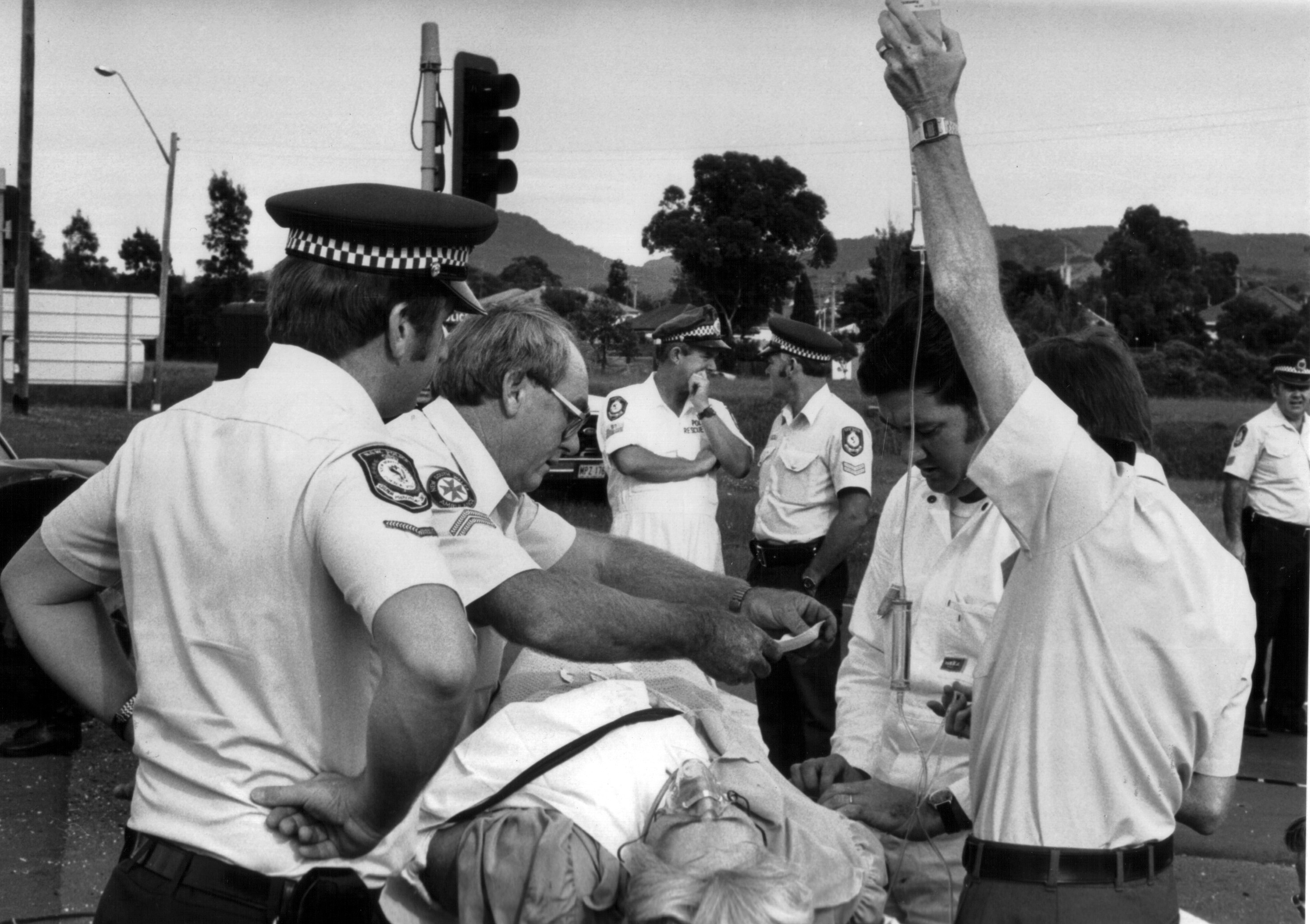
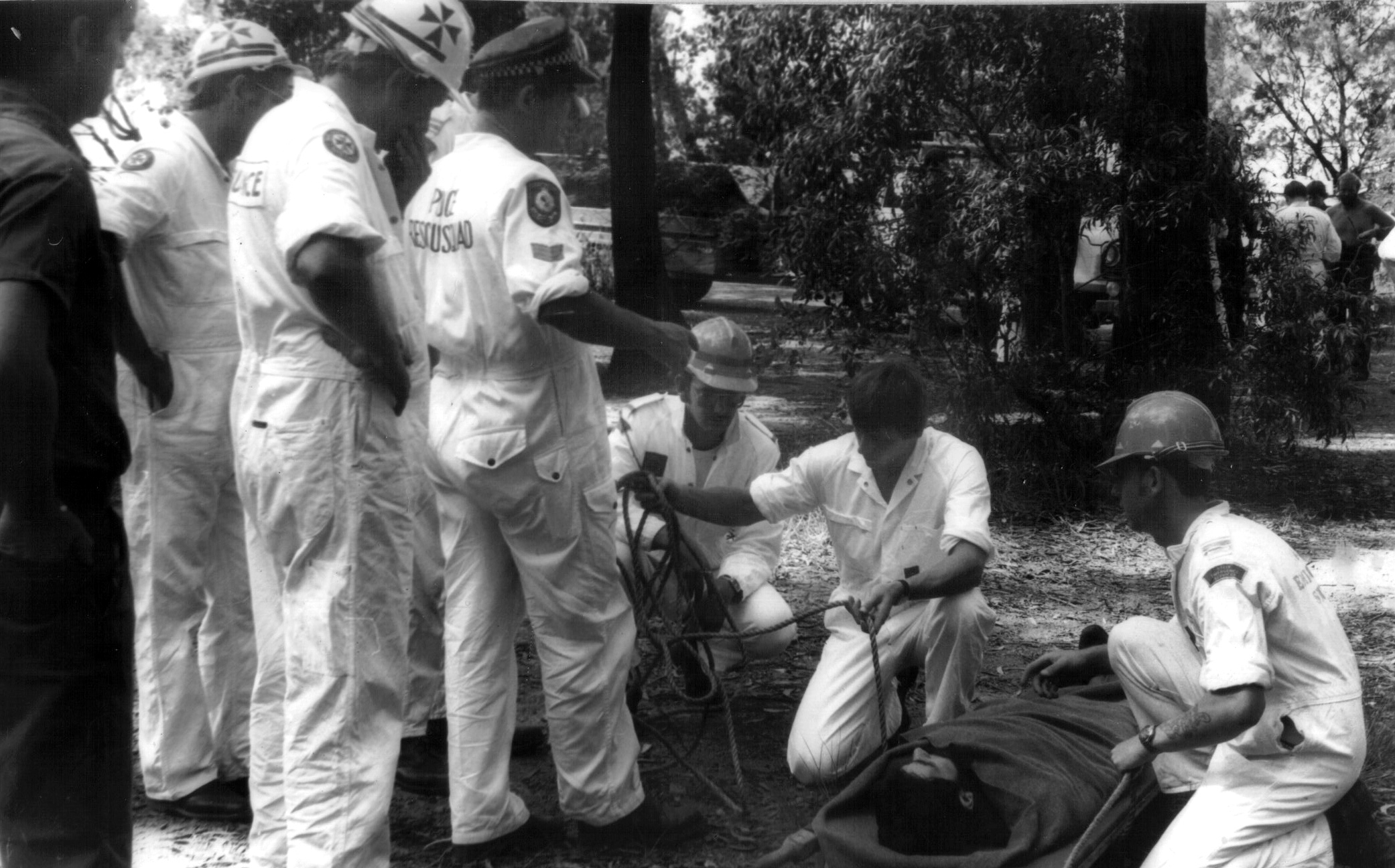
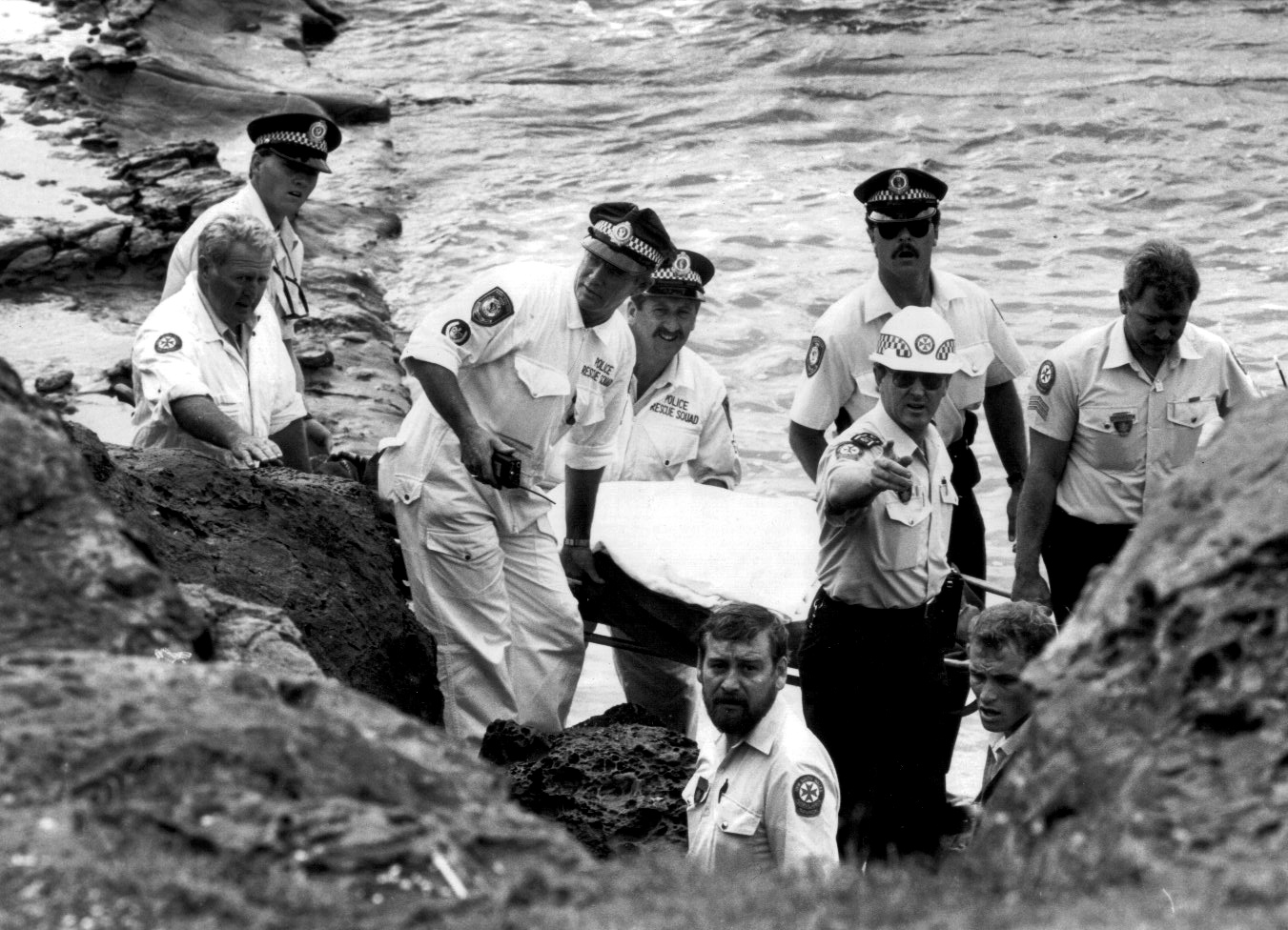
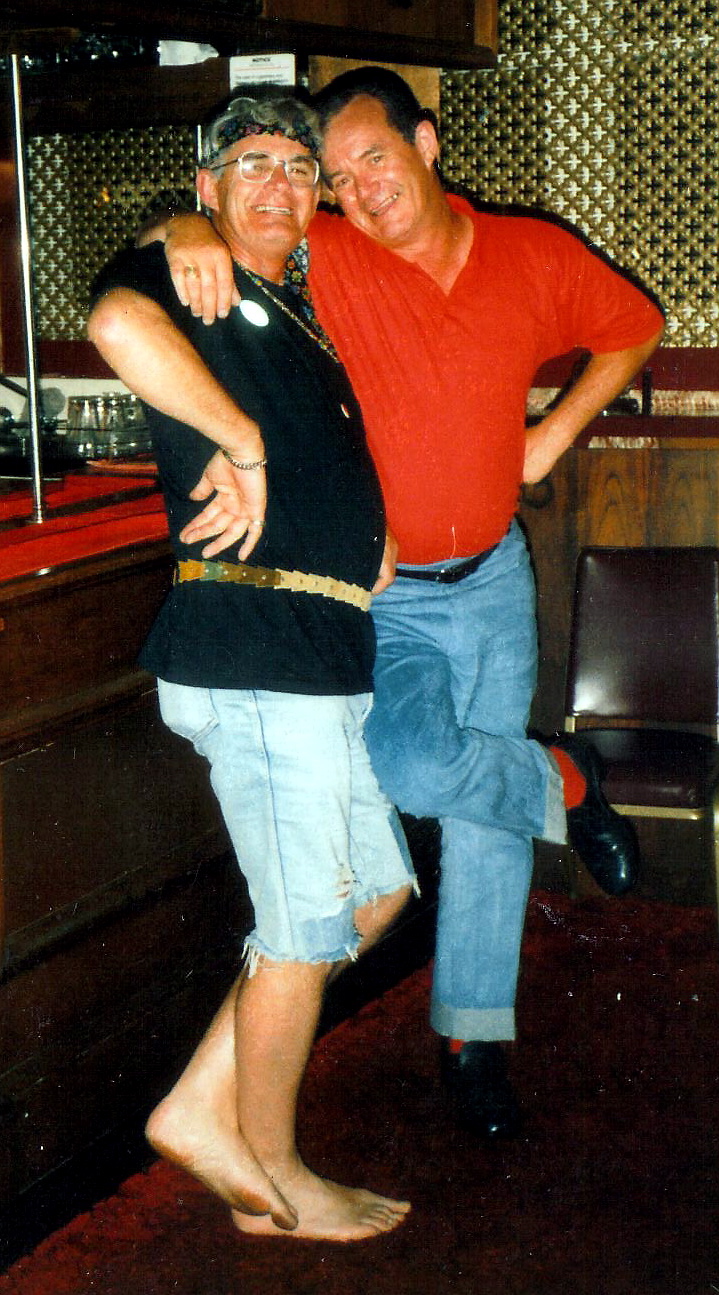
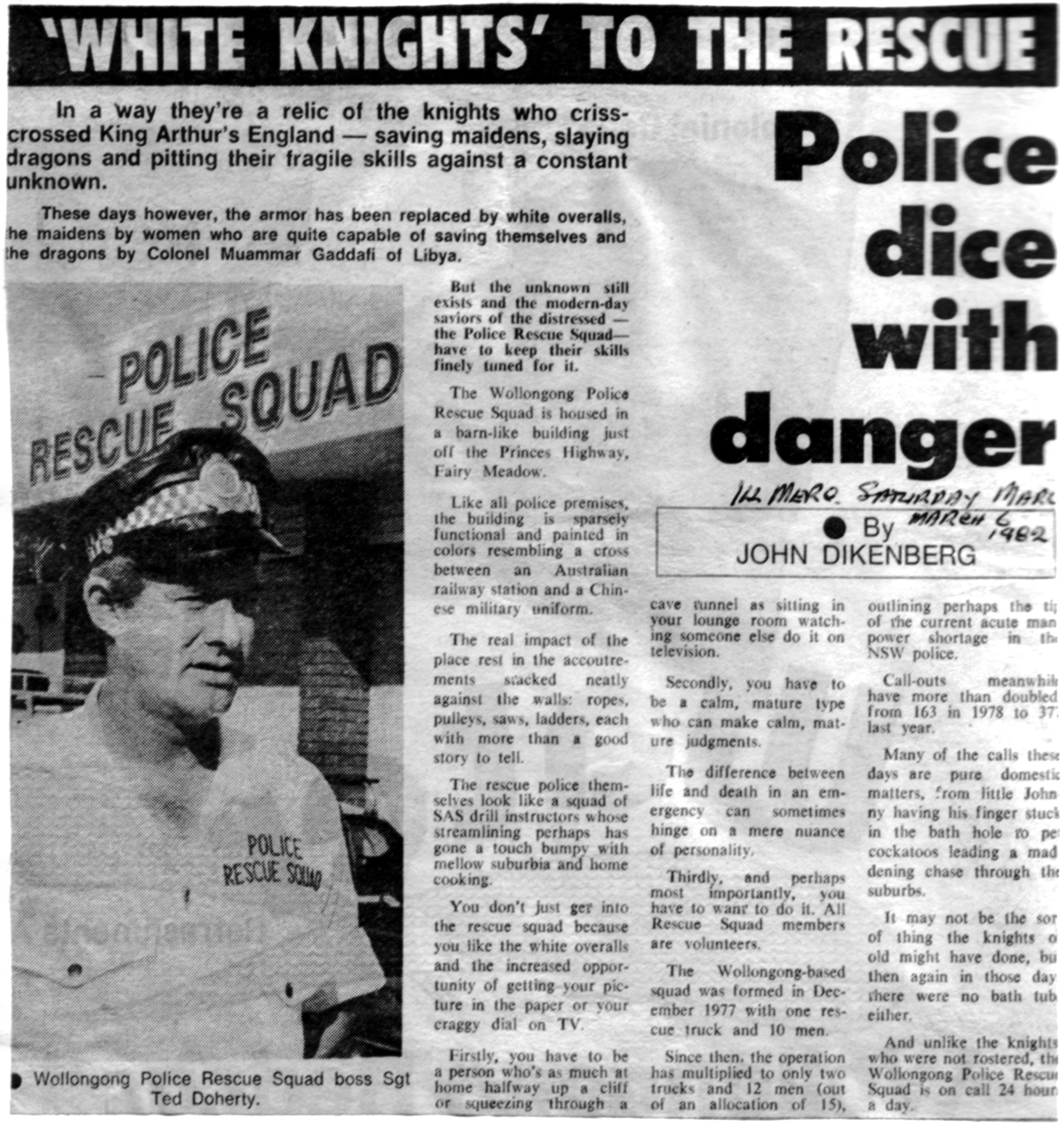
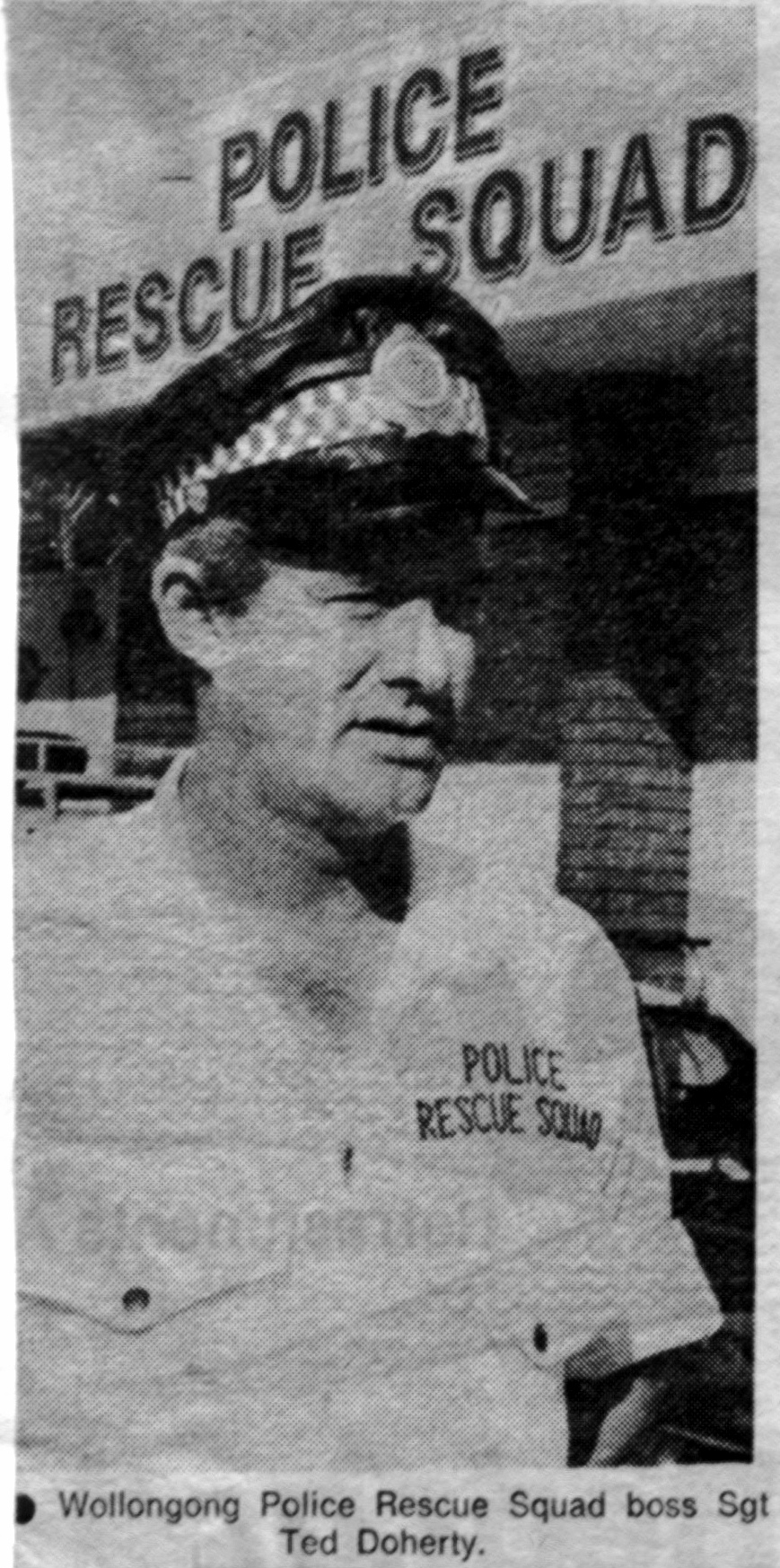
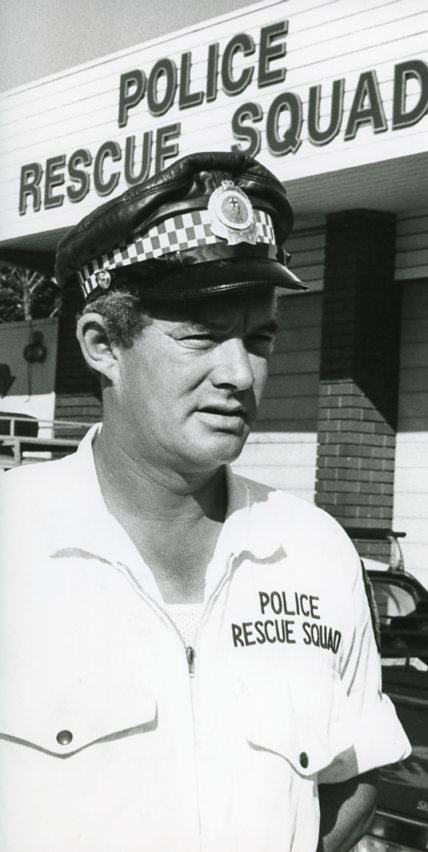
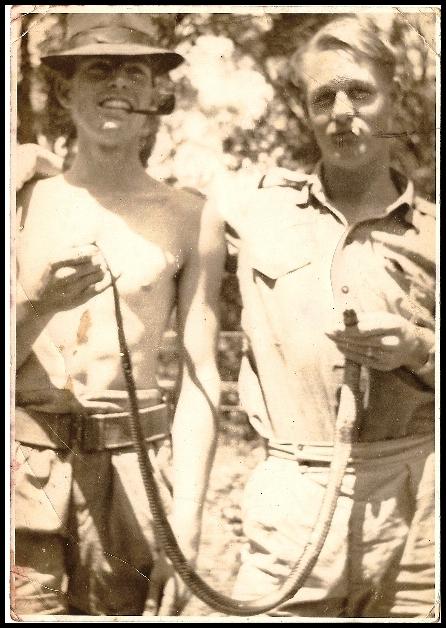

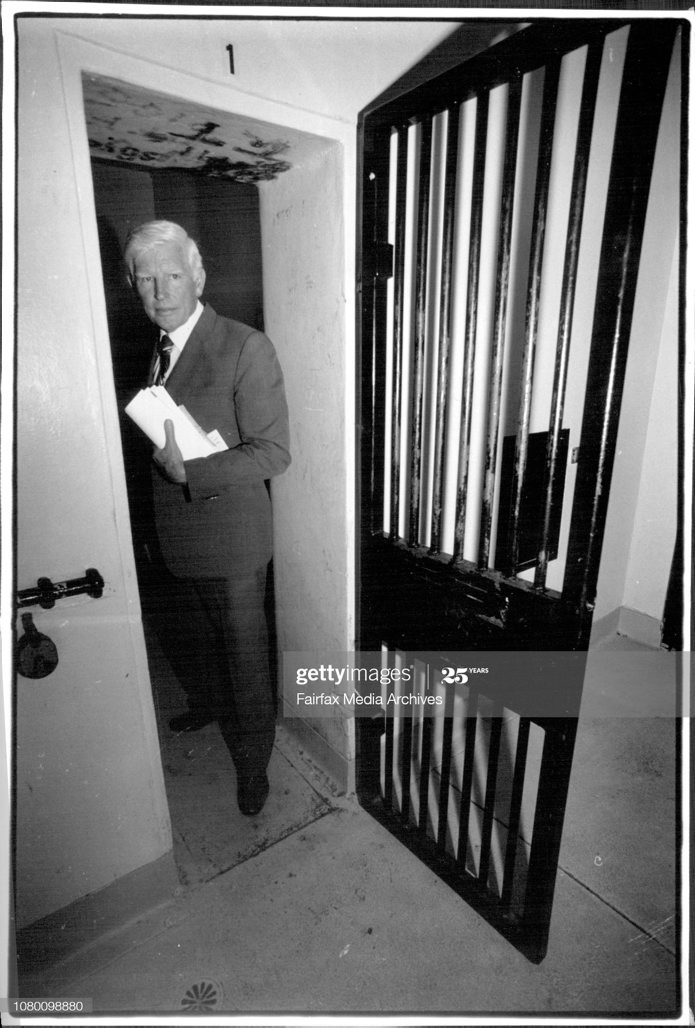
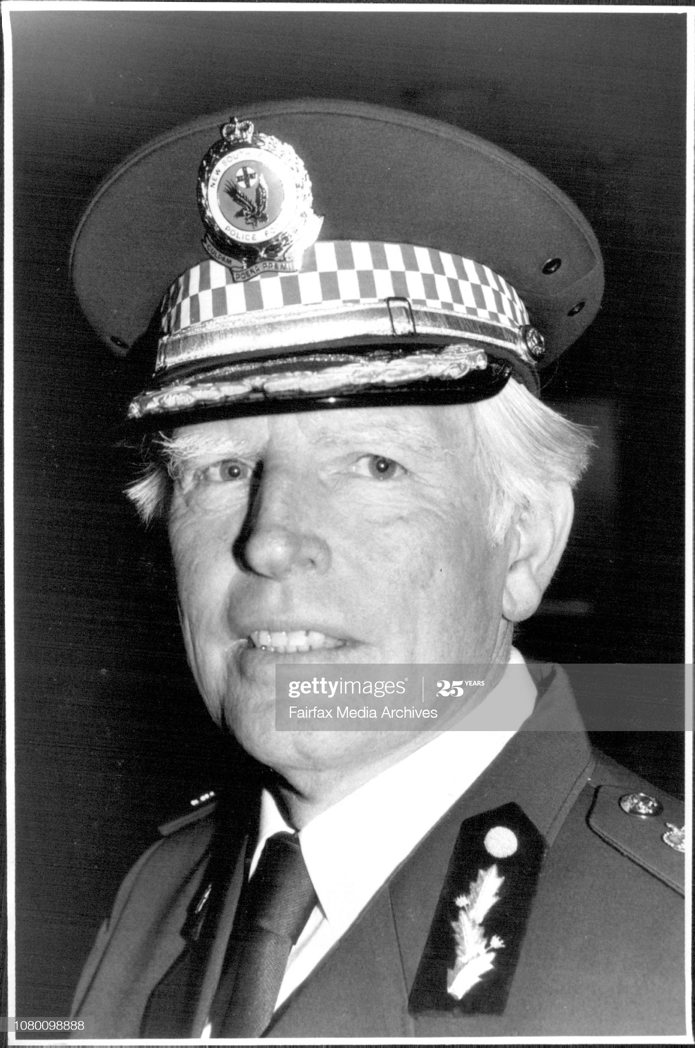



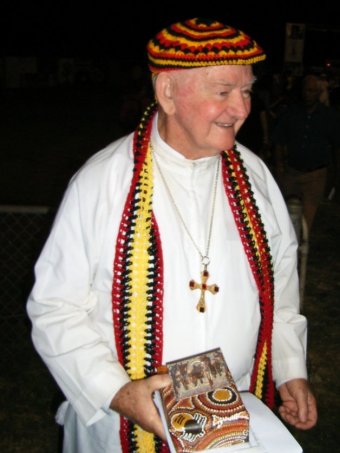
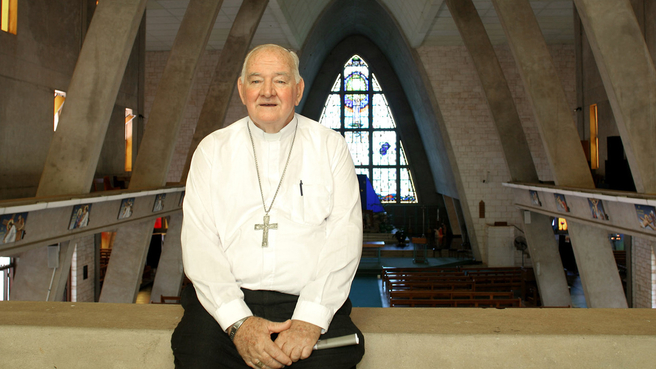
 Location of Funeral & Interment in Darwin
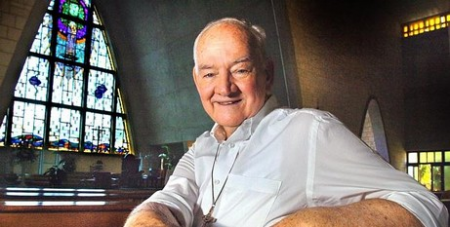
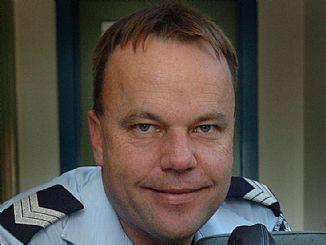
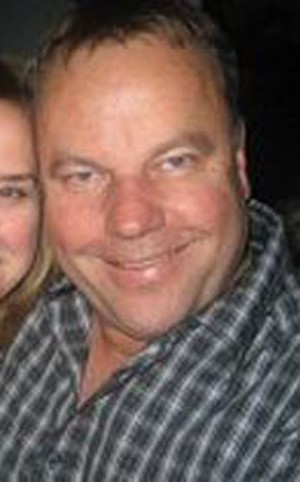

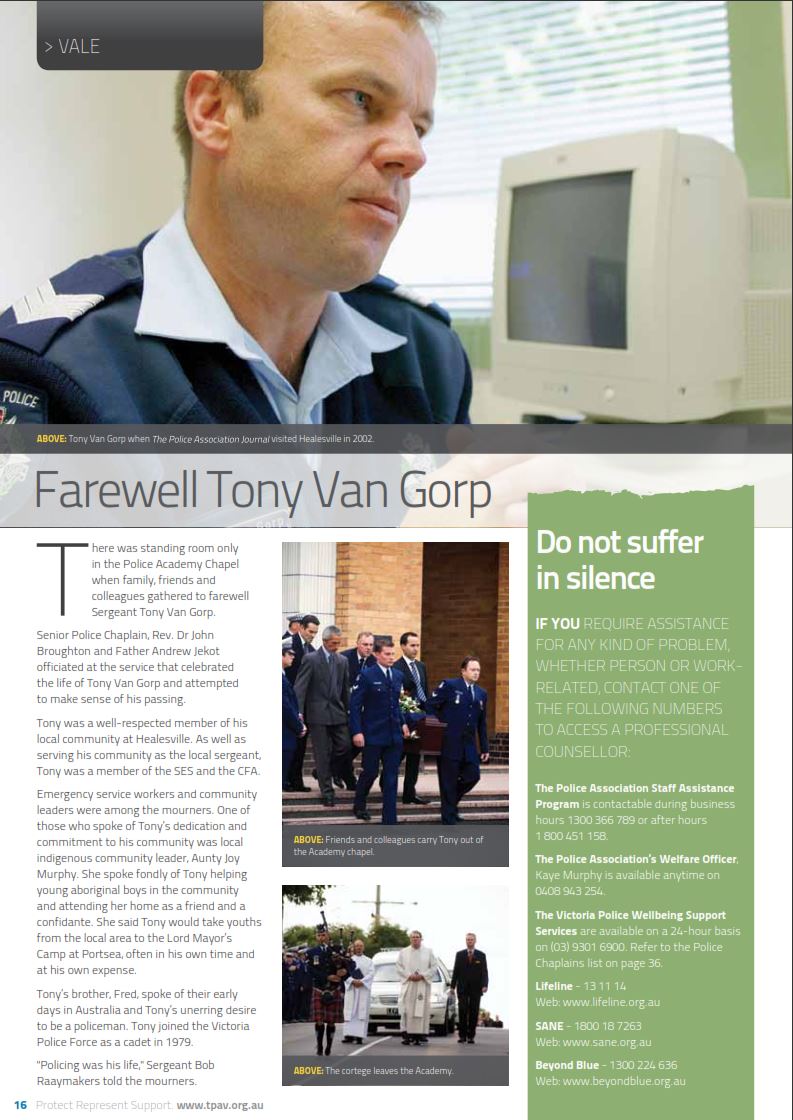

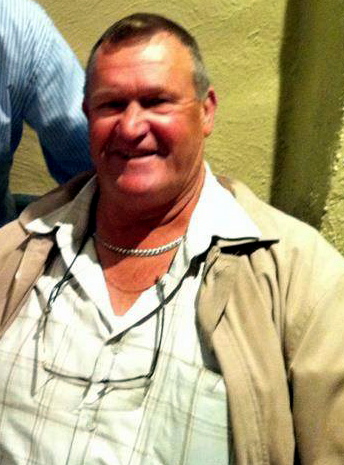

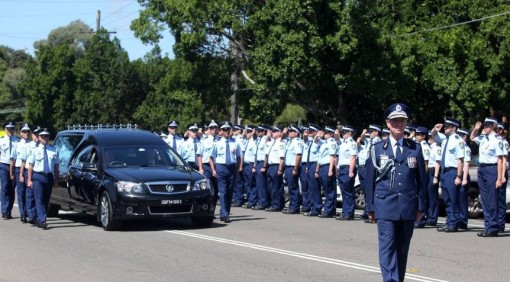
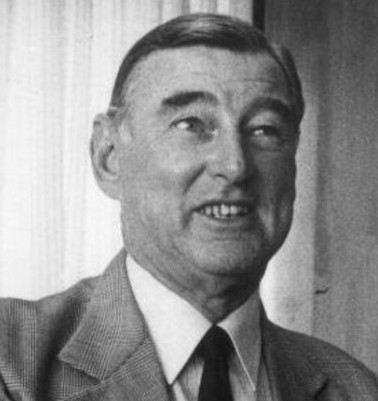
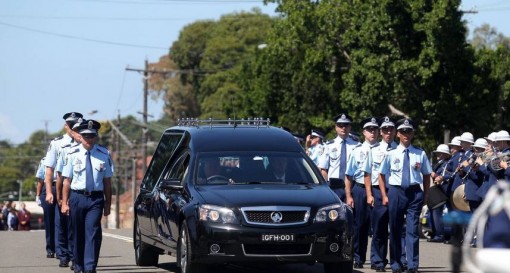
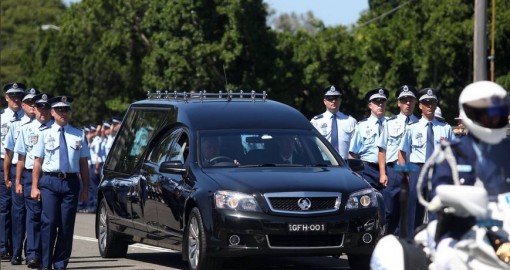
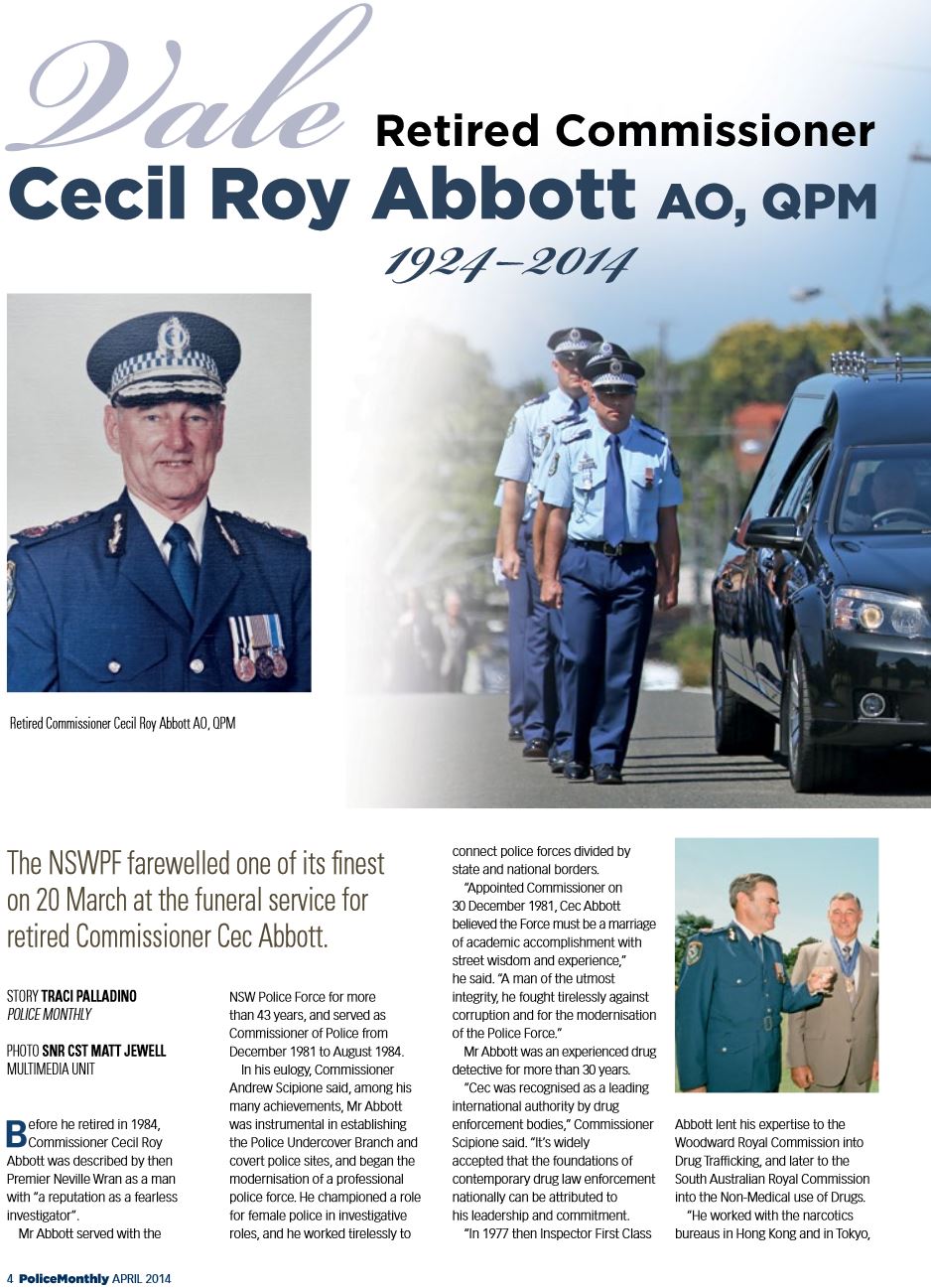
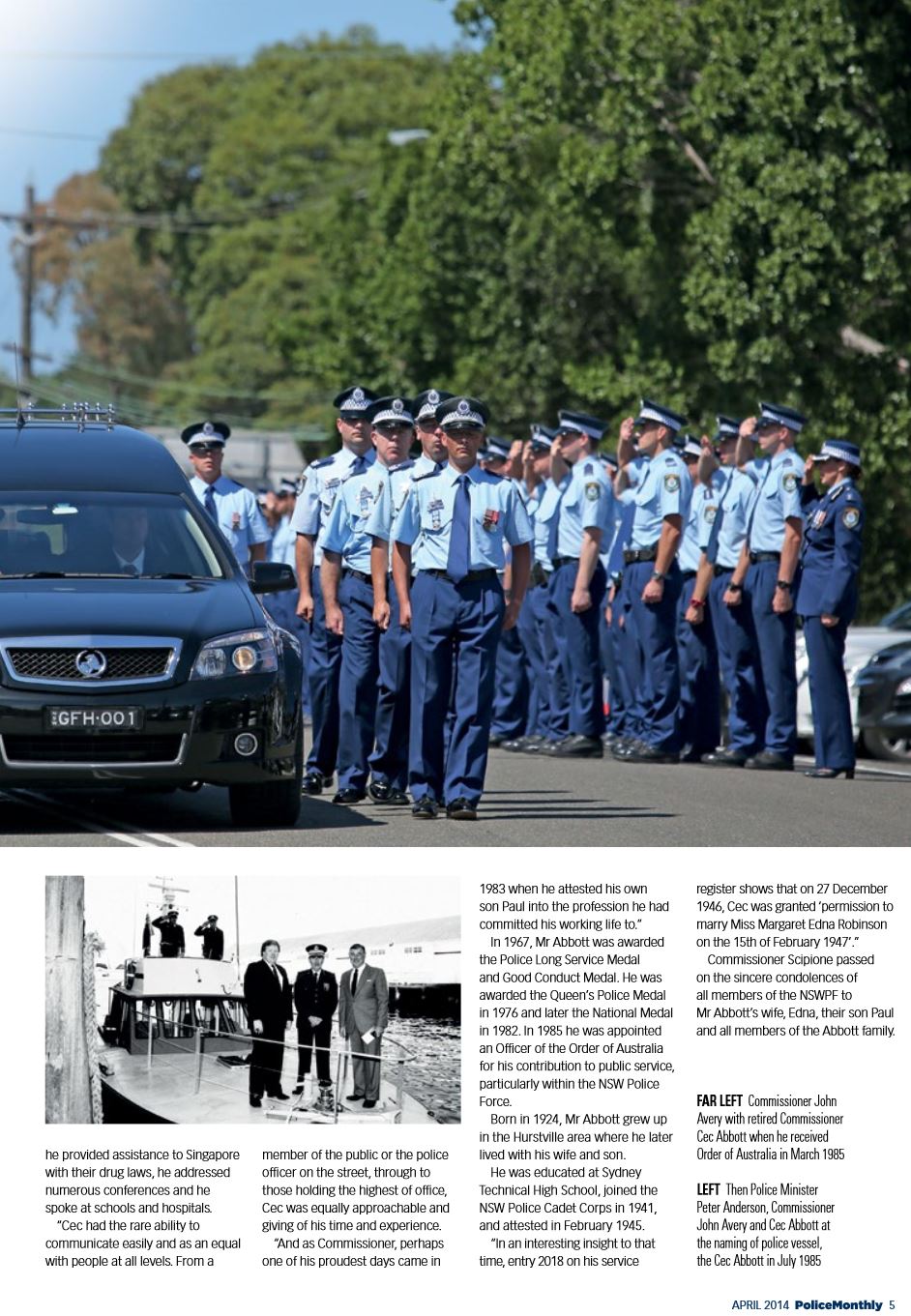
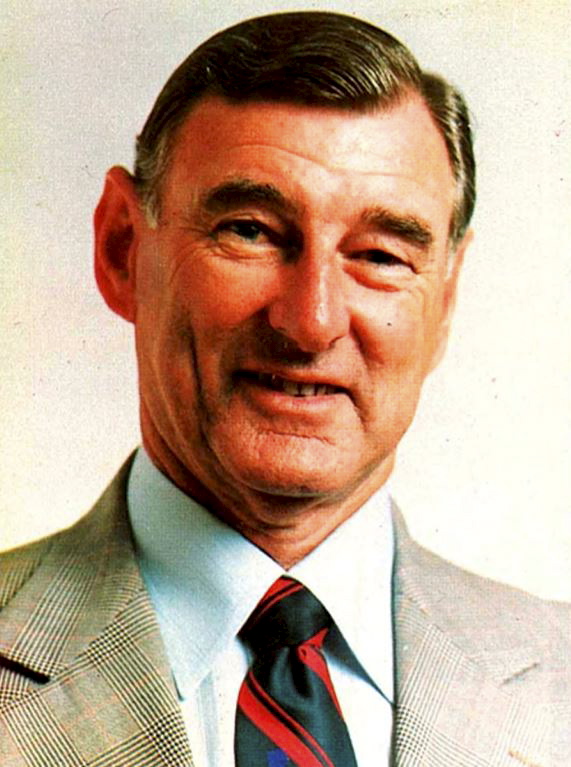
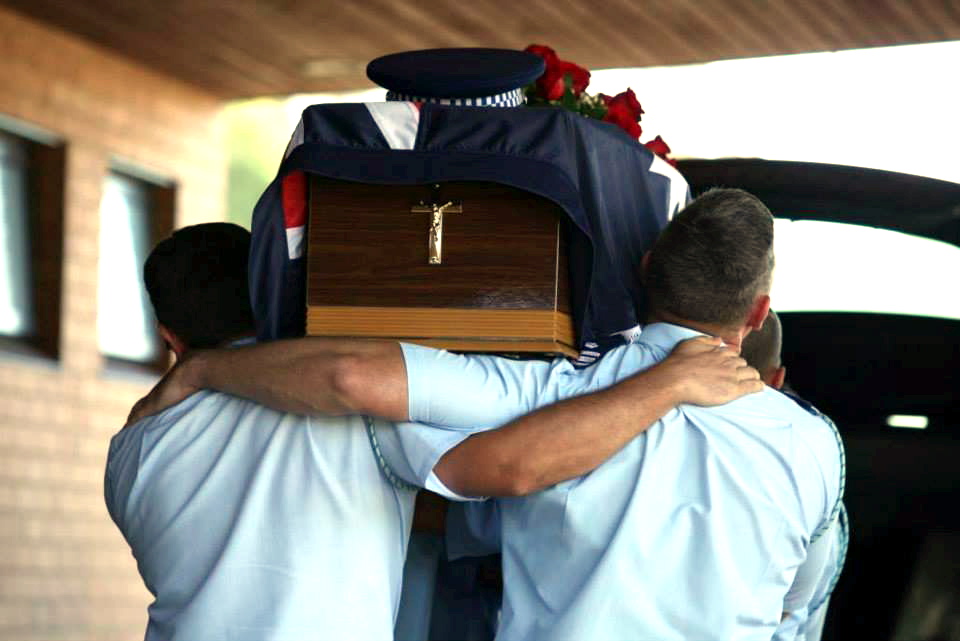
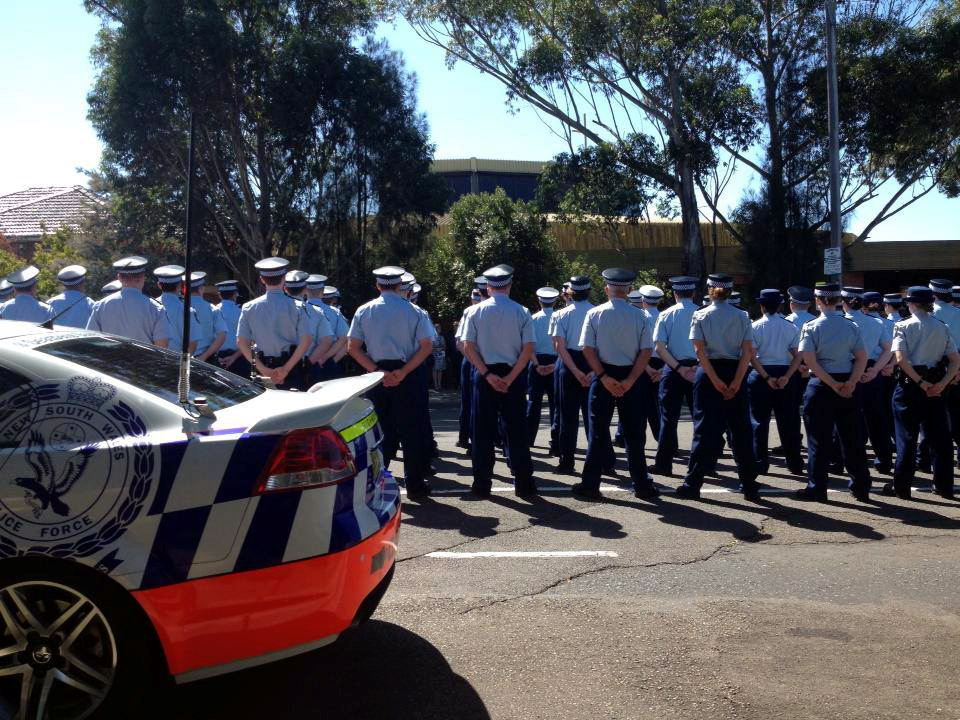
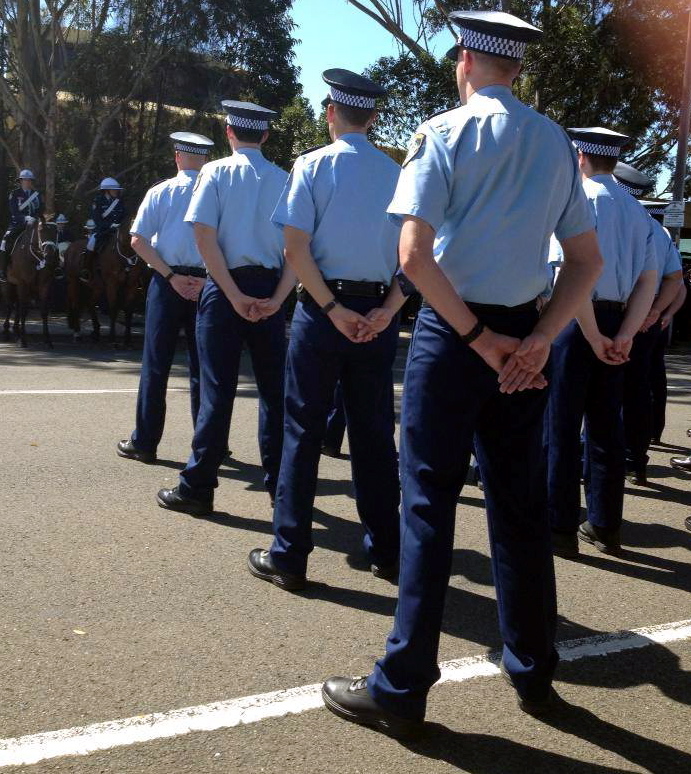
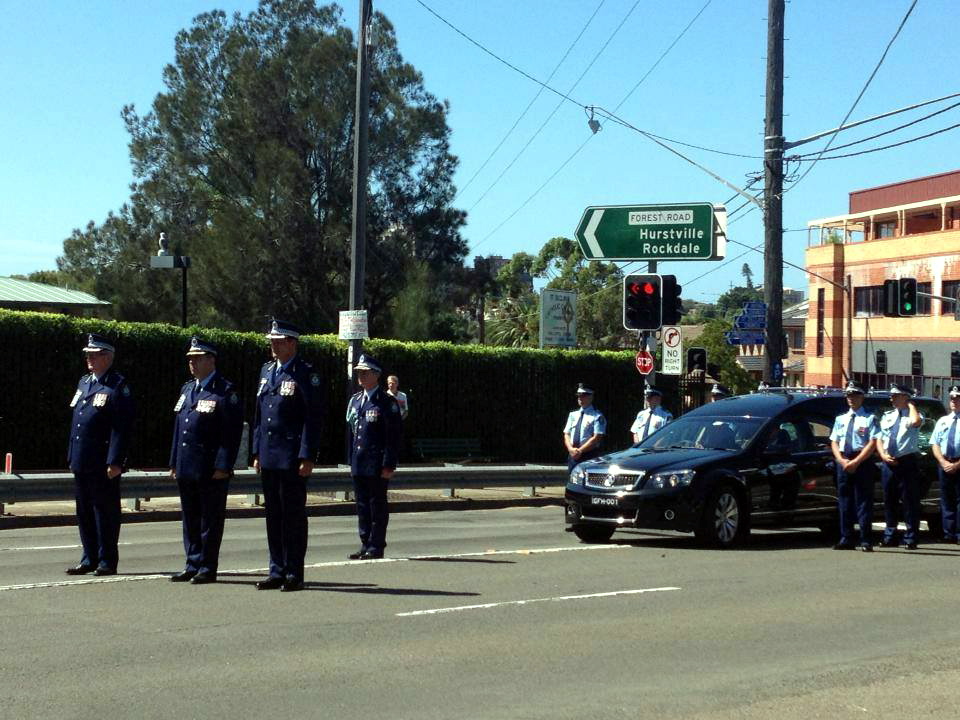
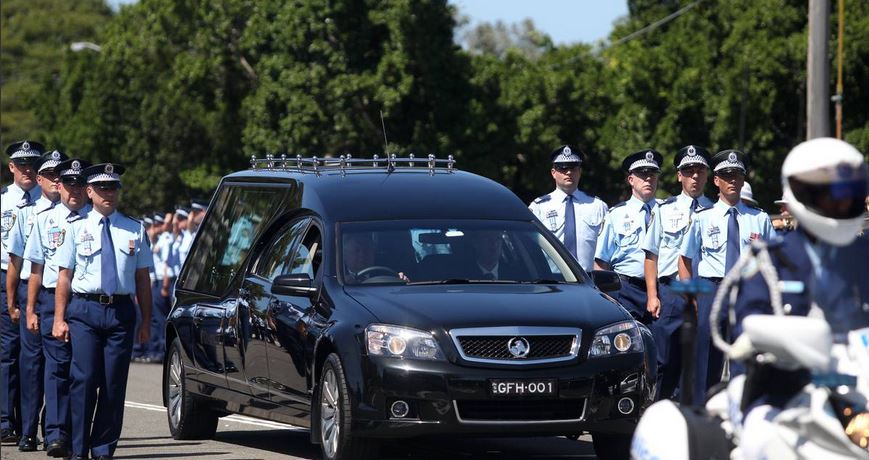

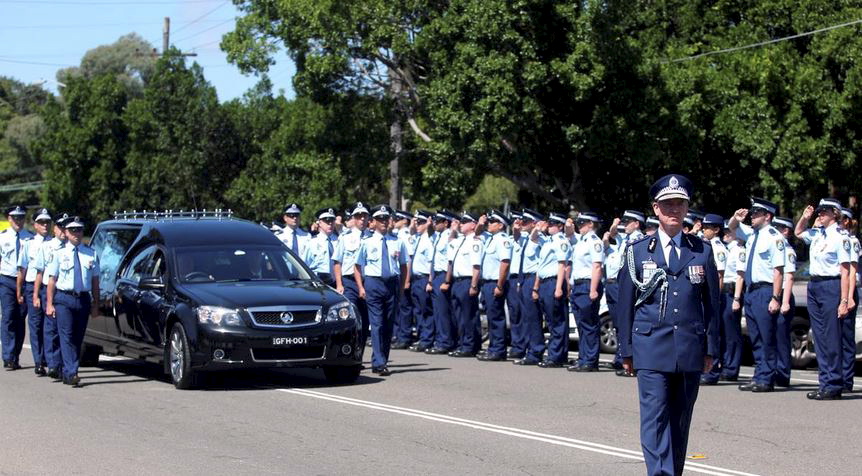
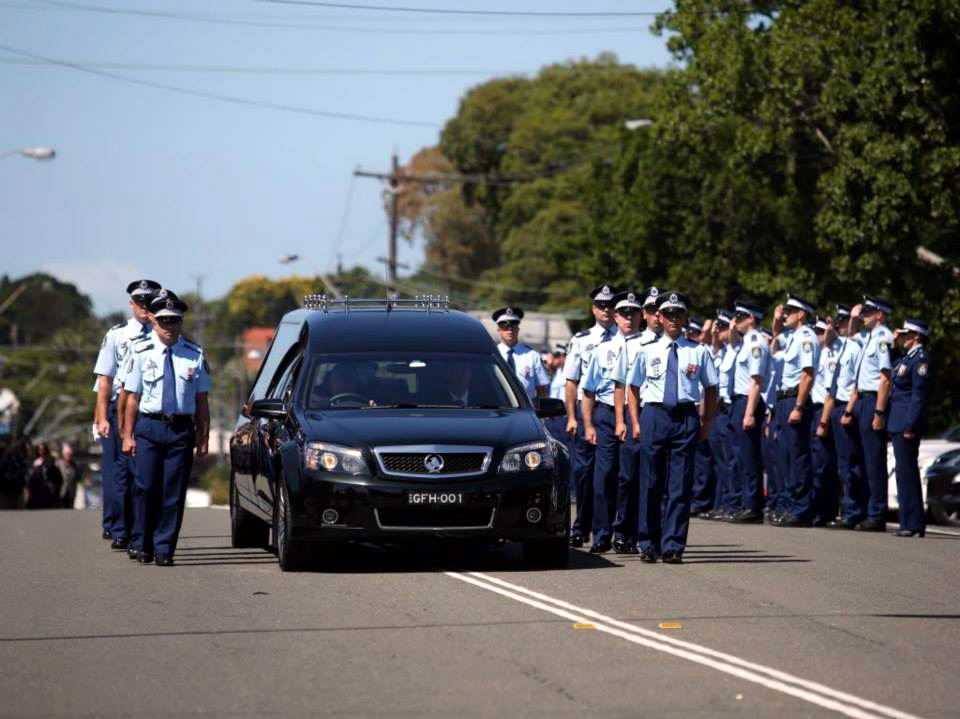
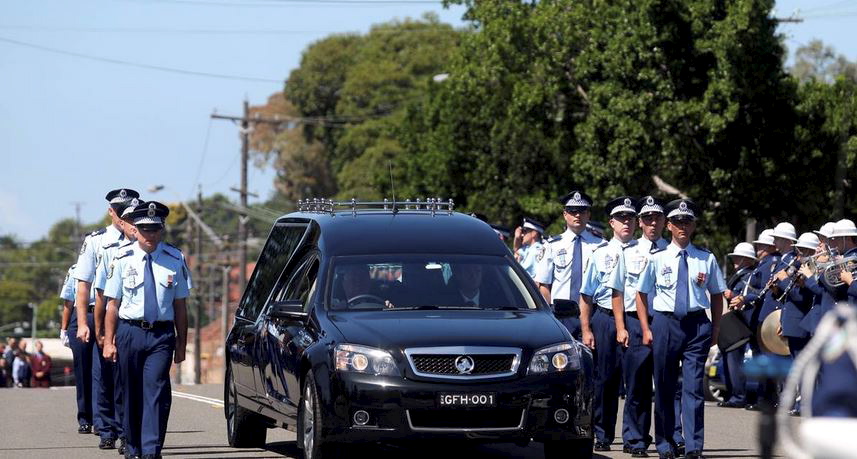
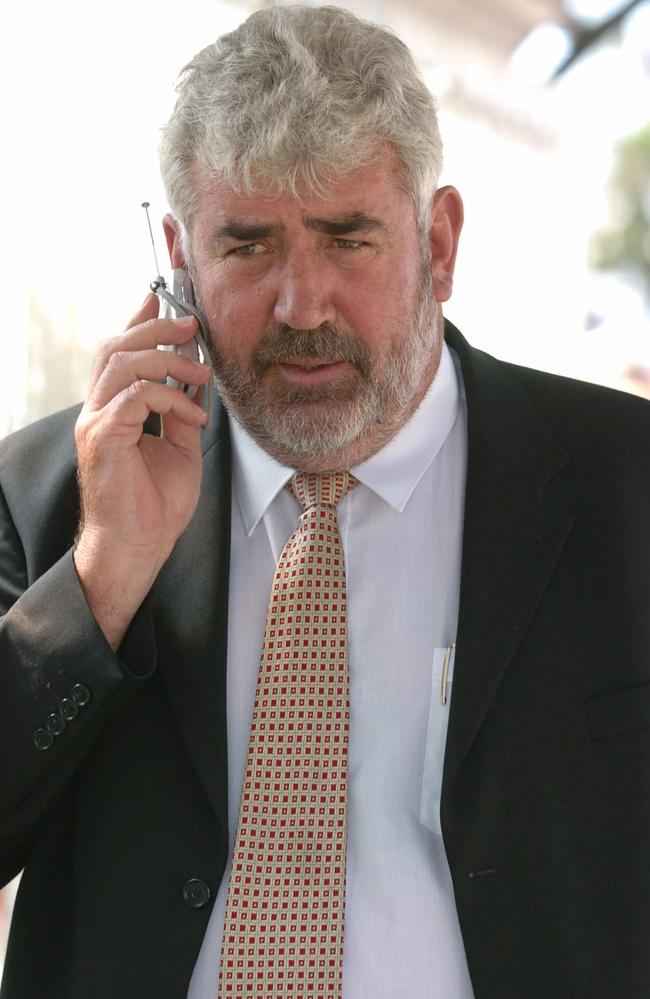
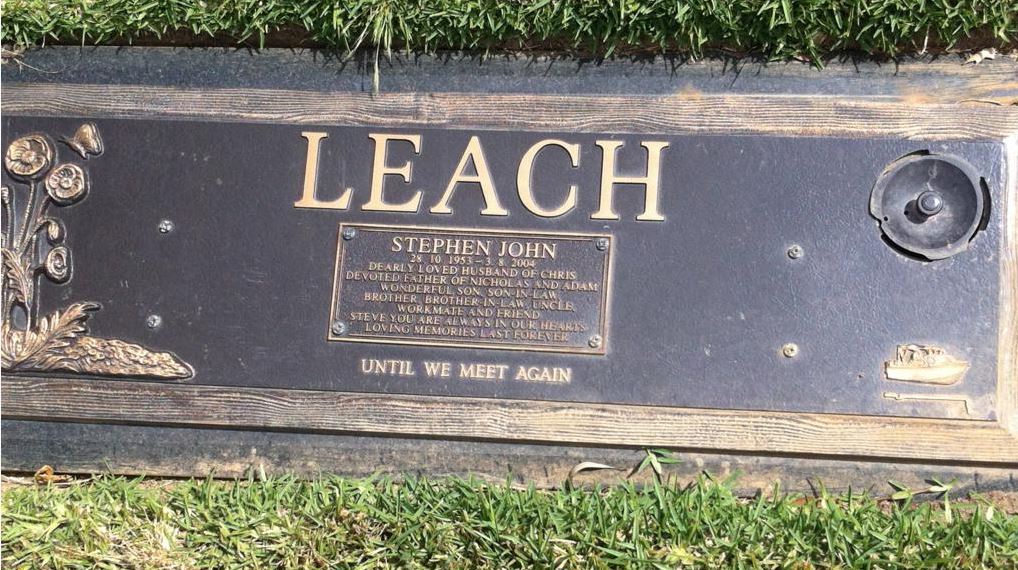
 NSW Police Academy