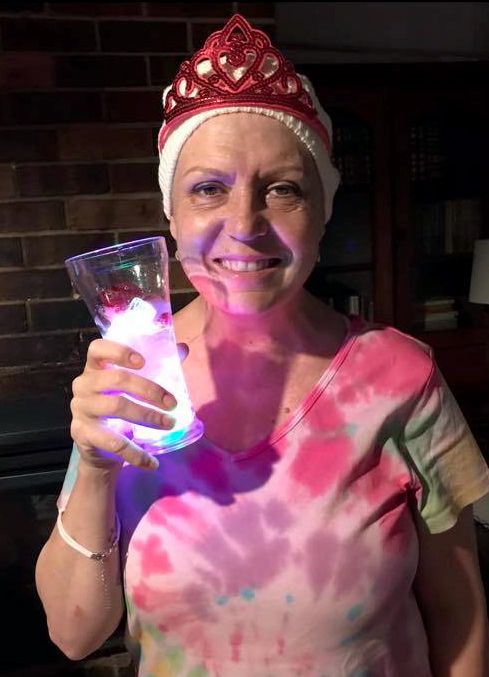
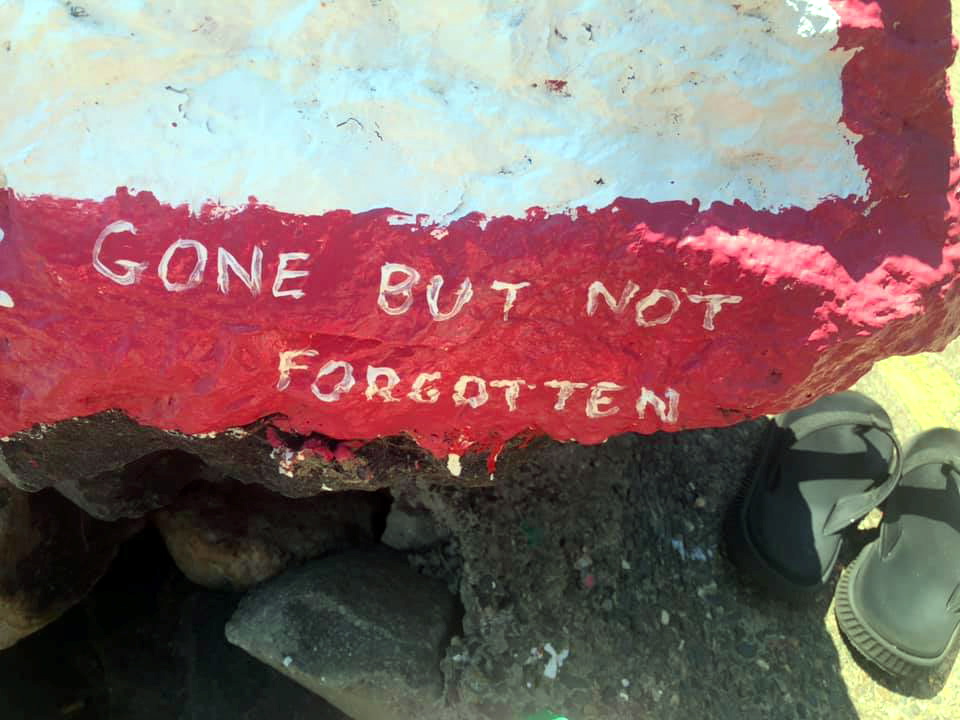
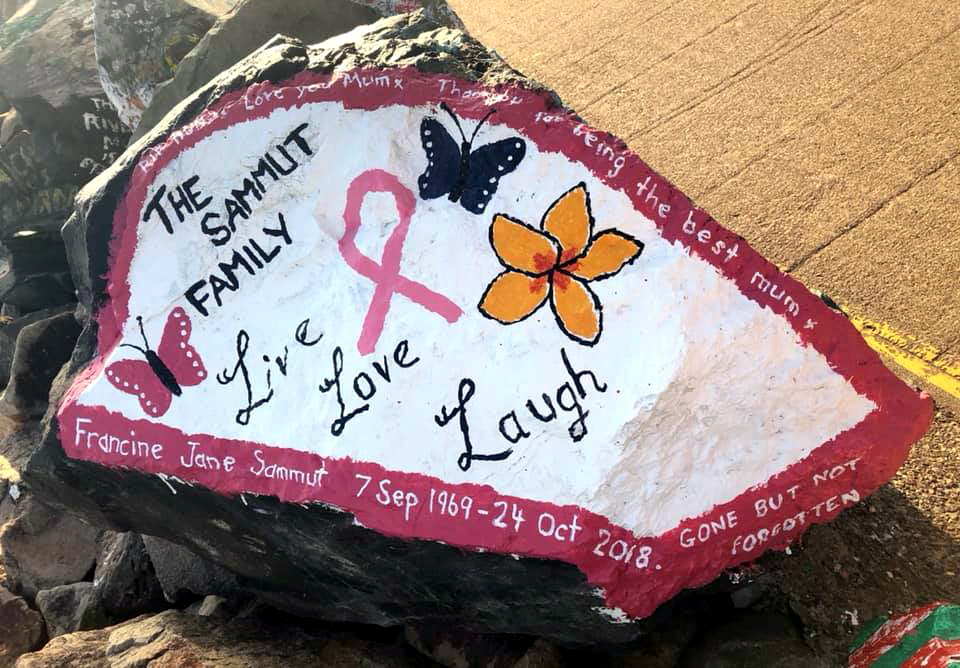
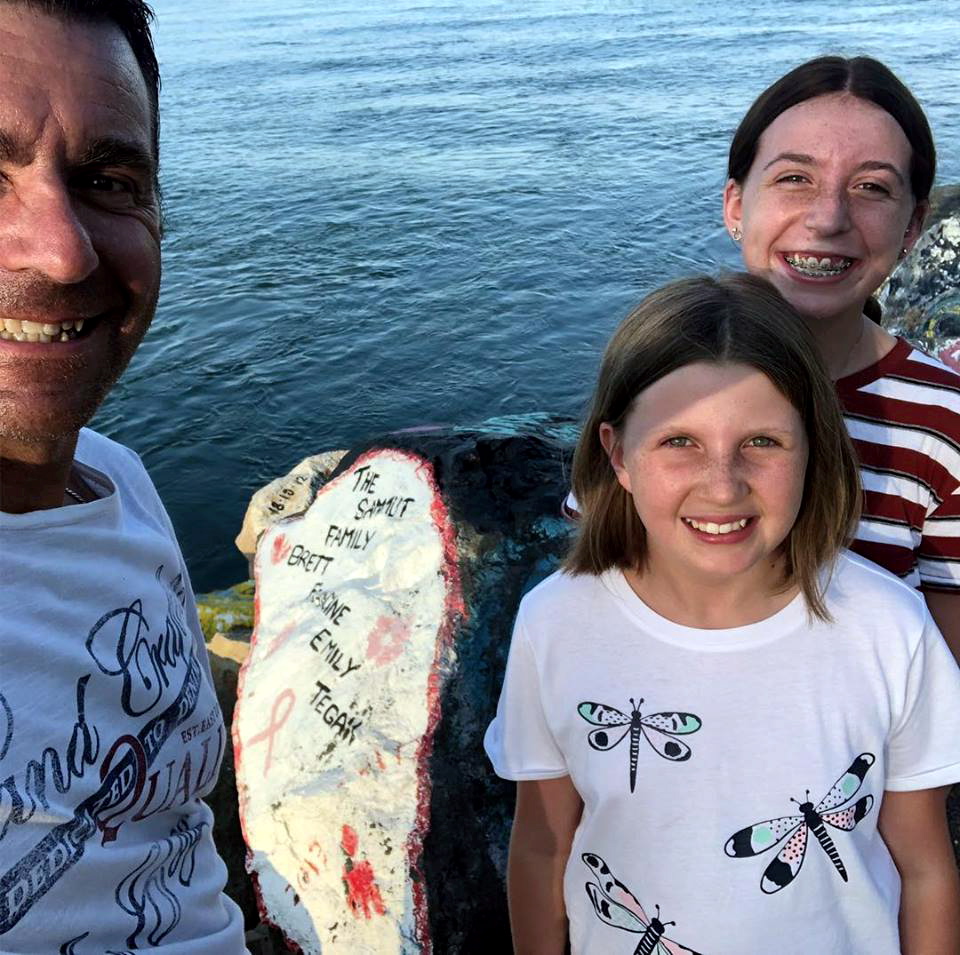
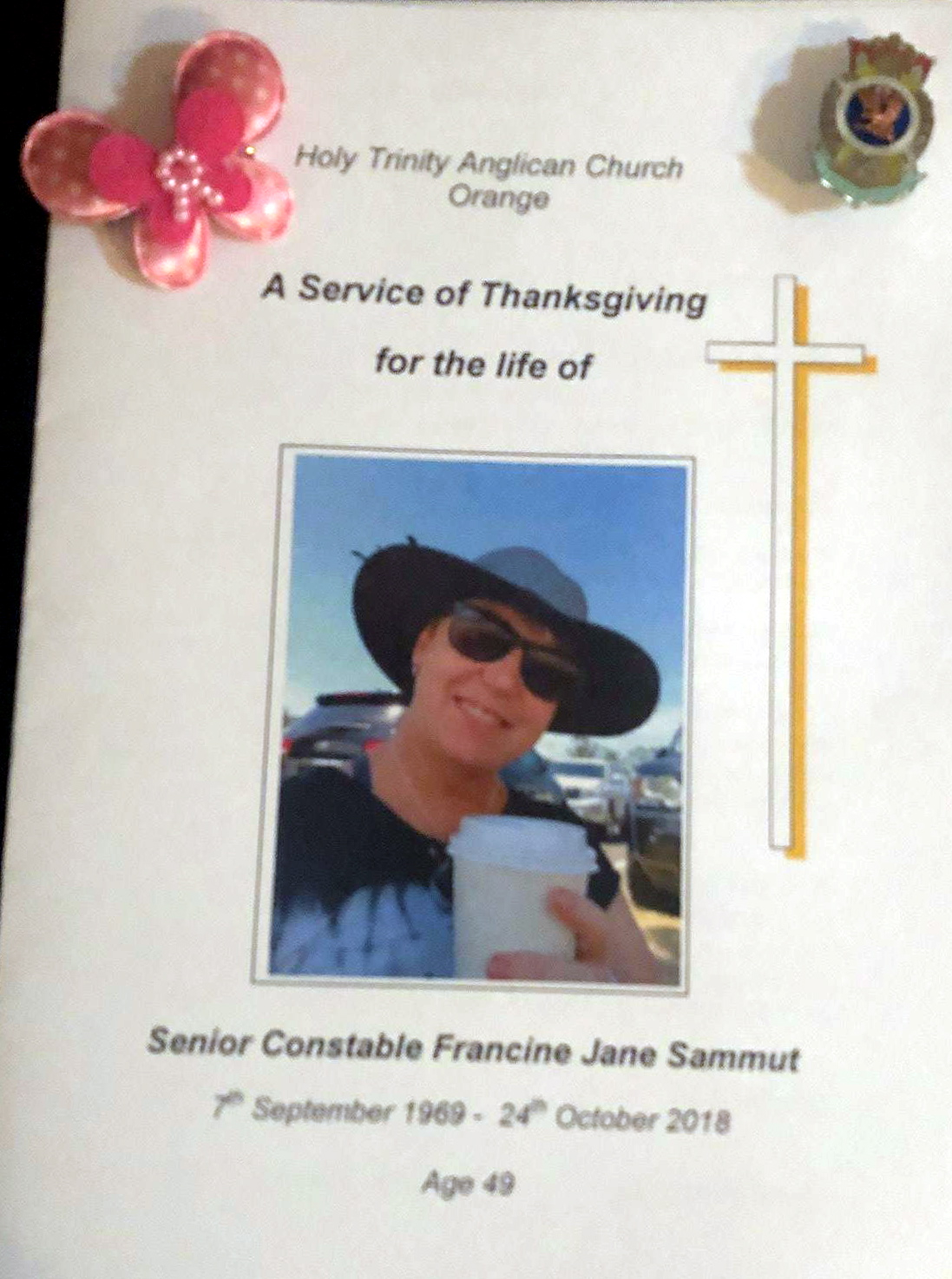
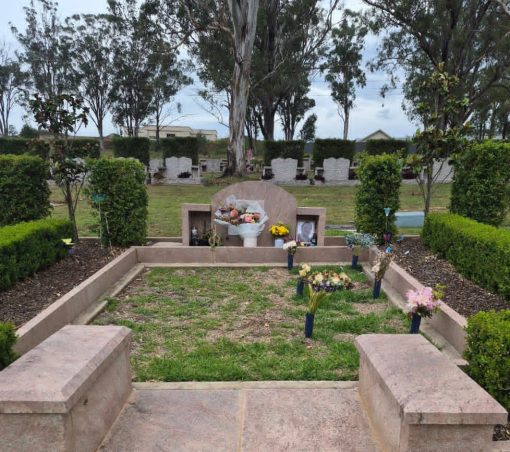
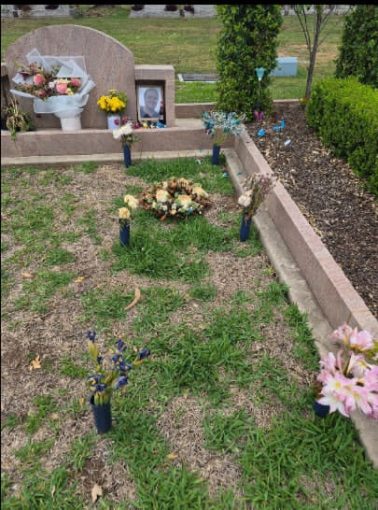
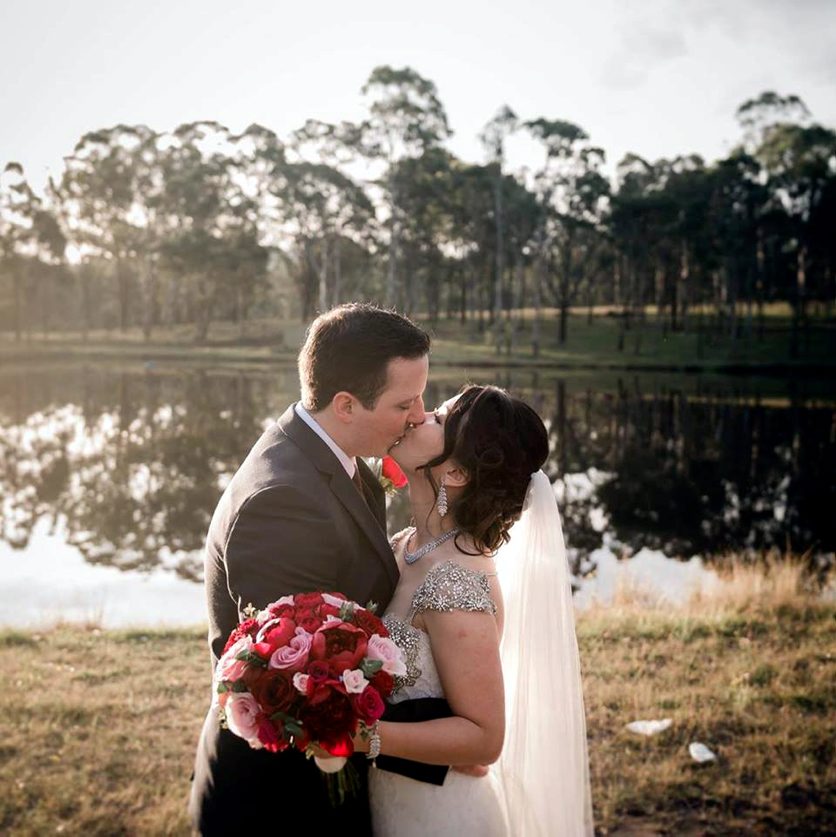
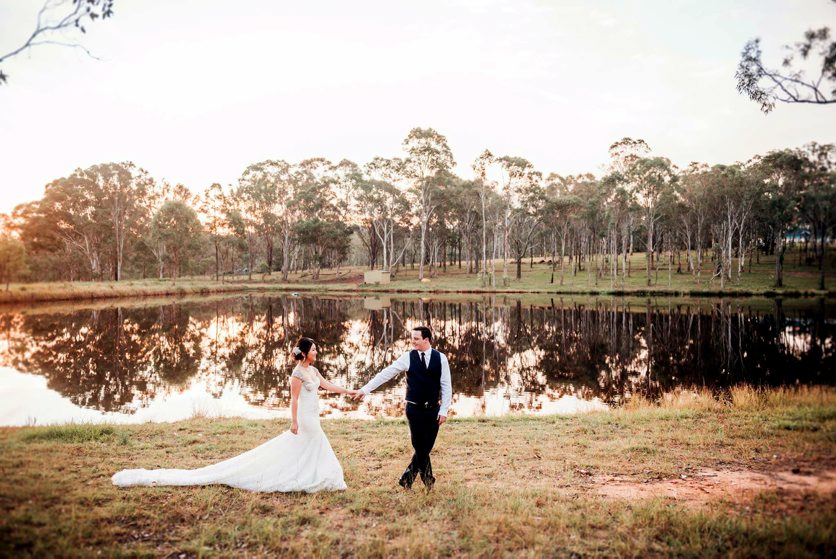
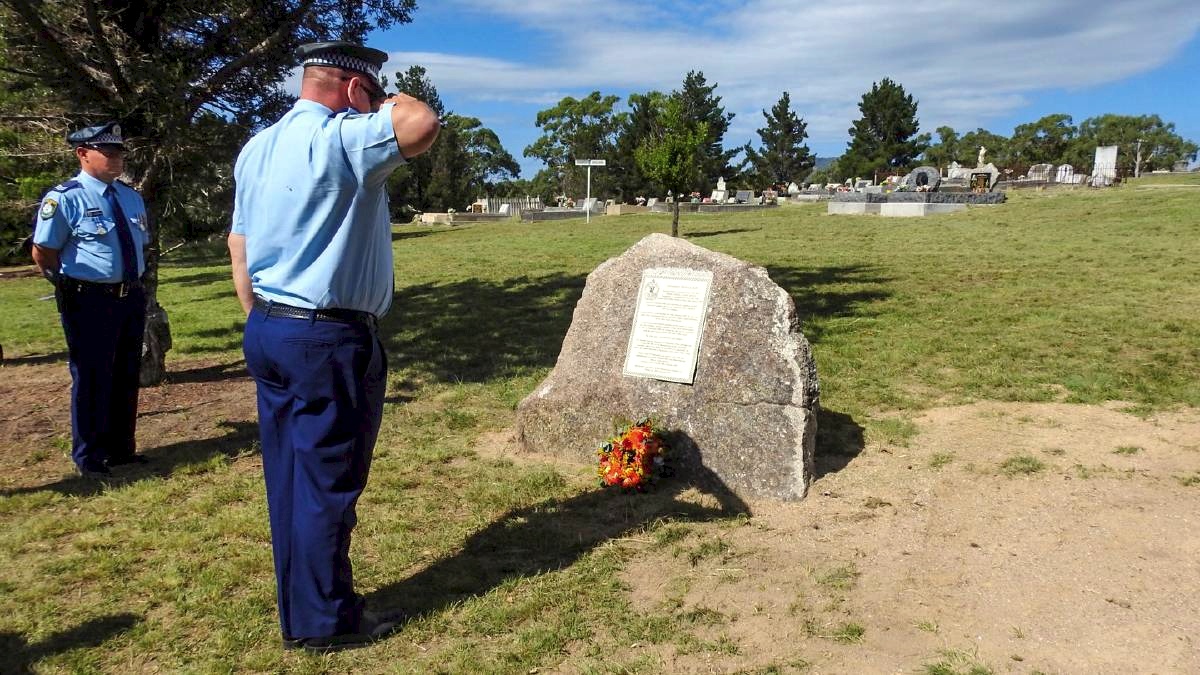
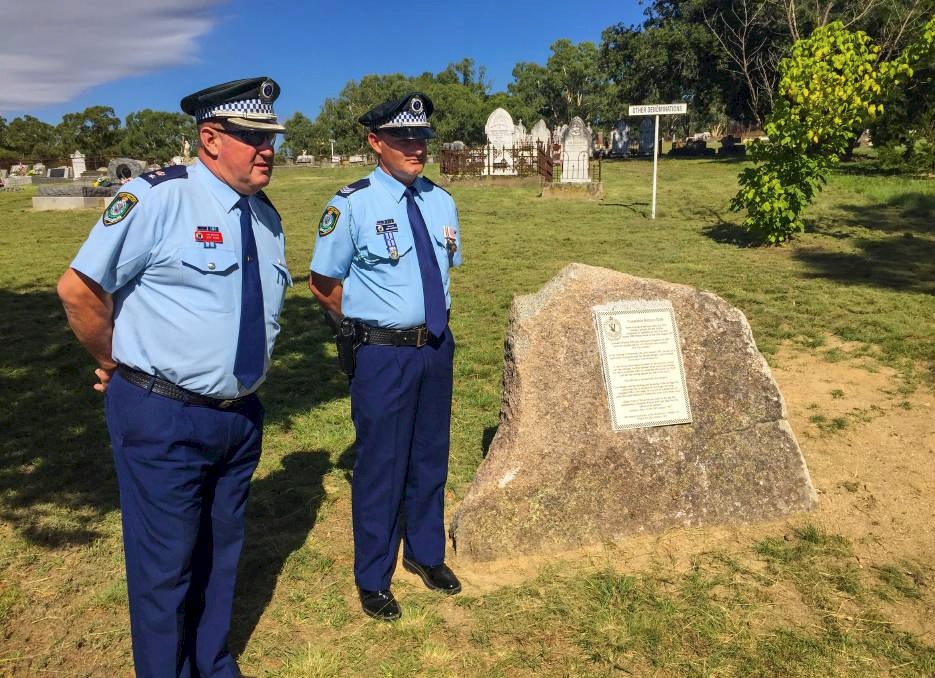
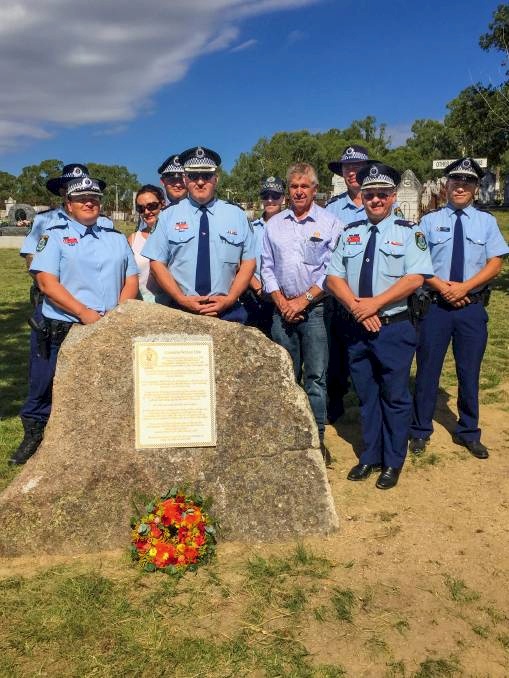
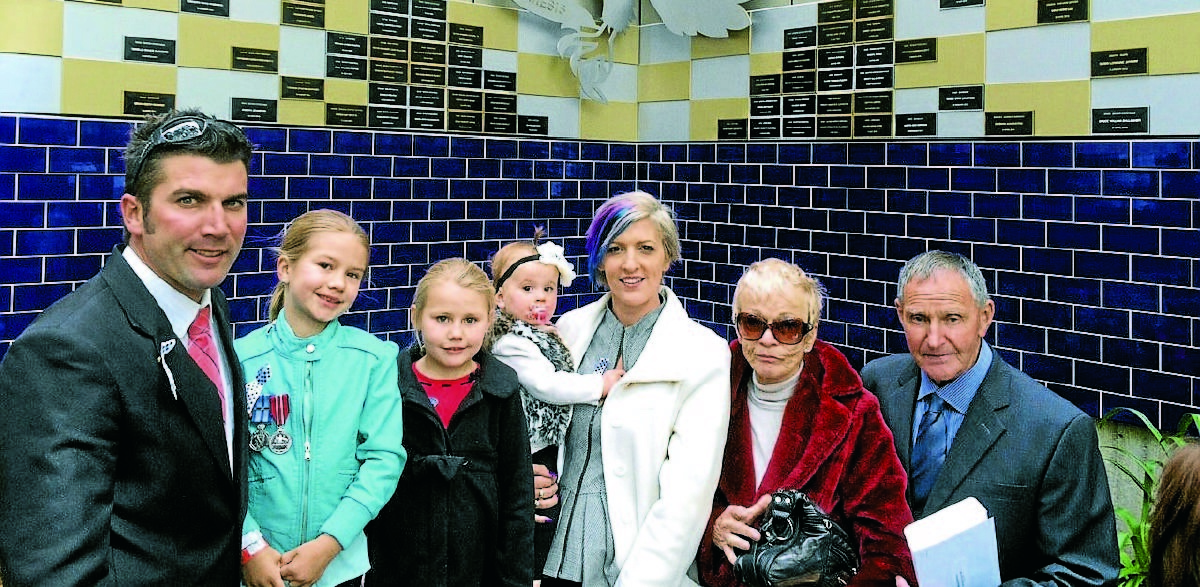
Port Macquarie Breakwall. Brett, Emily & Tegan with the family Memorial rock to Francine. A plaque will be attached around Christmas 2019.
Not known if Fran is related to Barry Maxwell TITE, NSWPF & Cyprus
Harry GRUGEON
24/11/2019
HARRY GRUGEON
AKA HENRY
Late of Deniliquin
New South Wales Police Force
Regd. # ‘Q‘ 3415
For the purposes of this website ‘Q’ represents those Police joining between 1862 ( commencement of NSWPF ) – 23 February 1915 ( Commencement of NSWPF current numbering system )
Rank: Constable – appointed 22 February 1879
Senior Sergeant – appointed ? ? ?
Sub Inspector – appointed ? ? 1897
First Class Sub Inspector – appointed April 1903 at Hay ( could this ‘possibly’ be ‘Q’ # 3036 ??? )
First Class Sub Inspector – appointed 1 April 1906
Superintendent Henry ‘Harry’ GRUGEON
Born c1855 at Edmonton, England.
Died 10/1/1911, Deniliquin, NSW.
32 years service.
Buried Deniliquin, NSW 1881. Married Johannah HENNESSY, Deniliquin, NSW 1897. Promoted from Senior Sergeant to Sub Inspector 1898. Was a Sub Inspector at Narrandera.
15/10/1898, in the Australian Town and Country news paper.
The police district is under the control of Sub-inspector Grugeon, and the local force comprises, in addition, four footmen and three troopers. The gaol is in charge of Senior constable Bowman.
1906. Promoted from Sub Inspector to Inspector 1906-1909. Would appear that he was stationed at Parramatta as an Inspector 1909. Promoted from Inspector to Superintendent.
17/7/1909, Evening News Newspaper
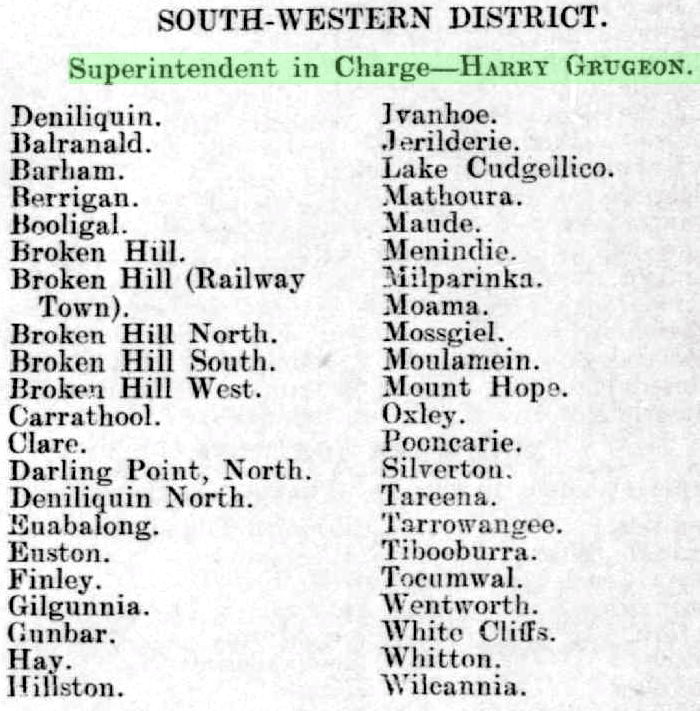
Police Superintendent Grugeon was entertained at the Woolpack Hotel, Parramatta, at a farewell fraternal gathering, on the eve of his departure for Deniliquin to take charge of the South Western Police District. The Mayor (Alderman Haugh) presided, and there was a large attendance of prominent residents, magistrates, court officials, and others.
Among the speakers were Colonel Ferris, -ex -Superintendent Brennan, Mr. M. S. Love, S.M., Superintendent Day, Mr. G. Addison, C.P.S. and Parramatta Chamber Magistrate, Father O’Reilly, Dr. Kearney, and Sergeant Lucas.
During the evening Mr. Love, on behalf of the court officials, handed Superintendent Grugeon a cheque with which to buy a buggy on his arrival at Deniliquin. (Note that he was given a cheque to buy a buggy)
14/1/1911, Nepean Times.
FATAL BUGGY ACCIDENT. Superintendent of Police Henry Grugeon, of Deniliquin, died about 6 o’clock on Tuesday morning, as the result of a buggy accident. It appears that the superintendent was out driving in his buggy, with a pair of horses, accompanied by his son Stephen and daughter Mary. The horses became restive on Mathoura road, about three and a half miles from Deniliquin, and bolted, and, on turning short, the buggy capsized, throwing the occupants out.
Mr Grugeon fell on his head, and received several nasty cuts on the head and face. He was unconscious.
His son at once went to the freezing works and telephoned to Dr. Marsden, who went out and brought Mr Grugeon to his home, where he was attended by Dr Marsden and Hoskin, but never regained consciousness.
The son and daughter received only a few scratches.
Mr Grugeon was inspector in charge of Parramatta before being appointed superintendent at Deniliquin.
At the Parramatta Police Court on Tuesday sympathetic reference was made to the death of Superintendent Grugeon by Mr E L Maitland, S.M., by Mr E K Bowden on behalf of the legal profession, and by Inspector Bedingfield ( possibly Q # 2799 ) ( deceased’s successor at Parramatta) on behalf of the police.
His death was also mentioned in ‘The Argus’ Melbourne. Not transcribed.
He left a wife, 6 daughters and 3 sons. His wife Johannah died 28/7/1945 at Lewisham Private Hospital.
2/1/2019, Deniliquin Times.
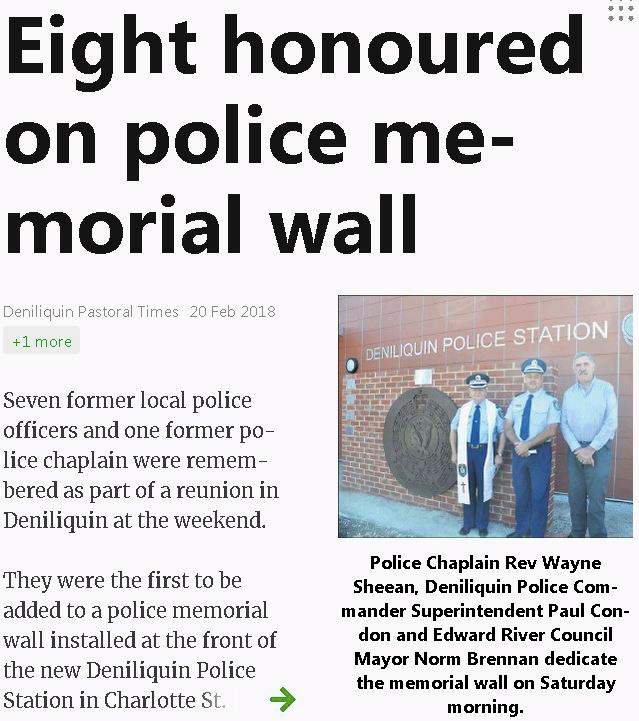
Eight honoured on police memorial wall’ –
Seven former local police officers and a former police chaplain were honoured during a police reunion in Deniliquin.
They were the first to be added to the police memorial wall at the new Deniliquin police station.
Cumberland Argus and Fruitgrowers Advocate (Parramatta, NSW : 1888 – 1950), Saturday 26 August 1911, page 6
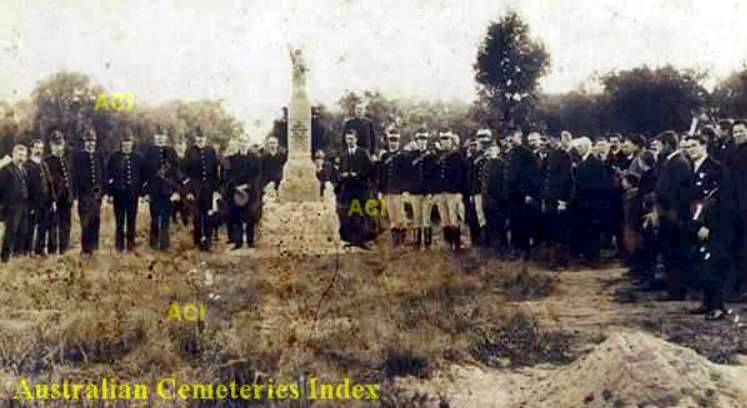
On Sunday afternoon (reports the Deniliquin ‘Independent’ of August 18) a large number of representative towns people, including the aldermen, of the municipality, attended at the local cemetery to witness the unveiling of the beautiful monument erected by a section of the police force of New South Wales, to perpetuate the memory of the Late Superintendent Grugeon, who was killed by an unfortunate buggy accident in January last.
All the members of the local police force were present.
Messrs. J. and H. ( Harry )Grugeon, two of deceased’s sons, had also journeyed to Deniliquin, to be present at the ceremony.
The monument is a beautiful piece of work, and was executed by Messrs. Wilson and Co., of Bendigo, which firm was represented at the unveiling by Mr. H. M. Hammer.
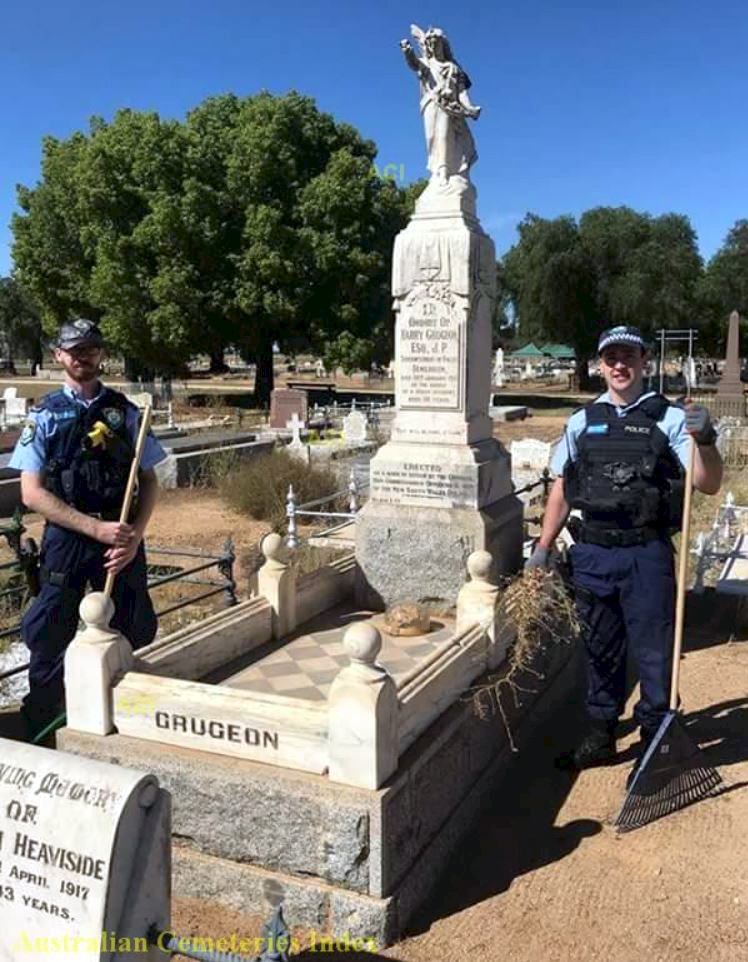
The design is a very choice one, being a pedestal with carved drapery, surmounted by a beautifully carved figure representing an angel with arm extended dropping flowers on the grave beneath. The pedestal and figure are worked from the best Carram marble. The monument is supported by a base of Harcourt granite, with two sets of kerbings of the same stone. Marble posts with marble kerbings, neatly moulded, take the place of the customary iron railing, while the inside of the grave is covered with black and white marble tiles.
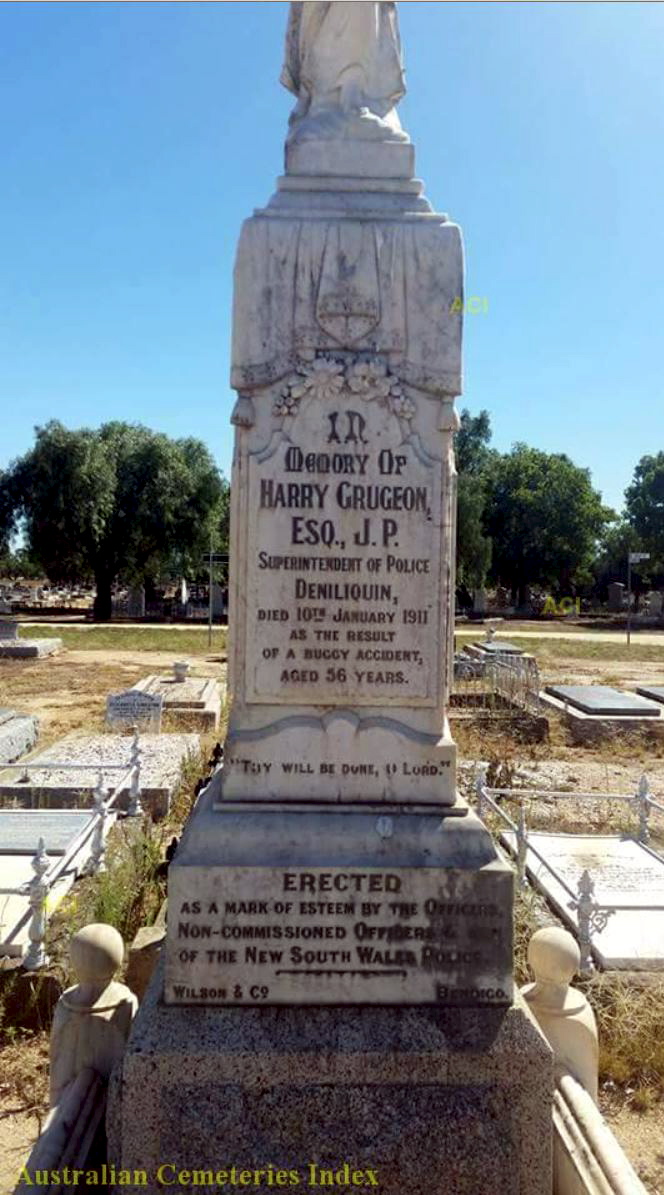
The monument bears the inscription, ‘In memory of Harry Grugeon, Esq., J.P., Superintendent of Police, Deniliquin, died 10th January, 1911, as the result of a buggy accident.
Aged 56 years.
‘Thy will be done, O Lord.’
Erected as a mark of esteem by the officers, non-commissioned officers, and men of the New South Wales Police Force.”
In the early part of this year, the popular Superintendent of Police at Deniliquin Mr. Harry Grugeon, J.P., died from injuries received in a buggy accident and since then the members of the New South Wales police force have decided to commemorate his memory by the erection of a monument over his grave in the Deniliquin Cemetery.
The design selected is very choice, being a pedestal with carved drapery surrounded by a beautifully carved figure representing an angel with arm extended dropping flower’s on to the grave beneath. The pedestal and figure are worked from the best Carrara marble. The monument is supported by a base of Harcourt granite with two sets of kerbings of the same stone. Marble posts with marble kerbing neatly moulded take the place of the customary iron railing while the inside of the grave is to be covered with black and white marble.
The inscription has been cut out and filled with lead, making it of a lasting character. It reads thus: – ” In memory of Harry Grugeon, Esq. J.P. Superintendent of Police, Deniliquin, died on January 10, 1911, as the result of a buggy accident. Aged 56 years. Thy Will be done O Lord. Erected as a mark of esteem by the officers, non-commissioned officers and men of the New South Wales police. ”
The work has been entrusted to Messrs J. B. Wilson and Co., the well known firm of monumental sculptors of this city and is being prepared by them at their works in Mitchell street.
A marble tombstone, suitably inscribed, has just been completed over the grave of the late Superintendent of Police, Mr. Harry Grugeon, the cost of which was borne by the police of the South-western and Parramatta districts.
The Inspector-General of Police, Mr. Day, will unveil the monument at the cemetery here next Sunday.
Mr Harry Grugeon, who is leaving Narrandera, after a residence of ten years, during the greater part of which period he had been engaged in the law office of Mr Quirk, was tendered a farewell by his many friends on Wednesday evening at the Railway Hotel, and presented with a valuable gold albert.
Mr Grugeon, who is a son ofInspector Grugeon, has accepted a position with Messrs Atkinson and Warren, solicitors, of Hunter street, Sydney.
Narrandera Argus and Riverina Advertiser (NSW : 1893 – 1953), Friday 2 July 1909, page 4
LOCAL AND GENERAL.
New Justices. —
In a batch of 260 names added to the Commission of the Peace on Monday last are included the following:— Harry Grugeon, Superintendent of Police, Deniliquin……
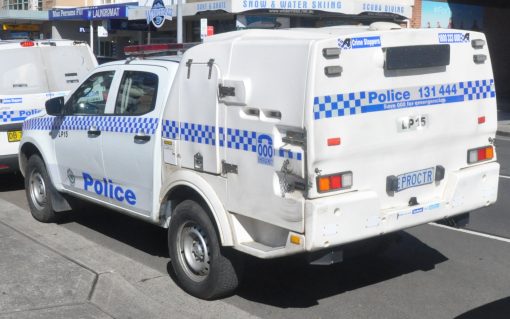
Tim had attended the Pistol Range at Lucas Hts for Firearm Training in his own private vehicle and was returning to Liverpool Police Station to return his firearm when this collision occurred.
It has to be asked whether this collision would have been survivable, for Tim, had he been in a modern police vehicle with air bags.
Tim’s Life Support was turned off on Friday morning due to the horrific and non survivable injuries that Timothy suffered in this collision.
Funds to support Tim’s wife and unborn child. Please follow the hyperlink just above and donate.
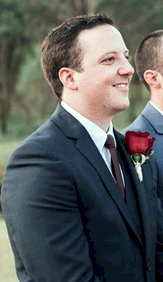
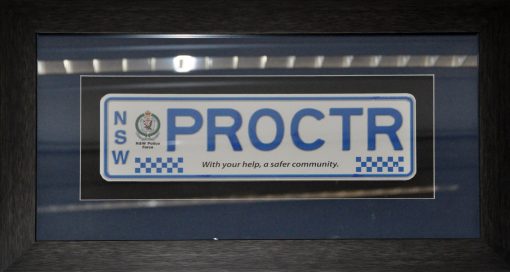
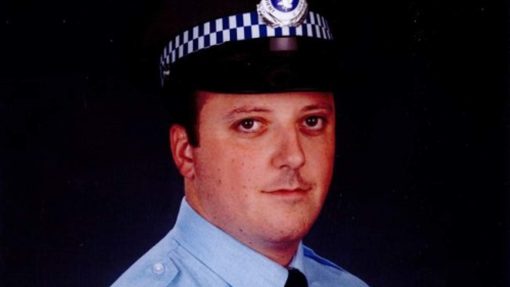
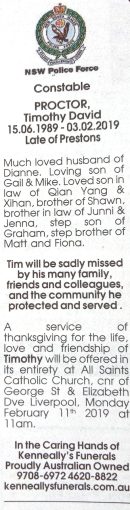
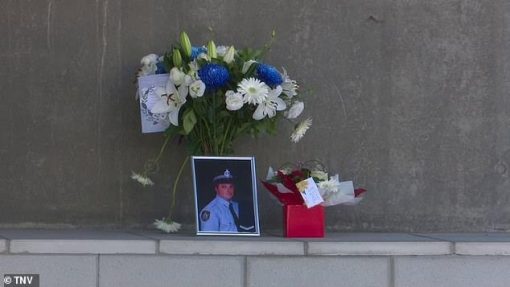
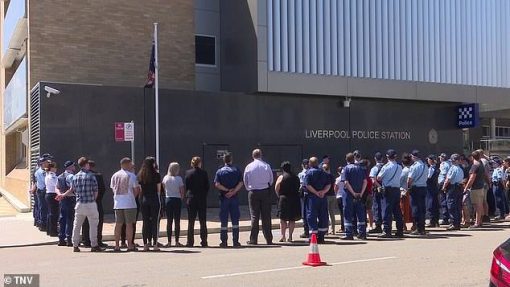
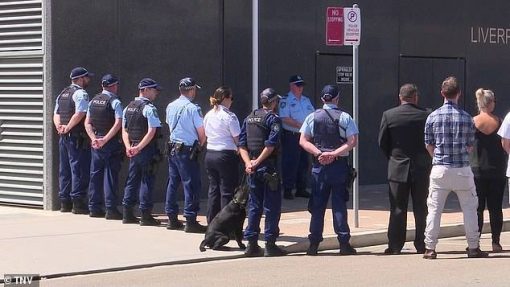
Death of NSW Police Force officer, Probationary Constable Timothy Proctor
The NSW Police Force regrets to inform the community of the death of a serving police officer after a crash in Sydney’s south last week.
Probationary Constable Timothy Proctor, aged 29, died in hospital this morning (Sunday 3 February 2019) following a four-vehicle crash at Lucas Heights on Thursday 31 January 2019.
P/Cst Proctor attested as part of ‘Class 333’ on Friday 27 April 2018 and was working in general duties at Liverpool City Police Area Command.
Commissioner Mick Fuller has extended his condolences to the Proctor family on behalf of the NSW Police Force.
“My thoughts are with Timothy’s wife Dianne, his family, friends and colleagues at this incredibly difficult time,” Commissioner Fuller said.
“Timothy was certainly well on the way to a wonderful policing career and was well respected by his colleagues and all who knew him.
“He joined the Police Force after being a volunteer fire-fighter and had a tremendous passion and commitment for all emergency services and the community,” Commissioner Fuller said.
P/Cst Proctor’s family has requested their privacy at this time.
‘Well respected’ policeman Timothy Proctor dies after head-on collision
A NSW police officer who was involved in a head-on crash in Sydney’s south last week has died in hospital.
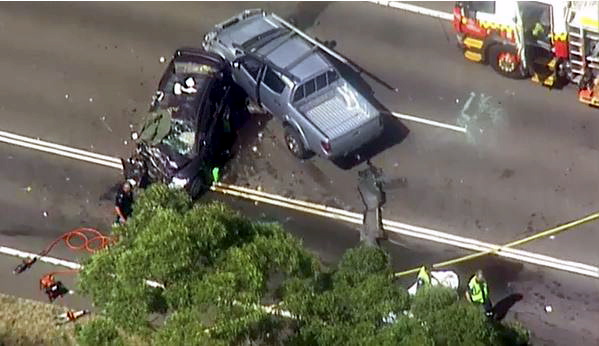
Timothy Proctor, 29, a probationary constable who worked in the Liverpool region, was driving northbound on Heathcote Road at Lucas Heights about 2pm on Thursday when a Honda Civic crossed to the wrong side of the road and crashed into him and two other cars.
Mr Proctor was cut out of his car and rushed to Liverpool hospital, where he remained in a critical condition until his death on Sunday morning.
NSW Police Commissioner Mick Fuller paid tribute to Mr Proctor’s time in the police force and offered his condolences to the man’s family.
“Timothy was certainly well on the way to a wonderful policing career and was well respected by his colleagues and all who knew him,” Commissioner Fuller said.
“He joined the police force after being a volunteer firefighter and had a tremendous passion and commitment for all emergency services and the community.
“My thoughts are with Timothy’s wife Dianne, his family, friends and colleagues at this incredibly difficult time,” he said.
Police Association of NSW president Tony King said his staff were “providing support on the ground with the family, friends and colleagues at the hospital since this tragedy unfolded and we will continue to support them as they attempt come to terms with the tragic loss”.
“Collisions like this are always difficult but it hits even harder when it one of your own involved,” Mr King said.
In the collision, the Honda Civic was driving southbound in the 100km/h zone when it failed to negotiate a bend, continuing straight and clipping a Toyota Yaris before it hit Mr Proctor’s red Honda Jazz.
The 65-year-old female driver of the Honda Civic was taken to Liverpool hospital, where she remained in a critical condition on Sunday.
Police said a Mitsubishi Triton which had been driving behind the officer was unable to stop in time and was also involved in the crash.
Two teenagers in the Triton and the driver of the Yaris were not injured.
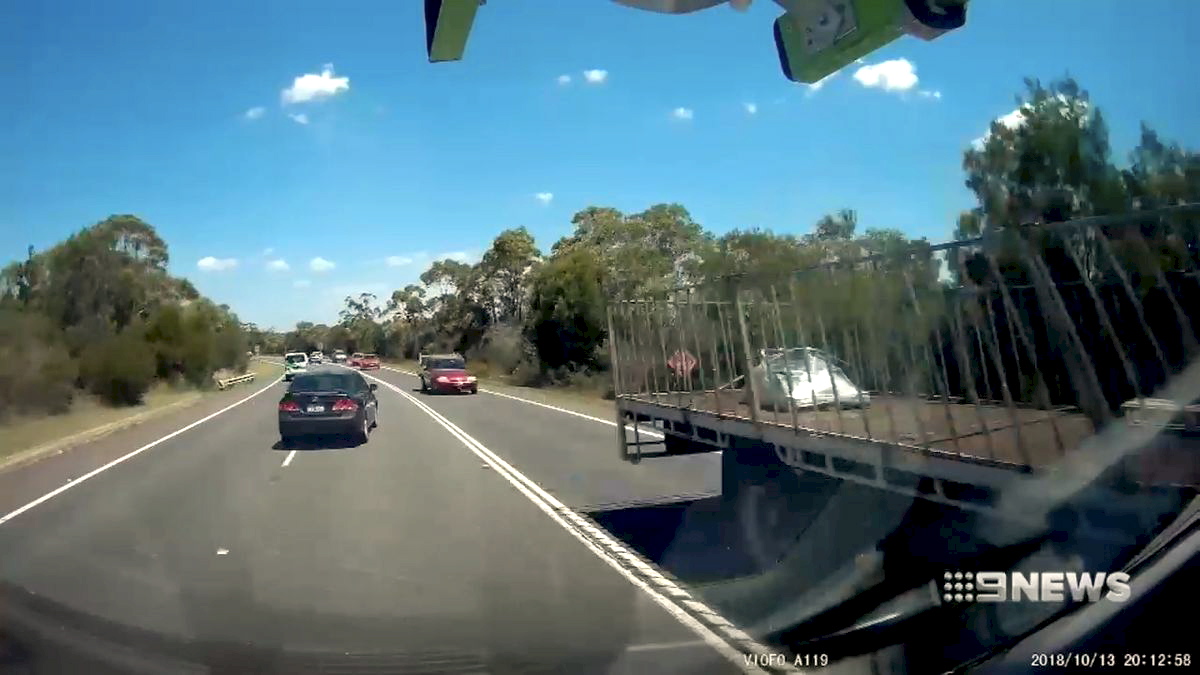
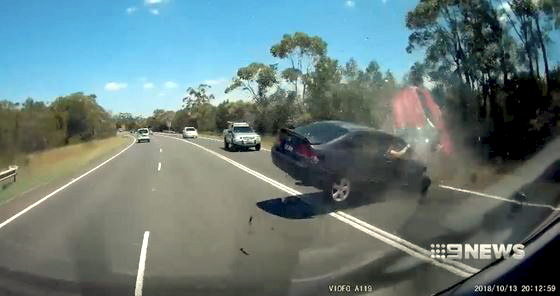
Vision of the crash, broadcast by Nine News on Friday, shows the Civic travelling in the left-hand lane before it drifts across the middle lane and hits the officer’s oncoming hatchback.
Van driver Kamran Rowshanzadeh, whose dash cam recorded the crash, said he initially thought the car was trying to cut into his lane without using its indicator.
“Next thing I know it was actually drifting,” he said.
He was able to swerve around the cars as they impacted in the single northbound lane. “The car literally came off the ground and the back kicked up and I dodged it. It was just so sudden and so quick,” Mr Rowshanzadeh said.
He added that he heard the officer brake at the last second.
Mr Proctor graduated from the NSW Police Academy in April 2018, as part of class 333, and was one of 15 officers posted to the Liverpool region.
Speaking to the Liverpool City Champion shortly after his graduation, Mr Proctor said he was formerly a volunteer firefighter and had worked in IT repairing laptops before deciding to pursue a career in policing.
He said he had grown up in the area and noticed a “bad perception” of police, which he wanted to change.
A group of 15 police recruits who’ve just graduated from an intense 9-months’ training at the Police Academy were welcomed to Liverpool police station last Monday.
The group were part of Class 333 – 164 policemen and 70 policewomen who are set to complete 12 months’ on-the-job training while studying for an Associate Degree in Policing Practice before being ranked as constables.
A couple of Liverpool recruits shared their hopes and dreams, including Hinchinbrook identical twins Marc and Nathan Brown. “You could say we’re inseparable. We took different paths at the end of high school. Nathan did a trade, I did accounting. But I got bored and wanted to do something to help people and something different each day. This is what I’ve wanted to do since I was a kid and it’s definitely a lot more interesting than spreadsheets!” said older twin Marc. “We made the change at the same time but they split us up with me at Liverpool and Nathan at Green Valley. We still might end up together eventually. It’ll be good fun!”
Marc’s background in martial arts inspired him to choose a career where he could be more active. He’s looking forward to tackling community problems such as domestic violence and drugs. “I’m over-the-moon about starting here.”
Brother Nathan, 24, hopes they get to work together. “That was the plan. It ‘d be fun to see the reactions. We know each other and how we react to things. But we’re also pretty competitive – especially at the academy. They kept us apart when they could and it was probably best.”
Nathan has a background in rugby and hopes to work with disadvantaged youth.
Another recruit is Camden resident Clare Leone, 25. Instead of working in general duties for a three-year probationary period after 18-months she’ll transfer to forensics. “I was constantly changing my mind and then uni started and I really loved science and not doing the same thing each day. Whereas with other scientific jobs you’re often stuck in a lab all day. I’ll still be in the NSW Police Force. I’ll be specialising in fingerprinting at Parramatta. I found it really fascinating – not one person has the same fingerprints. To be able to pursue that as a career is really interesting.”
One recruit who began policing a little later is Prestons’Timothy Proctor, 28: “I wanted to be a firefighter and volunteered for a while but it’s extremely selective and that made me look at alternatives. I worked in IT as a laptop repairer but it was limiting and so I pursued policing. When growing up I noticed the bad perception of police due to corruption. I want to change that. I believe growing up here I have a good understanding of the cultural groups, too.”
Two drivers involved in a horror head-on car crash in Sydney’s south remain fighting for life in hospital, as shocking footage obtained by 9News has showed the moment both vehicles collided.
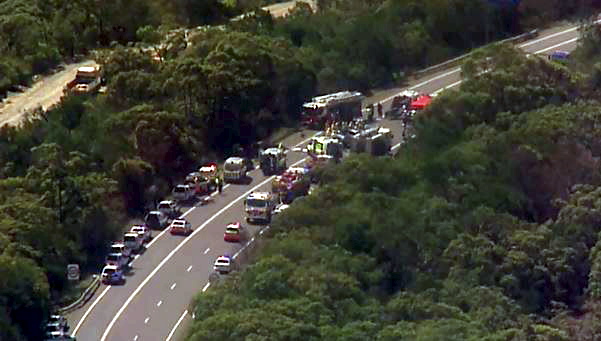
Emergency services were called to Heathcote Road, north of New Illawarra Road in Lucas Heights, about 2pm yesterday following reports four cars had been involved in a serious crash.
Dashcam footage of the incident shows a Honda Civic, travelling south on the road, crossing a lane of traffic and then onto the wrong side of the road.
The vehicle first nudged an oncoming Toyota Yaris before smashing head-on into a Honda Jazz, driven by 29-year-old male probationary police officer Timothy Proctor from the Liverpool City Area Command.
Both the officer and the 65-year-old female driver of the Civic had to be cut free from their vehicles, and remain in critical conditions today at Liverpool Hospital more than 24 hours after the crash.
It is understood the officer had just completed a training exercise at a facility in the area and was travelling in his private vehicle to Liverpool Police Station to drop off his firearm, at the time of the incident.
After being pulled from the wreckage of his vehicle, he was placed into an induced coma at the scene.
Following the initial point of impact, a Mitsubishi Triton driven by a 19-year-old woman crashed into the woman’s Civic.
The teenager, her 18-year-old male passenger and the 63-year-old driver of the Yaris all escaped injury.
“Obviously, police turning up to a police officer injured is extremely upsetting for first responders – and it was a devastating accident,” acting inspector Melissa Thompson told reporters yesterday.
The horror collision forced the closure of Heathcote Road for six hours yesterday afternoon as major crash investigators examined the scene.
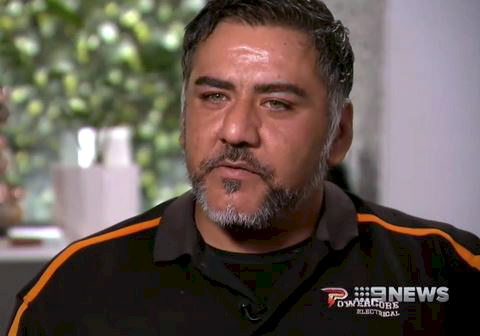
Kamran Rowshanzadeh
Witness Kamran Rowshanzadeh, an electrician from Moorebank who was on his way to a call-out job at the time of the incident, said he first thought the Civic was trying to cross into his lane at about 100km/h.
“It was split second, and the next thing I know is the high impact,” he told 9News.
“The car literally came off the ground and the back kicked up and I dodged it.
“I just heard (Mr Proctor) brake at the last second. It’s like 200km/h int a wall.
Three people, including an on-duty police officer, have been hospitalised after a multi-vehicle crash in Sydney’s south.
Just after 2pm today, police, paramedics and fire crews were called to Heathcote Road, north of New Illawarra Road in Lucas Heights, after reports three vehicles were involved in a serious crash.
Seven ambulance crews and a medical team were called to the location and NSW Fire Rescue were required to help free one person trapped.
A police officer aged in his 30s, and a female driver of another vehicle were both taken to Liverpool Hospital in a critical condition.
A third person was taken to Sutherland Hospital.
The officer had just completed a training exercise at a facility in the area and was travelling in his private vehicle.
Traffic is heavy in the area and Heathcote Road remains closed in both directions with diversions in place at Alec Campbell Drive and New Illawarra Road.
Police are warning drivers to expect delays and make alternative arrangements if possible.
The crash investigation unit is currently at the site.
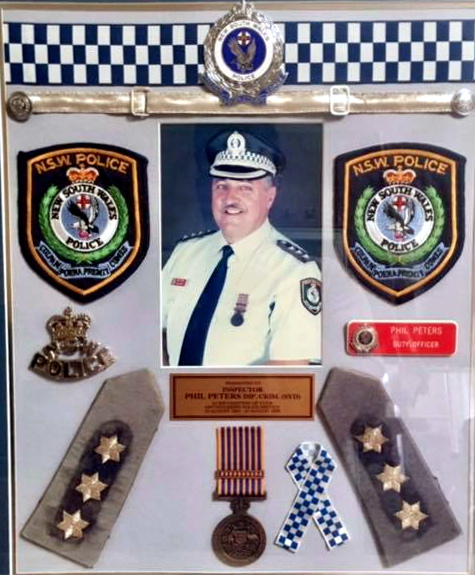
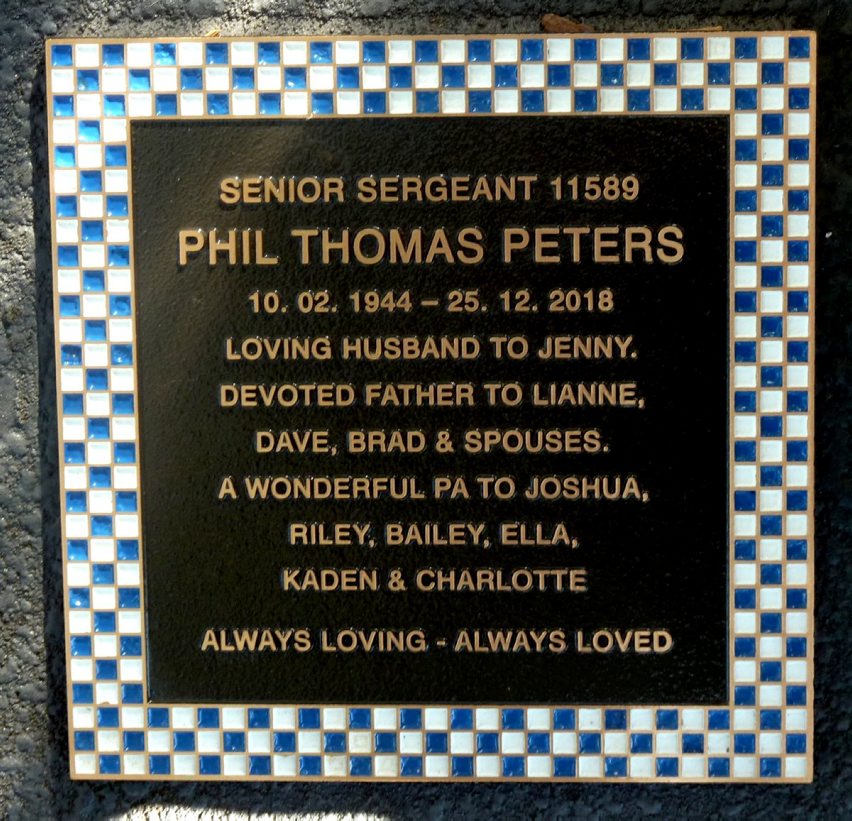
Service: From? ? pre Aug 1965?to25 August 1999 = 34 years Service
Awards: National Medal – granted 15 April 1981
1st Clasp to National Medal – granted 28 May 1992
Born: Thursday 10 February 1944
Died on: Tuesday 25 December 2018 ( Christmas day ) with family by his side
Age: 74yrs 10mths 15 days
Cause: Phil had major surgery on 18 December for bladder cancer. He went home to recover but, unfortunately, a blood clot had developed that went into his lungs.
Phil was also the Editor of the Australian Police Journal ( APJ ) for many years and also did a lot of work with the Metropolitan South – Associates Branch of the Retired Police Association.
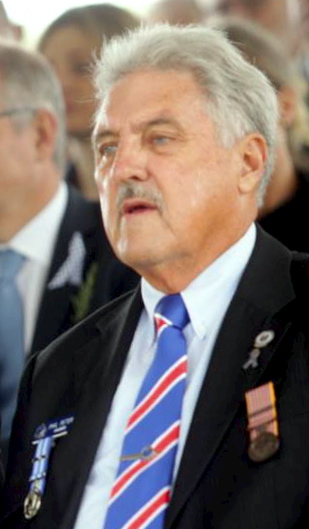
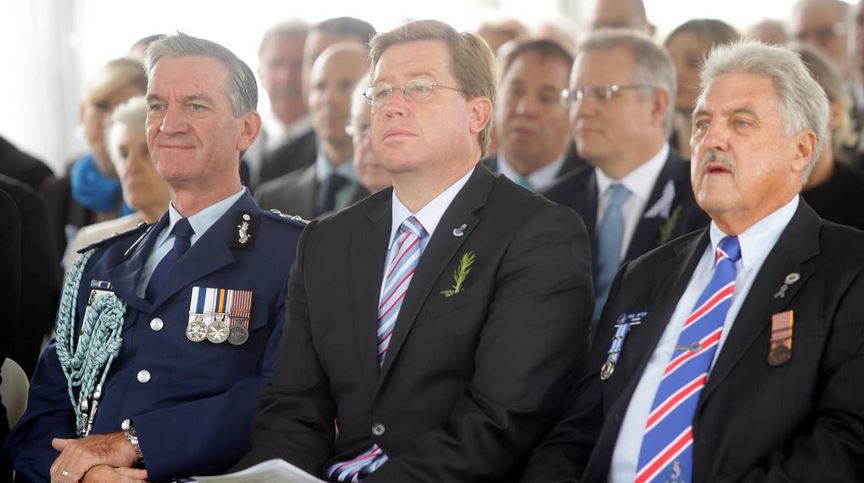
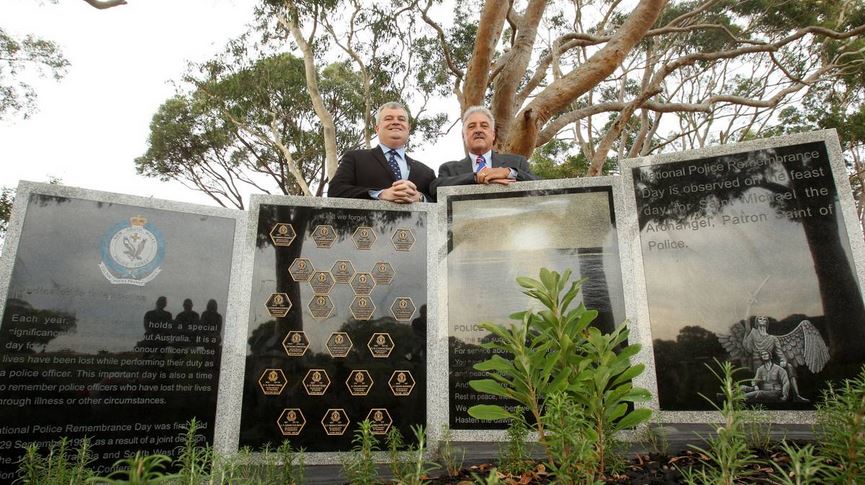
NSW Police Commissioner Andrew Scipione helped unveil a new police memorial at Woronora Cemetery, Sutherland on Thursday. Pictured from left: Andrew Scipione, Tony Grant and Phil Peters. Picture Chris Lane
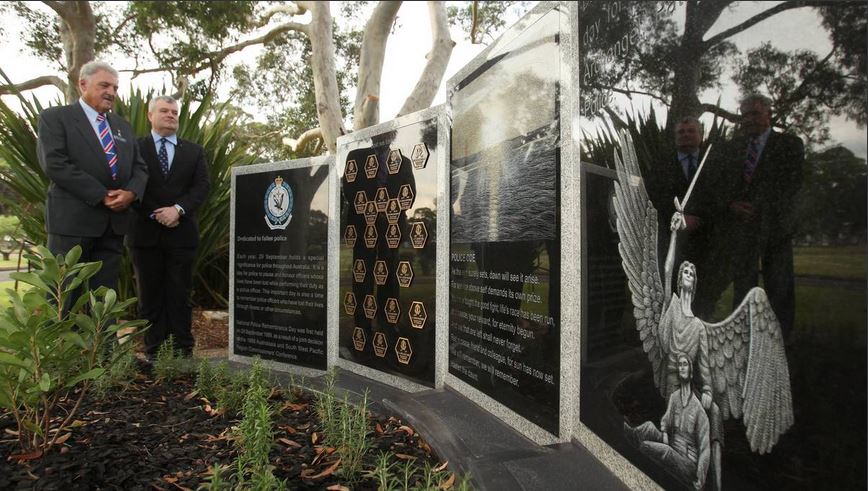
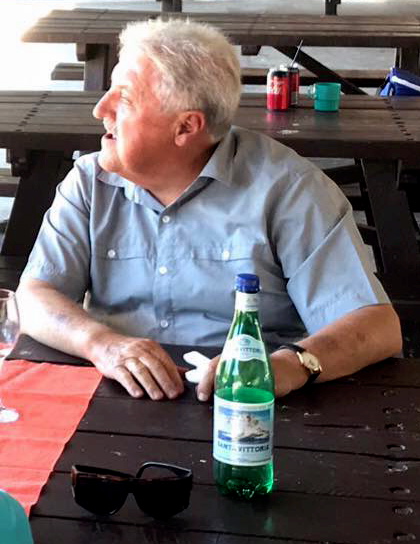
Remembered: Graham Boyd and Phil Peters at the police memorial will will be opened on Thursday. Picture: Chris Lane.
Remembered: Graham Boyd and Phil Peters at the police memorial will will be opened on Thursday. Picture: Chris Lane.Remembered: Graham Boyd and Phil Peters at the police memorial will will be opened on Thursday. Picture: Chris Lane.
George Pearce POCOCK
24/11/2019
George Pearce POCOCK
Late of 85 Concord Rd, Concord
New South Wales Police Force
Regd. # ‘Q‘ 7808
For the purposes of this website ‘Q‘ represents those Police joining between 1862 ( commencement of NSWPF ) – 23 February 1915 ( Commencement of NSWPF current numbering system )
Rank: Probationary Constable – appointed Wednesday 13 November 1901 ( aged 22 years, 8 months, 17 days )
Constable 1st Class – Ashfield Electoral Registrar from 15 February 1920
Constable 1st Class – Petersham Electoral Registrar from 1 July 1921
Sergeant 2nd Class – appointed 1 April 1929
Sergeant 2nd Class – death
Final Rank = Sergeant 2nd Class
Stations: ?, Lock Up Keeper – Ashfield for 10 years ( 1901? – 1911? ), Burwood ( 1911? – 1922 / where he was promoted to Sgt ), Concord – O.I.C. ( 1922 – 1929 / Sgt – death )
Service: From Wednesday 13 November 1901 to 8 December 1929= 28years, 0 months, 25 days Service
Awards: ?
Born: Thursday 27 February 1879, Sydney, NSW
Died on: Sunday 8 December 1929
Age: 50 years, 9 months, 11 days
Cause: ?
Event location: ?
Event date: ?
Funeral date: Monday 9 December 1929 @ 2.30pm from home
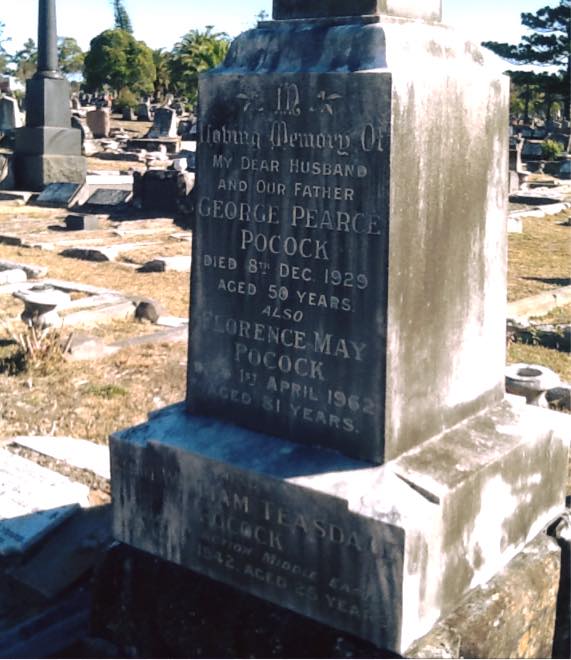
INSCRIPTION: In ? Memory of my dear husband and our father George Pearce POCOCK Died 8th Dec 1929 aged 50 years also Florence May POCOCK Died 1st April 1962 aged 81 years. LOWER: ? William Teasdale POCOCK ? ? Middle ? ? 1942 aged 45 years
George is NOT mentioned on the Police Wall of Remembrance *NEED MORE INFO
Funeral location: TBA
FURTHER INFORMATION IS NEEDED ABOUT THIS PERSON, THEIR LIFE, THEIR CAREER AND THEIR DEATH.
POCOCK.— The Relatives and Friends of the late GEORGE PEARCE POCOCK ( late Sergeant of Police, Concord Station ) are invited to attend his Funeral; to leave his late residence, 85 Concord road Concord, THIS AFTERNOON, at 2.30, for Church of England Cemetery, Rookwood, Section, by road, per motor service.
MOTOR FUNERALS. LTD.
( The All-Motor Service ),
Phone, M6277. 30 City-road, city.
POCOCK.— The Relatives and Friends of Mrs FLORENCE MAY POCOCK, Mr. and Mrs. E ( Edward ). POCOCK, ENID, GLORIA, and WILLIAM ( Teasdale) POCOCK are Invited to attend the Funeral of her late dearly loved HUSBAND and their FATHER, George Pearce Pocock; to leave his late residence, 85 Concord road, Concord, THIS AFTERNOON, at 2.30, for Church of England Cemetery, Rookwood, by road, per motor service.
MOTOR FUNERALS. LIMITED.
POCOCK.— The Relatives and Friends of Mr and Mrs. E. CHILDS are Invited to attend the Funeral of their late dearly-loved FATHER, George Pearce Pocock; to leave his late residence, 85 Concord -road, Concord. THIS AFTERNOON, at 2.30 for Church of England Cemetery, Rookwood, by road, per motor service.
MOTOR FUNERALS, LIMITED.
POCOCK.- The Relatives and Friend» of Mrs. SARAH POCOCK and FAMILY are Invited to attend the Funeral of her late dearly-loved SON and their BROTHER, George Pearce Pocock; to leave his late residence. 85 Concord-road, Concord. THIS AFTERNOON, at 2.30, for Church of England Cemetery, Rookwood, by road, per motor service.
MOTOR FUNERALS. LIMITED,
POCOCK.- P.A.F.S. OF AUSTRALIA, North Strathfield branch, No. 182.-The Officers and Members of the above Lodge are respectfully requested to attend the Funeral of the late Brother, GEORGE PEARCE POCOCK; to leave his late residence, 85 Concord-road, Concord, THIS AFTERNOON, at 2.30, for Church of England Cemetery, Rookwood, by road, per Motor Service.
Police-sergeant George Pearce Pocock, officer-ln-charge of the Concord police, died on Sunday.
Sergeant Pocock, who was 50 years of age, entered the police force in 1901. He was lock-up-keeper at Ashfield for ten years, and was then appointed sergeant at Burwood. Since 1922 he had been stationed at Concord. He was regarded as a particularly able officer.
Mrs. Pocock, two sons, and three daughters survive.
The funeral took place at the Rookwood cemetery on Monday.
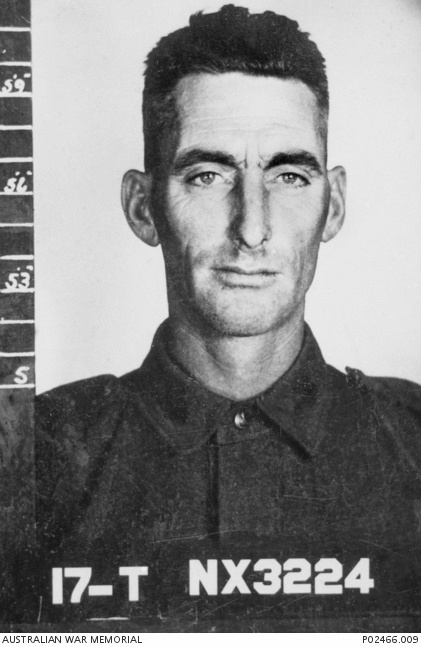
SW. Paybook photograph of NX3224 Lance Bombardier Edward Alfred Pocock, 2/3rd Field Regiment, …
Edward Alfred POCOCK – son to George Pearce POCOCK
NSW. Paybook photograph of NX3224 Lance Bombardier Edward Alfred Pocock, 2/3rd Field Regiment, Royal Australian Artillery. Lance Bombardier Pocock, aged 36, died while defending the island of Crete against the German land and airborne invasion on 30 May 1941.
He was the son of George Pearce Pocock and Florence May Pocock, and the husband of Esma Lucy Pocock, of Woollahra, NSW.
He is commemorated on the Athens Memorial Face 10. (Photograph supplied by the Army’s Soldier Career Management Agency. Information from the Commonwealth War Graves Commission Database.)
It is reported that Steve collapsed, at work, whilst carrying a type writer in 1980 – 4 years prior to a spot being found on his brain via scans.
Steve was off work for 3 months prior to this ‘spot’ being found.
As a result of this incident and dropping the type writer, the matter was classified as Hurt On Duty ( H.O.D. ) until the Commissioner of Police eventually reversed that decision causing Steve to have to fight for his entitlements during such a hard time in his life.
Being the policeman that he was and dedicated to “the job”, Steve was more concerned and disappointed about NOT being granted his Sergeant’s rank than he was of the Commissioner reversing his H.O.D. status. Steve had already passed his qualification exam but because he now found himself on ‘Light Duties’, he was deemed not able to fulfil the role of Sergeant and thus, was not promoted past the rank of Detective Senior Constable.
Steve, having being diagnosed with the blood clot at age 34 and having Served NSWPF for 35 years, was eventually Medically Retired from NSWPF, aged 51, on 4 October 2001 due to his continuing health decline.
During his early Retired years, Steve worked at the local Police Boys Club with the Bicycle Safety program, which he developed, with the RTA ( now RMS ) providing the push bikes and helmets that he used at local schools to teach the young students bicycle safety on our streets. Since Steve could no longer provide this service due to his illness, no-one has taken up the slack to provide this useful service to the local youth.
Steve, due to his severe debilitating illness, spent his last few years in the full care of his wife, Lorraine.
Steve, in his healthier years was a strong swimmer and represented NSWPF in the Police Olympic pool at Narrabeen and won Gold.
May Steve forever Rest In Peace.
William EIFFE
24/11/2019
William EIFFE
Late of Singleton
New South Wales Police Force
Regd. # P 1154
For the purposes of this website ‘P‘ = represents those Police joining Pre 1862 when NSWPF “Officially” commenced
Rank: Constable
Stations: ?, Singleton
Service: From 11 August 1857to 24 January 1867= 9+years Service
Awards: ?
Born: ? ? 1833 – 1834
Died on: Thursday 24 January 1867
Age: 33 – 34
Cause: Shot – accidental
Event location: between Bendemeer & Tamworth, NSW
Event date: 16 January 1867
Funeral date: Friday 25 January 1857
Funeral location: Old Bendemeer Cemetery
Funeral Parlour: ?
Buried at: Old Bendemeer Cemetery ( private property and unmarked )
Memorial located at: Bendemeer Cemetery, NSW
[alert_green]WILLIAMIS mentioned on the Police Wall of Remembrance – but under an incorrect surname of EFFE which they won’t correct[/alert_green]
FURTHER INFORMATION IS NEEDED ABOUT THIS PERSON, THEIR LIFE, THEIR CAREER AND THEIR DEATH.
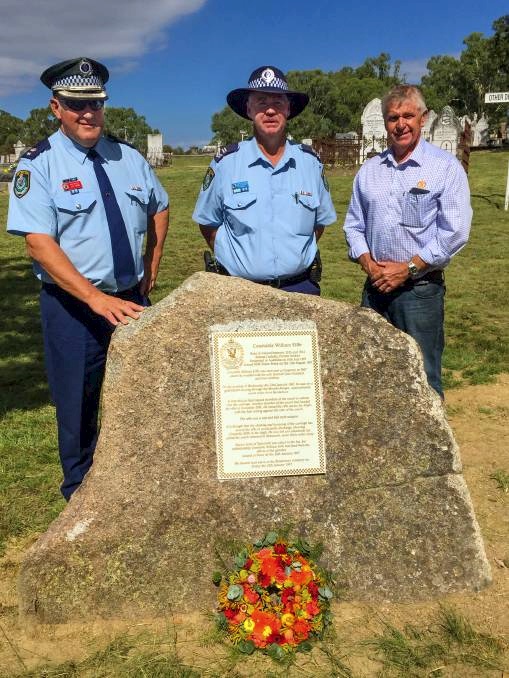
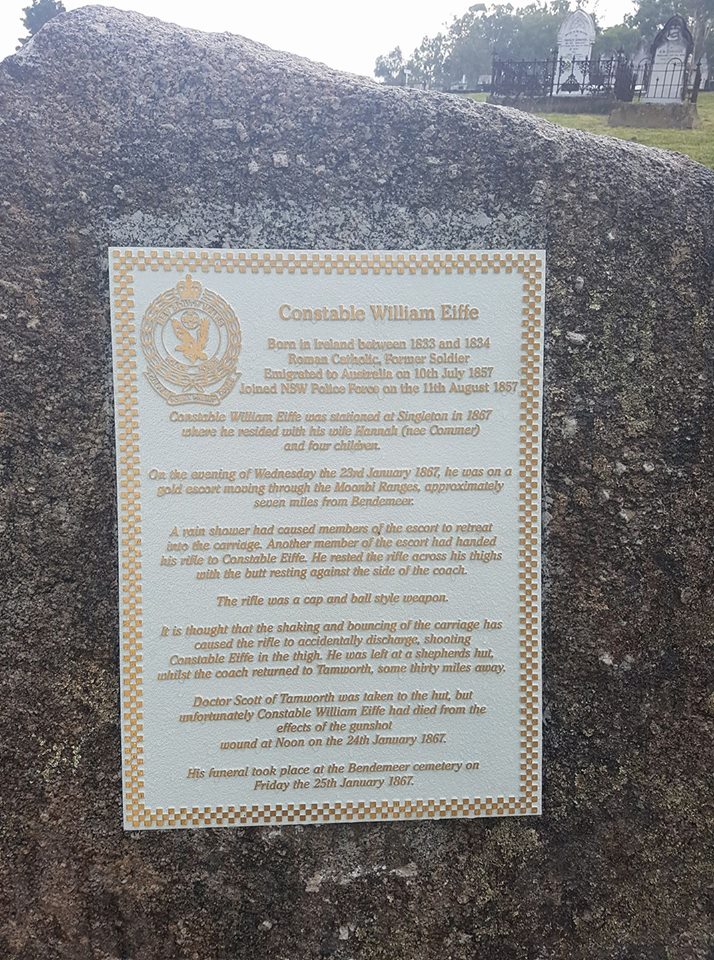
Constable William Eiffe memorial unveiled by Oxley police at Bendemeer Cemetery
Breanna Chillingworth
A PERMANENT memorial to recognise a fallen officer has been unveiled near Tamworth on the 150th anniversary of his death.
Constable William Eiffe died from a gunshot wound to the thigh on January 24, 1867, and is buried in an unmarked grave in the Bendemeer cemetery.
Oxley police together with Tamworth Regional Council – who helped to construct the memorial – commemorated his career in the force in a service on Tuesday morning.
”It’s a great part of the local history to have this recorded and I think it brings some interest in the local cemetery and the history of Bendemeer,” Oxley Acting Superintendent Jeff Budd said.
“And, hopefully for centuries to come, people will be able to come here and look at this and remember what has happened in our past.”
The Singleton-based officer was on a police escort on the night before his death when he was accidentally shot in the leg.
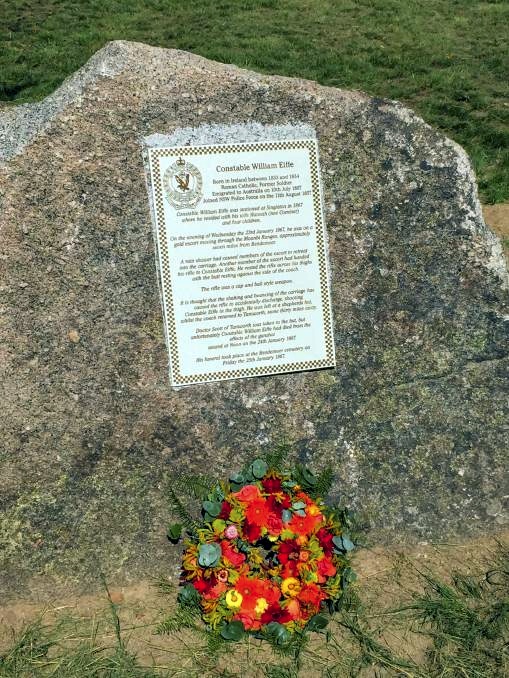
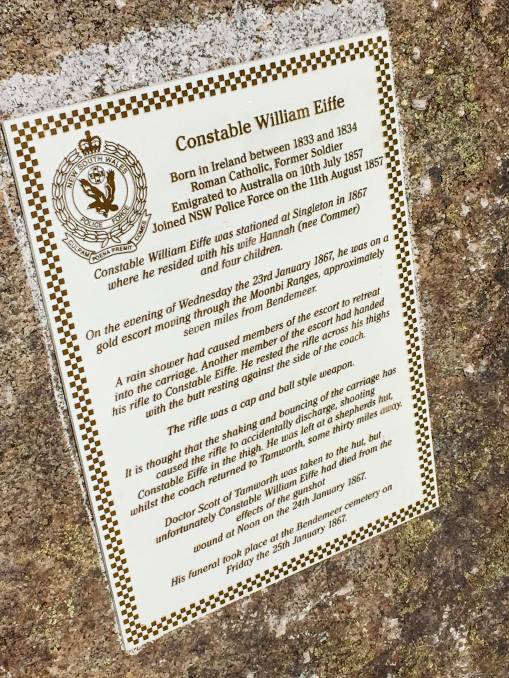
“On the evening of Wednesday the 23rd of January, 1867, there was a gold escort moving through the Moonbi Ranges, approximately seven miles from Bendemeer,” Oxley Sergeant Josh McKenzie said.
“A rain show had caused members of the escort to retreat into the carriage, another member of the escort had handed his rifle to Constable Eiffe, he rested the rifle across his thighs with the butt resting against the side of the coach.
“It is thought that the shaking and bouncing of the carriage has caused the rifle to accidentally discharge, shooting Constable Eiffe in the thigh.”
Constable Eiffe was left at Shepherds Hut nearby and the coach returned to Tamworth.
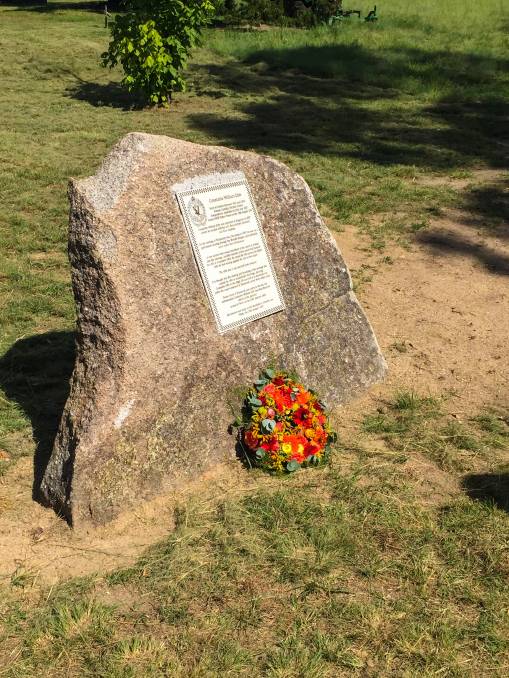
Memorial service: Oxley Acting Superintendent Jeff Budd lays a wreath at the unveiling of the plaque at the Bendemeer cemetery. Photos: Breanna Chillingworth Memorial unveiled: Oxley Acting Superintendent Jeff Budd with Sergeant Josh McKenzie in Bendemeer.
Memorial service: Oxley Acting Superintendent Jeff Budd lays a wreath at the unveiling of the plaque at the Bendemeer cemetery. Photos: Breanna Chillingworth Memorial unveiled: Oxley Acting Superintendent Jeff Budd with Sergeant Josh McKenzie in Bendemeer.
Paying tribute: Senior Oxley police, along with officers from Kootingal, Walcha, Nowendoc and Tamworth, pictured with Tamworth councillor Phil Betts.
Memorial unveiled: Oxley Acting Superintendent Jeff Budd with Leading Senior Constable Ron Stoltenberg and Cr Phil Betts.
William EIFFE Memorial William is actually buried in an unmarked grave.
“Dr Scott of Tamworth was taken to the hut but unfortunately Constable William EIFFE died from the effects of the gunshot wound at noon on the 24th of January, 1867.”
Acting Superintendent Budd said the service was a reminder of how far the force had come in 150 years.
It is thought that the shaking and bouncing of the carriage has caused the rifle to accidentally discharge.
Sergeant Josh McKenzie
“One of the things that would be a tragedy today is for this to occur and his family to not be supported,” he said. “In the days of Constable William Eiffe, his wife and four children would have been destitute without the support we have today and we should be grateful for that.”
Of Note: Searching NSW State Archives & Records on 14 May 2018:
There are NO surnames of FYFFE
There are NO surnames of EFFE
There are NO surnames of EIFFE
There were no Williams born in 1834
There is no Registered number 1154 on that website. There is 1153 ( Beatty ) and 1155 ( Moloney ) but no 1154
A wildcard search on ‘FFE‘ didn’t reveal any similar names or anyone born in 1834 on THAT website.
Danny Webster notes on 24 January 2017:
He is sometimes referred to as “Fyffe” and “Effe”, however the Registers of Police Employment 1847–1885 provides the spelling as “Eiffe”, his registered number as 1154, the fact that he was married at the time of appointment and that he was a former soldier.
The New South Wales Police Gazettes of 5 March, 1862, 3 April, 1867 (£100 gratuity awarded to his wife), and 3 July, 1867 indicate “Eiffe”.
His death was registered at Armidale as “Eiffe”.
He is incorrectly listed in the official New South Wales Police Honour Roll as William “Effe”.
This was originally recorded as:
Constable William FYFFE
Accidentally Shot
Tamworth
24 January, 1867
On 16 January, 1867 Constable Fyffe was performing gold escort duty on a coach travelling between Bendemeer and Tamworth. It is thought that the shaking of the coach caused a rifle to accidentally discharge, shooting the constable. The wounded constable was left in a shepherd’s hut while the coach continued to Tamworth to obtain medical assistance. Dr Scott of Tamworth provided assistance for the constable, however the wound was to prove fatal and he died the following Thursday. He is sometimes referred to as William Effe.
The Sydney Morning Herald dated 25 January, 1867 reported that news from Tamworth had been received that ” Last evening, Constable Fyffe, on gold escort duty, was accidentally shot in the thigh whilst riding in the coach on Moonby Ranges, seven miles from Bendemere. His rifle accidentally discharged, it is supposed, by the shaking of the coach. He was left at a shepherd’s hut. The escort proceeded to Tamworth, and on its arrival there Dr. Scott was immediately started off. Fyffe died from the effects of the wound at noon today. He has left a wife and large family at Singleton.
The constable was born in 1834 and joined the police force on 11 August, 1857. In 1862 he became a member of the newly-formed New South Wales Police Force. At the time of his death he was stationed at Singleton.
Stephen David Clifford PEPPERELL
24/11/2019
Stephen David Clifford PEPPERELL
NSW Police Cadet # 2754
New South Wales Police Force
[alert_yellow]Regd. # 16054[/alert_yellow]
Rank: NSW Police Cadet – commenced 6 December 1971
Probationary Constable – appointed 23 November 1973
Constable 1st Class – appointed 23 November 1978
Senior Constable – appointed 23 November 1982
Final Rank = Senior Constable – Death
Stations: ?, Tamworth ( 1980 – 1982 ), Kootingal ( 1982 – death ) ( 25 years at the ONE Station )
Service: From 6 December 1971to? ? 2007 = 36 years Service
Hundreds of people have packed St Paul’s Anglican Church in Tamworth, in north-west New South Wales, for the funeral today of long serving Kootingal policeman Steve Pepperell.
The crowd at this morning’s service was told of a family man who faced tragedy in his life, but who also made an enormous contribution to the police service since his induction in the early 1970s.
Senior Constable Pepperell was killed in a motorbike accident last week, sending shockwaves through the community he had served for many years.
The overflowing crowd watched the service on big screen TVs that had been placed outside the church.
The head of the Tamworth-based Oxley local area command, Tony Jefferson, says he remembers an officer who trained many young officers, who in turn have made a large contribution to the police service.
“He’d walk in here when he’d report to Tamworth with this devilish smirk on his face, and you’d never know what he’d been up to,” he said.
He says he will miss Senior Constable Pepperell’s roguish sense of humour.
Kootingal police officer honoured on memorial plaque
Breanna Chillingworth
A FORMER Kootingal police officer who died in an accident almost eight years ago has been honoured at an official memorial in Sydney.
Senior Constable Stephen David Pepperell was a familiar face after serving for more than two decades in the Kootingal and Tamworth areas as a police officer, right up until his tragic death in a motorbike accident in southern NSW in 2007.
Yesterday, Police Commissioner Andrew Scipione unveiled a commemorative memorial plaque at the Sydney Police Centre in Surrey Hills, featuring the names of several sworn and unsworn officers including Senior Constable Pepperell who have died while serving in the NSW Police Force.
Several of Senior Constable’s Pepperell’s family including his parents travelled to Sydney for yesterday’s service. They said they were touched by the commemoration of their father, son and grandfather.
“We are honoured that Dad, even after his passing, will be recognised for his service and lifelong commitment to the police force,” daughter Natalie Pepperell told The Leader.
“Dad was one of the longest-serving police officers in one station and he was quite proud of that; he was so well-known in the community.”
Senior Constable Pepperell joined the force in Sydney in 1971 and never looked back.
After a city stint, he moved to Tamworth in 1980 and served for two years before transferring to Kootingal, where he was stationed until his tragic death.
“It was very touching because we grew up in the police station, in the police residence for all those years and the police force was a big part of our lives,” Ms Pepperell said.
FAMILY TIES: Anthony, Sienna, Ebony, Jenna, Natalie, Daphne and Edward Pepperell.
“So we have a lot of respect and gratitude towards the police, and appreciation that after seven years they continue to remember Dad. It is a really nice tribute.”
It was also his work outside the force made him a familiar face around Kootingal.
Senior Constable Pepperell was member and president of the Kootingal Lions Club, president of Kootingal Bowling Club, a Group 4 referee and also an avid Harley-Davidson rider.
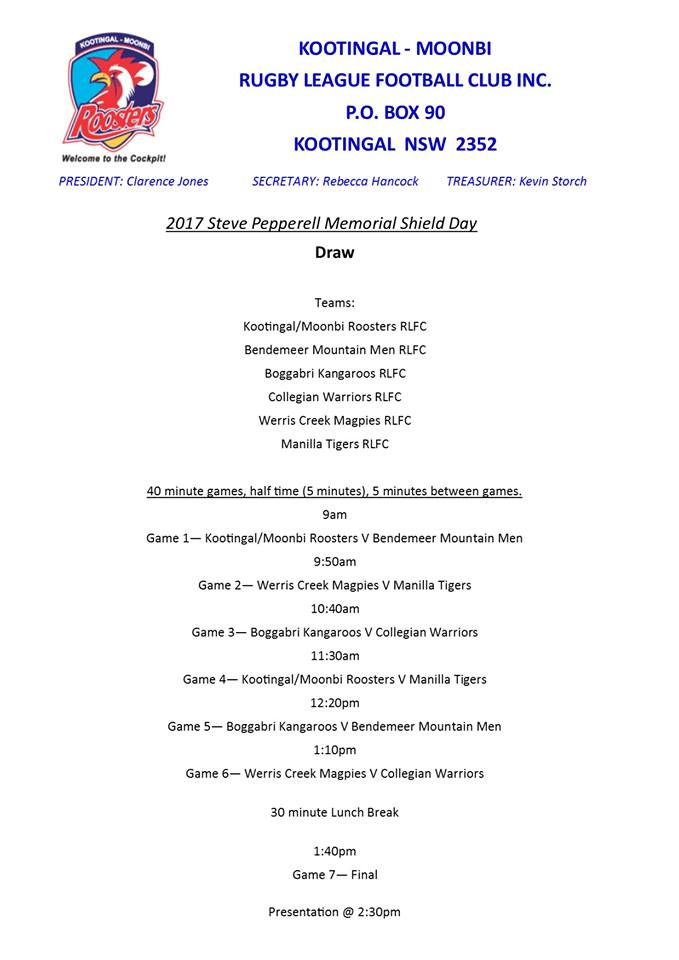
He continues to be honoured with the Steve Pepperell Memorial Shield football match, which is played annually in Kootingal and raises funds for the Cancer Council – a cause close to his heart after he suffered Hodgkin’s lymphoma.
The Kootingal-Moonbi rugby league club is calling on teams competing in Group 4 to pledge their support behind the, 2018 Steve Pepperell Shield Memorial Day.
The day honours Steve Pepperell’s tireless dedication to the community of Kootingal, with all proceeds from the day going to the New South Wales Cancer Council.
Prize money is up for grabs for the winner and runners-up. The fundraiser will be held on March 10.
Pepperell Shield biggest yet as second division gets into gear
GROUP 4 Second Division clubs have been converging on Kootingal for the past five years to play a bit of footy before the start of the season and raise some money for the Cancer Council.
The sixth Steve Pepperell Memorial Shield tomorrow will be one of the biggest yet with eight teams entered.
Even re-formed clubs Walcha and Boggabri have joined their new second division opponents is supporting the event, played in honour of the late Steve Pepperell.
Walcha and Boggabri meet in their first game of the day in an all-Kangaroo derby, before Walcha tackles Quirindi and Boggy faces Manilla.
All teams will play two games each and the winner will be the team with the best record for the day.
Werris Creek is the defending champion having won every trophy available to a second division club last season. With so many teams entered the day is a long one.
The first game is at 9am when Manilla tackles Bendemeer, with the last game to finish about 5.30pm before the presentation of the shield.
There will also be some exhibition league tag games between Dungowan, Kootingal, Quirindi and Walcha – the first league tag games to be played under the Group 4 banner.
“possible” relation in “The Job”: Allan McDIARMID, NSWP # ‘P‘ 0069 – ProCst 26 July 1855
For the purposes of this website ‘P’ = represents those Police joining Pre 1 March 1862 before the amalgamated of all other Policing Units in NSW. i.e. Mounted Police, Boarder Police, Native Police, Gold Escort Police, Water Police etc.
For the purposes of this website ‘Q’ represents those Police joining between 1 March 1862 ( commencement of NSWPF ) – 23 February 1915 ( Commencement of NSWPF current numbering system )
Stuart McDIARMID, NSWPF # 32118
Michael McDIARMID, NSWPF # 33566
New South Wales Police Force
Regd. # 8451
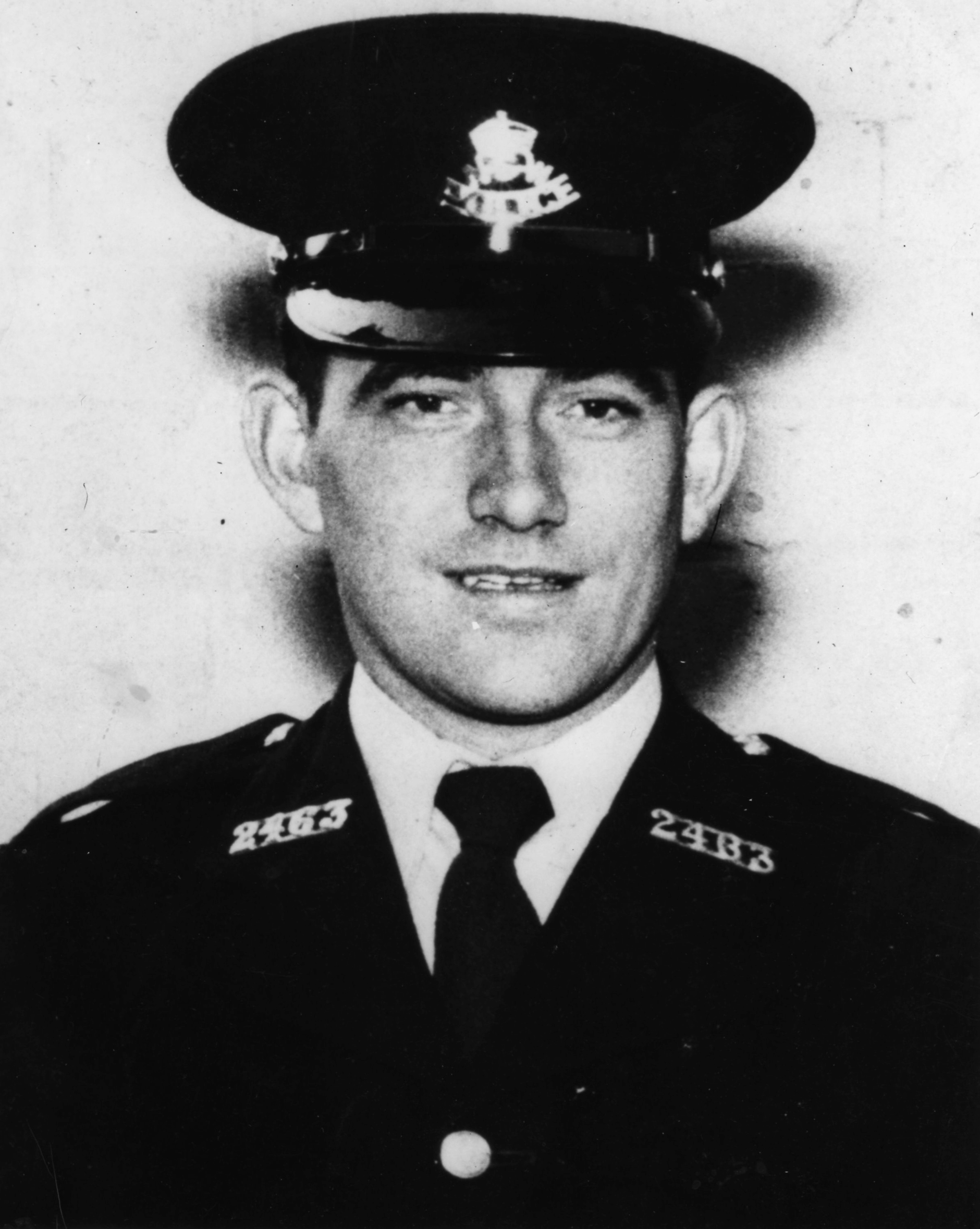
Uniform # 2463
Rank: Commenced Training at Redfern Police Academy on Monday ? ? ?
Probationary Constable – appointed 9 July 1956
Senior Constable – appointed 26 September 1967
Sergeant 3rd Class – posthumously on ?
Stations: ?, Blacktown – Death
Service: From? ? pre July 1956? to 30 September 1971= 15+ years Service
Age at Leaving NSWPF: 39 years, 4 months, 10 days
Time in Retirement: 0
Awards: No find on It’s An Honour but I would suspect that he also received a Queen’s Police Medal for Gallantry
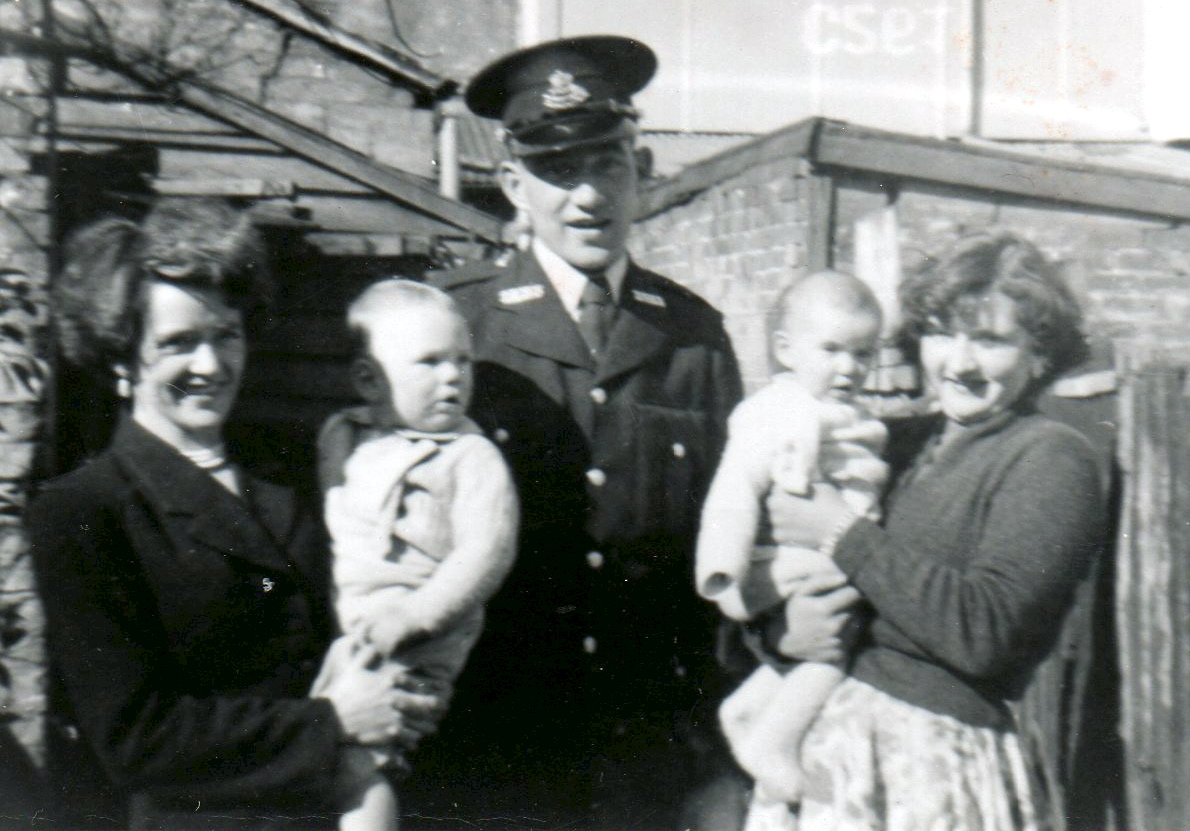
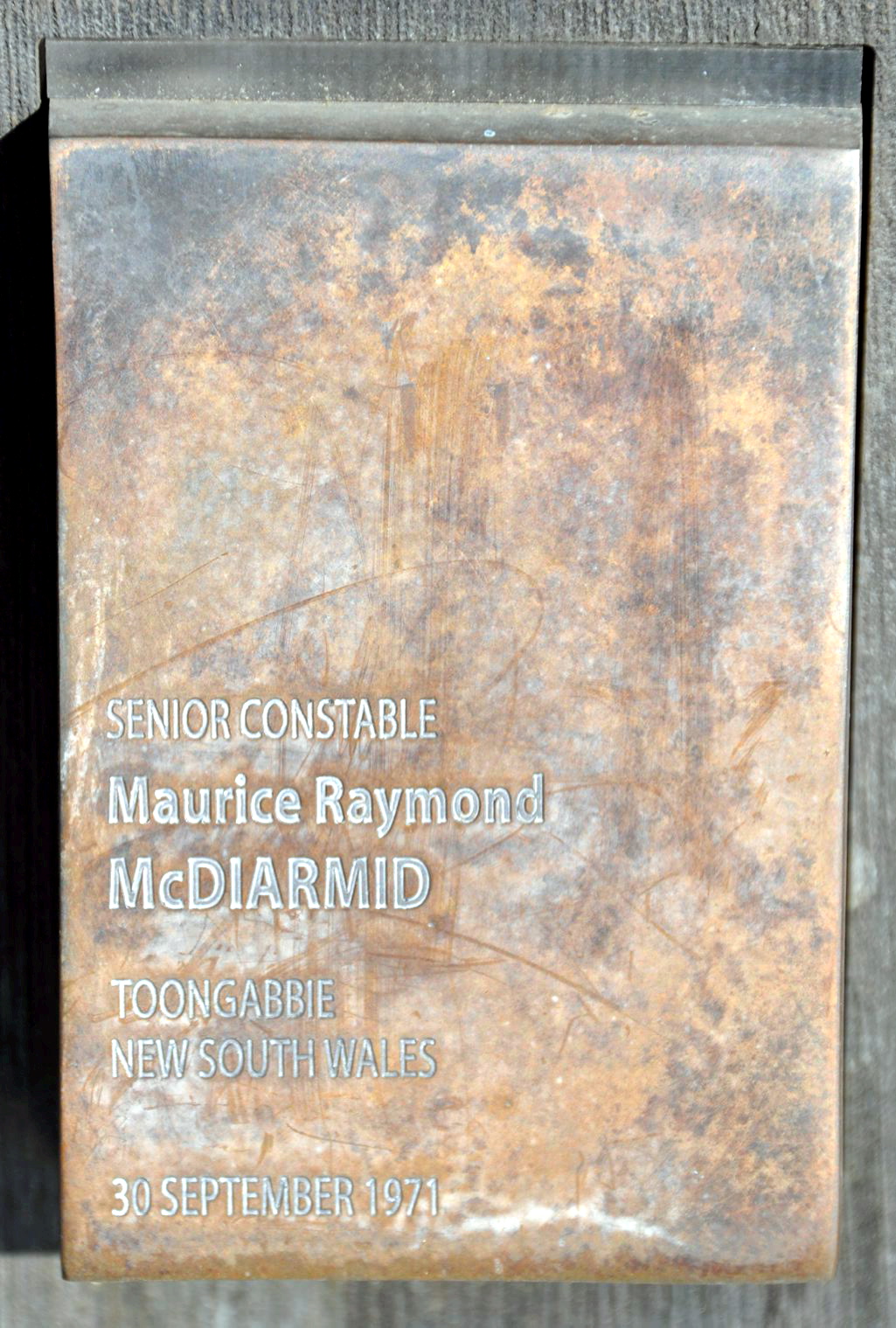
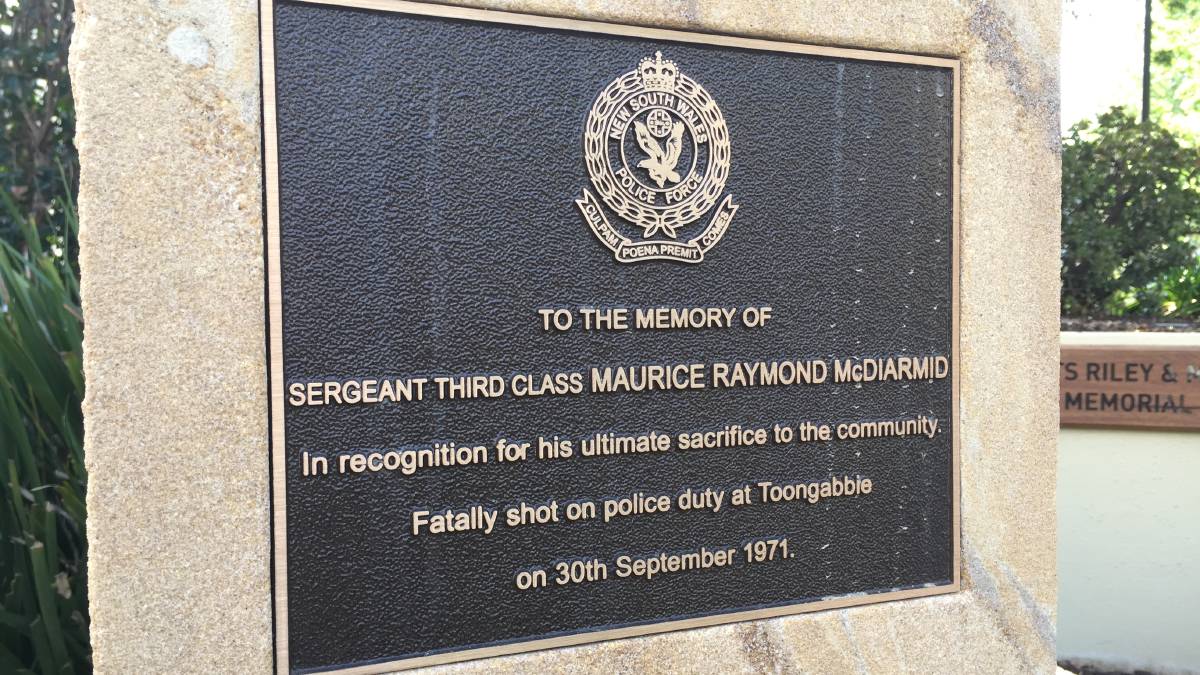
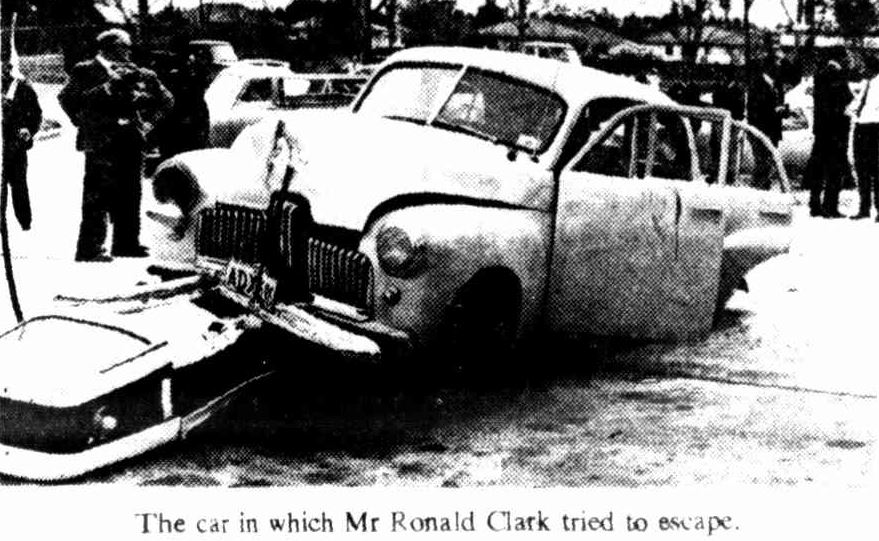
On 30 September, 1971, Sergeant 2nd Class Riley and Senior Constable McDiarmid attended a dwelling in Mimosa Avenue, Toongabbie to investigate a report that a man had shot and killed his brother at that address. On arrival the police saw the offender RonaldClarke who quickly ran to the rear of the house. Senior Constable McDiarmid followed him while the sergeant entered through the front door. As the senior constable entered through the back door the offender opened fire with a shotgun, inflicting a fatal wound. It appears the offender then went back through the house where he also shot and killed Sergeant Riley. Although the senior constable was still alive when other police arrived he died a short time later in an ambulance on the way to hospital. The offender was shot and killed by police ( Cst 1/c Alf GREGORY ) the same day.
William Riley was born in 1921 and joined the New South Wales Police Force on 3 December, 1945. At the time of his death he was stationed at Blacktown. He was posthumously promoted to Sergeant 1st Class.
Maurice McDiarmid was born in 1932 and joined the New South Wales Police Force on 9 July, 1956. At the time of his death he was stationed at Blacktown. He was posthumously promoted to Sergeant 3rd Class.
George Lewis Memorial Trophy
This trophy for the year 1971, which is for the most courageous act performed by a member of the New South Wales Police Force, was awarded posthumously to the late Sergeant 1st Class W. W. Riley and the late Sergeant 3rd Class M. R. McDiarmid who were stationed at 27 Division.
The trophies were presented to Mrs Riley and Mrs McDiarmid at the Police Academy during 1972.
PETER MITCHELL TRUST AWARDS
The ten awards under this Trust for the year 1971 were made to the following police, the trophies being presented at the Police Academy during 1972:
Most Courageous Act Posthumously awarded to the late Sergeant 1st Class W. W. Riley and the late Sergeant 3rd Class M. R. McDiarmid in conjunction with the George Lewis Memorial Trophy.
Canberra Times (ACT : 1926 – 1995),
Tuesday 21 March 1972, page 3
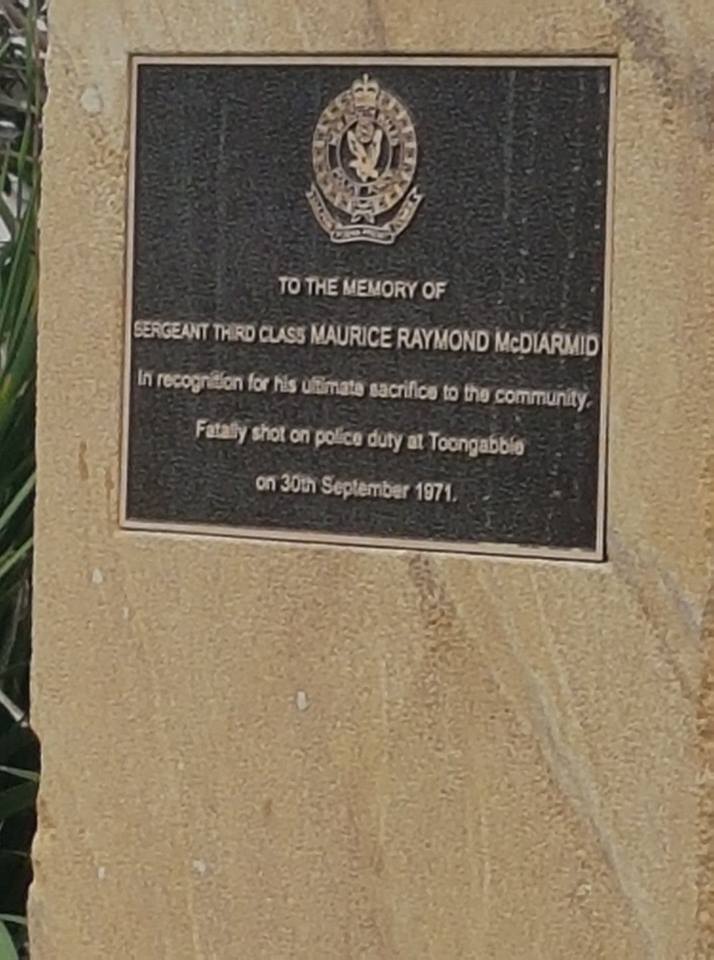
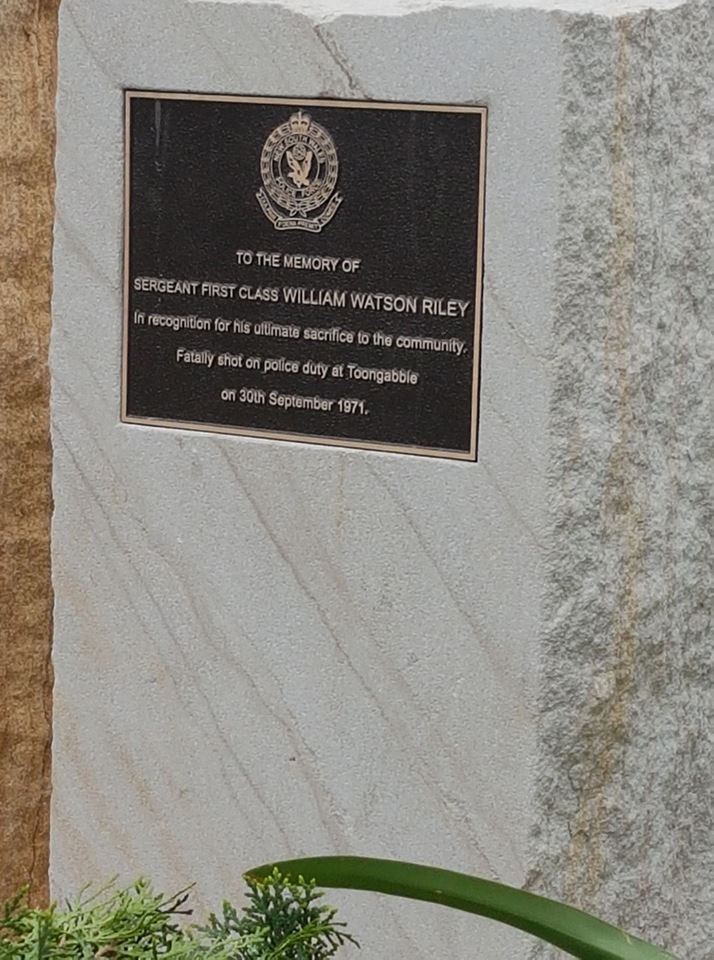
Plaque
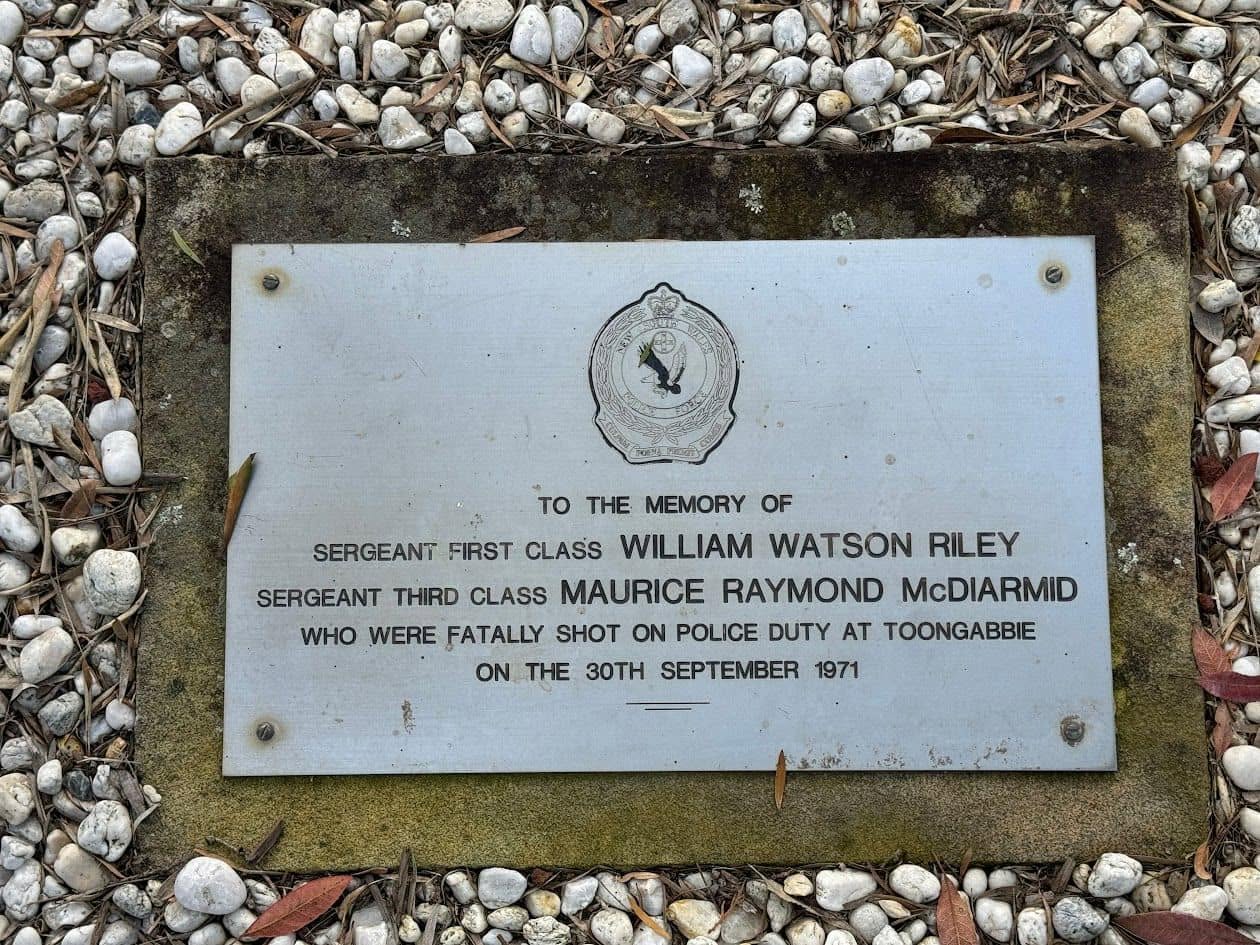
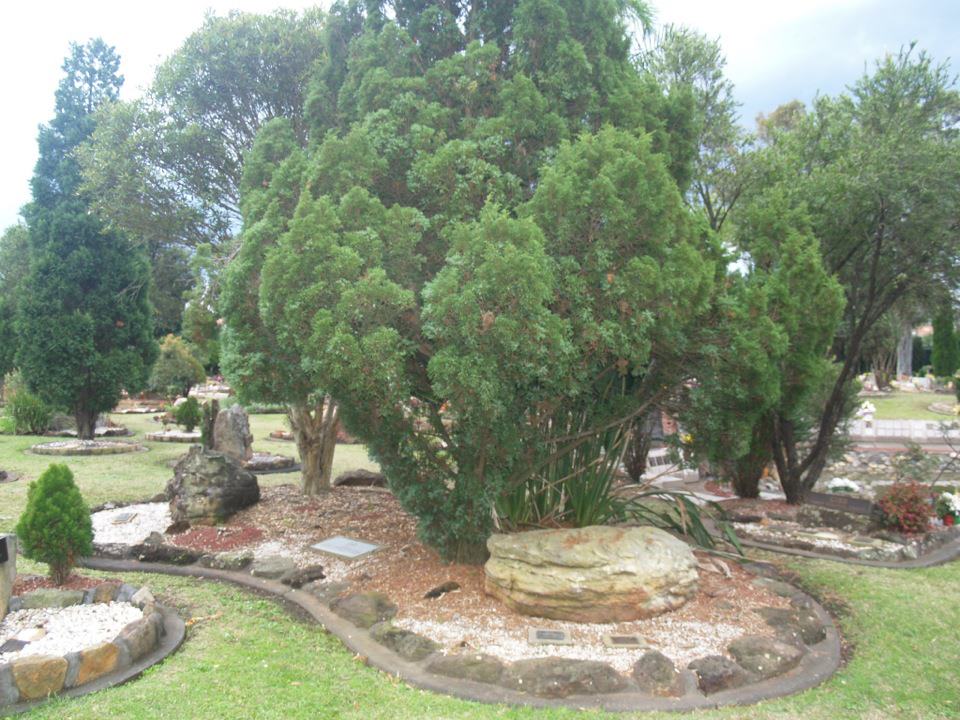
SYDNEY, Monday. — At the Pine Grove Memorial Park near Rooty Hill today, Bishop Hulme-Moir, chaplain of the NSW Police Force, dedicated a plaque in memory of Sergeant Maurice McDiarmid and Sergeant William Riley, who were shot when attempting to arrest an armed man at Toongabbie on September 30 last year.
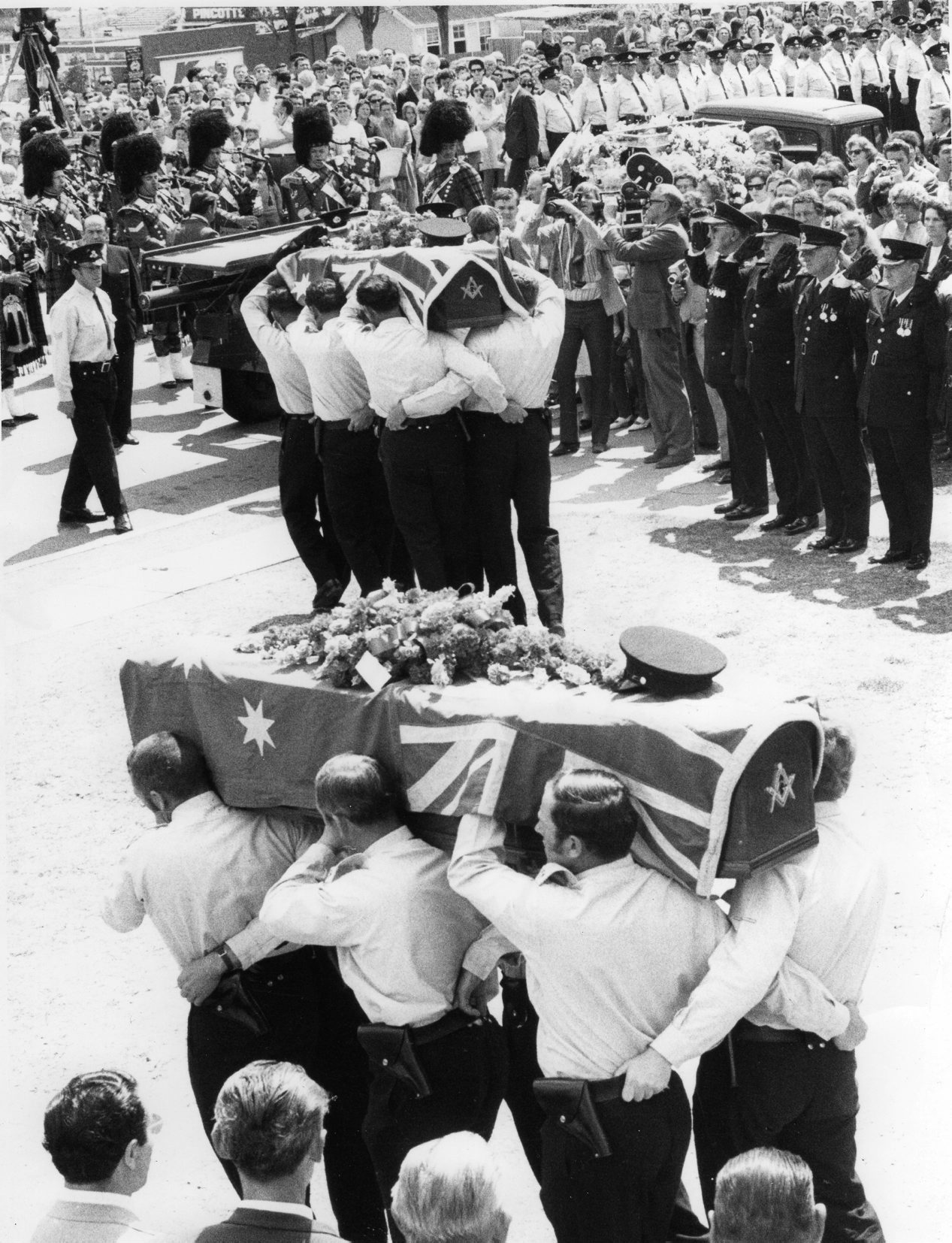
SYDNEY, Tuesday. -More than 400 policemen attended the funeral this morning of the two policemen shot by a man in Toongabbie last Thursday. Both men, Sergeant William Watson Riley and Senior Constable Maurice Raymond McDiarmid, were given full police honours at their funeral.
SYDNEY, Wednesday. – The NSW Government agreed today to make, as “an act of grace”, lump-sum payments of $12,500 to each of three police officers’ widows.
“The Premier, Sir Robert Askin, said the payments would be in addition to the pensions and dependant’s allowances already paid out of the police superannuation and reward fund.
The three policemen involved in the payments are Senior Constable W. E. King, who was murdered at East Gresford police station on August 13 last year, and Sergeants W. Riley and M. McDiarmid, who were shot by a man at Toongabbie on September 30 last year.
Sir Robert said members of the police force had always been specifically excluded from the definition of “worker” under the Workers Compensation Act.
He said the Commissioner of Police, Mr Allan, had brought to the notice of the Government that, in certain matters of workers’ compensation, police were in an anomalous position in relation to other Crown employees.
Sir Robert said a full examination would be made of overall benefits of workers’ compensation available to police.
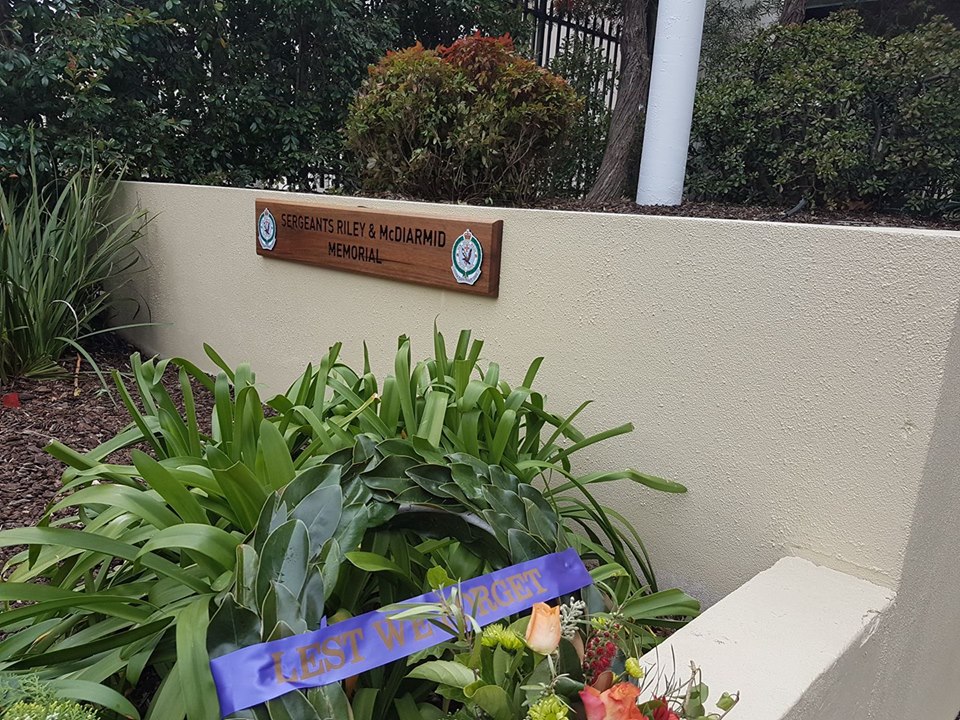
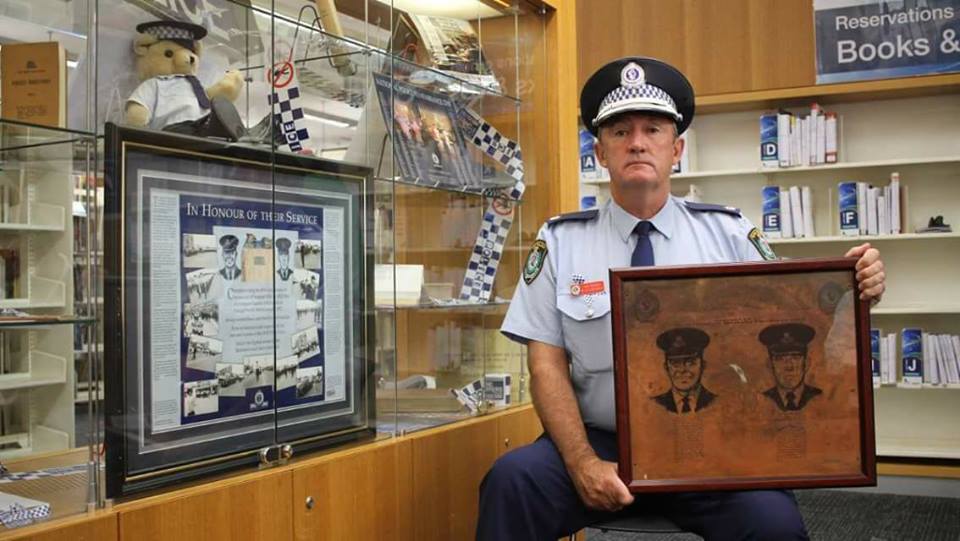
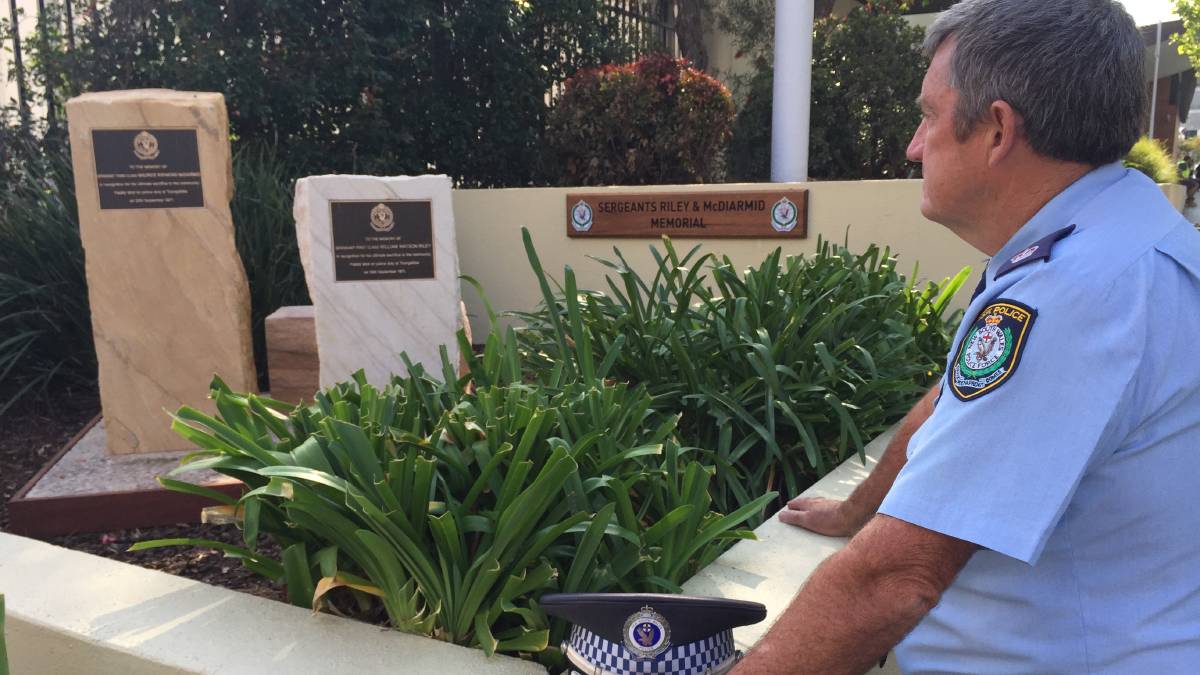
NOT FORGOTTEN: Blacktown Police Chief Inspector Bob Fitzgerald pays his respects at a memorial to slain officers Sergeant 1st Class William Riley and Sergeant 3rd Class Maurice McDiarmid. Picture: Harrison Vesey
A solemn memorial stands to remind Blacktown police officers of the price paid by two of their colleagues.
William Riley and Maurice McDiarmid were both killed in the line of duty on September 30, 1971, while trying to apprehend a murder suspect in Toongabbie.
They are now remembered by commemorative plaques outside Blacktown Police Station, as well as a plinth at the entrance to the memorial rose garden at the NSW Police Academy.
The plinth features two police caps pictured the way they fell when the men were murdered, and bears the words: “For The People”.
Detective Senior Sergeant Adam Wilson, Probationary Constable Peta Kendall, Acting Inspector Lauren Martin and Chief Inspector Bob Fitzgerald.
Chief Inspector Bob Fitzgerald said the permanent memorials were important for police and the community.
“I hope it’s a reminder when you come to work, you do the job to the best of your ability and go home to your family,” he said.
Acting Inspector Lauren Martin said Police Remembrance Day gave every officer a chance to think about those who didn’t make it home.
“It’s good to have a visual reminder so you can reflect on what could happen when you come to work,” she said.
Sergeant 2nd class Riley and Senior Constable McDiarmid were attending a home in Mimosa Avenue, Toongabbie, following reports a man had raped a woman and shot her lover, who was also his brother.
The offender, Ronald Clarke, shot and killed both officers as they attempted to surround him. He was shot and killed by police in Hillview later that day.
“It is a very sad day for all those who believe in upholding the law and order,” Police Commissioner Norman Allen said at the time.
Both officers were posthumously promoted for their outstanding courage and devotion to duty.
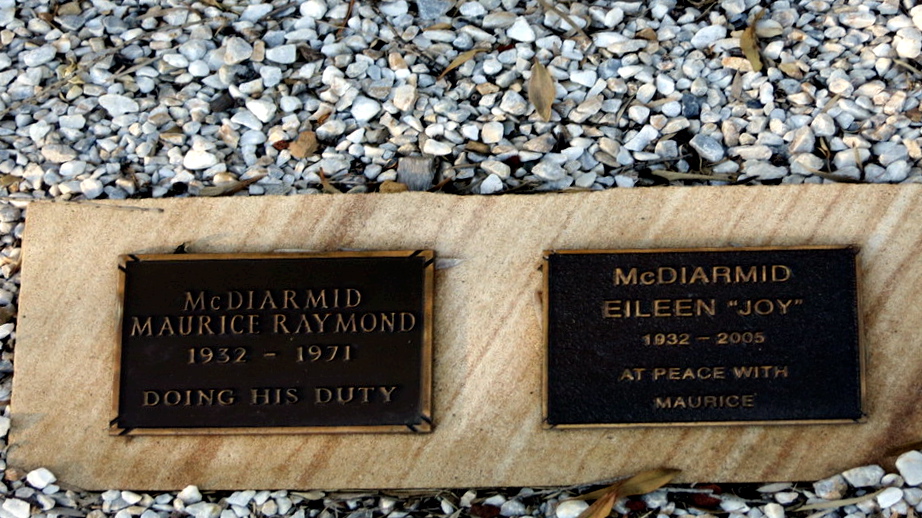
More than 400 officers attended their funeral in Blacktown. They were laid to rest at Pinegrove Cemetery with plaques bearing the inscription: “Doing His Duty”.
SYDNEY, Friday. — A Sydney coroner has commended two policemen who chased and stopped “an armed and desperate man“.
The man, Mr Ronald Desmond Clarke, had earlier shot and killed two other policemen after having killed his own brother in Toongabbie on September 30.
The coroner, Mr J. Parnell, SM, found on Wednesday that Mr Clarke in turn died in a car of cerebral lacerations and gun shot wounds to the brain inflicted by a person defending himself.
Constable A. C. Gregory, giving evidence at the inquest into the deaths of the four men, said that he and Constable L. ( Les ) A. Crawford in a police truck had rammed Mr Clarke‘s car, causing him to lose control.
Constable Gregory had seen Mr Clarke transfer a gun from his left hand to his right. The gun had been pointing at the policeman’s face and the constable had fired “one shot towards his shoulder“.
“The impact of this bullet appeared to throw him towards the passenger side of his car, but he still had the revolver, which he now held in both hands, levelled at my face“, Constable Gregory said.
“He appeared to be endeavouring to discharge the gun and it was then that I fired two quick shots at him“.
The four men who were killed were Sergeant First Class William Watson Riley, 50, and Sergeant Maurice Raymond McDiarmid, 39, of Blacktown, and Ronald Desmond Clarke, 20, and Warren John Clarke, 22, both of Toongabbie.
( Both policemen were promoted posthumously. Sergeant Riley was raised from second-class to first class, and Sergeant McDiarmid from senior constable to sergeant third class. )
Mr Parnell found that Mr Warren John Clarke died from gunshot wounds inflicted by his brother, Mr Ronald Desmond Clarke.
He found also that Sergeant Riley died from a fractured skull and lacerations to the brain, and Sergeant McDiarmid died in an ambulance between Toongabbie and Blacktown Hospital.
Both died as a result of bullet wounds inflicted by Clarke.
He said Mr Ronald Clarke, a professional criminal, had shot his brother, Warren Clarke, after having raped his brother’s de facto wife.
SYDNEY, Thursday. – Two policemen and two other men were shot dead in the outer western Sydney suburb of Toongabbie today.
The policemen were shot while investigating a report of rape and murder.
Earlier, Mr Warren Clark about 22, died in his bed. Police said his elder brother, Ronald. 23, had shot him through the head with a .22 calibre repeater rifle.
A young woman, living in the house in Mimosa Ave, Toongabbie. with Mr Warren Clark, told police that Mr Ronald Clark had awakened her and then shot his brother.
The woman alleged that Mr Ronald Clark then raped her and forced her to accompany him in his car.
After driving her around for several hours, he had released her at Black town.
The woman went to Blacktown police station.
She was in a hysterical condition.
Sergeant Second-Class William Riley, 50. and Senior-Constable Morrie McDiarmid, 39. left the station immediately to go to the house.
While they were on their way the police radio directed other police to the house.
The next-door neighbour, in Mimosa Ave, Toongabbie. Mrs Ethel Roberts, 54. said she first knew something was wrong when a police officer ran down a driveway at the side of her house.
He began kicking on the door of the house next door.
“He eventually forced the door and went inside”, she said.
“All was quiet for perhaps two minutes, then three shots rang out.
“I ran to the front porch as a young blond man ran from the house with a rifle in his hand, entered a car and screeched off down the road”‘. Mrs Roberts said.
“After he drove off, I saw a policeman’s blood stained hand grasping the back steps of the house”.
Stem flow of blood
“I ran to the road where a woman was delivering bread and told her to call an ambulance”.
Another neighbour, Mrs Dawn Harris, was called by Mrs Roberts, who was trying to stem the flow of blood from Constable McDiarmid.
“When I reached the house a policeman was propped against the back steps”, Mrs Harris said.
“His mouth and part of his face were torn and shredded from the shotgun blast.
“Another policeman was lying dead on the ground.
“In a bedroom in the house another man covered with a sheet was also dead and blood could be seen everywhere”.
Police said later they believe Sergeant Riley died immediately when he was shot at point-blank range with a shotgun.
Constable McDiarmid was taken by ambulance to Blacktown Hospital. He died shortly after arrival.
Meanwhile an all-points bulletin was broadcast over the VKG police network for all cars to be on the lookout for a bright blue 1950 sedan.
The broadcast warned, ‘This man is dangerous. He has a .22 rifle, a shotgun and two police pistols”.
“We have sighted him”, one car replied. “He is going toward Hillview”.
“We have stopped the car”, was the officer’s next report.
Constable Alfred Gregory and Constable Les Crawford said later they had rammed the suspect’s car with their police van.
The sedan got out of control and crashed into a bowser at a service station.
Constable Gregory jumped out of the van. As he approached the car he saw Mr Clark take one of the police pistols from the seat and transfer it to his right hand.
Three shots from pistol
Constable Gregory fired three shots from his pistol.
One of his shots struck Mr Clark in the side of the head, killing him.
In the car, police found several Commonwealth Bank cash bags, a blood stained nightgown and two suitcases containing mostly women’s clothing.
Two police revolvers, a .22 repeater rifle and a sawn-off shotgun were also recovered.
Tonight forensic and ballistic experts were still examining them.
The policemen killed are each survived by a widow and two children.
Sergeant Riley joined the force in 1945 and Constable McDiarmid in 1956.
A CIB spokesman said this afternoon the families were eligible for a special allowance paid to police killed while on duty.
He said that the lack of witnesses, particularly when the two policemen were shot, was hampering investigations.
POLICE KILLED OR WHO DIED FROM INJURIES RECEIVED IN THE EXECUTION OF THEIR DUTIES
On 13th August, 1971, Senior Constable William Edward King, who was then the officer-in-charge of police, East Gresford, was shot dead at East Gresford Police Station by a man who fired upon him with a rifle.
On 29th August, 1971, Constable 1st Class Patrick Mark Hackett died from injuries received in a motor accident at Polis, Cyprus, whilst performing duty with the New South Wales Police component of the Australian Police Contingent of the United Nations Peace Keeping Force.
On 30th September, 1971, Sergeant Second Class William Watson Riley and Senior Constable Maurice Raymond McDiarmid, both then attached to Blacktown Police Station, were shot dead in a house at Toongabbie which they had entered to arrest a man who a short time before had murdered his brother and raped a woman in the same house.
A police funeral with full ceremonial honours was accorded these deceased officers at which appropriate tributes were paid.
In recognition of their outstanding courage Sergeant Riley and Senior Constable McDiarmid were posthumously promoted by me to Sergeant 1st Class and Sergeant 3rd Class respectively. In addition, I submitted recommendations to the Premier for favour of consideration of Royal Awards being granted in both cases.
To assist the widows of the deceased police the Premier approved the payment to each of them of the sum of $12,500 as a gratuity. This payment did not in any way affect their entitlements to payments under the provisions of the Police Regulation (Superannuation) Act.
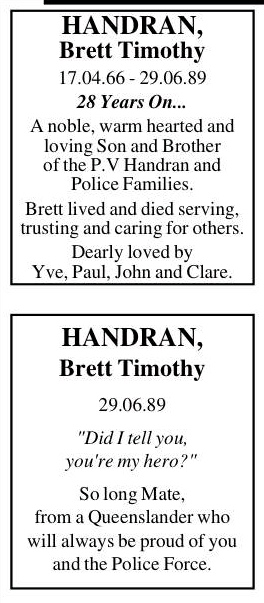
Plain Clothes Constable Handran was fatally shot by Tony Leif Dolerud at Wynnum, Brisbane on 29 June 1989 while attending a serious domestic dispute in company of his partner Plain Clothes Constable ( Stephen ) Clarey ( 24 ).
Dolerud had earlier stabbed his wife in an argument and, as a friend tried to take her to safety, armed himself with a high powered rifle and began firing indiscriminately into the street.
Plain Clothes Constable Handran was fatally shot as he alighted from the police vehicle outside the man’s unit. Constable Clarey was also shot as he took shelter behind the police vehicle.
Dolerud later took his own life ( suicide ) after killing his two-year-old daughter. Four others were wounded.
On Monday 3 July 1989 Brett Handran’s family were joined by a large contingent of his colleagues including senior officers of the New South Wales, Victorian and Australian Federal Police Forces.
The Service was conducted at the Queensland Police Academy Chapel with full police honours.
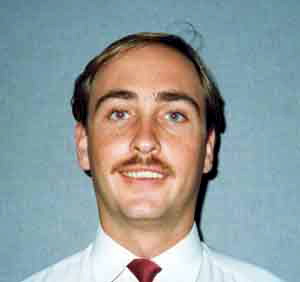
BRISBANE: On the day that all the headlines were about the Fitzgerald report and its recommendations for massive changes to the Queensland police force, not many would have been thinking of Constable Brett Timothy Handran, 23, who was gunned down last Thursday when he went to investigate a domestic dispute.
His funeral was held an hour after the first embargoed copies of the Fitzgerald inquiry report were handed to state Cabinet and journalists yesterday.
More than 300 police and mourners attended the 10am service.
Constable Handran was shot through the heart at a block of welfare flats in the bayside suburb of Wynnum.
The man who shot him also killed a little girl and then himself.
Four people were injured, including another officer, Constable Stephen Clarey, 24.
The Minister for Police, Russell Cooper, told the congregation, “I express deep regret at the loss of a loved one and a fellow officer.”
Among the mourners were police representatives from NSW, Victoria and the ACT. The Queensland police contingent was headed by Acting Commissioner Ron Redmond.
Some officers at yesterday’s service could not hide their frustration over Constable Handran‘s death, at a time when police morale had taken a battering.
“If only people could accept that we are proud of our job,” one officer said. “You get abused when you hand out a traffic ticket, but there are a lot a crazies running around and it’s the police who are expected to bring them in.”
Constable Handran, a single father, was attached to the Juvenile Aid Bureau. He and Constable Clarey were in Wynnum on another police matter and were the first to respond to the emergency call.
Last week, as police gathered up their equipment and prepared to leave the scene of the Wynnum shootings, one officer said, “Constable Handran will be buried on Monday, the same day the Fitzgerald report is released. Guess which story will get the biggest headlines?”
BRISBANE: The Queensland Government has been criticised for not providing police with bullet-proof vests following a shooting in suburban Wynnum yesterday in which three people were killed.
A two-year-old girl and an unarmed policeman were shot dead outside a flat in Carmichael Court by a man who later turned a rifle on himself and committed suicide.
Police said the shooting was the result of a domestic dispute.
The Opposition spokesman on police affairs, Terry MacKenroth, said every police car in the state should have at least two vests in it to protect officers called to emergency situations such as yesterday’s siege.
“Mr. Cooper, along with every other Ahern Government minister, including Deputy Premier Bill Gunn and the Premier himself, must take the blame for the death of a young police officer today,” he said.
Liberal leader Angus Innes said the Government had promised two years ago to provide police with bullet-proof vests.
He said that it was only in June this year that 1400 bullet-proof vests for police had been finally approved.
“Police know that they are more likely to be killed attending a domestic disturbance than in any other area of police work,” Mr Innes said. .
“The minister for Police, Russell Cooper, said last night that he had ordered a meeting today with Acting Police Commissioner Don Braithwaite to investigate the incident.
“Police said a man, a woman and two children had gone to the Wynnum flat, occupied by the woman’s former de-facto husband, to collect some of the woman’s property.
Police believe an argument started, which resulted in the woman being stabbed several times in the back, chest and arm.
As she fled with her male companion the man in the flat fired a rifle from an upstairs bedroom window, wounding the man in the back.
Police said as the couple drove to a nearby doctor’s surgery for help, a woman neighbour apparently attempted to carry the injured woman’s two-year-old daughter to safety.
The gunman fired another shot from the bedroom window, killing the girl and injuring the woman.
They said two plain-clothed officers from the Juvenile Aid Bureau who were in the area went to investigate.
The gunman then opened fire on the officers as they left their car and 23-year-old Constable Brett Timothy Handran was shot in the back and later died in hospital.
His partner, Constable Stephen Clarey, 24, suffered a bullet graze to the head and was not expected to be detained in hospital overnight.
The woman, her male companion and the female neighbour were also being treated in hospital.
A police spokesman said when the Tactical Response Unit arrived, they were told an eight month-old baby boy was still in the flat with the gunman.
They forced entry through the kitchen and rescued the baby, who was crawling on the floor.
About 45 minutes later police again entered the flat and found the gunman dead in a bedroom with a gunshot wound to the head.
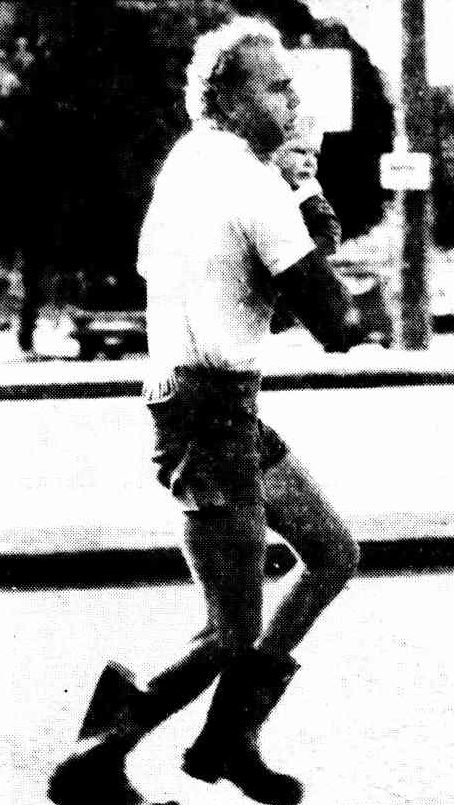
A man with a baby in his arms runs from the siege area.
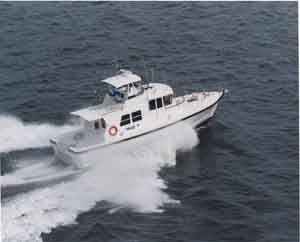
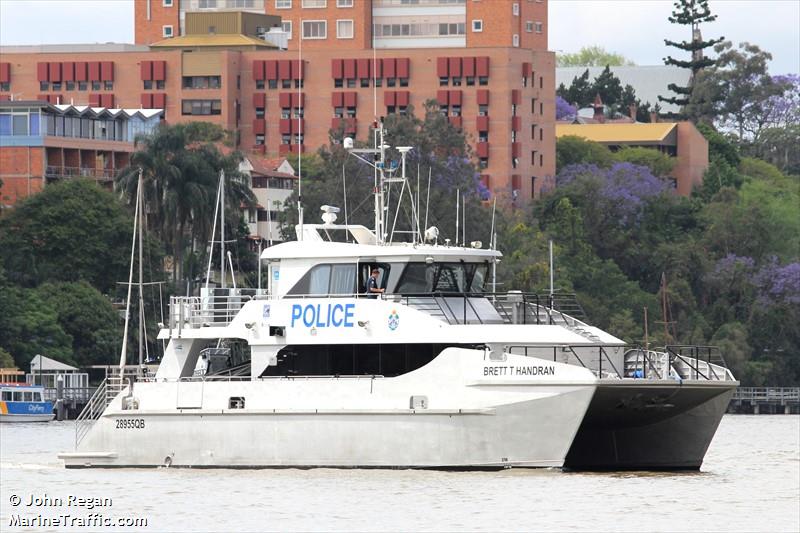
14.8 metre Norman R Wright and Sons fast patrol launch, triple diagonal planked hull with a dynel sheath. Powered by twin 420 hp Detroit 6v 92 series motors.
‘BRETT T. HANDRAN II‘
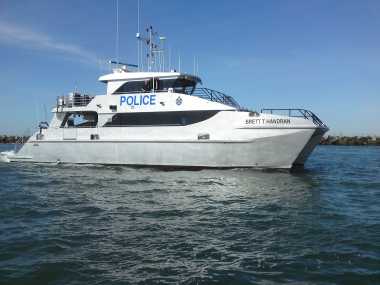
Brett T Handran II
BRETT T. HANDRAN II – 2009
The Brisbane based ‘BRETT T. HANDRAN II‘ was delivered to the Queensland Police Service in March 2009.
Built at a cost of over $1m, and one of three similar vessels (‘W.CONROY V’, ‘LYLE M. HOEY IV’ ), the ‘BRETT T. HANDRAN II‘ was built by Austral at their Margate shipyard just south of Hobart, Tasmania.
The ‘BRETT T. HANDRAN II‘ is a 22 metre aluminium catamaran powered by two MTU Series 60 diesel engines, each rated at 499kw, with Twin Disc Quickshift MGX-51355C gearboxes driving two Bruntons five-bladed fixed pitch propellers giving a maximum speed of 26 knots (cruise speed 20 knots) and a maximum range of approximately 900 nautical miles.
FROM THE VAULT – Star of Courage: Constable Robert Rodgers
Robert Rodgers joined the Queensland Police as Constable number 5904 on 10 October 1986. He served at the following stations: City; Mooroka; Brisbane Mobile Patrols; Inala, Brisbane CIB and Wynnum and retired on 7 February 1990.
On 29 June 1989Constable Robert Rodgers and Senior Constable Peter Edwards of the Wynnum Police, were told to attend an incident at Carmichael Court where a man was going berserk with a gun and where several persons had been shot, including Plain Clothes Constable Brett Handran. Rodgers and Edwards arrived at Carmichael Court, alighted from the vehicle and took cover. Constable Rogers ascertained from local residents the approximate location of the gunman and learned that a child and woman had been shot.
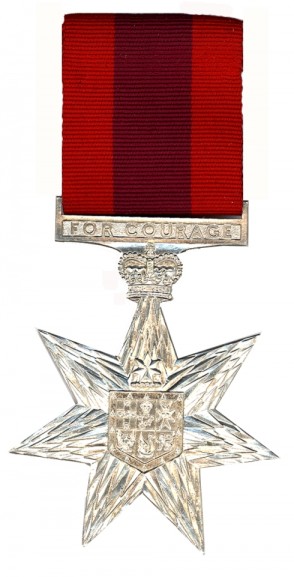
Constable Rogers found a position of safety close to the gunman’s location and communicated with the man to negotiate access to the wounded people. Without thought for his own safety, Constable Rogers successfully removed the child and woman from harm’s way. Constable Rodgers was awarded the Star of Courage on 18 April, 1991 for displayed conspicuous courage.
The Star of Courage is awarded for acts of conspicuous courage in circumstances of great peril. It is the second highest Australian Bravery Decoration. Only four Queensland Police officers have been in receipt of the Star of Courage since the award was established in February 1975.
Australian Bravery Decorations date from the establishment of the Australian honours system in. The Group Bravery Citation was added in 1990. The decorations recognise acts of bravery by members of the community. There are four levels of decoration:
Cross of Valour (CV)
Star of Courage (SC)
Bravery Medal (BM)
Commendation for Brave Conduct
The book – BRAVE, written by Mark Whittaker and first published in 2011 by Pan MacMillan Australia P/L also goes into further detail about this event.