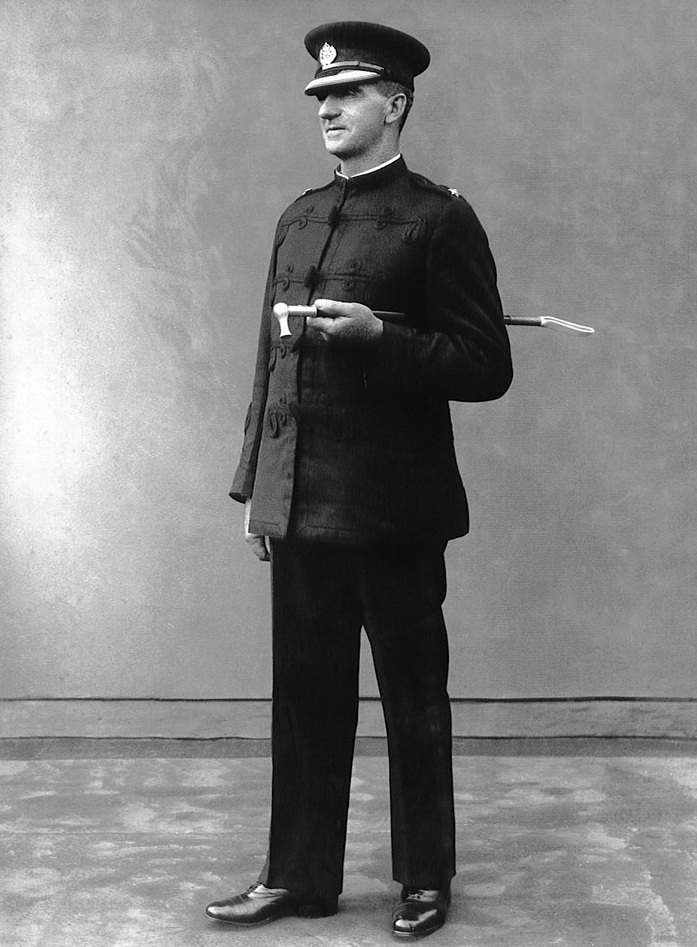
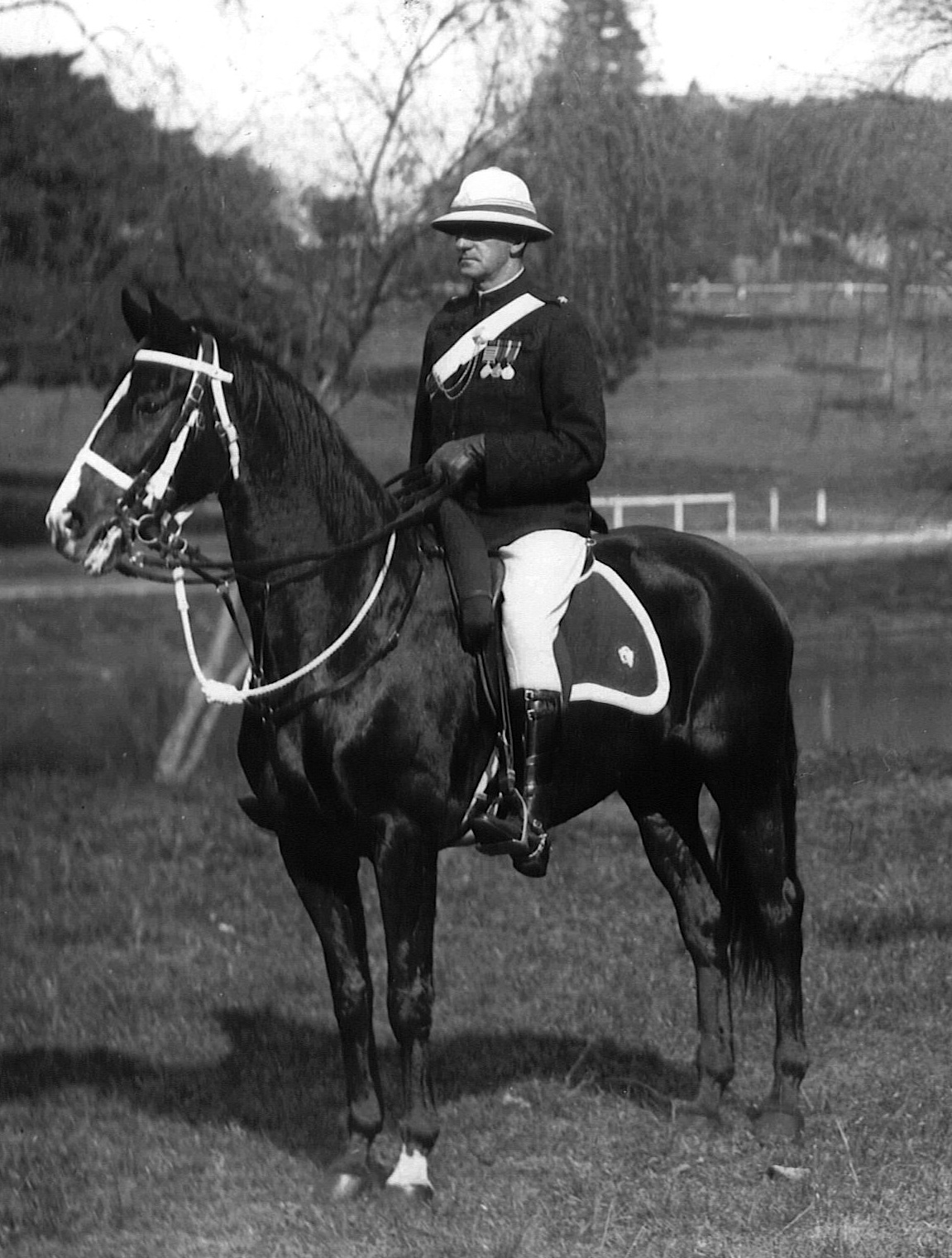
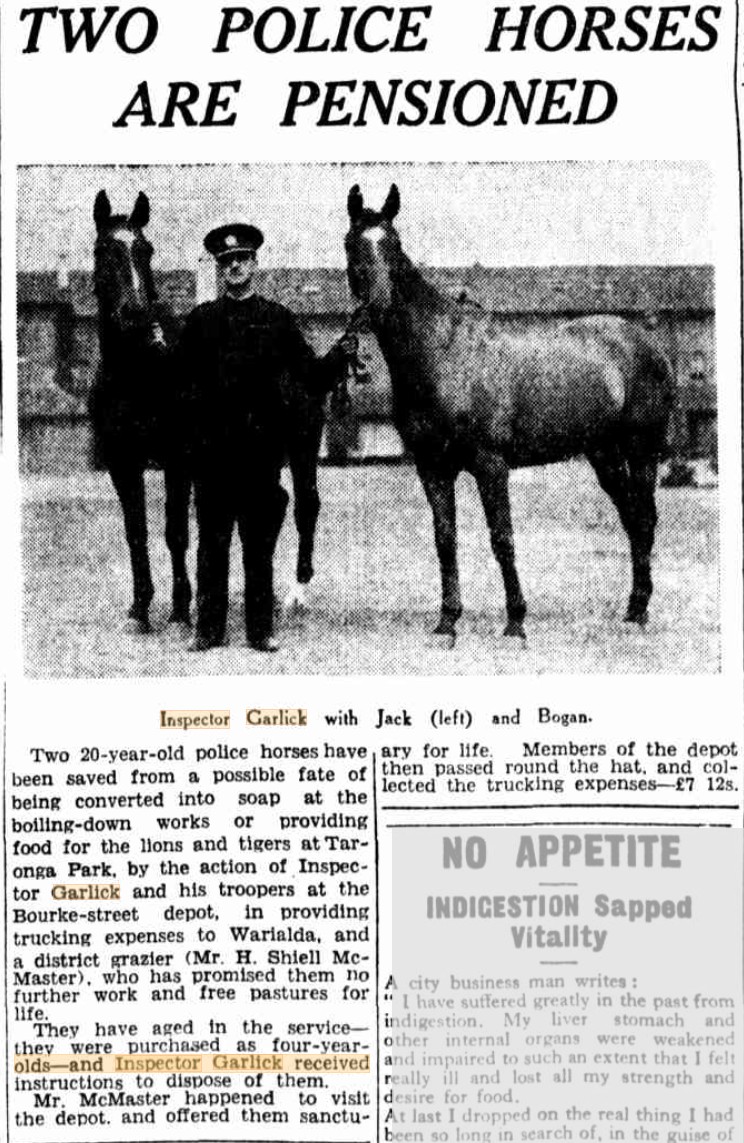
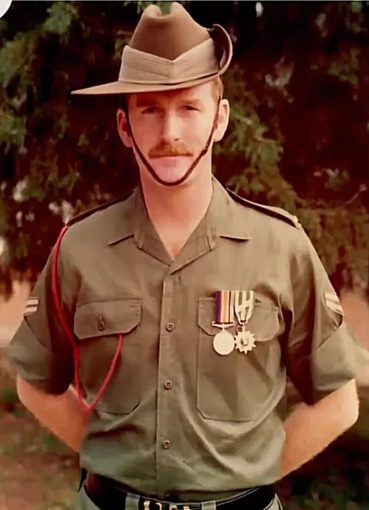
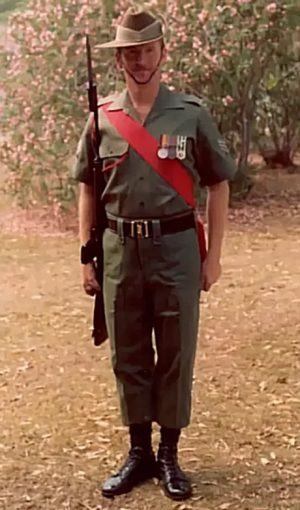
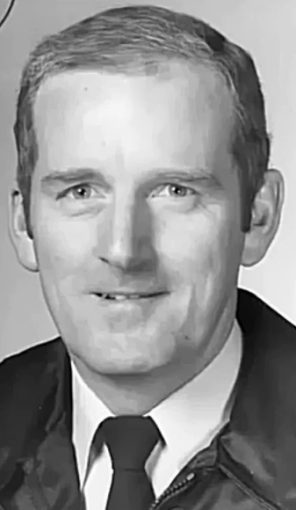
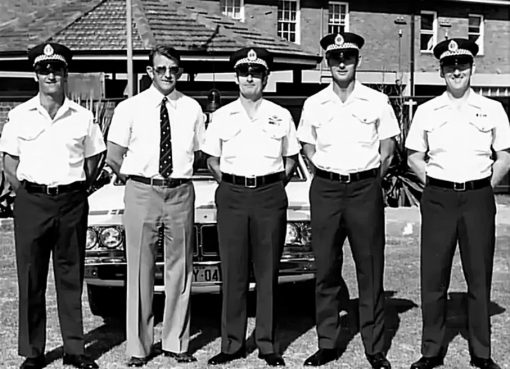
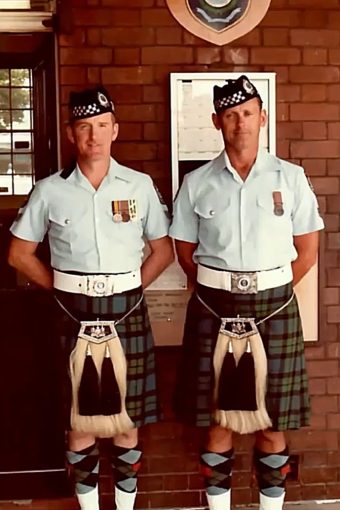
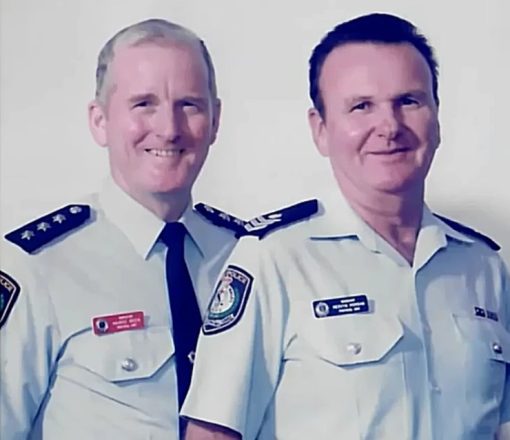
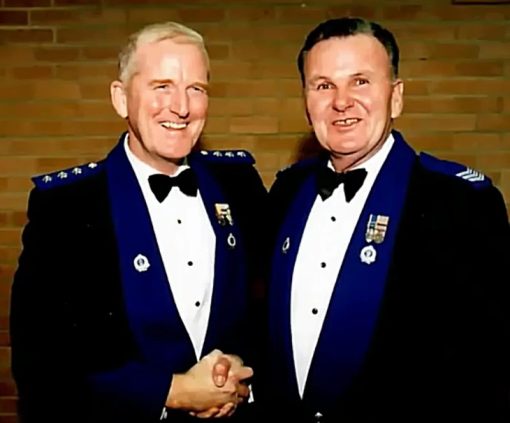
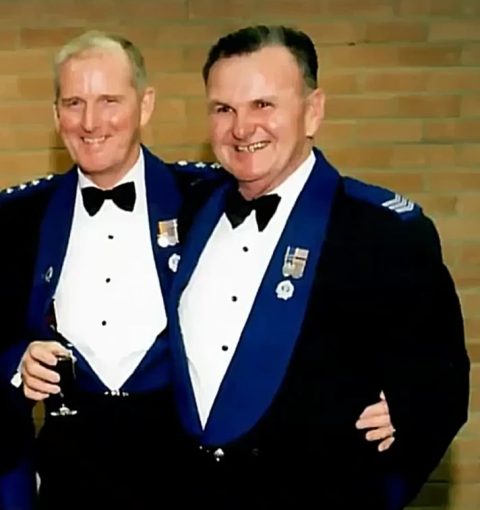
The Memoirs of Bob Deards
NSW police officer: 1967 to 1986
Copyright in the following remains with the author, Bob Deards 2020.
“Jack Smith” is a false name used to protect an identity.
Dedication
TO ALL THOSE MEN AND WOMEN OF THE NEW SOUTH WALES POLICE FORCE WHO STRIVE TO PROTECT US AND OUR WAY OF LIFE AND WHO ABIDE BY THE LAW OF THE LAND I GIVE MY THANKS. I CONDEMN ALL OF THOSE POLICE WHO STRAY FROM THE NARROW LINE AND BRING DISGRACE TO THE POLICE FORCE IN GENERAL.
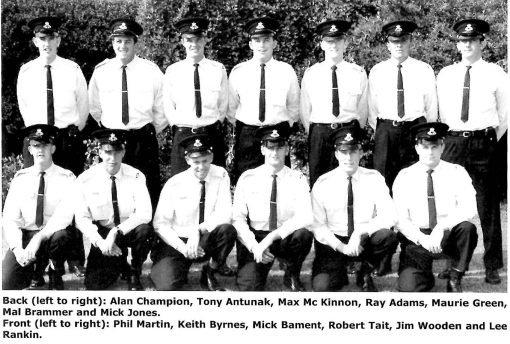
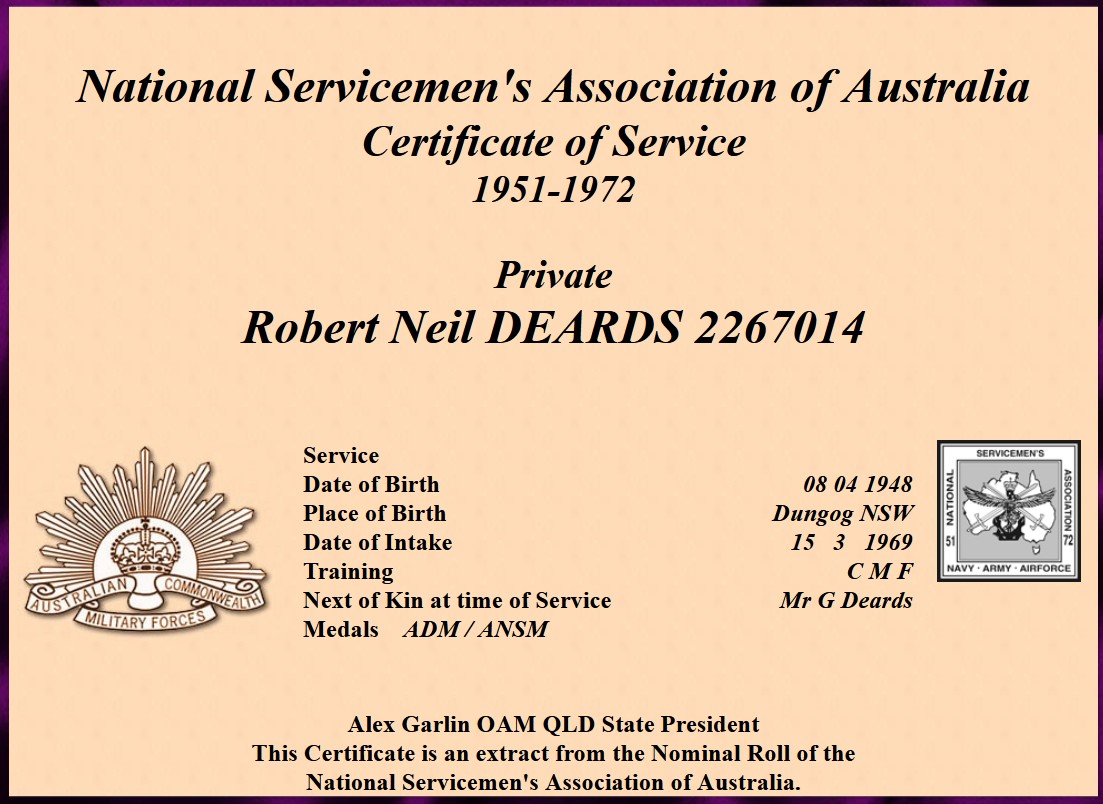
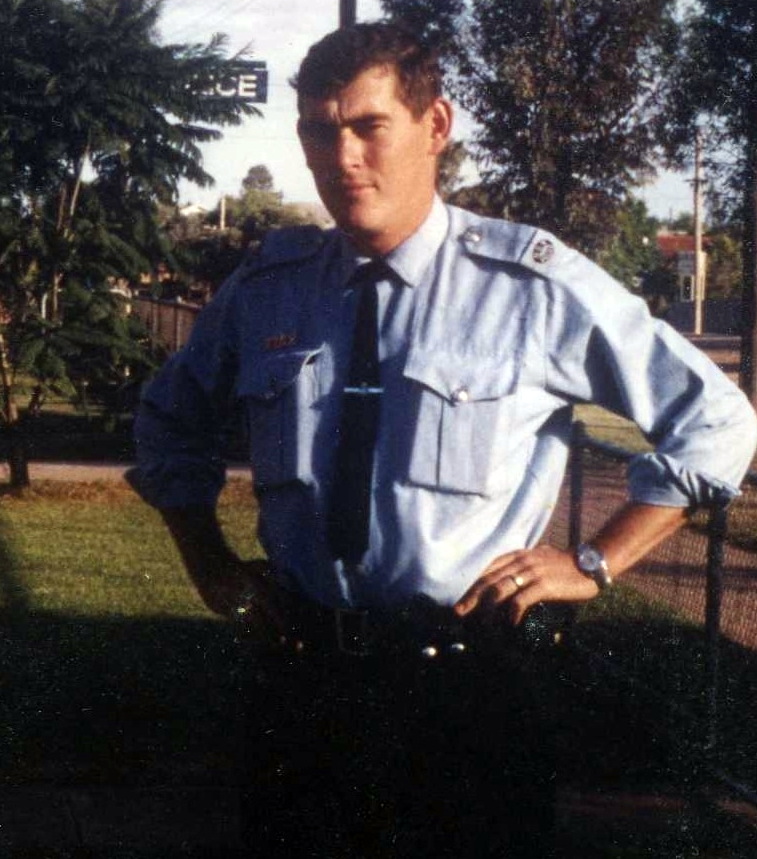
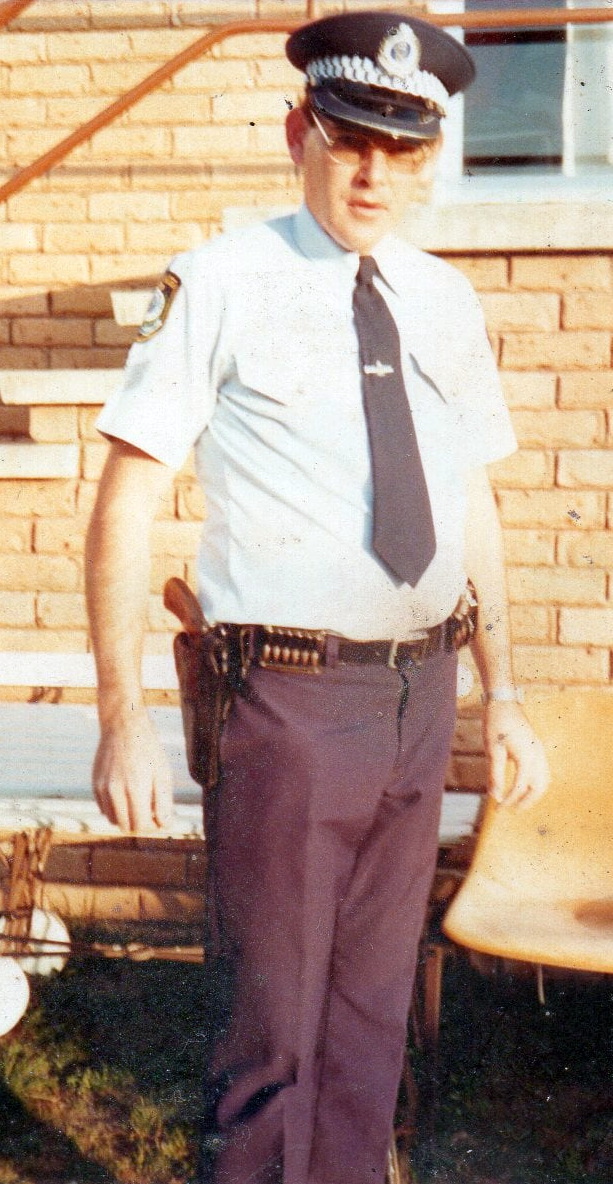
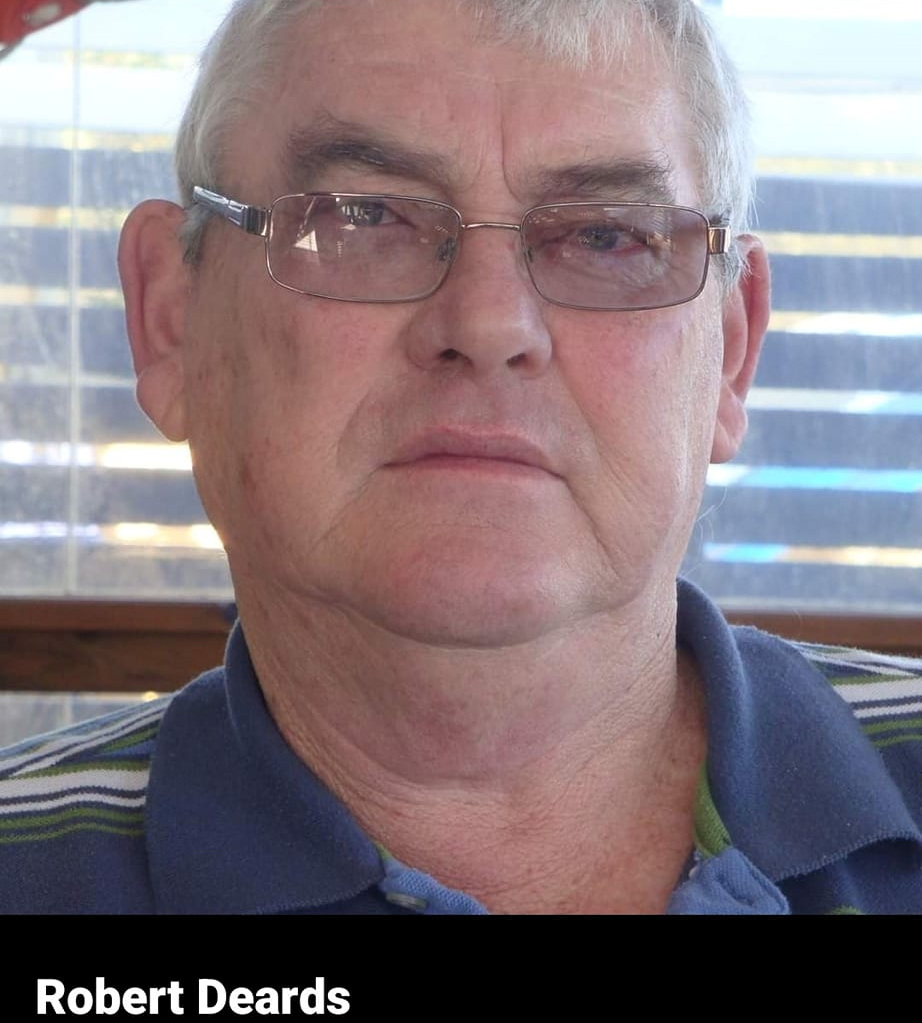
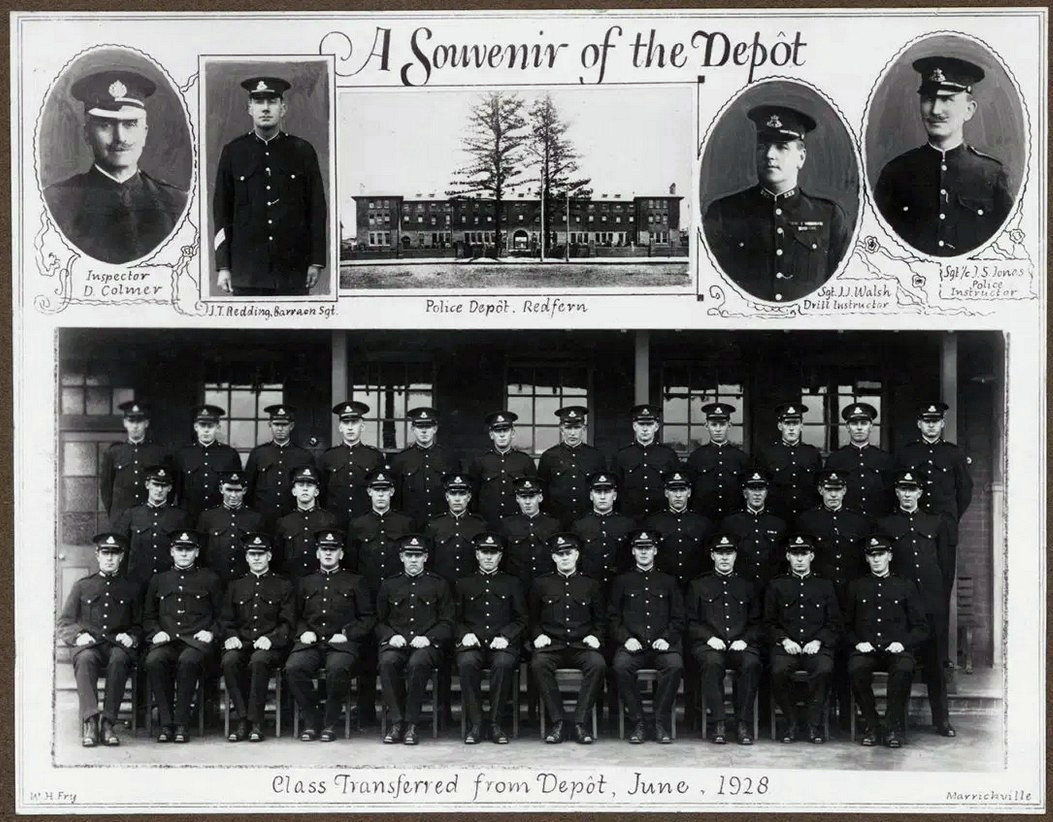
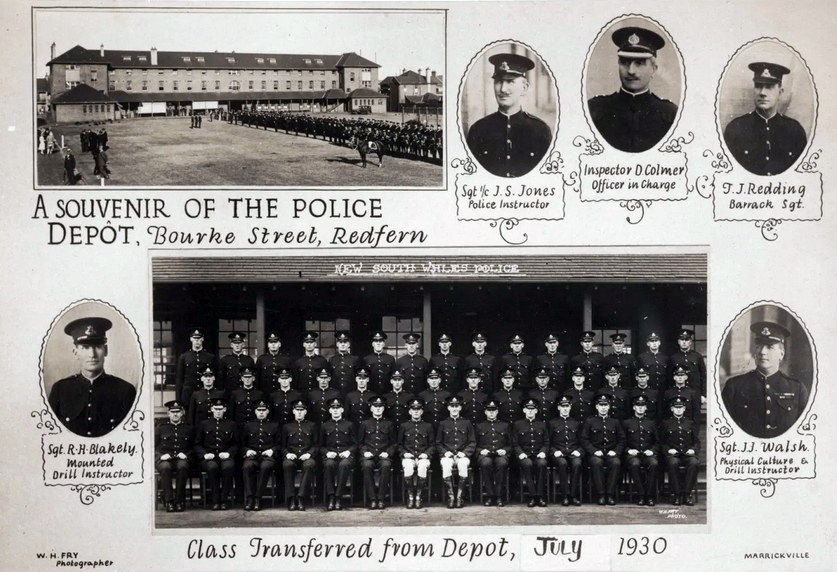
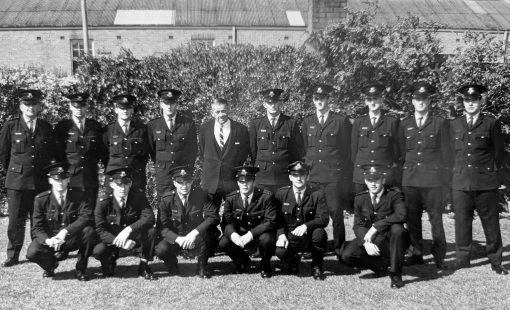
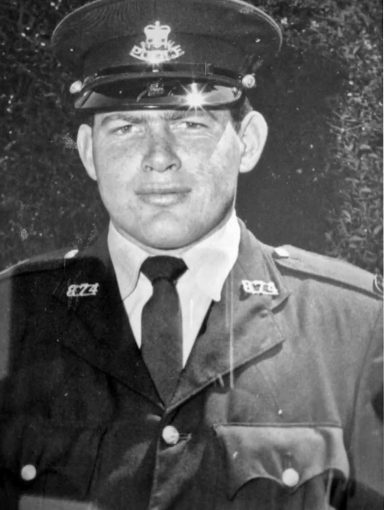
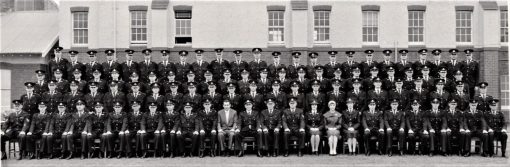
My name is Robert Neil Deards and I was born at Oomabah Private Hospital in Dungog on the 8th April 1948. In 1967 I began my training at the NSW Police Training Centre at Redfern, and was later attached to Paddington Police Station, earning $49.94 per week.
During the morning of my first day at Paddington a senior constable approached me and another constable and said, “Which of you two is Deards?” I replied that it was yours truly. He threw a set of car keys to me, and said, “You drive”. We jumped into a paddy wagon and drove away. I had no idea of where I was going and the other officer called directions. We eventually arrived at Circular Quay.
I was directed to stop the truck outside a large brick building with several roller doors in the front and one smaller access door to one side. As soon as we entered, I was almost overcome with the terrible smell emanating from the place. We walked down a corridor that opened into a large room with several stainless- steel tables in various places. All these tables had what I thought were dummies lying on them, and they were all colours, black, blue, red and a mixture of other colours. I had no idea where I was but the smell was sickening.
A man dressed in a white coat and eating a sandwich approached and spoke to the senior constable. I was having some serious problems with my breakfast that did not want to remain in my stomach. Suddenly another man dressed in white approached a table near where I was standing carrying a rather large knife and immediately struck it into the throat of a “dummy”. Blood gushed out all over the floor as did my breakfast.
I was taken back to our truck and driven back to Paddington where I was told to go home for the day and recover. The following day I found that it was a big joke among the other police in relation to my attendance and performance at the City Morgue. I will always remember that day
I was initially rostered to perform Station Reserve Duties with a 1st class Sergeant in Charge and I was also one of two police rostered to drive the divisional paddy wagon on our shift. I can recall many instances when during the night shift, the sergeant would say to me, “Why don’t you go for a walk down Oxford Street and check the shops etc.”
On one such night I came across a shop which had the plate glass window smashed. I ran back to the police station and told a senior officer what I had found. He requested detectives attend and then he directed me to return to the scene and assist the detectives if possible. By the time I arrived back on the scene a paddy wagon was already reversed up to the door of the shop.
I said to one of the detectives, “Do you think there is much missing,” to which he replied, “No, not yet!” giving me a stupid smile while he spoke.
He and other detectives then commenced to fill up the back of their truck with fur coats, wigs etc. and other expensive clothing. On my return to the station I told the sergeant what I had seen and he said, “Don’t worry, it’s probably just exhibits.”
I recall one instance when I was working night shift and at around 2am we received a radio call informing us that a taxi driver had dropped off a man, at the Gap at Watson’s Bay and that the man was carrying a military style bayonet. On arriving at the Gap, we saw a male person walking backwards and forwards along the cliff top. As myself and my partner approached the man, he began yelling for us to stop or he would jump. In the majority of cases it had been my experience that the threat to jump was a bluff. They were simply seeking a shoulder to cry on and usually a sympathetic ear and a display of genuine concern was all that was needed to end the situation.
However, on this occasion as we got closer to the man, he became very aggressive and made several lunges towards us holding the bayonet in his outstretched hand.
As we got closer to the man, he suddenly lunged forward with his right arm raised and his hand still firmly clutching the bayonet. He brought his right arm down striking my partner just under the chin and cutting the front of his shirt open. Luckily there was no blood but my partner fell over backwards more in shock than anything else. I punched the man as hard as I could in the face, knocking him to the ground before jumping onto his chest and pinning both his arms to the ground I had dropped my torch during the brief struggle and we were that close to the edge that it fell over the cliff. My partner soon recovered from his initial shock and came to my assistance. The man was handcuffed, placed in the back of the truck and driven directly to the Rozelle Admission Centre. The remainder of our shift was incident free
About two weeks or so later I received a radio call informing us that a woman had been seen getting out of a taxi and walking toward the safety fence at the Gap. She then climbed over the fence and was last seen standing at the edge of the cliff. By the time we arrived she had sat down and both her legs were dangling over the edge. My partner stayed at the fence saying he was not going near the crazy bitch. I approached her very slowly and trying to talk softly and in as soothing a manner as I could. When I was almost within reach, she held up her hand and screamed, “Stop or I will jump.” I stopped and was attempting to reassure her that everything would be OK if she came with me. She appeared to calm down so I edged cautiously toward her and she screamed,” No closer or I will jump”
My partner yelled out to her and said, “Fine I’m sick of wasting my time over some fat bitch who only wants a bit of sympathy. Go ahead, if you want to fucking well jump then just fucking jump and stop wasting our time.”
With that the woman launched herself off the cliff and fell to her death.
If I was rostered as either driver or observer on a night car from Paddington, Waverly, Bondi, or Rose Bay, one of your last duties at the end of your shift was to drive to a butcher in Paddington and collect a decent supply of steak, sausages and bacon. We then drove to another site and collected eggs, tomatoes, onions, bread and butter etc for some of the day shift and afternoon shifts at the station. You then drove to the milk depot and picked up enough milk for day and afternoon shifts. Of course, both the milk and meat were supplied free of charge, under some arrangement by someone a lot higher up the ladder than me.
One morning in 1968 we were called to a small service station in Bondi. On our arrival I saw that the front plate glass window had been smashed. My senior partner entered the premises through the broken window and found that the offenders had left the scene. There was a red metal cabinet on the counter containing KLG Spark plugs and my partner began grabbing handfuls of these and told me to put them in the glove box of the truck. I mistakenly thought that they must be for exhibits at court if we caught the offender. When the glove box was full, he said to me, “Do you want some spark plugs?” I said “Why?” He replied, ” Do you own a car?” to which I replied “Yes.” He then said, “Has it got spark plugs” I replied, “Yes.” He replied, “Well help yourself”. I told the sergeant that I did not want any.
On commencing my next shift, I reported this incident to a superior officer who replied, “You must be mistaken, your partner is a respected, dedicated and senior member of the service and a good Catholic and he would not be involved in anything like you describe.”
A few days later I arrived for work at Paddington Police Station at 7am and the station sergeant said to me “What are you doing here?” I said “I work here.” he replied “Not anymore, you have been transferred to Griffith and you start work there at 3pm tomorrow. Get home pack your things and get the next train to Griffith.”
So much for opening my mouth about my partner’s actions a few nights previously at the service station.
I was shocked at the level of corruption that should have been obvious to anyone seriously looking. Mainly detectives following break and enters at business premises. They generally took almost as much as the actual thieves. From my observations, the uniformed general duties police were mainly straight and did not get involved in large-scale criminal activities. I’m not saying that they were all perfect but they were generally not involved to the same extent as a great number of the plain clothes police were.
I do know of one particular constable and sergeant that would drive around at night looking for suitable and expensive cars to steal, When they found one, the constable with a few spanners in hand would crawl under the car and remove the tail shaft, climb back out from under the vehicle and connect a tow rope to the paddy wagon and with the constable in the stolen vehicle, the sergeant would tow it back to the constable’s apartment block and push the car into a garage where it could have the engine number re-stamped, chassis number changed, and the vehicle resprayed over a couple of days. The re-birthed vehicle could then be sold.
***
I enjoyed Griffith and its people, the majority of whom were Italians. They were a very friendly lot and made my stay very enjoyable.
There were two detectives stationed at Griffith at that time. I recall telephoning my fiancée one evening and while talking to her about my fellow workers I mentioned that the detective sergeant seemed like a decent man, certainly very friendly and had obviously done well for himself, as he drove a big Ford Fairlane car and had a nice new brick home in Griffith.
Over the next few months I had the privilege of Meeting Donald McKay, a local businessman who consistently advocated publicly about greater police attention to the marijuana business in Griffith. His actions and comments were not received favourably by some police at that centre and were to have unfortunate repercussions some years later when Donald McKay was reported missing. His remains were never found and according to what I have been told by a retired senior police officer, never will be.
After nine months at Griffith it became quite obvious to me that I did not fit in with the majority of local police and their way of doing things. They did not have the same values as I did. They just about all had second jobs working for the numerous Italian families in the area, either picking fruit, or driving grain trucks to the silo. Even when working on police duties they would spend a lot of time visiting the local hotels and clubs, drinking and socialising with various Italian families, and the majority seemed to me to be mixing with the wrong crowd most of the time.
It is interesting to note that the Police Regulation Act at that time stated that you were not allowed to have a second job because of the obvious conflict of interest, however it did not appear to worry the majority of police or their superiors.
Others had quite different jobs at local clubs, mainly all owned and or run by Italians. The detectives at the station seemed to spend a lot of the time visiting farms in the area and forming a good relationship with the Italian owners. In the late 1970’s all three of the detectives were sentenced to varying terms of imprisonment for their criminal activities in the drug business.
I did find that about six of the local police held similar values as myself and we got along fine and enjoyed our work and social activities together.
I spoke to the inspector in charge and requested a transfer to a small station as soon as possible, and after a while I was transferred to Cargelligo.
Senior police were keen to obtain a conviction against certain section of the community, in particular, SP bookmaking. During my tenure at Cargelligo a senior colleague would be directed to visit some hotels in our area with myself in tow in plain cloths, collar and tie suit and wearing a shoulder holster an, in the case of my senior colleague, his pork pie hat, in an attempt to catch someone breaking the law, by placing a bet. We always drove to Ungarie, a small rural community about eighty kilometres east of Cargelligo, arriving at around 10 am. The publican would have been advised of our impending visit, probably about half the male population were bowling mates of my colleague.
After parking the police car in the yard behind the local police residence we would walk down the main street to the hotel. Being the only two men in the hotel bar not wearing thongs, shorts and a blue singlet tended to make us stand out from everyone else. My colleague would order a couple of schooners then two more. Then it was time for a huge counter lunch. We would sit at one end of the bar each scanning the racing form guide and settle in for a good afternoons drinking. We would generally leave around three pm or so.
I was not interested in SP bookmaking, never have been or, will be. I had more important things to do with my time than trying to nab some poor bugger for wanting to place a bet. The fact that there was no legal means of placing a bet in those small country towns was not their fault so why should they have been penalized.
On our return to work the following day my colleague would prepare a report detailing our efforts at Ungarie the previous day in trying to stamp out this illegal betting. He would submit a voucher for reimbursement of all of his out of pocket expenses incurred by the Police Department. On average we would repeat the same operation about every six weeks or so.
***
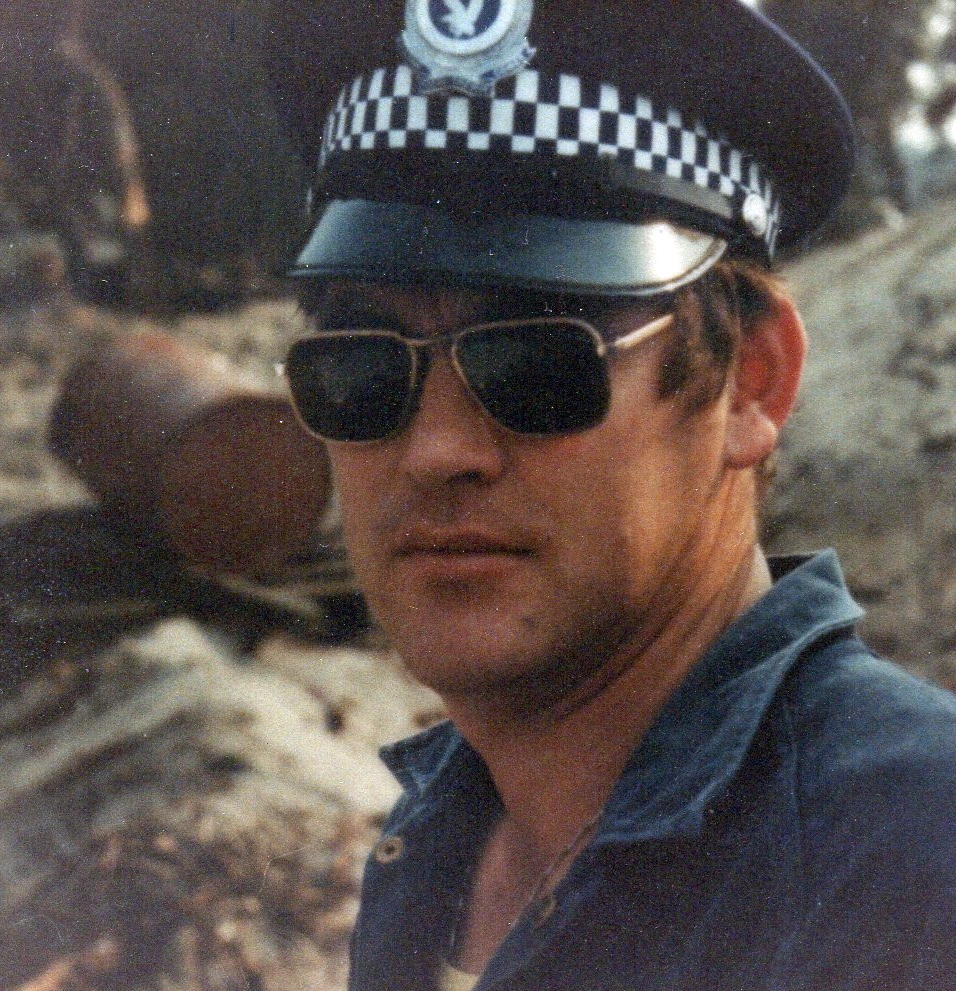
In October 1973 I was transferred from Lake Cargelligo to Laurieton as the Officer in Charge, which at that time was a one-man station with its headquarters in Taree. The police station at that time was in an enclosed back veranda of a large three-bedroom home. In the back yard behind my car garage there was a ‘portable cell’, approximately three metres square. This prisoner’s cell was made using two layers of very thick slab timber’ each layer running in opposite directions. There was a tin roof and a normal size half-inch thick steel door, fitted with a very large slide bolt and a huge brass padlock. Toilet facilities consisted of a galvanised steel tin with a lid. It was the job of the Officer in Charge to empty and wash the tin a couple of times per day. Fortunately, I did not have too many people in custody during this period.
Within days of my arrival at Laurieton I was contacted by one of my superiors. During our conversation he said, “Bob I want you to go to one of your local butchers, the one in the main street, and introduce yourself to the owner, He is one of your S.P bookmakers and the deal is that you get ten dollars’ worth of meat each week to look the other way.”
I did not have the chance to make a special call that week to meet the butcher. Early the following week a lady from the butcher’s shop called at our home and dropped off a bag of meat. I rang the owner and told him I didn’t expect free meat under any circumstances. I was not and never had been overly concerned about small-time bookmakers.
Some months later the butcher rang me and informed me that he was giving the bookmaking away as he could no longer afford to pay my superior, saying that he had become too greedy, asking for a side of butchered beef per week.
Laurieton was a small fishing village and tourist destination and was situated some forty-eight kilometres south of Port Macquarie with a population of approximately 5,200 people. During holiday periods the population would swell to around 15,000. Over a four-week period each Christmas a second officer from another small station would be temporarily attached to Laurieton to assist with the large influx of people. The two of us were kept extremely busy, general patrols and supervision, sea rescues, attending to general motor vehicle accidents often involving fatalities. We were expected to cover the Patrol 24 hours per day, seven days a week.
Laurieton had a large fisherman’s co-operative in the town and a permanent fleet of approximately fifteen large trawlers which on many occasions I had to charter on behalf of the NSW Police as the responsible authority for search and rescue in coastal waters. I had many trips to sea on a couple of these trawlers usually at night and usually in horrendous sea conditions.
In November 1975 a Forestry Commission ranger called at my office at around mid-morning and told me he had found a cannabis plantation in the forest near Watson Taylor Lake. I followed him to the location where I found approximately 35 cannabis plants all about two meters in height plus several dozen smaller plants in ceramic and black plastic pots. The ranger had a machete and cut all the plants down and I squashed them into the boot of my car, thanked the ranger and returned to Laurieton.
I rang a superior officer and told him of our find and he said that he would come down to Laurieton later on in the afternoon. At about lunch time, he arrived, parked his car alongside mine, opened his boot and said to me, “Just chuck it all in my boot, will you.” He then walked into my office. As I was about to drop my first armful of cannabis into his vehicles boot, I noticed a black coloured automatic pistol lying in the boot of his car. I finished the transfer of cannabis from my car to his just as he walked back to his vehicle. I said, “What’s the go with the pistol in your boot?” He replied, “Oh that, It’s just a throw-down.” I said, “What’s a throw-down?” and he replied, ” You have got to be kidding Bob, if you happen to shoot someone and then you find that he has not got a gun or a knife, you give him one, then it’s self-defence, end of story and that is why it’s called a throw-down and that is why every police vehicle should carry an old gun or knife in your car because you never know when it’s going to happen to you”.
I replied, “Well you won’t find one in my car.” and he replied. “Don’t say I didn’t warn you”. I said, “Where do you get these old handguns?” to which he replied, “Every now and then the government will declare an amnesty calling for the surrender of unlicensed and or unregistered firearms to be handed into their local police station with no questions asked. There is no requirement to give your name etc to police. Handguns, shotguns rifles, ammunition or explosives etc, are just surrendered, so you just take what you want and send the rest to Sydney to supposedly be disposed of.”
He then said, “You know Bob, there are two occasions in life that a policeman is allowed to tell lies, the first is, if it’s in the interest of justice and second time is to save your own skin, you will do well to remember that.”
I first met Roger Rogerson in 1965 whilst as a police cadet I was attached to the C.I.B. in Campbell Street, Surry Hills. In around 1976 I again met him while he and his family were on holidays in my area. At that time, I did not associate him with my superior, but in hindsight I am sure he was hovering in the background as he had become involved in a couple of serious matters in the Port Macquarie and Laurieton areas.
Sometime around June or July 1978 there was an alleged break-in at the Port Macquarie Police Station where it was alleged that several police shotguns, pistols, a large quantity of cannabis, a large quantity of heroin and an amount of cash was stolen. Entry was apparently gained through the open window of the detectives’ office on the first floor. It must have been Spiderman because he climbed a vertical brick wall about four metres high and climbed through an open window into the detectives’ office. How convenient!
Jack Smith, a local resident, had been making some outspoken remarks about the lack of police attention being given to the illicit drug trade which was rife in the area. Detective Sergeant Roger Rogerson and some local police executed a search warrant at the premises of Mr Smith and the word was that they were going to set him up to take the fall for the alleged break-in at the police station a short time before. While searching a shed on the property they found a shotgun in a metal cabinet which Smith agreed was his property. They also allegedly found one Ruger .38 calibre pistol and other things. He was arrested and conveyed to a local police station and interviewed at some length. He was obviously not giving the answers that the police wanted to hear and he was subjected to a beating of such ferocity and intensity that when the police had finished with the ‘softening up’ process a cleaner had to be called to wash the blood from the furniture and walls of the office.
Smith was subsequently charged with receiving police pistols, shotguns and other items that he allegedly had in his possession. He was then granted bail and picked up from the police station by a friend and driven directly to a local doctor’s surgery, where his wounds were cleaned and twenty stitches inserted in his scalp. He also suffered a broken nose and several large bruises in his lower abdomen.
Late in 1978 Roger Rogerson called at the Police Residence and spoke with my wife, Christine. I was out on patrol, and Rogerson told my wife that he was in Laurieton on a job and he needed to use the telephone in the station and asked for the door key. She told him he was welcome to use the phone or radio in the house but she would not give him the keys to the station while I was not present. He became very arrogant and abusive. He was most indignant and said, “Stick your bloody door key, I will go to Port Macquarie. You will hear more about this when I return to Sydney headquarters”. My wife said,” How dare you speak to me in such a disgusting manner. I am going to radio my husband now to return home. You had better be long gone before he arrives or you can suffer the consequences.” She then closed the door and watched him walk out onto the street. Upon my hasty return the low life bastard was nowhere to be seen and I have not seen him since.
On the 14th March 1979 I received information that a bushwalker had come across a body in the bush near Bonny Hills. I drove to the Pacific Highway where I saw a man standing by the side of the highway, he signalled for me to stop. The man got into the police car, introduced himself and he directed me to drive along a dirt track until we came to a clearing. I stopped and we both got out of the car and the man pointed to a skeleton some distance away and then said, “I don’t want any more to do with this, can I leave now?” I replied, “Can I have your name and address?” He replied, “I really don’t want to be involved any further.” He then left the scene and walked back towards the highway.
I approached the skeleton that appeared to be in a kneeling position and he had the tattered remains of a long sleeve shirt draped over his shoulder and hanging over his hands which were behind his back. The skeleton was in a poor state, having been savaged by wild animals. There were pieces of bone lying all over the ground, some intact and some chewed in half.
I noticed a fairly large neat hole in the crown of his skull. I pulled the remains of his long- sleeved shirt off and was shocked to find that he was wearing a pair of ‘Saflock’ Police issue handcuffs which had been around his wrists and covered by the long -sleeved shirt. The handcuffs, complete with the police insignia and a four-digit number engraved thereon (which I recorded in my official notebook) indicated that the murderer or murderers had left the scene in a hurry, otherwise, why leave the handcuffs behind. Possibly they intended to return later and recover them.
A short time later other police arrived. A senior officer told me to remove the handcuffs and give them to him. He then walked to his vehicle, threw the handcuffs under the driver’s seat and said in a loud voice so that all assembled could hear, “Nobody saw a thing, got it!” I said to him, “There is no identification papers with the remains so identification will be difficult”. My superior said, “I know who it is, it’s a drug courier named Wally (Pommy) Lewis”.
We had not found any identification with the remains so how did he know who it was? Makes you wonder doesn’t it? The shoes belonging to the deceased were found several hundred metres from the execution site towards the Pacific Highway.
The senior officer then left the scene. I had to accompany the remains to Port Macquarie mortuary. The doctor was unaware of the handcuffs and I did not enlighten him. After examining the remains and endeavouring to put them back together as best he could, he commenced his examination. He took careful measurements of the bullet wound to the head and remarked that it was a similar to a small calibre bullet. Police were issued .38 calibre revolvers as their Service weapon. Probably just a co-incidence!
During the examination the Doctor also located a spent bullet in the chest cavity. He concluded that the first shot was fired by someone standing over the deceased and had entered through the left clavicle, then entered the chest cavity. The second and fatal shot entered through the top of the head and exited through the face.
Later that day I was told by the senior police officer that the skeletal remains were those of Harry (Pommy) Lewis and not Wally Lewis as he told me previously. Harry had been behind in his payments for police protection. I’m not sure to whom but I could hazard a guess. The officer was laughing as he spoke and said, “The stupid prick, who did he think he was playing with?”
The police apparently had their suspicions as to the identity of the murderer, and, after a couple of years, they decided that it was a Mr Terence Clarke [“Mr Asia”], but by the time police were ready to act, Clarke had died in prison from a heart attack. Nobody was ever charged with the murder.
A few days after the discovery of the remains I spoke to another senior officer and said, “Did you find out who the handcuffs were issued to?” He replied, “Bob it’s probably best for all concerned that you just complete the forms for the Coroner and forget about the matter. Stirring the pot won’t get you anywhere, I’m sorry.”
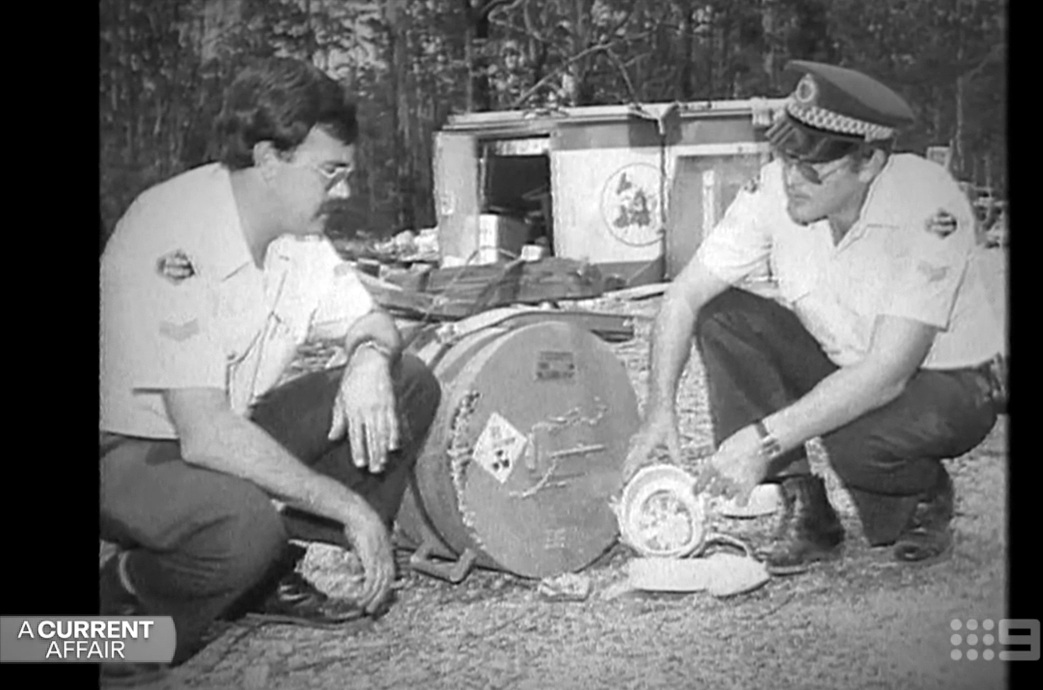
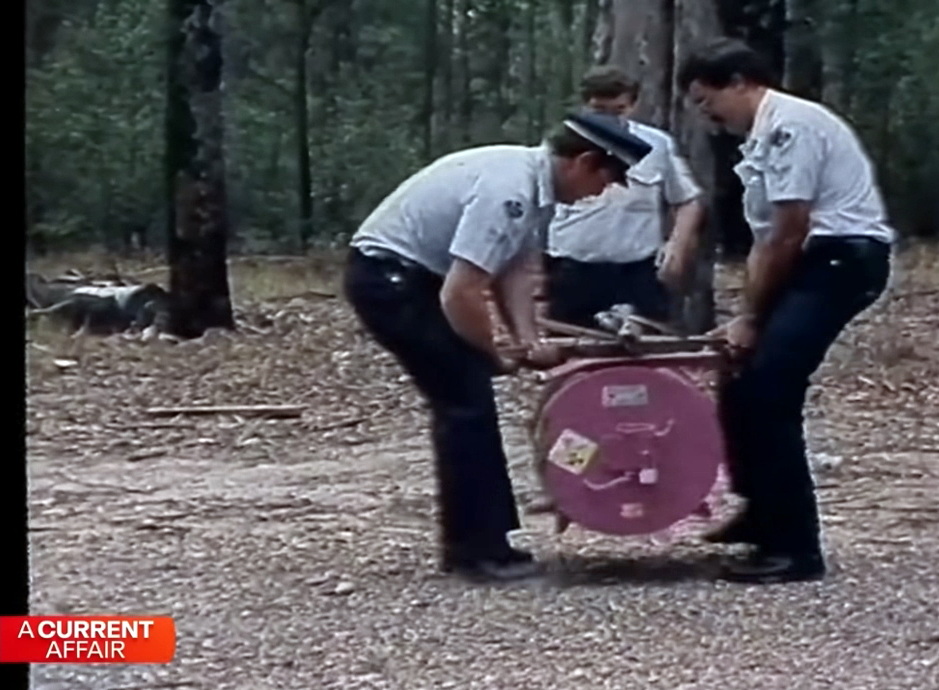
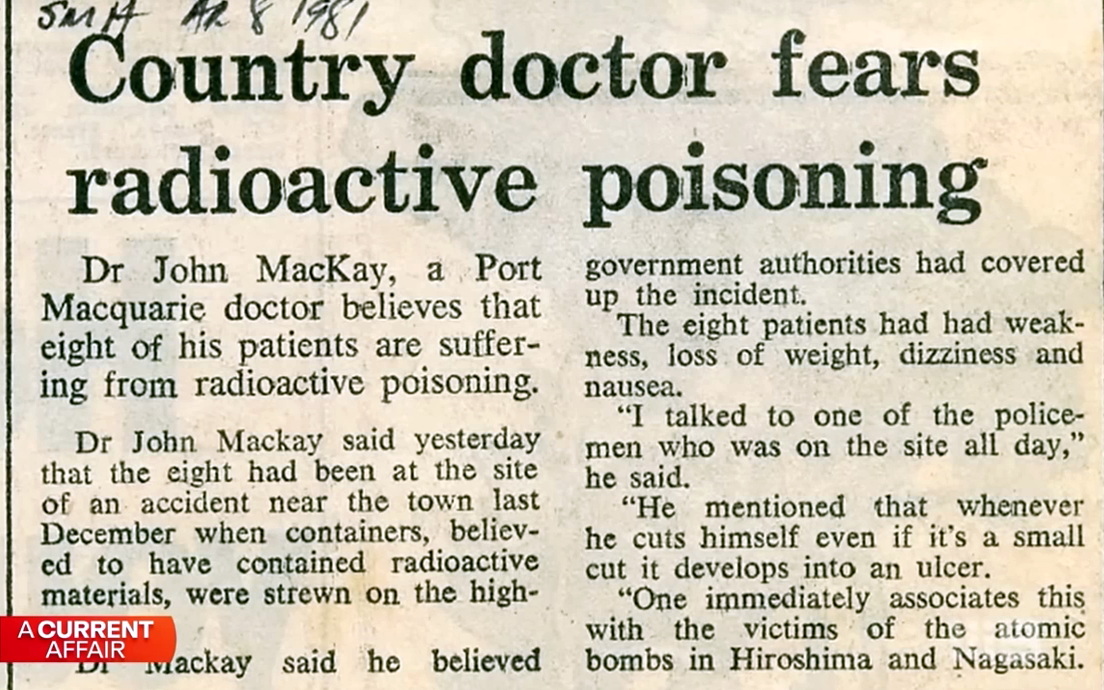
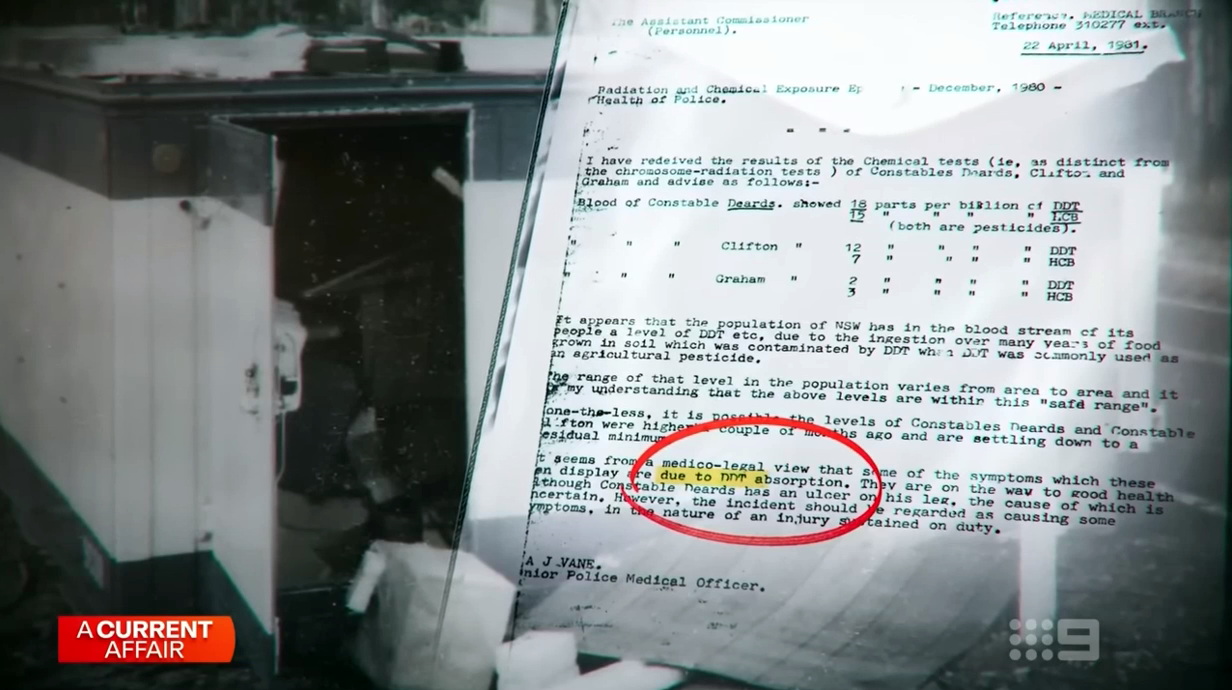
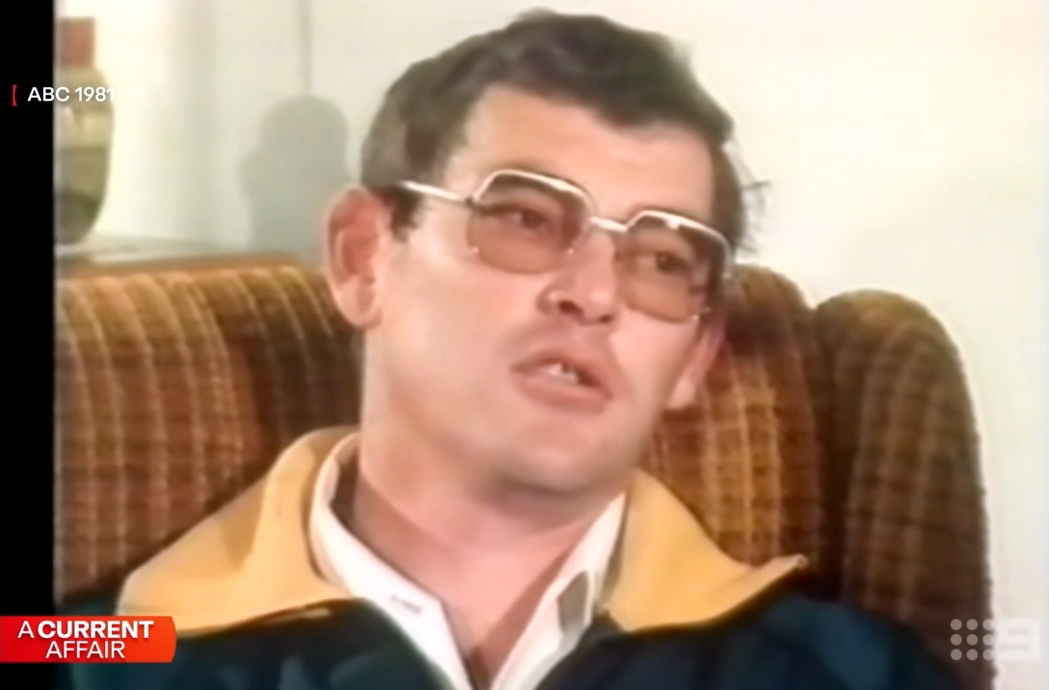
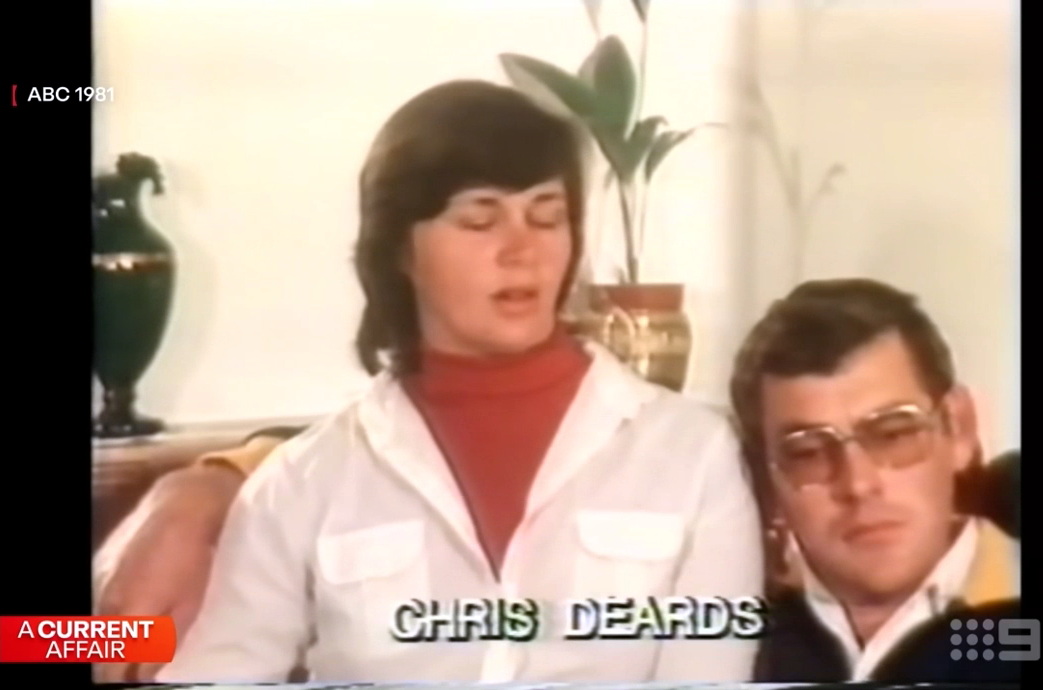
On 4 December 1980 I attended a road accident on the Pacific Highway and was poisoned by toxic chemicals and possibly radioactive waste as well. The authorities, including the police, never accepted this or provided me with adequate compensation. In frustration I went to the media.
On the 2 July 1986 police officers called at my home and served me with a Dismissal Notice to take effect as of 19 April 1984. ( Incorrect Time Line )
***
For the next few years I was in constant fear of being killed because of having the guts to speak out. I didn’t ask to be maimed for life while doing my duty. I will continue fighting until the day I die.
I avoided crowds, shopping centres, movie theatres etc and any other places where groups of people gathered. If I went out to a restaurant for dinner I would never sit near a window and I would always have my back facing a wall so that I could see any possible threat coming. This caused me to suffer badly from anxiety and stress but the authorities didn’t care they had gotten rid of me and probably thought that all would soon be forgotten and their lives of corruption would go on indefinitely.
My wife told me to just forget all about the police, saying that I would never beat them and that I should forget about living in the past and just get on with life as it is now.
For many years I did just that, working hard to provide for my family. I started a transport and courier business which my family and I operated both that and another business until 2000. Later I ran a security business.
***
In my career I would have attended approximately sixty fatal motor vehicle accidents, both single and multiple deaths, two drownings, approximately two dozen suicides, and deaths from fires that had originated in gas appliances in both residential and business premises, house fires from different causes including bush fires, gas poisoning in both private homes as well as business premises, hangings, knife wounds, gunshot wounds, slashing of wrists etc, carbon monoxide deaths in closed up motor vehicles, shootings and drug overdoses.
You never get totally used to it but your feelings can generally be managed.
In the majority of fatal traffic accidents, the bodies were extensively and horribly injured and, in some cases, cut in half. These types of events take their toll on your health and feelings and took a lot more to accept. You just had to think of it as part of your job and try not to get personally involved more than you may have to. There is no training that can prepare you mentally on how you will react to these situations.
I certainly saw things that no human being should have to see. Many of these images will haunt me until the day that I die. During my service I was never offered any counselling or other medical help, just left to suffer in silence. My wife was very understanding of my feelings and did her best to rid me of these demons. I never really talked to her much about what I had seen because it was just so horrible it made me sick.
I am now retired following some serious health problems. I am still under specialist care and I have been diagnosed with Critical Care Syndrome, chronic heart failure, Peripheral Myopathy and Post Traumatic Stress Disorder. I can get around to some degree with the aid of a walking stick.
Apart from that I’m as fit as a fiddle.
END
The above extract is from the manuscript The truth, the whole truth and nothing but the truth so help me __ __ __, by Bob Deards. For more information contact: deardsbob@gmail.com











 CLASS 081